How an 11-Minute Outdoor Breathwork Routine Can Rewire Your Nervous System for Lasting Resilience


In an era defined by chronic information overload and relentless professional demands, the human nervous system is frequently trapped in a prolonged state of hyper-arousal. Recent public health data highlights an alarming upward trajectory in chronic stress-related disorders, cardiovascular strain, and generalized anxiety across global populations. Amid this backdrop of escalating societal tension, certified yoga instructor and restorative wellness advocate Radiance Basden has introduced a structured, 11-minute somatic intervention designed to signal safety to the autonomic nervous system. By synthesizing intentional breathwork with gentle, accessible movement, this evidence-backed sequence offers a practical antidote to daily burnout. Crucially, Basden emphasizes that executing these somatic practices outdoors exponentially amplifies their physiological and psychological benefits, leveraging the documented restorative powers of natural environments to foster rapid nervous system regulation.
The physiological rationale for combining outdoor exposure with targeted breathwork is rooted in decades of environmental psychology and neurobiology. Scientific research consistently demonstrates that immersion in green or open-air spaces triggers immediate reductions in cortisol levels, systolic blood pressure, and sympathetic nervous system activity—often referred to as "fight-or-flight" mode. When individuals integrate grounding modalities such as controlled diaphragmatic breathing, mindful joint mobility, and postural awareness within an open-air setting, the brain’s salience network processes these multisensory cues as signals of environmental safety. This biological shift interrupts the relentless loop of rumination and modern hyper-vigilance, allowing participants to swiftly regain internal equilibrium and cognitive clarity.
To understand the practical application of this restorative protocol, wellness researchers and somatic practitioners have outlined a chronological framework for the 11-minute sequence. The practice is deliberately engineered to transition a participant from a seated state of cognitive overload into active somatic engagement, concluding with grounded integration. Below is the chronological breakdown of the 11-minute routine as detailed by Basden:

Phase One: Postural Alignment and Centering (Minutes 0–2)
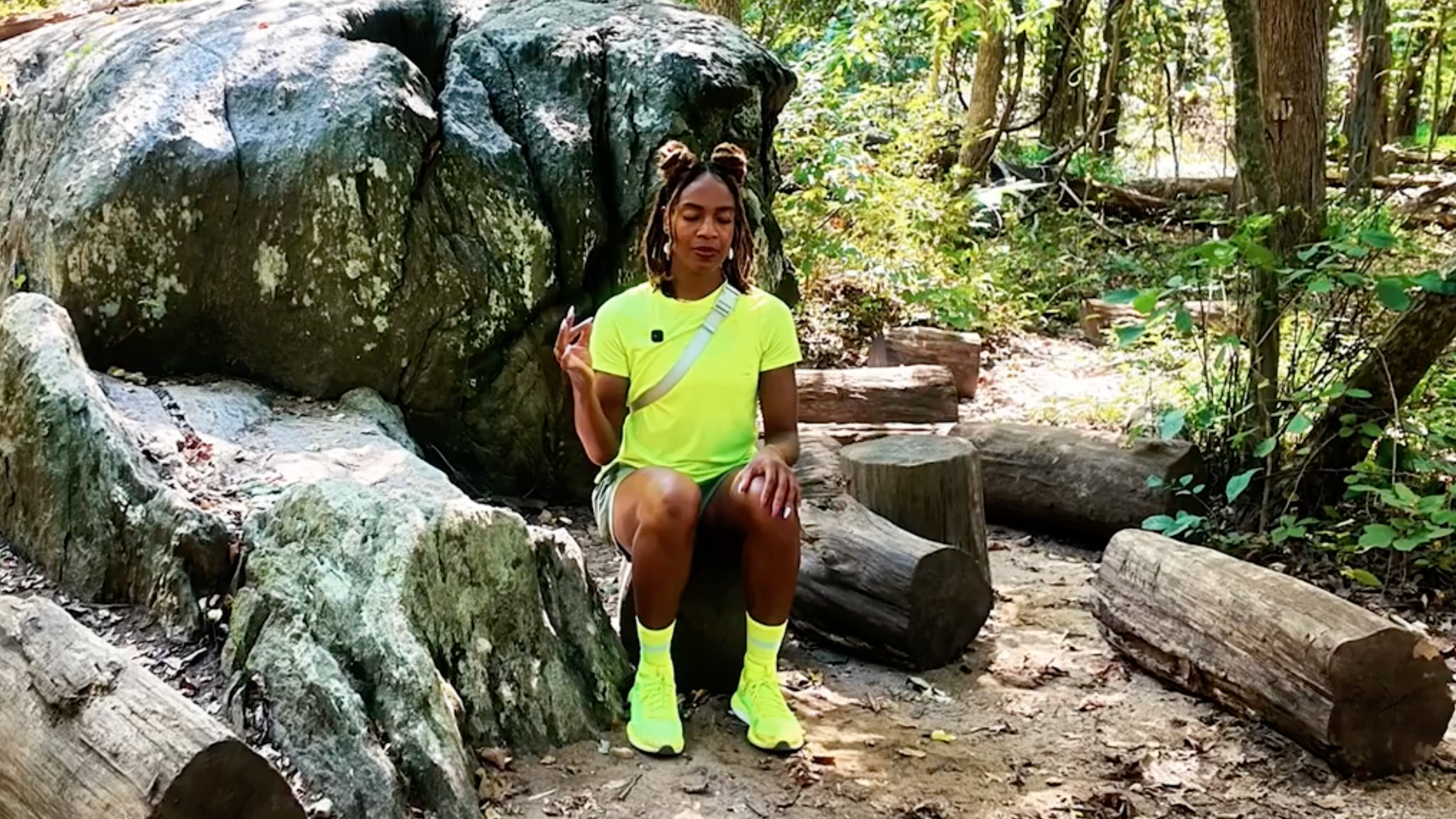
The session commences in a seated posture on a stable, supportive surface—ranging from a park bench or chair to a natural feature like a sturdy rock. With both feet planted firmly on the earth to establish a secure foundation, the practitioner performs a systemic body scan. Shoulders, facial muscles, and hands are consciously released of residual tension. This initial grounding period prepares the vagus nerve for parasympathetic activation.

Phase Two: The Humming Breath Protocol (Minutes 2–5)
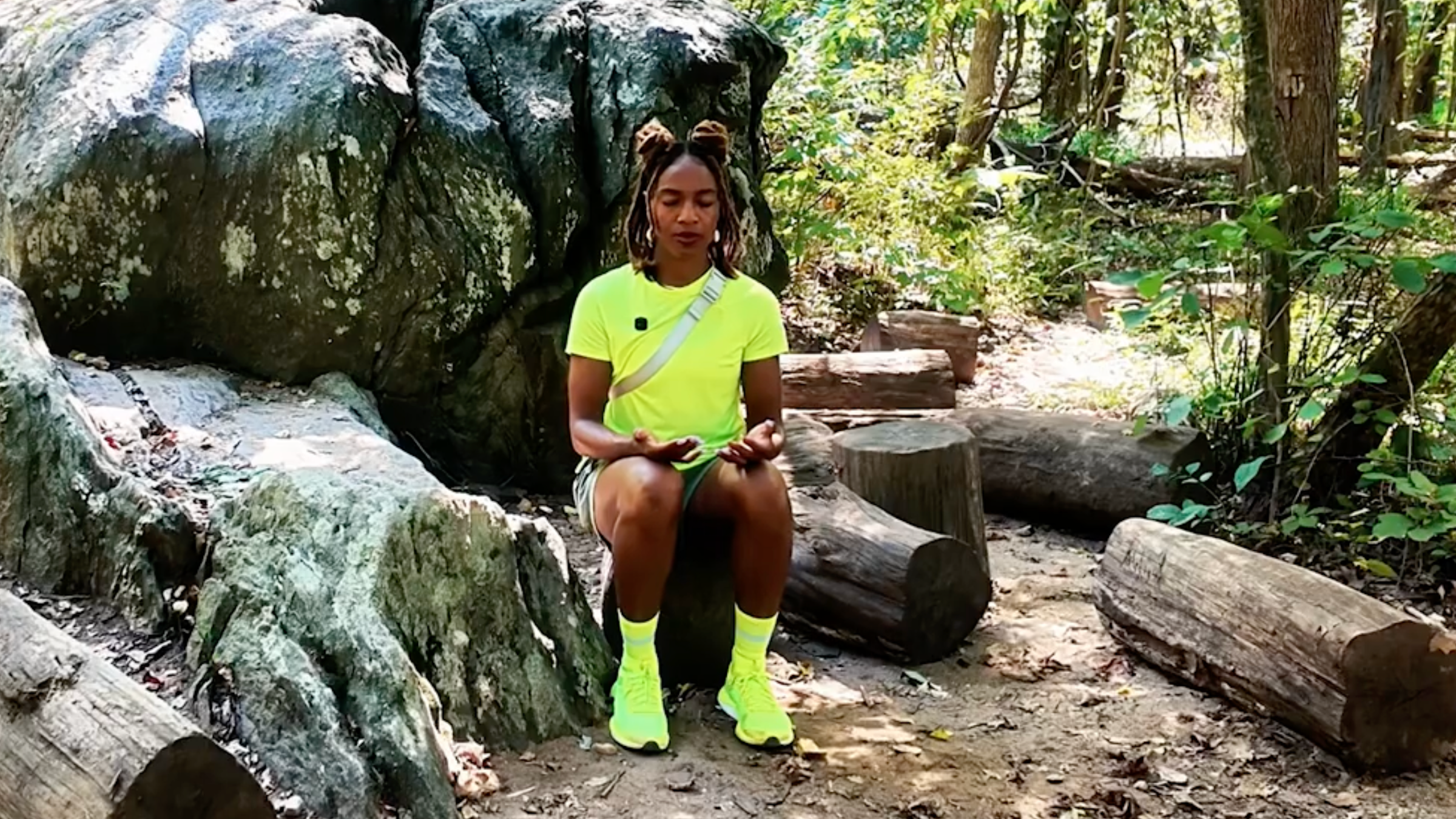
Transitioning into intentional respiration, the practitioner adopts an open-hand posture on the knees to either receive external energy or enhance downward grounding. Following three baseline diaphragmatic breaths, the protocol introduces the humming breath. By inhaling slowly through the nasal passages and producing a steady, resonant hum throughout the duration of the exhalation, the practitioner stimulates the vagus nerve via acoustic vibrations in the skull and upper respiratory tract. This technique has been clinically associated with increased nitric oxide production and immediate heart-rate variability optimization. Basden recommends executing five consecutive rounds.
Phase Three: Seated Somatic Mobility and Articulation (Minutes 5–8)
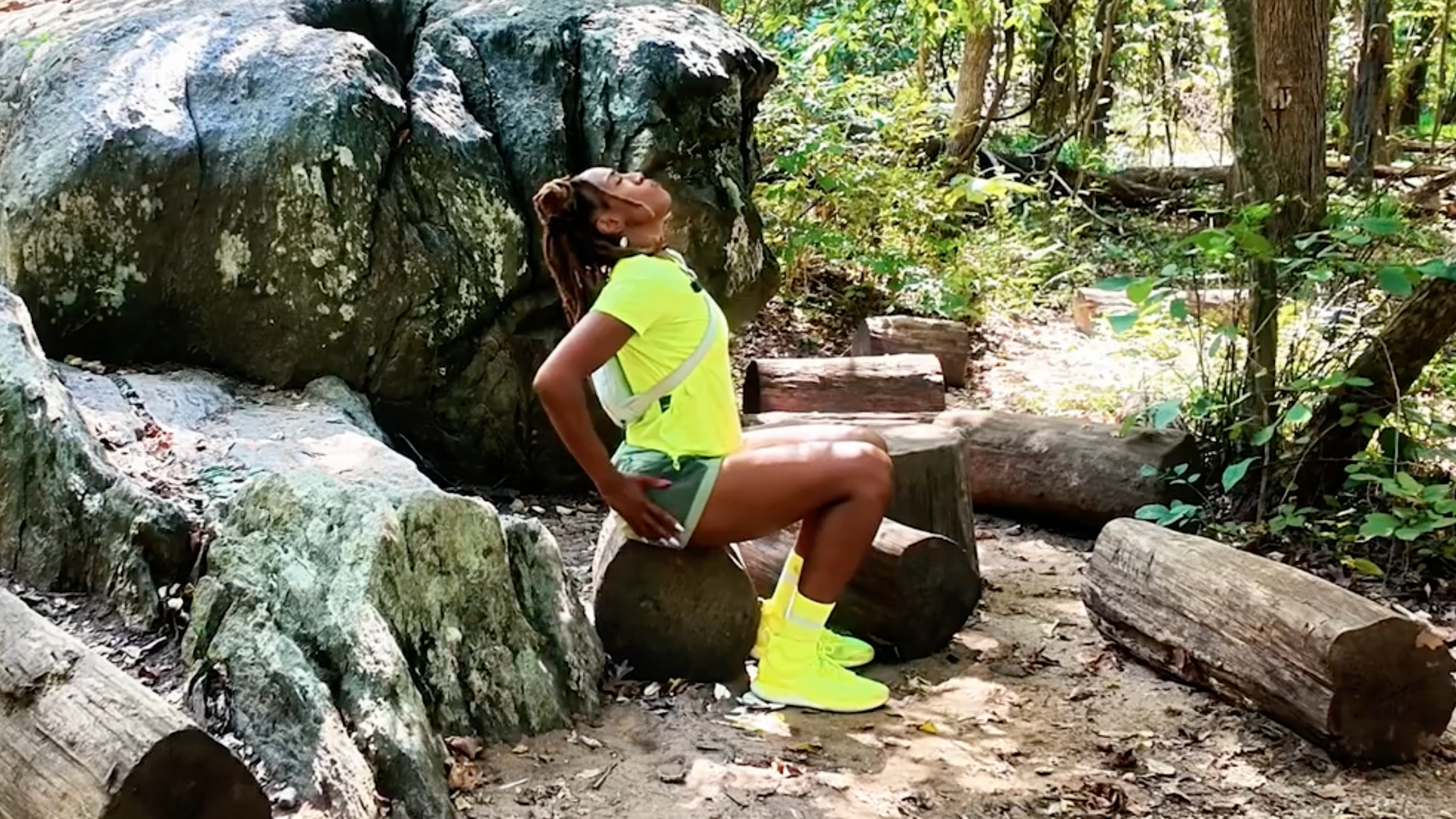
Moving from static breathwork into dynamic physical articulation, the sequence incorporates seated hip circles and a modified spinal flow. Maintaining shoulder-width foot placement, the practitioner executes eight slow, deliberate hip circles in a clockwise direction, leading with the torso and torso-forward mechanics, followed by eight counter-clockwise rotations. This movement directly targets the pelvic girdle and lower lumbar regions—common reservoirs for somatic stress storage. Immediately following, the practitioner flows between seated Cow Pose (chest expansion and spinal extension) and seated Cat Pose (spinal flexion and chin tuck) synchronized to the breath for ten repetitions, lubricating the spinal column and enhancing proprioceptive awareness.

Phase Four: Open-Chain Extension and Breath of Joy Variation (Minutes 8–10)
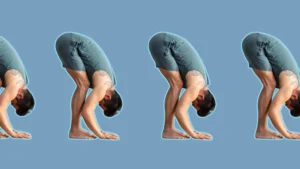
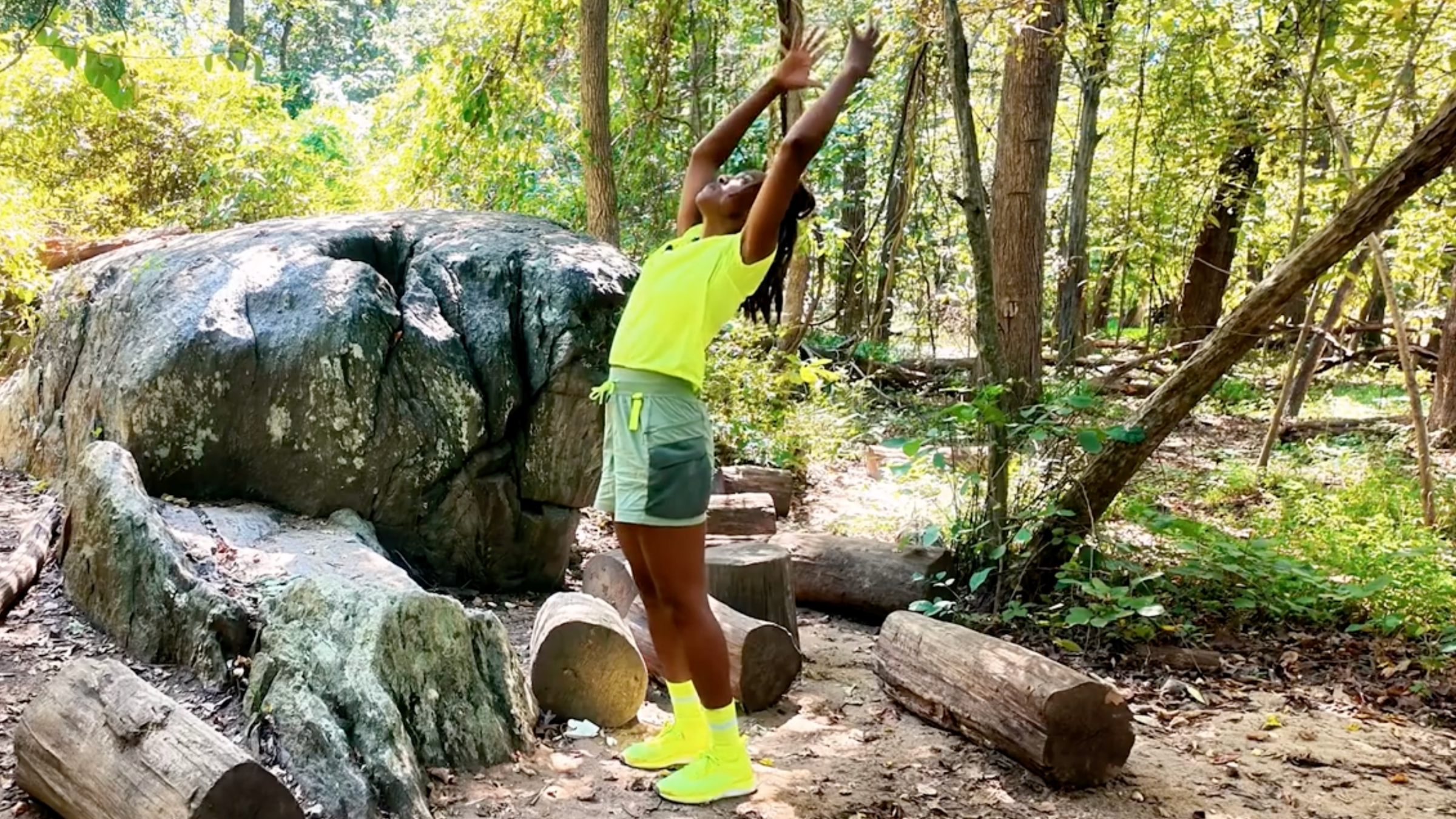
After a brief seated forward bend designed to decompress the posterior chain, the practitioner transitions to a standing position for a modified iteration of the traditional Breath of Joy. Involving a coordinated pattern of an overhead arm swing with an inhalation, followed by an audible, whooshing exhalation accompanied by a forward torso and knee bend and a backward arm sweep, this movement flushes stagnant energy and increases cardiovascular circulation over a one-minute duration.

Phase Five: Integration and Final Integration (Minutes 10–11)
The sequence concludes in Mountain Pose (Tadasana), where the practitioner stands tall, executing five rhythmic nasal breath cycles. Three final slow, deep breaths—inhaling through the nose and exhaling through the mouth—seal the practice, allowing the individual to linger in a state of autonomic calm for as long as required.
The broader implications of integrating brief, structured somatic routines into daily schedules extend far beyond individual relaxation. Public health economists and workplace wellness analysts point out that chronic stress costs the global economy billions annually in lost productivity, absenteeism, and healthcare expenditures. Interventions that require minimal time investment—such as an 11-minute outdoor movement and breathwork practice—present a highly scalable, low-cost prophylactic measure against burnout. By democratizing access to stress-reduction tools that do not require specialized equipment or extensive time commitments, wellness advocates like Basden are paving the way for more resilient, mentally agile communities capable of navigating the psychological pressures of the modern world.