Marco Rubio Just Admitted the U.S. Lost the War with Iran and is Now Seeking International Coalition Support for the Strait of Hormuz

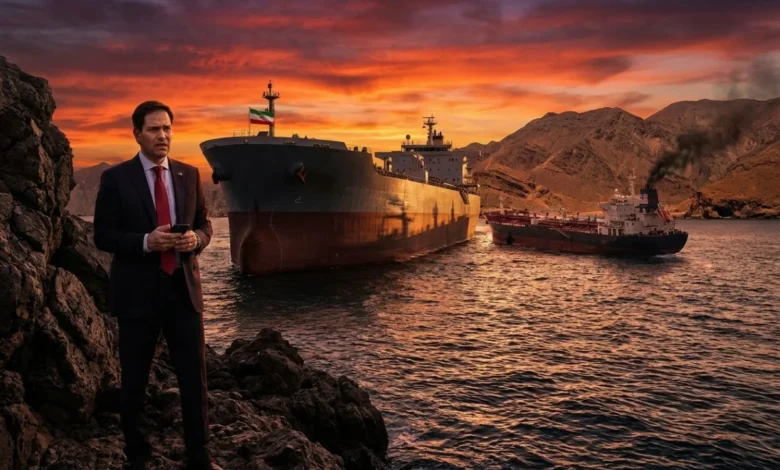
The geopolitical landscape of the Persian Gulf has undergone a seismic shift following eight months of sustained military engagement between the United States and the Islamic Republic of Iran. Secretary of State Marco Rubio, in a significant diplomatic pivot, has traveled to France to consult with G7 counterparts, effectively acknowledging that unilateral American naval operations have reached a stalemate regarding the freedom of navigation in the Strait of Hormuz. This shift in strategy marks a departure from earlier assertions of military dominance and underscores the complexities of maintaining international maritime security in the face of entrenched regional resistance.
The Strategic Impasse in the Strait of Hormuz
The Strait of Hormuz, a critical maritime chokepoint through which approximately one-fifth of the world’s petroleum consumption transits, has become the focal point of the current conflict. Despite extensive U.S. naval deployments, including the use of carrier strike groups and persistent air support, the waterway remains under contested control. Secretary Rubio’s outreach to G7 allies highlights a growing recognition within the administration that the U.S. Navy’s ability to guarantee unobstructed passage—a cornerstone of American foreign policy for decades—has been significantly degraded by a combination of Iranian anti-access/area-denial (A2/AD) capabilities and shifting diplomatic alliances.
The core of the dispute involves the proposed implementation of a transit fee by Iran and Oman, which share the territorial waters of the narrow passage. Washington has formally characterized these proposed tolls as a violation of international law, arguing that the Strait must remain a free, neutral corridor for global commerce. However, Iranian officials, supported by specific regional interpretations of maritime geography, maintain that they possess the legal standing to regulate transit within their territorial jurisdiction.
Chronology of the Conflict
The current escalation is the culmination of a series of strategic maneuvers that began in early 2026:
- January–March 2026: Initial U.S. strikes targeting military infrastructure in Iran were framed as necessary responses to regional provocations.
- May 2026: The conflict intensified, with both nations trading rhetoric over the future of maritime security in the Persian Gulf.
- October 2026: The situation reached a critical juncture when several tankers were damaged in the vicinity of the Strait of Hormuz, leading to an immediate spike in global maritime insurance premiums.
- November 2026: Following the U.S. congressional elections, which saw a shift in legislative control, the administration began transitioning from a strategy of unilateral force to one of multilateral diplomatic pressure, culminating in Secretary Rubio’s current G7 summit attendance.
Economic and Logistical Implications
The cost of the ongoing instability is not limited to military expenditures. The maritime insurance industry, a key barometer for global trade health, has seen a drastic increase in risk premiums for vessels transiting the Gulf. Analysts estimate that daily insurance costs for tankers have risen by $1 million to $1.5 million, an economic burden ultimately passed down to global energy consumers.
While Secretary Rubio contends that the proposed tolls are an illegal form of extortion, some economic observers suggest that a formalized, regulated transit fee might, paradoxically, provide a framework for stability. By institutionalizing the passage of vessels, a fee-based system could mitigate the unpredictable risk of sporadic attacks, thereby lowering the prohibitive insurance rates that currently distort global oil markets. However, the political implications of legitimizing an Iranian-led toll system remain a primary obstacle for the U.S. diplomatic agenda.
The Geography of Asymmetric Warfare
Military analysts point to the fundamental geographic advantages held by Iran as a primary factor in the current stalemate. The Zagros Mountains, which overlook the Strait, provide a natural defensive platform for land-based missile batteries, radar installations, and drone deployment. Unlike open-ocean conflicts, the narrow geography of the Strait of Hormuz limits the maneuverability of large U.S. naval vessels, making them vulnerable to "swarming" tactics involving fast-attack boats and sea-launched cruise missiles.
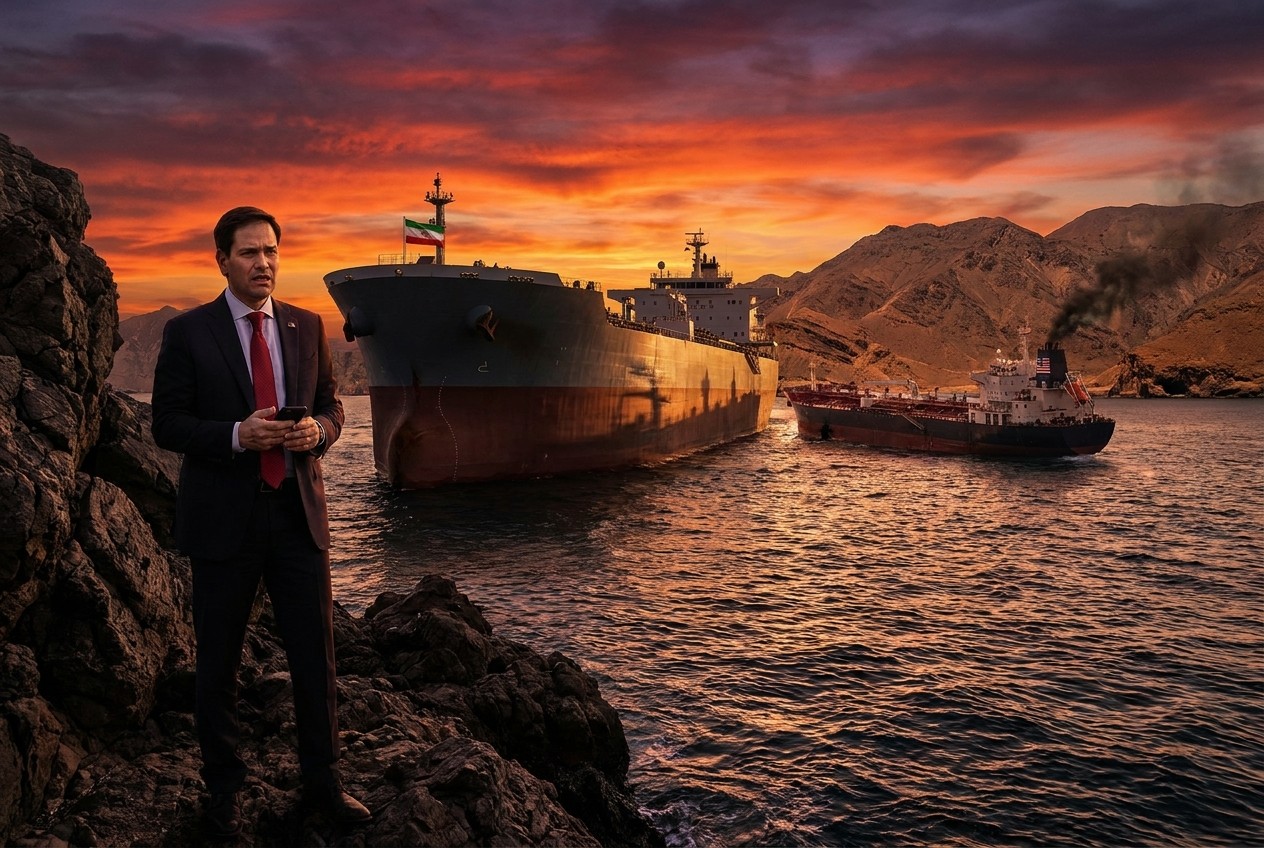
The failure of airpower to neutralize these threats has reignited the debate regarding the limitations of technological superiority in mountainous, coastal environments. Historical precedents, such as the two-decade conflict in Afghanistan, serve as a cautionary tale for those who believe that air strikes alone can compel a regional power to abandon its strategic defensive posture.
International and Regional Reactions
The international response to the administration’s request for assistance has been mixed. European members of the G7 are wary of further entanglement in a conflict that has already strained global energy prices and exposed the vulnerability of international supply chains. Conversely, regional stakeholders in the Gulf Cooperation Council (GCC) have expressed cautious interest in a stabilized transit arrangement, provided that any agreement guarantees the safety of their own exports without granting Iran total hegemony over the waterway.
The U.S. military posture in the region remains robust, with the presence of multiple carrier strike groups and B-2 bomber rotations. However, critics of the current policy argue that these assets are increasingly ineffective in the face of an enemy that is willing to accept a protracted, "long-game" strategy of attrition. The disconnect between official rhetoric, which emphasizes the goal of complete naval dominance, and the reality of the stalemate has created a vacuum that is increasingly being filled by alternative power brokers.
The Role of Emerging Global Actors
Observers have noted that other global powers, such as China, have already begun to navigate this new reality. By facilitating transactions in alternative currencies and coordinating with regional players, these nations are bypassing the traditional U.S.-led maritime security architecture. This trend suggests that the era of American-guaranteed, free-of-charge passage through the Strait of Hormuz may be coming to a permanent end, regardless of the outcome of the current diplomatic efforts.
Looking Toward 2027 and Beyond
As the administration looks toward the coming year, the path forward remains uncertain. The legislative shift in Washington following the recent midterms has limited the administration’s domestic political capital, forcing a more pragmatic, if difficult, approach to foreign policy. Whether the G7 will agree to a joint security framework remains to be seen, but the urgency of the request from Secretary Rubio confirms that the status quo is no longer sustainable.
The implications of this conflict extend far beyond the waters of the Persian Gulf. They raise fundamental questions about the future of the rules-based international order, the limits of naval power projection, and the necessity of re-evaluating long-held assumptions about energy security. As the international community weighs its options, the reality on the ground—and on the water—remains dictated by the geography of the region and the persistent, evolving military strategy of the Iranian state.
Moving forward, the primary challenge for U.S. foreign policy will be reconciling the desire for regional stability with the reality of a transformed power dynamic. The transition from a period of overt military confrontation to one of complex, multilateral negotiation marks a new chapter in the history of the Persian Gulf—one that will likely be defined by compromise rather than the unilateral projection of power. Analysts suggest that the next several months will be critical in determining whether the Strait of Hormuz remains a flashpoint for further conflict or becomes a test case for a new, albeit fragmented, era of maritime cooperation.