Slow Cooker Turkey Breast with Gravy Offers a Stress-Free Alternative for Holiday Entertaining


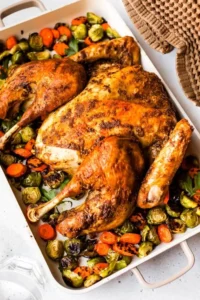
The modern holiday kitchen has increasingly embraced culinary efficiency, a trend underscored by the rising popularity of alternative cooking methods for traditional feasts. Among these, preparing a Thanksgiving or Sunday dinner turkey breast in a slow cooker has emerged as a preferred method for home cooks seeking to bypass the time-consuming and space-intensive demands of conventional oven roasting. This culinary approach, which requires roughly ten minutes of preparation and eliminates the need for complex brining processes, addresses persistent logistical challenges faced by hosts preparing meals for smaller gatherings.
Main Facts and Culinary Mechanics
The slow cooker turkey breast method relies on low-temperature, prolonged thermal transfer to maintain moisture in a cut of meat that is notoriously prone to drying out. Because a turkey breast is exceptionally lean—containing minimal intramuscular fat—overcooking rapidly strips it of moisture. Cooking the poultry on a low setting for approximately five to seven hours allows connective tissues to break down gently while retaining natural juices.
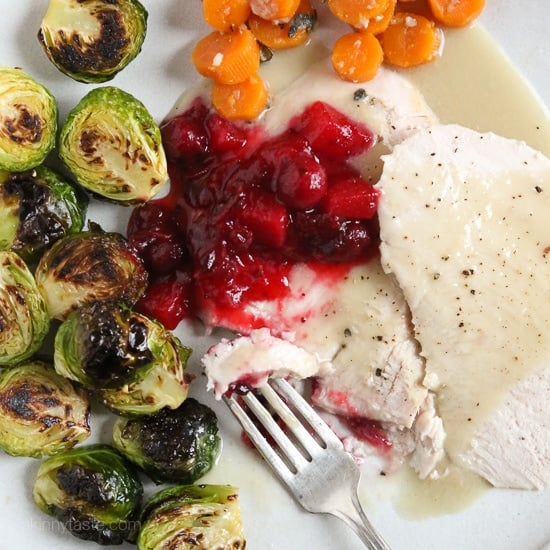
Crucially, this technique integrates the creation of a homemade gravy directly into the cooking cycle. As the poultry rests in the slow cooker, the surrounding liquid—typically a blend of broth, aromatics, and savory drippings—infuses with rendered turkey fats and proteins. Upon completion of the cooking phase, this flavorful broth serves as the foundational base for a thick, rich gravy, streamlining the workflow of holiday meal preparation.
Nutrition data associated with standard preparations of this style typically yield lean, protein-dense portions. A standard serving size consisting of four ounces of turkey breast paired with a quarter-cup of gravy averages approximately 167 kilocalories, containing roughly 25 grams of protein, 5 grams of fat, and 8 grams of carbohydrates. This nutritional profile aligns with broader consumer demands for high-protein, portion-controlled holiday dining options that do not sacrifice traditional flavors.
Background Context and Evolution of Holiday Cooking
The shift toward unconventional appliance use during major holiday milestones reflects broader demographic and lifestyle changes over the past several decades. Historically, roasting a whole turkey in a standard home oven was the unchallenged centerpiece of North American holiday celebrations. However, demographic shifts toward smaller household sizes, urban living with compact kitchen footprints, and dual-income households with limited time for elaborate food preparation have accelerated the demand for streamlined recipes.

Kitchen appliance evolution has mirrored these lifestyle changes. The slow cooker, popularized in the 1970s, has transitioned from a convenience tool used primarily for weeknight stews into a sophisticated instrument capable of executing complex holiday centerpieces. Culinary literature, such as the widely referenced Slow Cooker Revolution Cookbook published by America’s Test Kitchen, codified these techniques by rigorously testing how prolonged, moist-heat environments alter meat textures and flavor developments. Adapting these methods for holiday poultry allows home cooks to achieve professional-grade results without specialized culinary training.
Chronology and Preparation Workflow
Executing a slow cooker turkey breast involves a streamlined timeline designed to maximize efficiency and minimize active labor in the kitchen.
- Preparation and Seasoning (0 to 10 minutes): The process begins with minimal prep work. The turkey breast—typically a 5-pound bone-in cut—is patted dry and seasoned with a blend of herbs, spices, salt, and pepper. Aromatics such as onions, carrots, and celery are often placed at the bottom of the slow cooker to elevate the meat and build a rich foundation for the eventual gravy.
- The Cooking Phase (5 to 7 hours): The slow cooker is set to the "LOW" thermal setting. During this multi-hour window, the collagen within the bone-in cut softens, and the internal temperature of the meat gradually rises. Culinary safety standards dictate that the thickest part of the turkey breast must reach an internal temperature of 165 degrees Fahrenheit to ensure proper food safety.
- Resting and Carving (20 minutes): Once the target temperature is reached, the turkey is removed from the appliance and allowed to rest. Food scientists emphasize this resting phase as critical; it permits internal juices, which have been driven toward the center of the meat by heat, to redistribute evenly throughout the tissue fibers. Carving the meat prematurely results in a significant loss of moisture.
- Gravy Finalization (10 minutes): While the turkey rests, the remaining liquid in the slow cooker is strained and combined with a thickening agent, such as a cornstarch slurry or flour-based roux, to achieve a velvety consistency before serving.
Official Responses and Culinary Expert Insights
Culinary professionals and recipe developers have increasingly championed appliance-based roasting as a viable, high-quality alternative to traditional methods. Food experts note that freeing up primary oven space is perhaps the most significant operational advantage of utilizing a slow cooker for the main protein during large-scale meal preparations like Thanksgiving.

In professional and domestic test kitchens alike, analysts point out that oven management during major holidays is a primary stress factor for hosts. With multiple side dishes—ranging from casseroles and roasted vegetables to bread rolls and desserts—competing for limited thermal real estate in a standard 30-inch oven, offloading the poultry to a countertop appliance resolves critical scheduling bottlenecks. Furthermore, culinary researchers emphasize that the moist-heat environment of a slow cooker acts as a safeguard against common roasting errors, consistently yielding tender meat even for novice cooks.
Broader Impact and Economic Implications
The adoption of slow cooker turkey breast recipes extends beyond individual household convenience, intersecting with broader economic and consumer trends. The meat and poultry industry has responded to shifting consumer demographics by increasing the commercial availability of bone-in and boneless turkey breasts packaged specifically for smaller-scale holiday meals, reducing the financial and physical waste associated with purchasing and roasting an entire 15-to-20-pound bird.
From a food economy perspective, this preparation method maximizes resource utilization. Leftover turkey breast produced through slow-cooking retains its moisture exceptionally well, making it an ideal ingredient for post-holiday meal prep, including sandwiches, salads, and soups. This versatility appeals to cost-conscious consumers looking to maximize the value of their grocery purchases amidst fluctuating food prices.

Ultimately, the integration of slow cooker technology into traditional holiday repertoires demonstrates a broader modernization of culinary traditions. By prioritizing efficiency, precision, and space management without compromising taste or nutritional quality, home cooks continue to adapt classic celebratory meals to fit the demands of contemporary life.