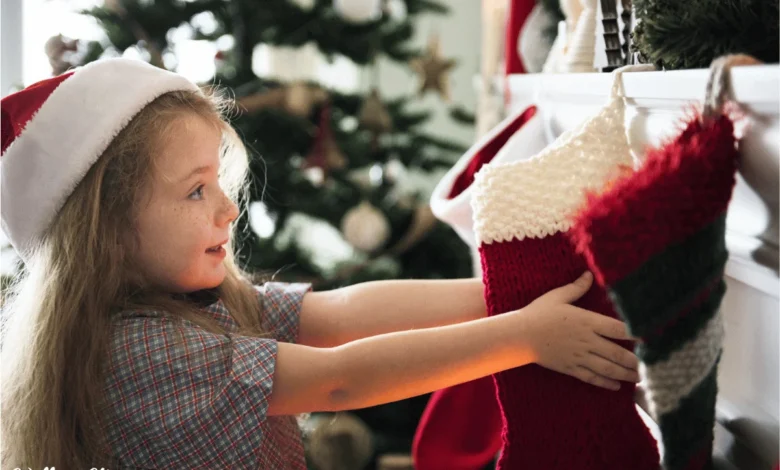
The practice of hanging stockings by the hearth on Christmas Eve has evolved from a medieval legend into a global commercial phenomenon that defines the spirit of the holiday season. While contemporary consumers often focus on the retail aspect of stocking stuffers—small, frequently inexpensive items tucked into fabric bags—the tradition carries a deep historical weight. In the current economic climate, where holiday spending is scrutinized for both value and impact, the shift toward curated, meaningful, and health-conscious stocking gifts reflects a broader cultural movement toward intentional consumption.
Historical Origins and the Legend of St. Nicholas
The tradition of the Christmas stocking is historically linked to the life of St. Nicholas of Myra, a 4th-century Greek bishop residing in modern-day Turkey. According to hagiographic records and folklore, Nicholas was known for his clandestine generosity. The most enduring narrative involves a destitute widower who lacked the financial means to provide dowries for his three daughters, which would have rendered them unable to marry.
Historical accounts suggest that upon learning of the family’s plight, St. Nicholas visited their home under the cover of darkness. He allegedly tossed gold coins through an open window or down the chimney. One coin reportedly landed in a stocking that had been hung by the fire to dry, providing the family with the necessary funds to secure the daughters’ futures. This act of anonymous benevolence established the conceptual framework for modern gift-giving. By the 19th century, the tradition was solidified in Western culture, famously immortalized in Clement Clarke Moore’s 1823 poem, A Visit from St. Nicholas, which solidified the imagery of stockings "hung by the chimney with care."
Chronology of Holiday Gift-Giving Evolution
The trajectory of the stocking stuffer has mirrored the progression of industrialization and retail marketing. In the mid-19th century, gifts were largely homemade—fruits, nuts, and hand-carved wooden items. The advent of the department store in the late 19th and early 20th centuries shifted this dynamic, introducing mass-produced toys and sweets.
Following World War II, the rise of the consumer middle class saw the stocking become an extension of the primary gift-giving experience. Data from the National Retail Federation (NRF) indicates that holiday spending has consistently trended upward over the last two decades. In 2023, the NRF reported that consumers spent an average of $875 on holiday-related items, including gifts, decorations, and food. A significant portion of this budget is allocated to "small-format" gifts, which have become a multi-billion-dollar niche within the retail sector.
Categories of Modern Stocking Stuffers: A Strategic Approach
Modern shoppers are increasingly moving away from disposable, low-quality plastic items toward gifts that offer utility, health benefits, or experiential value. This shift is corroborated by retail analysts who note that "wellness" has become a dominant theme in holiday purchasing.
Edible and Nutritional Gifts
For the health-conscious consumer, the modern stocking is no longer filled with sugar-laden confectioneries. Instead, it serves as a vessel for nutrient-dense alternatives. High-quality dark chocolates, organic dried fruits, raw nuts, and specialty teas have become staples. Furthermore, the inclusion of dietary supplements—such as vitamin D, magnesium, or pediatric-friendly immune support—has grown in popularity as households prioritize preventative health during the winter months.
Self-Care and DIY Beauty
The DIY beauty sector has seen significant growth as consumers seek to avoid the synthetic preservatives and artificial fragrances often found in mass-market skincare. Stocking-sized containers of essential oils, beeswax-based balms, and natural bath salts provide a practical, health-conscious alternative. This segment of the market aligns with the broader "clean beauty" trend, which saw global market growth exceeding 10% in the last fiscal year.
Educational and Developmental Tools
For families with children, the stocking is frequently utilized as a vehicle for cognitive development. Experts in childhood development often advocate for "quiet" gifts that encourage creativity, such as high-quality art supplies, puzzles, or card games. These items promote brain development and provide a viable alternative to screen-based entertainment, offering families a constructive activity during the extended holiday break.
The Rise of Experiential and Sentimental Gifting
Perhaps the most notable shift in recent years is the transition toward experiential gifts. As physical clutter becomes a concern for many households, "coupons" for shared experiences—such as a trip to a museum, an afternoon of hiking, or an evening dedicated to a family game—have gained traction. These gifts prioritize social cohesion and memory-making over material accumulation, addressing the growing societal preference for minimalism.
Practical Utility in a Consumer-Driven Market
While whimsical gifts have their place, practical items remain the bedrock of the traditional stocking. High-quality, functional goods—such as specialized socks, reusable household tools, or durable stationery—are consistently among the top-selling items. Retail data suggests that consumers derive greater long-term satisfaction from gifts that solve a daily problem, leading to a higher rate of return on investment for the gift-giver.
Economic and Social Implications
The economic impact of the holiday shopping season is immense, but the internal dynamics of stocking stuffers suggest a move toward more sustainable, localized, and thoughtful procurement. There is an increasing demand for products that reflect the values of the recipient, whether that be environmental sustainability, ethical sourcing, or health optimization.
Sociologists observing the holiday season note that the ritual of the stocking serves a unique function: it creates a moment of anticipation and discovery that differs from the opening of large, primary gifts. This "micro-gift" experience allows for a slower pace of interaction, fostering a deeper sense of connection between family members.
Refining the Twelve Days of Christmas Tradition
A secondary trend in modern holiday management is the redistribution of gifts over the "Twelve Days of Christmas," spanning from December 25 to the Feast of the Epiphany on January 6. By extending the celebration, parents and gift-givers can mitigate the "post-holiday slump" that often affects children after the rapid unwrapping of gifts on Christmas morning. This approach encourages a sustained focus on the festive season and prevents the sensory overload associated with intensive, single-day consumption.
Analysis of Consumer Sentiment
Public opinion regarding holiday spending is increasingly polarized. While inflation and economic volatility have constrained budgets, the desire to maintain traditions remains robust. The strategic approach to stocking stuffers—focusing on quality, utility, and health—allows consumers to participate in the tradition without incurring excessive financial strain.
Market research conducted in the fourth quarter indicates that "value-based" shopping is at an all-time high. Consumers are more likely to research the provenance of a product and its health impact before finalizing a purchase. This indicates that the future of the stocking stuffer lies in personalization. By categorizing gifts by intent—such as health, creativity, or utility—shippers can curate an experience that is both meaningful and sustainable.
Conclusion: The Future of a Classic Ritual
The Christmas stocking has successfully navigated the transition from a medieval symbol of charity to a modern staple of retail commerce. Its enduring appeal lies in its adaptability. Whether it is filled with traditional treats or contemporary wellness products, the stocking remains a focal point for family bonding and the expression of affection. As society continues to navigate the complexities of modern consumerism, the tradition of the stocking provides a framework for gift-giving that is intentional, personal, and, above all, enduring. By focusing on quality over quantity and utility over excess, individuals can ensure that this centuries-old ritual continues to provide joy for generations to come.
Related posts: