Daily Consumption of Mango and Avocado Linked to Improved Blood Vessel Function and Lower Blood Pressure in Adults with Prediabetes

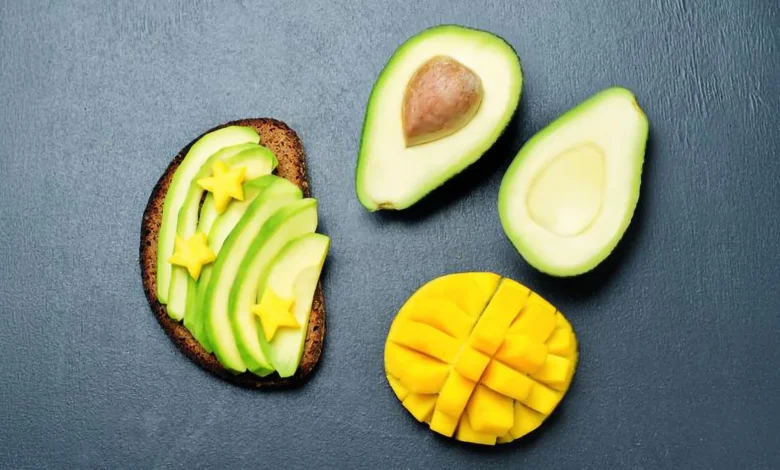
The intersection of diet and cardiovascular health has yielded a compelling new discovery for the nearly 98 million Americans currently living with prediabetes. According to a clinical study published in the Journal of the American Heart Association, incorporating a daily regimen of fresh mangoes and Hass avocados into an everyday diet can significantly enhance blood vessel function and improve blood pressure regulation. Conducted by researchers at the Illinois Institute of Technology (Illinois Tech), the eight-week intervention demonstrated these vital cardiovascular benefits without causing weight gain or prompting a rise in overall caloric consumption.
These findings arrive at a critical juncture for public health. Prediabetes, characterized by elevated blood sugar levels that have not yet crossed the threshold into a type 2 diabetes diagnosis, serves as a major precursor to severe cardiovascular complications. Individuals with the condition face an elevated risk of heart attacks, strokes, and peripheral vascular disease. Traditional management strategies often rely heavily on stringent dietary restrictions, rigorous exercise regimens, or pharmaceutical interventions, which can prove difficult for patients to maintain over the long term. Consequently, researchers have increasingly turned their attention toward food-first preventative strategies that integrate seamlessly into standard dietary patterns.
The Chronology and Structure of the Illinois Tech Clinical Trial
The investigation into the combined effects of the Avocado-Mango (AM) diet was meticulously designed to isolate the nutritional impact of these two distinct fruits. Researchers enrolled 82 adult participants aged between 25 and 60. To qualify for the study, all participants had to be diagnosed with prediabetes and categorized as having overweight or obesity, maintaining a body mass index (BMI) ranging between 25 and 35 kg/m². Furthermore, the cohort consisted of generally healthy, non-smoking individuals who were not adhering to specialized therapeutic diets and presented no major chronic medical comorbidities.
Over the course of the eight-week trial, participants were subjected to carefully controlled feeding protocols. The researchers utilized a parallel-group design where the intervention cohort consumed one medium Hass avocado and one cup of fresh mango every single day. Meanwhile, the control group followed an isocaloric diet in which the fruits were substituted with carbohydrate-based alternative foods matched for total energy content.
To ensure high compliance and minimize dietary variance, the research team prepared and supplied meals accounting for 75 percent of each participant’s estimated daily caloric requirements. Participants were permitted to independently select the remaining 25 percent of their daily food intake, offering a degree of dietary freedom while maintaining experimental control.
Measurable Improvements in Endothelial Function and Blood Pressure
At the conclusion of the eight-week period, comprehensive evaluations revealed distinct physiological differences between the intervention and control groups. The primary metric of interest was flow-mediated dilation (FMD), a gold-standard, noninvasive clinical test utilized to assess endothelial function. The endothelium is the delicate, single-cell lining of the blood vessels responsible for regulating vascular tone, blood flow, and arterial constriction and dilation. Healthy endothelial function is directly correlated with vascular elasticity and a lower risk of atherosclerosis.
The data demonstrated that participants consuming the daily mango and avocado diet experienced a statistically significant increase in FMD, rising to an average of 6.7 percent. In sharp contrast, the control group saw their FMD measurements decline to 4.6 percent. This divergence underscores the potential of these specific fruits to protect or improve vascular flexibility and circulatory efficiency.
In addition to enhanced endothelial health, researchers noted notable improvements in blood pressure parameters, particularly among male participants. While men in the control group experienced an average increase of 5 millimeters of mercury (mmHg) in central blood pressure, their counterparts in the avocado-mango group recorded an average reduction of approximately 1.9 mmHg. Diastolic blood pressure—the pressure measured in the arteries as the heart relaxes between beats—showed similarly encouraging trends. Given that chronic hypertension places severe, cumulative strain on the cardiovascular system, even modest reductions in blood pressure, if sustained over the long term, hold substantial clinical significance.
Crucially, these physiological gains were achieved in the absence of significant changes in body weight or total daily calorie intake. This outcome challenges the conventional assumption that metabolic and vascular health improvements must be preceded by weight loss, pointing instead to the profound impact of dietary nutritional quality.
Nutritional Synergy: Unpacking the Profiles of Mango and Avocado
Although mangoes and avocados possess entirely different flavor profiles, textures, and primary macronutrient distributions, they supply a complementary matrix of bioactive compounds that support metabolic and cardiovascular pathways.
Mangoes are rich in dietary fiber, providing roughly 2 grams per three-quarter-cup serving, which equates to about 7 percent of the daily value (DV). They are also an exceptional source of vitamin C, delivering 50 percent of the recommended daily intake per serving. As a potent antioxidant, vitamin C helps shield cells from oxidative stress and free radical damage. The fiber content in mangoes further supports gastrointestinal health, assists in glycemic control, and aids in maintaining lipid homeostasis.
Avocados contribute a distinct yet complementary array of nutrients. A standard serving of 50 grams (approximately one-third of a medium avocado) supplies 3 grams of fiber (11 percent DV) and contains 6 grams of healthy unsaturated fats. Replacing saturated fats with unsaturated fats is a foundational dietary recommendation for reducing low-density lipoprotein (LDL) cholesterol, frequently referred to as "bad cholesterol." Furthermore, avocados provide 250 milligrams of potassium (6 percent DV), an essential mineral that helps regulate fluid balance and blood pressure by mitigating the effects of sodium.
Beyond vascular and blood pressure metrics, the intervention group demonstrated elevated intakes of dietary fiber, vitamin C, and monounsaturated fatty acids. Secondary analyses also indicated favorable shifts in specific biomarkers of renal health, such as the estimated glomerular filtration rate (eGFR), which measures how efficiently the kidneys filter waste products from the bloodstream. However, researchers observed that cholesterol levels, systemic inflammatory markers, and fasting blood glucose concentrations remained largely unchanged compared to the control group during the eight-week window.
Expert Perspectives and Public Health Implications
The study’s principal investigators emphasized the empowering nature of food-first interventions, which bypass the need for restrictive or unsustainable eating patterns.
"This research reinforces the power of food-first strategies to help reduce cardiovascular disease risk, particularly in vulnerable populations like those with prediabetes," stated Dr. Britt Burton-Freeman, Principal Investigator and Professor at Illinois Institute of Technology. "It’s an encouraging message: small, nutrient-dense additions—like incorporating avocado and mango into meals and snacks—may support heart health without the need for strict rules or major dietary overhauls."
Public health analysts note that translating such findings into actionable kitchen habits is remarkably straightforward. The contrasting textures of the two fruits—the creamy consistency of the avocado paired with the sweet, vibrant profile of the fresh mango—allow them to be seamlessly integrated into a wide variety of culinary preparations, ranging from grain bowls and salads to smoothies and savory dishes such as tuna ceviche.
Limitations and the Path Forward for Cardiovascular Research
While the findings present an optimistic picture for dietary management of prediabetes, the study’s authors have exercised appropriate scientific caution, outlining several inherent limitations in the research design.
First, the duration of the intervention was restricted to eight weeks. Consequently, it remains undetermined whether the observed improvements in vascular elasticity and blood pressure would endure over extended periods, such as months or years. Second, the participant cohort was limited to a specific demographic: adults aged 25 to 60 with prediabetes and a BMI classified as overweight or obese. As a result, these conclusions cannot be broadly generalized to healthy populations, individuals with normal body weights, or patients managing advanced type 2 diabetes.
Furthermore, the trial measured surrogate markers of cardiovascular risk—such as endothelial function and blood pressure—rather than definitive clinical endpoints like the incidence of myocardial infarction or stroke. Establishing whether these short-term physiological enhancements translate into long-term reductions in major cardiovascular events will require larger, longer-term randomized controlled trials. Additionally, the study did not isolate whether consuming mango and avocado simultaneously yields synergistic benefits superior to consuming either fruit independently.
Funding for the research was provided through an unrestricted grant from the National Mango Board (NMB) and the Hass Avocado Board (HAB). In accordance with rigorous scientific standards, the funding organizations played no role in the design of the study, the execution of the trials, the collection and analysis of the data, or the interpretation of the final findings.
As the global prevalence of prediabetes and metabolic syndrome continues to rise, identifying accessible, culturally adaptable dietary interventions remains a top priority for nutritional scientists and cardiologists alike. While further investigations unfold, the current data suggests that the daily addition of a mango and an avocado offers a scientifically supported, palatable method for bolstering vascular health and protecting the cardiovascular system against the early markers of metabolic decline.