THC-Based Medication Shows Promising Results in Treating Severe PTSD Nightmares, Clinical Study Finds

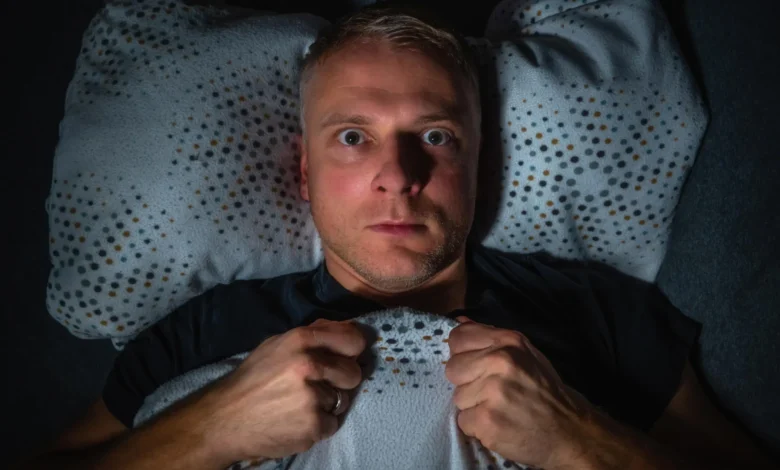
Post-traumatic stress disorder (PTSD) remains one of the most complex psychological conditions to manage in contemporary clinical psychiatry, with symptoms frequently resisting standard pharmacological interventions. Among the most debilitating manifestations of the disorder are recurring, vivid trauma-related nightmares that plunge patients back into life-threatening events night after night. This chronic sleep disruption not only causes severe exhaustion and sleep deprivation but also induces a pervasive fear of going to bed, significantly compounding the psychological toll on affected individuals. Conventional treatments, including standard antidepressants and blood-pressure-lowering agents, often fail to adequately alleviate these nocturnal episodes. However, a landmark clinical study conducted by researchers at Charité – Universitätsmedizin Berlin has uncovered a potential breakthrough. Published in the prestigious scientific journal Nature Medicine, the research demonstrates that a prescription drug containing tetrahydrocannabinol (THC)—the primary psychoactive compound found in cannabis—substantially reduces trauma-related nightmares, offering renewed hope for patients who have found little relief through traditional therapies.
The Scale of the Crisis: Understanding the Burden of PTSD Nightmares
To fully appreciate the significance of the recent clinical trial, medical experts emphasize the profound difficulty of treating PTSD-related sleep disturbances. When an individual experiences or witnesses a catastrophic event—such as a natural disaster, severe combat, violent assault, or a major accident—the human brain can struggle to properly integrate and process the overwhelming sensory and emotional data. Consequently, traumatic memories are often stored abnormally, leaving them susceptible to involuntary retrieval without conscious control.
This malfunction of memory processing manifests during waking hours as intrusive thoughts and flashbacks, but it frequently intensifies during sleep. During the rapid eye movement (REM) sleep phase, when the brain typically processes emotional experiences and regulates stress, individuals with PTSD often experience terrifying replay loops of their trauma. They awaken in a state of panic, soaked in sweat, and suffering from heightened physiological arousal. Over time, this chronic cycle erodes physical health, exacerbates daytime anxiety, and leaves patients deeply resistant to standard interventions.
In Germany and many other jurisdictions, no specific pharmaceutical agent has historically been approved exclusively for the treatment of trauma-related nightmares. While clinicians regularly prescribe selective serotonin reuptake inhibitors (SSRIs) or off-label medications, their efficacy regarding nocturnal symptoms is notoriously limited. This therapeutic gap drove Professor Stefan Röpke and his investigative team at the Department of Psychiatry and Neurosciences on the Benjamin Franklin Campus of Charité to explore alternative neurological pathways, leading them directly to the human endocannabinoid system.
The Pharmacological Mechanism: How THC Targets Nightmares
The human endocannabinoid system plays a critical regulatory role in maintaining internal homeostasis, managing stress responses, modulating sleep architecture, and processing emotional memories. Because THC interacts directly with cannabinoid receptors within this system, researchers hypothesized that it could artificially stabilize the neural circuits hijacked by trauma.
Professor Röpke elaborates on the underlying neurobiological processes: "There is evidence suggesting that during REM sleep—the intense dream phases in which the brain processes experiences and regulates emotions—THC reduces dream activity and thereby alleviates nocturnal stress responses." By dampening the hyperactive signaling pathways responsible for vivid, distressing dream states, the compound effectively acts as a pharmacological buffer, interrupting the repeated nocturnal reliving of traumatic incidents.
This scientific exploration coincided with a shifting legal and medical landscape regarding cannabinoid-based therapies. Following the implementation of Germany’s landmark "Cannabis for medical purposes" legislative framework in 2017, the medical and scientific utilization of plant-derived and synthetic cannabinoids expanded significantly. This legislative shift paved the way for rigorous, controlled clinical investigations into substances like Dronabinol—a pharmaceutical-grade prescription medication containing pure THC administered via oral drops.
Chronology and Methodology of the Clinical Trial
The journey toward validating THC as a treatment for PTSD-related nightmares involved meticulous planning and adherence to the highest standards of clinical research. Charité initiated and led the multi-center trial in close collaboration with esteemed institutions, including the Psychiatric University Clinic of the Charité at St. Hedwig Hospital, the University Medical Center Hamburg-Eppendorf, and the Central Institute for Mental Health in Mannheim, with additional support from the pharmaceutical company Bionorica SE.
The trial was structured as a randomized, double-blind, placebo-controlled study, widely recognized by the global medical community as the gold standard for evaluating therapeutic efficacy. Over the course of the recruitment phase, the research team enrolled more than 170 adult participants who had formally been diagnosed with PTSD and who suffered from frequent, severe, and treatment-resistant nightmares.
Over a strict ten-week observation period, trial participants were randomly assigned to receive either active Dronabinol drops or a visually identical, cannabis-flavored placebo. Both patients and healthcare providers remained blinded to the treatment allocations throughout the entire duration of the study to eliminate subjective bias. Participants administered their respective evening drops shortly before retiring for sleep, allowing researchers to monitor the immediate nocturnal effects of the compound.
Empirical Findings: Quantifying the Relief
At the conclusion of the ten-week intervention period, the clinical data revealed a statistically significant divergence between the treatment cohort and the control group. Utilizing a standardized clinical rating scale ranging from zero to eight, researchers measured the baseline versus post-treatment nightmare burden for every participant.
The results demonstrated that nightmare severity dropped by an average of 3.7 points among participants in the Dronabinol group. By contrast, individuals in the placebo group experienced an average reduction of 2.2 points. While a numerical reduction may appear modest on paper, the practical implications for patients were transformative.
More than one-third of the patients treated with Dronabinol reported that their nightmares had vanished entirely by the end of the study. Furthermore, an additional 21 percent of participants in the active treatment group noted that their overall nightmare burden had been reduced by at least half. When surveyed about their general well-being, approximately five out of every six patients receiving Dronabinol reported a marked improvement in their overall health and quality of life.
Side Effect Profile and Safety Observations
A critical concern for clinicians prescribing cannabinoid-based medications relates to potential psychoactive side effects, abuse potential, and physical dependence. The Charité research team closely monitored participants for adverse reactions and withdrawal symptoms.
The findings offer reassurance regarding the safety profile of Dronabinol when administered under medical supervision for this specific indication. No severe adverse events were documented throughout the trial. While some mild to moderate side effects—such as transient dizziness, headaches, and increased appetite—occurred at a higher frequency among those receiving the active drug, these symptoms were generally well-tolerated by patients.
Importantly, the researchers observed no signs of physical dependence or withdrawal symptoms when participants abruptly ceased taking their evening doses at the conclusion of the ten-week trial. However, the data also indicated that the cannabinoid’s therapeutic impact was primarily localized to sleep and nocturnal symptoms. The investigators were unable to establish a statistically significant reduction in the overall severity of general PTSD symptoms or concurrent clinical depression, suggesting that Dronabinol acts as a targeted intervention for sleep architecture rather than a comprehensive cure for the entirety of post-traumatic stress disorder.
Broader Implications and Future Research Directions
The publication of these findings in Nature Medicine marks a significant milestone in psychopharmacology and the medical use of cannabinoids. By offering a viable treatment option for a symptom that has historically defied standard medical intervention, this research opens new avenues for clinical practice.
Medical professionals note that mitigating severe nightmares can create a foundational stability for patients, allowing them to engage more effectively in trauma-focused psychotherapy without the compounding exhaustion of chronic sleep deprivation. Nevertheless, experts emphasize that further investigation is required before these findings translate into widespread clinical guidelines.
Looking ahead, research teams are preparing subsequent phases of clinical study. Future trials will aim to evaluate the long-term safety and sustained efficacy of Dronabinol over extended treatment periods spanning several months or years. Additionally, scientists intend to investigate whether patients develop a physiological tolerance to the compound over time, which could potentially diminish its therapeutic impact. As these studies progress, the medical community moves closer to integrating targeted cannabinoid therapies into standard psychiatric care, offering renewed hope for individuals burdened by the invisible wounds of trauma.