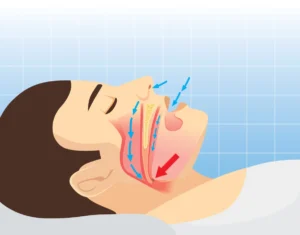
The landscape of sleep medicine is undergoing a significant digital transformation, characterized by a shift toward personalized, clinician-directed care. AIOMEGA, a medical technology firm at the intersection of sleep health and digital engineering, has officially launched its AIO-Rx SMART-Rx clinical guidance system. This platform is designed to serve as a bridge between diagnostic assessment and the fabrication of custom oral appliances, providing a standardized yet adaptable framework for practitioners managing obstructive sleep apnea (OSA) and related airway disorders.
Bridging the Gap in Airway Therapy
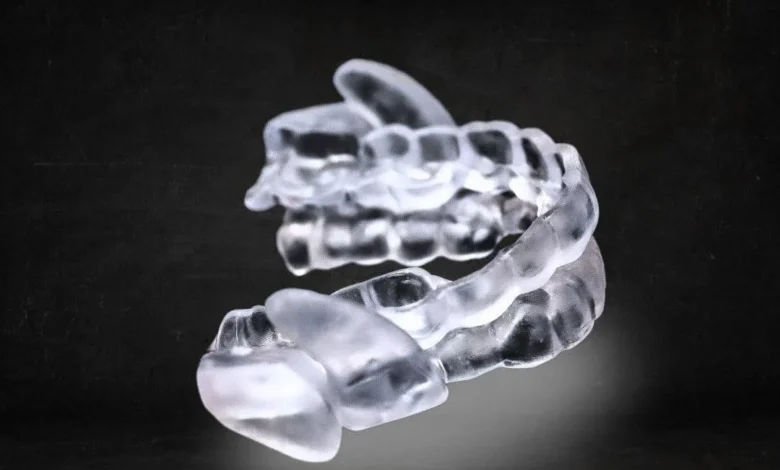
For years, the prescription and management of mandibular repositioning devices (MRDs) have relied heavily on the individual expertise of dental sleep medicine specialists. While highly effective when properly fitted, the process often lacked a unified digital protocol, leading to variability in outcomes. The introduction of the AIO-Rx SMART-Rx system seeks to mitigate this by offering a fully digital pathway that integrates seamlessly with the company’s existing infrastructure, including the AIO Breathe oral appliances and the AIOMEGA mobile application.
The system is engineered to support a diverse patient demographic. For pediatric patients aged 6 to 17, the platform employs a growth-responsive workflow that accounts for the ongoing craniofacial development essential to long-term airway health. For adult patients, the system maintains a unified, evidence-based approach, ensuring that treatment parameters remain consistent even as the patient’s clinical needs evolve over time.
The Anatomy of the SMART-Rx and AIO-Rx System
The functionality of the new guidance system is split into two primary components, each serving a distinct phase of the clinical workflow.
SMART-Rx acts as the analytical backbone of the platform. It provides a structured framework that allows clinicians to systematically organize, interpret, and document airway-related findings. By leveraging the biomechanical specifications of the AIOMEGA device family, the software enables practitioners to visualize how specific adjustments will interact with the patient’s unique anatomy. This includes evaluating the baseline physiological data necessary to determine the optimal mandibular position for effective airway stabilization.
Once the assessment is complete, the AIO-Rx component converts these findings into a "prescription-ready" state. This tool maps the clinical assessment directly onto the geometry of the AIOMEGA device, translating complex anatomical measurements into actionable fabrication parameters. During the records phase, the clinician input—which includes precise bite registrations, dental arch dimensions, and specific mandibular plateau geometries—is funneled into the digital model. This ensures that the manufactured appliance is a high-fidelity replica of the clinician’s intended treatment plan, reducing the need for manual adjustments after delivery.
Clinical Context and Institutional Philosophy
The development of this platform is rooted in the extensive clinical background of AIOMEGA’s founder, Raghavendra V. Ghuge, MD, DABSM, FAASM, MBA. With over two decades of experience as a dual-boarded sleep physician, Dr. Ghuge has long advocated for a more integrated approach to sleep medicine. His philosophy centers on the idea that technology should not replace the physician but rather empower them to make more informed, data-driven decisions.
The design of the AIO-Rx system explicitly adheres to this "clinician-in-the-loop" model. The system is intentionally built to avoid automation that could bypass professional judgment. It does not attempt to diagnose sleep disorders, predict specific patient outcomes, or independently modify treatment plans. Instead, it serves as a digital assistant that ensures the data collected during the clinical exam is utilized with maximum precision, leaving the final therapeutic authority firmly in the hands of the physician or dentist.
The Growing Burden of Pediatric Sleep Disordered Breathing
The decision to include a dedicated pediatric workflow within the AIOMEGA platform reflects a growing awareness of the prevalence of sleep-disordered breathing in children. Recent studies suggest that pediatric obstructive sleep apnea affects between 1% and 5% of children, often linked to enlarged tonsils, adenoids, or craniofacial abnormalities. If left untreated, these conditions can lead to behavioral issues, poor academic performance, and long-term cardiovascular stress.
By providing a growth-responsive framework, AIOMEGA addresses a critical gap in the market. Traditional oral appliances for adults are often static; however, pediatric patients require devices that can accommodate changes in tooth eruption and jaw size. The AIOMEGA system’s ability to guide the clinician through these developmental stages is a significant advancement in non-surgical pediatric airway management.
Implications for the Future of Sleep Medicine
The release of this clinical guidance system marks a pivot toward the "digitization of the airway." In the broader context of healthcare, this represents a shift away from the traditional, analog-heavy workflows of dental sleep medicine toward a more connected care ecosystem.
The integration of a mobile application with a clinical prescription platform suggests that AIOMEGA is preparing for a future where patient compliance and progress are monitored in real-time. By connecting the patient’s app data with the clinician’s prescription platform, the system could eventually facilitate a continuous feedback loop. If a patient experiences a change in sleep quality or comfort, the clinician can theoretically refer back to the original digital model generated by AIO-Rx to determine if an adjustment to the mandibular plateau or device geometry is necessary.
Analyzing the Competitive Landscape
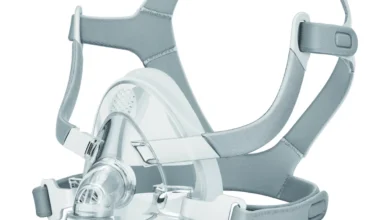
The sleep medicine market is currently crowded with various therapeutic devices, ranging from continuous positive airway pressure (CPAP) machines to a wide array of oral appliances. The primary challenge for clinicians has never been a lack of device options, but rather the difficulty in achieving consistent results across different patient populations.
AIOMEGA’s strategy of bundling software guidance with hardware fabrication positions the company as a "solutions provider" rather than just a medical device manufacturer. This vertical integration allows for tighter quality control. When the clinical guidance system and the physical device are designed by the same entity, the probability of "fabrication drift"—where the final product deviates from the clinician’s specifications—is significantly reduced.
Challenges and Future Outlook
Despite the promise of digital workflows, the adoption of such systems faces hurdles, including the need for specialized training and the integration of new software into existing electronic health record (EHR) systems. Furthermore, the regulatory environment for digital health platforms is increasingly rigorous. AIOMEGA’s emphasis on the "clinician-directed" nature of the system is likely a strategic choice to align with FDA expectations, ensuring that the platform remains categorized as a supportive clinical tool rather than a diagnostic device.
As the industry looks toward the next five years, the focus will likely remain on patient-specific optimization. With the launch of AIO-Rx SMART-Rx, AIOMEGA has set a new standard for how clinical data can be structured and utilized. By standardizing the "how-to" of airway therapy while preserving the "why-to" of clinical decision-making, the company is attempting to standardize the outcomes of oral appliance therapy in an increasingly data-driven medical landscape.
The success of this system will be measured by its adoption rate among sleep physicians and dentists, and more importantly, by the long-term health outcomes of the patients treated through this digital pathway. For now, the system stands as a testament to the ongoing evolution of sleep medicine, moving away from "one-size-fits-all" approaches toward a precise, geometry-based understanding of the human airway.