Long-Term Tadalafil Use for Prostate Symptoms Linked to Higher Glaucoma Risk, Major Study Finds

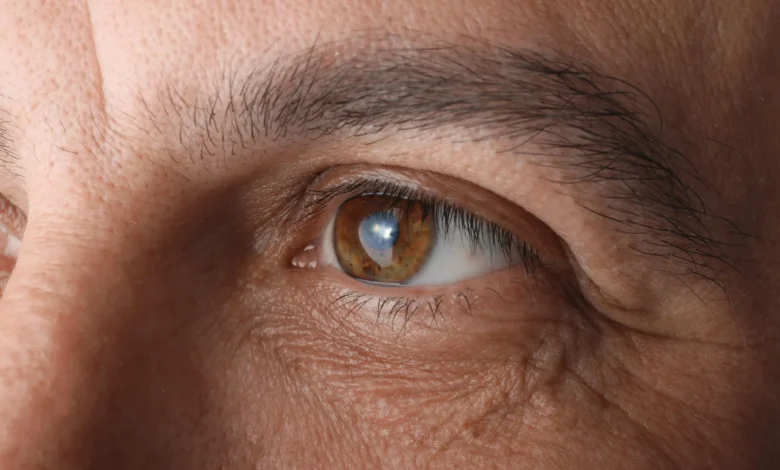
Millions of men worldwide rely on phosphodiesterase type 5 inhibitors (PDE5i) to manage common health conditions, trusting these widely prescribed medications for both erectile dysfunction and urinary symptoms stemming from benign prostatic hyperplasia, commonly known as an enlarged prostate. While these drugs have transformed the landscape of men’s health since the late 1990s, a growing body of scientific inquiry continues to probe their long-term physiological side effects. Now, a sweeping new comparative study published online in the British Journal of Ophthalmology has added a significant piece to this medical puzzle, indicating that extended daily use of the long-acting PDE5i medication tadalafil—widely recognized under the brand name Cialis—may be associated with an elevated risk of developing glaucoma and related ocular conditions.
The investigation, which analyzed health data from nearly 74,000 male patients, does not suggest that patients should immediately discontinue their prescriptions. However, it strongly underscores the importance of proactive eye health monitoring, particularly for individuals who already exhibit known risk factors for vision loss. As medical professionals digest the implications of these findings, the study is expected to spark renewed dialogue between urologists, primary care physicians, and ophthalmologists regarding how best to coordinate patient care for aging men undergoing chronic pharmaceutical therapy.
Background and Context of PDE5 Inhibitors in Modern Medicine
To understand the weight of these recent findings, it is necessary to examine the history and pharmacological profile of PDE5 inhibitors. Introduced to the global market in the late 20th century with the launch of sildenafil, marketed as Viagra, this class of drugs revolutionized the treatment of erectile dysfunction by enhancing smooth muscle relaxation and increasing blood flow to specific regions of the body. Shortly thereafter, researchers discovered that these medications also offered substantial relief for lower urinary tract symptoms (LUTS) associated with an enlarged prostate, a condition that affects a vast majority of aging men.
While sildenafil is typically taken on an as-needed basis, tadalafil gained widespread clinical favor for its exceptionally long half-life—lasting up to 36 hours. Because of this prolonged duration of action, clinical guidelines frequently endorse daily, low-dose regimens of tadalafil for men seeking continuous relief from urinary obstruction, nocturia, and weak urinary streams caused by benign prostatic hyperplasia. This daily dosing schedule means that patients often take the medication continuously for months, years, or even decades.
Despite their proven efficacy, the chronic, sustained use of PDE5 inhibitors has prompted ongoing safety surveillance. Over the years, prior research has occasionally connected this drug class with various ocular complications, including non-arteritic anterior ischemic optic neuropathy—a condition characterized by reduced blood flow to the optic nerve—as well as central serous chorioretinopathy, which affects the macula, the specialized region of the retina responsible for sharp central vision. Yet, despite these documented links, the specific relationship between long-term tadalafil therapy and glaucoma had remained inconsistent and poorly understood in clinical literature.
Methodology: Analyzing Nearly 74,000 Patient Records
To bridge this critical knowledge gap, a dedicated research team undertook a massive retrospective cohort study utilizing anonymized real-world health data sourced from the TriNetX Analytics Network, a robust global collaborative health research platform. The primary objective was to determine whether chronic exposure to tadalafil for lower urinary tract symptoms elevated the incidence of glaucoma and ocular hypertension over a five-year observation window.
The study population comprised 73,854 male patients aged 40 and older, divided evenly into two distinct analytical cohorts between January 2012 and December 2022. The first cohort consisted of men who had been formally prescribed tadalafil or alternative PDE5i medications for up to five years to manage their urinary symptoms. The control cohort consisted of demographically and clinically comparable men who had never been prescribed these medications.
To ensure the integrity of the comparative analysis and to eliminate potential confounding variables that could skew the results, the researchers meticulously matched the two groups across a wide spectrum of health and lifestyle factors. Propensity score matching accounted for patient age, racial and ethnic background, smoking history, alcohol-related disorders, concurrent prescription drug regimens, and a broad array of underlying medical comorbidities. These co-existing health conditions included cardiovascular disease, type 2 diabetes mellitus, active cancer diagnoses, hypercholesterolemia, chronic kidney disease, obesity, and chronic obstructive pulmonary disease (COPD).
By establishing such a rigorously controlled baseline, the research team sought to isolate the potential physiological impact of the medication itself from the background health risks naturally present in an aging male demographic.
Key Findings: A 22% Increase in Glaucoma Risk
Upon analyzing the matched health records over the five-year tracking period, the researchers uncovered a statistically significant correlation between long-term tadalafil consumption and the onset of specific eye conditions.
According to the data, men who were prescribed tadalafil exhibited a 22 percent higher likelihood of developing glaucoma compared to their untreated counterparts. Furthermore, the analysis revealed elevated risks for several closely related ocular disorders. Ocular hypertension—a condition characterized by abnormally high pressure inside the eye, which serves as a primary precursor to optic nerve damage—was found to be 32 percent more common among the medication group.
Primary open-angle glaucoma, which represents the most prevalent form of the disease globally and typically progresses silently without early warning signs, showed a 33 percent increase in incidence among tadalafil users. Consequently, patients in this group were also 33 percent more likely to initiate formal medical treatment for glaucoma during the study timeframe.
Sub-group analyses demonstrated that these associations remained remarkably consistent across specific demographics. The elevated risk pattern persisted among patients aged 50 and older, White participants, and individuals presenting with multiple underlying medical conditions accounted for in the initial matching process. Interestingly, the elevated risk associations were observable even among patients who developed glaucoma within relatively short intervals—such as one, three, or six months—following the initiation of tadalafil therapy.
Understanding Study Limitations and the Causation Debate
In light of these findings, the study authors have exercised commendable scientific caution, emphasizing that their observational research design cannot definitively establish cause and effect. While the data successfully highlights a clear statistical association between long-term tadalafil use and an increased risk of glaucoma, observational studies inherently lack the capacity to prove that the medication directly triggers the disease on a physiological level.
Furthermore, the researchers acknowledged several inherent limitations within their methodology. Because the investigation relied on electronic health record databases, the team could not independently verify whether patients strictly adhered to their daily prescription regimens, nor could they completely account for fluctuating prescription patterns or lifestyle changes over the multi-year study period. Additionally, the vast majority of study participants were of Caucasian descent, meaning that the conclusions may not be directly generalizable to men from diverse ethnic and racial backgrounds.
Despite these limitations, the authors argue that the magnitude and consistency of the data warrant serious attention from the medical community. In their published commentary, the researchers noted that these findings suggest chronic PDE5 inhibition may indeed influence ocular physiology, thereby justifying further mechanistic laboratory and clinical investigations into how sustained vasodilation and vascular regulation impact intraocular pressure and optic nerve health.
Medical Consensus: Monitoring, Not Discontinuation
Crucially, leading specialists and the study authors themselves are not advising patients to panic or abruptly stop taking tadalafil. For countless men, the medication provides essential relief from the debilitating symptoms of an enlarged prostate, significantly improving their daily quality of life and preventing severe urinary tract complications.
Instead, the medical community is interpreting the study as a valuable clinical reminder of the interconnected nature of systemic and ocular health. Physicians suggest that men who require long-term, continuous PDE5i therapy should undergo baseline ophthalmic evaluations and establish routine follow-up schedules with an optometrist or ophthalmologist.
This proactive monitoring approach is considered doubly vital for individuals who already carry established risk factors for vision loss. These pre-existing vulnerabilities include a confirmed family history of glaucoma, pre-existing ocular hypertension, high myopia (severe short-sightedness), or concurrent cardiovascular and metabolic disorders that independently compromise vascular health.
Implications for Clinical Practice and Future Research
As healthcare providers digest the implications of this comprehensive study, clinical practices are expected to gradually adapt to incorporate more integrated patient care strategies. Urologists prescribing daily tadalafil for benign prostatic hyperplasia may increasingly coordinate with eye care professionals, ensuring that patients embarking on multi-year pharmaceutical regimens are adequately screened for early signs of intraocular pressure elevation and optic nerve stress.
Looking ahead, the scientific community faces the task of conducting prospective, randomized clinical trials to further dissect the biological pathways linking phosphodiesterase type 5 inhibitors to intraocular fluid dynamics. Until such definitive trials are completed, the current study stands as an important guidepost for personalized medicine—striking a delicate balance between effectively managing the quality of life associated with prostate health and safeguarding the long-term vision of aging populations.