The Hidden Crisis of Weight Stigmatization: How Systemic Bias Pervades Society, Education, and Healthcare

Weight bias and discrimination remain among the most pervasive yet socially acceptable forms of prejudice in modern society. Often described by sociologists and public health advocates as the last socially tolerated form of bigotry, weight stigmatization impacts millions of individuals across virtually every domain of daily life. From interpersonal interactions and employment opportunities to educational environments and professional healthcare settings, the systemic devaluation of individuals based on body size represents a critical public health crisis. Recent findings from psychological research, historical tracking studies, and medical literature reveal that this prejudice is not only deeply entrenched from a very young age but is actively worsening, carrying severe implications for physical and mental well-being.
The Daily Reality of Weight Stigmatization
The lived experience of individuals with higher body weights involves a constant backdrop of microaggressions, structural barriers, and outright discrimination. Research utilizing daily tracking methods paints a stark picture of the frequency of these encounters. In one notable study, overweight women asked to log their daily experiences of stigmatization recorded more than a thousand instances over the course of a single week. On average, an overweight woman encounters harassment—ranging from derogatory name-calling and verbal insults to physical architectural barriers, such as inadequate public seating, and compromised service in commercial establishments—approximately three times daily. While men of the same body size report lower frequencies of such overt discrimination, experiencing roughly a third of the volume reported by women, the cumulative psychological toll remains substantial.
Empirical investigations into employment practices further validate these experiences. Controlled studies utilizing professional actors outfitted with theatrical prostheses to simulate an overweight appearance demonstrate that candidates face significantly higher rates of hiring bias when perceived as heavy compared to when presenting at a standard weight. This professional prejudice disproportionately targets women, illustrating a compound effect where gender and weight bias intersect to limit socioeconomic mobility.
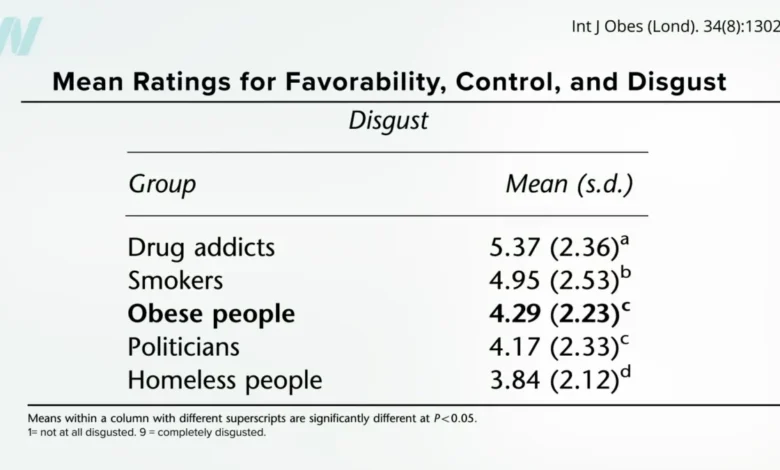
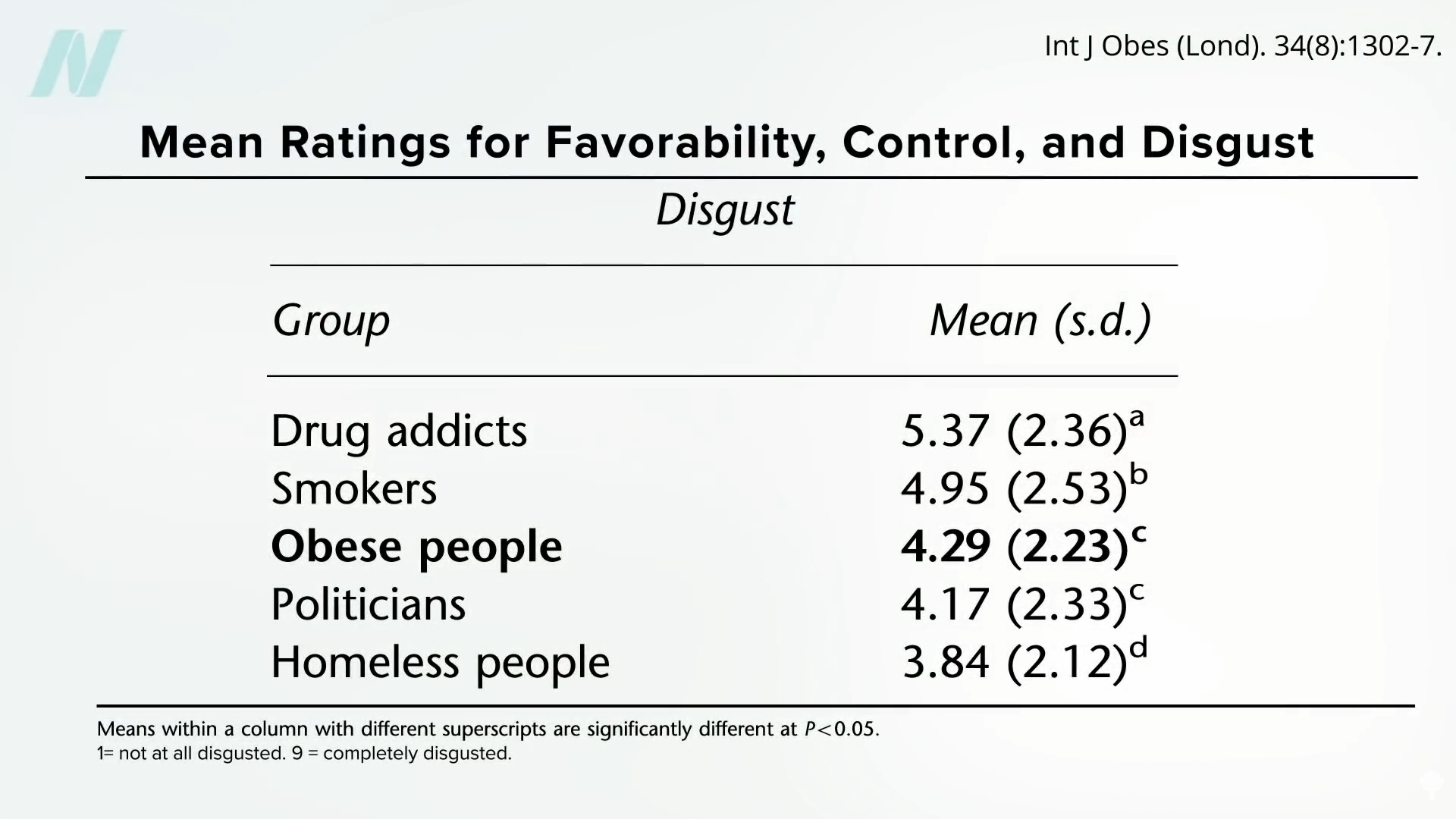
Sociological surveys comparing public attitudes across multiple marginalized and stigmatized social groups consistently rank obesity near the bottom of social acceptability. When researchers evaluated public perceptions of 16 different stigmatized groups—including individuals experiencing homelessness—obesity was frequently viewed with levels of aversion comparable only to substance use disorders and smoking. In certain comparative metrics, respondents rated individuals with obesity as eliciting levels of social disgust on par with public perceptions of politicians, highlighting a profound cultural failure of empathy and understanding.
Chronology and Evolution of Childhood Bias
The roots of weight bias are established remarkably early in life, setting a trajectory of exclusion that can persist for decades. Developmental psychology studies indicate that children as young as three years old begin to assign negative personality traits to overweight peers, utilizing descriptors such as "mean," "stupid," "lazy," and "ugly." As children age into middle childhood and adolescence, the frequency and severity of this derogatory language escalate.
This phenomenon is captured by longitudinal and historical social research. A landmark study published in 1961 evaluated children across diverse cultural, geographic, and socioeconomic backgrounds in California, Montana, and New York. Participants were presented with images of children with various conditions—including those using crutches, leg braces, or wheelchairs, children missing a hand, children with facial disfigurements, and an obese child—and asked to rank their preferences. Across every demographic tested, the results displayed remarkable uniformity: the obese child was consistently ranked last.
Four decades later, in 2003, researchers published a critical follow-up study ominously titled "Getting Worse: The Stigmatization of Obese Children." When the original 1961 experiment was replicated, the findings revealed that the social standing of the obese child had deteriorated even further; the participants in the 2003 cohort liked the obese child even less than their historical counterparts. This widening empathy gap mirrors broader societal tracking data, which indicate a nearly 70 percent increase in perceived weight discrimination reported in national surveys since the mid-1990s.
Institutional environments that should serve as safe havens often reinforce these prejudices. Surveys of educators and school personnel reveal that more than a quarter of respondents view the development of obesity as "one of the worst things that could happen to a person." Familial dynamics are not immune; research demonstrates instances where parents offer reduced financial and emotional support for higher-weight daughters seeking higher education compared to their thinner siblings, showcasing a profound betrayal of the foundational support systems expected within families.
Systemic Prejudice within the Healthcare Sector
Perhaps the most alarming manifestation of weight bias occurs within the medical community, where prejudiced attitudes directly impede patient care and exacerbate health disparities. Representatives from national health surveys have documented that over half of surveyed physicians view patients with obesity as "awkward, unattractive, ugly, and noncompliant." Furthermore, approximately a quarter of surveyed nurses have agreed or strongly agreed with statements expressing personal repulsion toward caring for patients with higher body weights.
This entrenched antagonism translates directly into compromised medical outcomes. Patients with obesity—particularly women, who face elevated risks for specific malignancies such as cervical, endometrial, and ovarian cancers—routinely experience barriers to essential preventative screenings. For instance, data indicates that morbidly obese patients have roughly half the statistical odds of receiving recommended pelvic examinations compared to thinner peers. While patient avoidance accounts for a portion of this deficit, structural rejection by medical providers is a documented reality. Regional surveys of obstetrics and gynecology practices, such as an audit conducted by the Sun Sentinel in South Florida, revealed that as many as one in seven practices enforced strict weight cut-offs for new patients—refusing to see women above a specific threshold, such as 200 pounds.
Even when patients successfully access care, the quality of interaction is frequently degraded. Experimental studies using randomized medical charts demonstrate that physicians allocate approximately 28 percent less time to patients presented as obese compared to identical profiles presented at average weights. Audio and video recordings of actual clinical encounters reveal that physicians tend to build significantly less emotional rapport with overweight and obese patients.
Paradoxically, even obesity specialists have shown increasing explicit anti-fat attitudes in longitudinal surveys conducted between 2001 and 2013, occasionally describing patients with higher body weights in terms that align with derogatory stereotypes of laziness and lack of discipline. Historical precedents in medical literature further illustrate the normalisation of this disdain, exemplified by historical texts in publications such as the Annals of Internal Medicine describing obesity through aesthetic and derogatory terminology.
Broader Implications and Future Outlook
The persistence of systemic weight bias across societal institutions demands an urgent reevaluation of public health campaigns, educational curricula, and medical training protocols. Although some studies suggest that patients often overestimate the respect of their physicians—reporting general satisfaction with providers despite underlying clinical bias—this disconnect highlights a superficial tolerance that fails to address the root causes of healthcare disparities.
Public health analysts emphasize that weight stigma does not motivate individuals to adopt healthier lifestyles; rather, it induces chronic psychological stress, promotes healthcare avoidance, and directly contributes to worsening morbidity and mortality rates. Addressing this pervasive prejudice requires dismantling systemic stereotypes, integrating comprehensive bias training into medical and educational institutions, and redefining the cultural discourse surrounding body size to center human dignity, equity, and evidence-based medicine.