Unlocking Better Health: How Modern Sedentary Lifestyles and Yoga Intersect to Address Hip Mobility and Chronic Pain

Chronic hip tightness has emerged as a pervasive physical ailment in the modern workforce, driven largely by extended periods of daily sitting. According to musculoskeletal health data gathered by physical therapy associations over the last decade, sedentary behavior accounts for a significant surge in lower back pain, pelvic dysfunction, and muscular imbalances among adults aged 25 to 65. When individuals spend upwards of eight to ten hours a day seated at desks, the complex architecture of the hip joint—including the primary hip flexors, gluteal complexes, and surrounding stabilizers—remains in a state of perpetual contraction. In response to this growing public health concern, medical professionals, physical therapists, and certified movement instructors are increasingly turning toward structured flexibility regimens, notably targeted yoga methodologies, to restore baseline mobility and alleviate localized pain.
Anatomy of the Hip Complex and the Impact of Sedentary Routine
To understand the physiological implications of modern sitting habits, experts look closely at the anatomical structure of the pelvis and its surrounding musculature. The hip joint serves as the primary mechanical junction connecting the upper body to the lower extremities. It bears the complete load of the torso, head, and arms while facilitating multi-directional movement, including flexion, extension, abduction, adduction, and internal and external rotation.
However, the hips do not function in isolation. The sensation of tightness typically attributed strictly to the hip joint is often the cumulative result of tension across multiple neighboring muscle groups. These include the gluteal muscles, the quadriceps (specifically the rectus femoris), the adductors along the inner thighs, the hamstrings, and the iliopsoas group. Among these, the psoas major—a deep core muscle connecting the lumbar spine and lower thoracic region to the femur—is particularly vulnerable to chronic contraction caused by prolonged chair-sitting. When left unaddressed, a shortened or tight psoas pulls on the lumbar vertebrae and pelvis, frequently resulting in compensatory lower back pain and restricted range of motion.
Evolution of Yoga as a Clinical and Therapeutic Interventions
While yoga has ancient roots spanning thousands of years, contemporary sports science and physical rehabilitation programs have increasingly integrated yogic postures into standardized physical conditioning. Over the past twenty years, clinical observations and empirical studies published in peer-reviewed physical therapy journals have highlighted the efficacy of specific asanas (poses) in lengthening tight muscle fibers, improving fascial elasticity, and recalibrating neuromuscular pathways.
In September 2026, health and wellness publications underscored the dual physical and psychological benefits of dedicated hip-opening sequences. Beyond the biomechanical relief of tension, health practitioners note that the pelvic region often acts as a physiological repository for physical stress, a concept supported by psychosomatic research linking chronic muscular holding patterns to elevated levels of psychological stress and anxiety. Consequently, targeted movement regimens designed to release the hips offer systemic benefits that extend beyond mere flexibility.
Chronology and Implementation of Therapeutic Hip-Opening Asanas
Integrating targeted movement into daily routines does not require exhaustive athletic training; rather, consistent, controlled practice yields measurable improvements in joint lubrication and muscular release. Movement specialists recommend a systematic sequence of five foundational yoga poses designed to address the hips, pelvis, and surrounding kinetic chains from multiple structural angles.
-
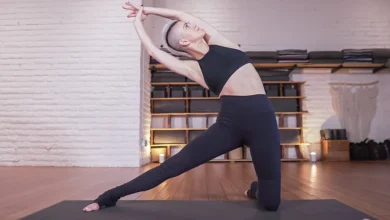
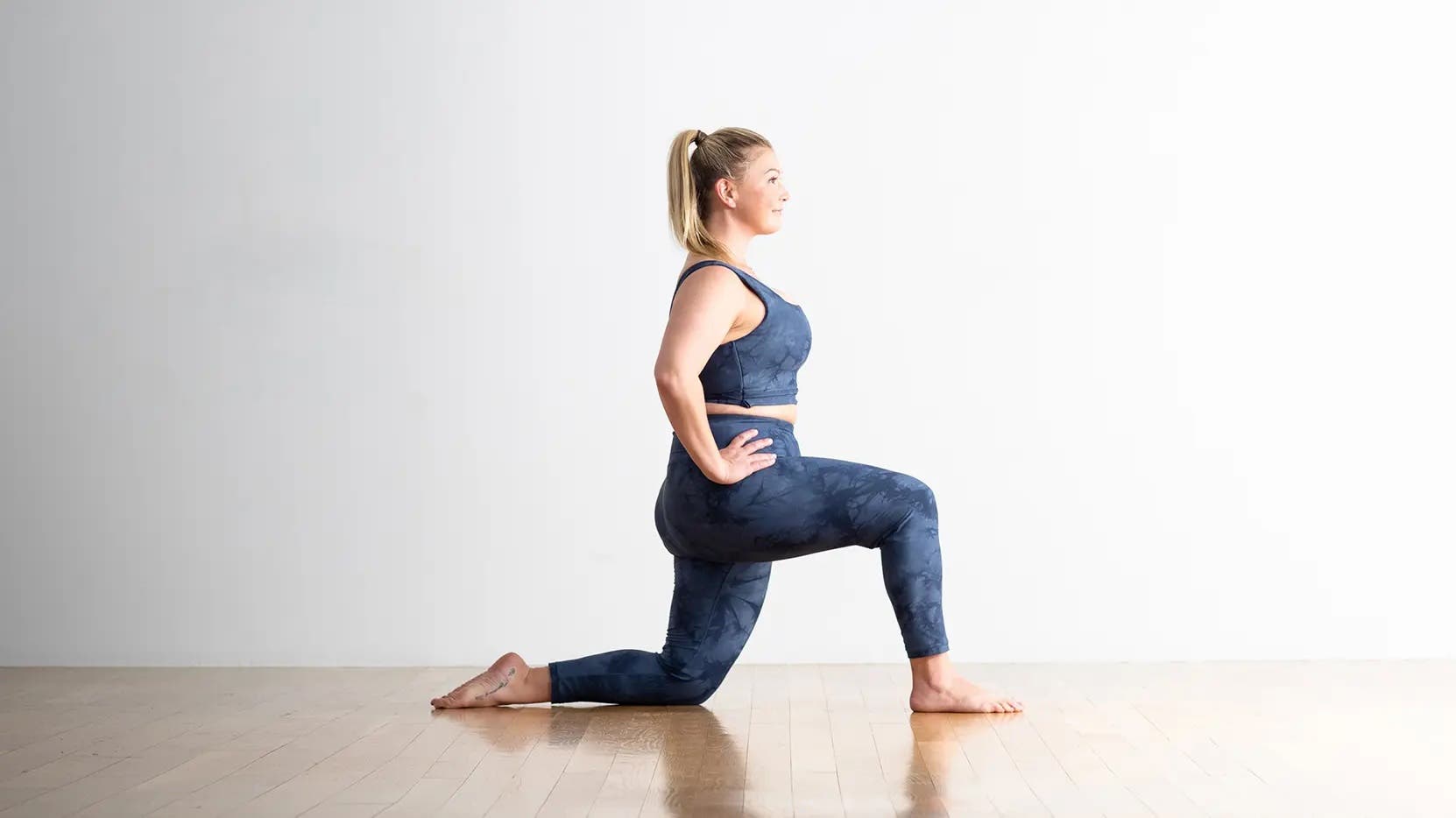
Low Lunge (Anjaneyasana)
The Low Lunge serves as a primary corrective posture for individuals suffering from psoas tightness induced by prolonged sitting. By establishing a stable base with the front foot while dropping the back knee toward the mat, practitioners elongate the hip flexors and quadriceps of the trailing leg. Simultaneously, the posture engages and strengthens the stabilizing musculature surrounding the front hip. Clinical kinesiologists note that holding this position for five to ten deliberate breath cycles encourages the nervous system to down-regulate muscle guarding, allowing for a deeper, safer release of deep-seated tension. -
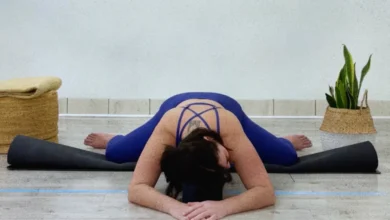
Wide-Legged Standing Forward Bend (Prasarita Padottanasana)
Addressing the posterior kinetic chain is vital for comprehensive hip mobility. The Wide-Legged Standing Forward Bend targets the hamstrings, adductors, and lower spine simultaneously. Crucially, biomechanical instructors emphasize hinging from the hip crease rather than rounding the thoracic spine. This mechanical distinction ensures that the stretch is concentrated within the hip joint and upper legs, thereby protecting the vulnerable lumbar discs while improving overall pelvic tilt and hamstring compliance.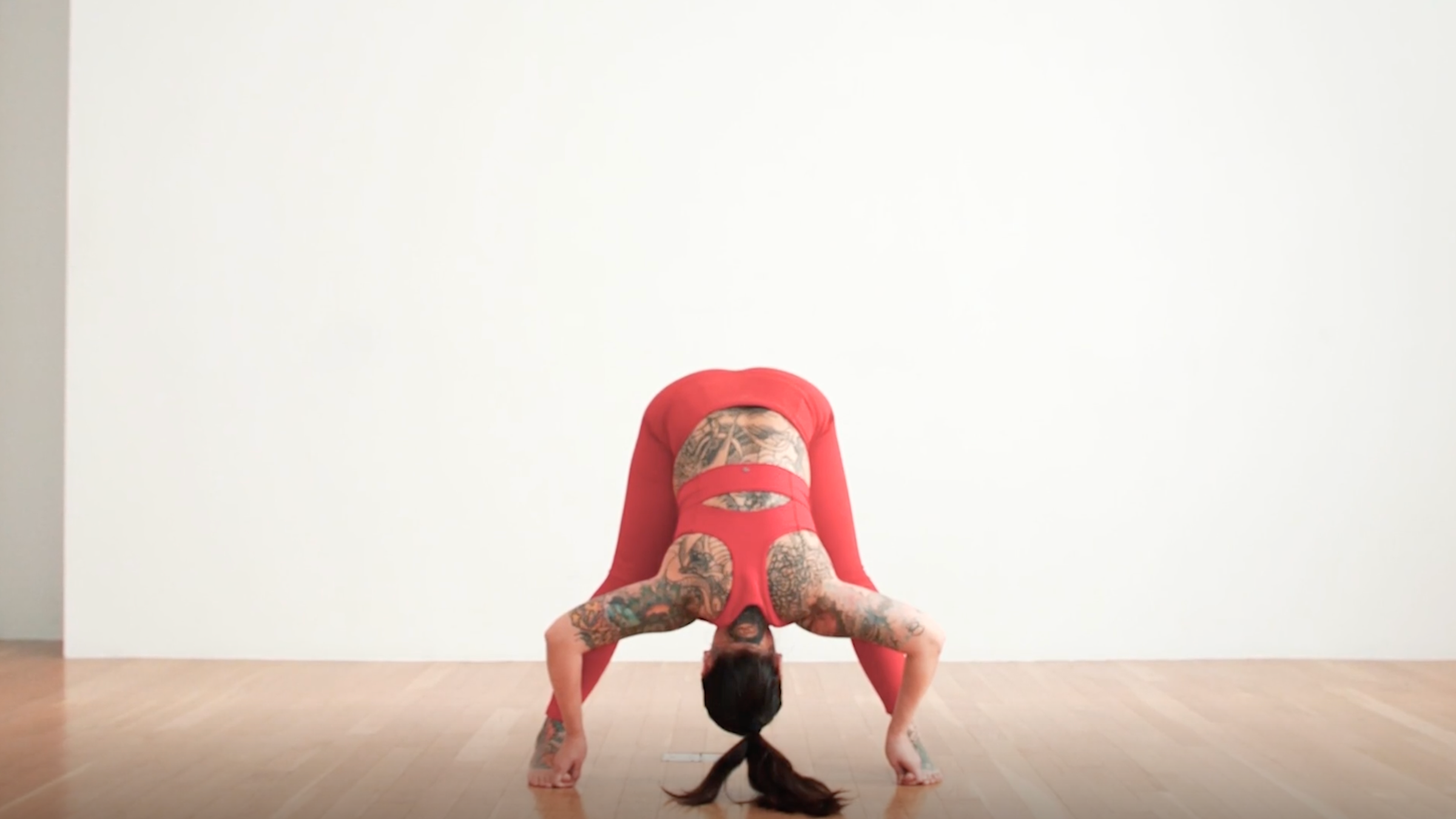
-
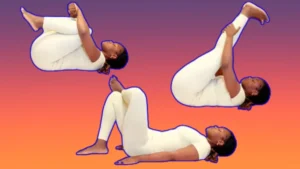
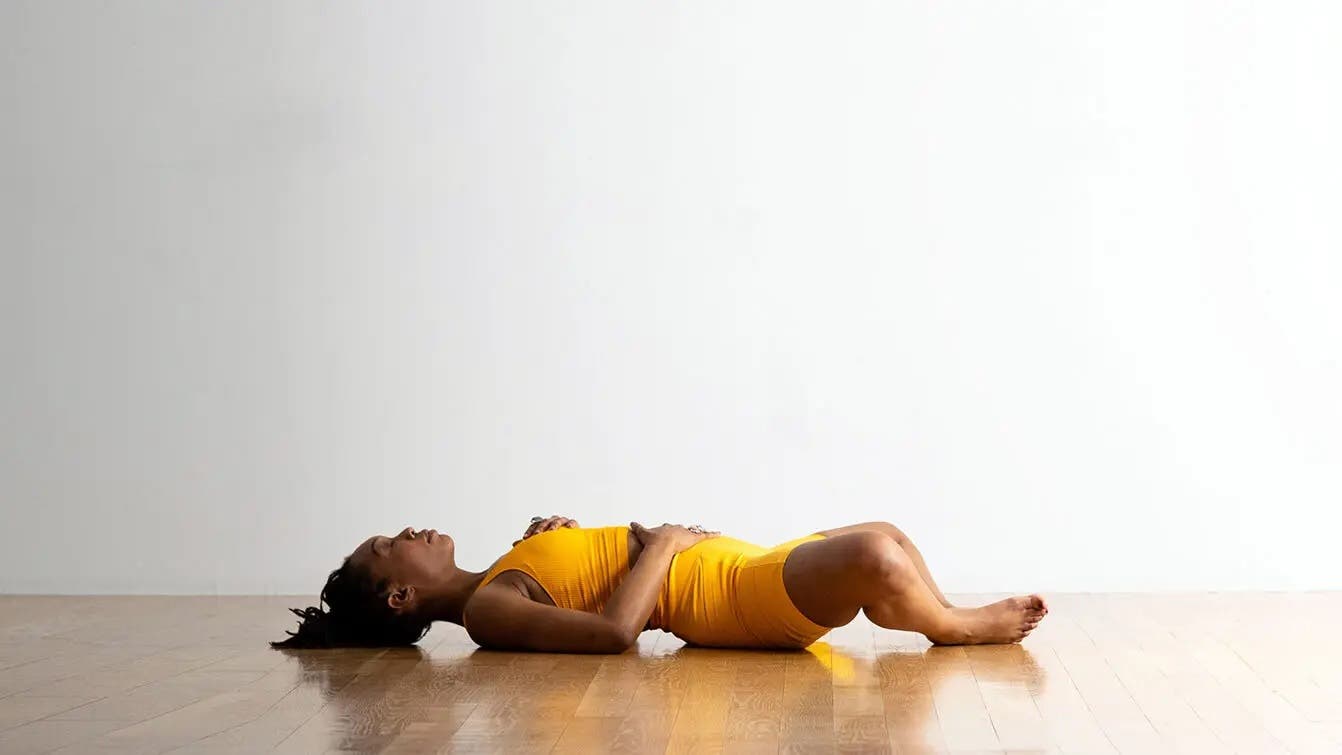
Reclining Bound Angle Pose (Supta Baddha Konasana)
For individuals experiencing acute fatigue or severe muscle guarding, restorative postures offer a low-impact pathway to mobility. Reclining Bound Angle Pose utilizes the force of gravity to gently draw the knees outward, opening the adductor muscles and internal rotators of the hip without active muscular exertion. When supported by therapeutic props such as yoga blocks, bolsters, or folded blankets placed beneath the outer thighs, the nervous system transitions from a sympathetic "fight-or-flight" state to a parasympathetic "rest-and-digest" state, facilitating profound muscular relaxation. -
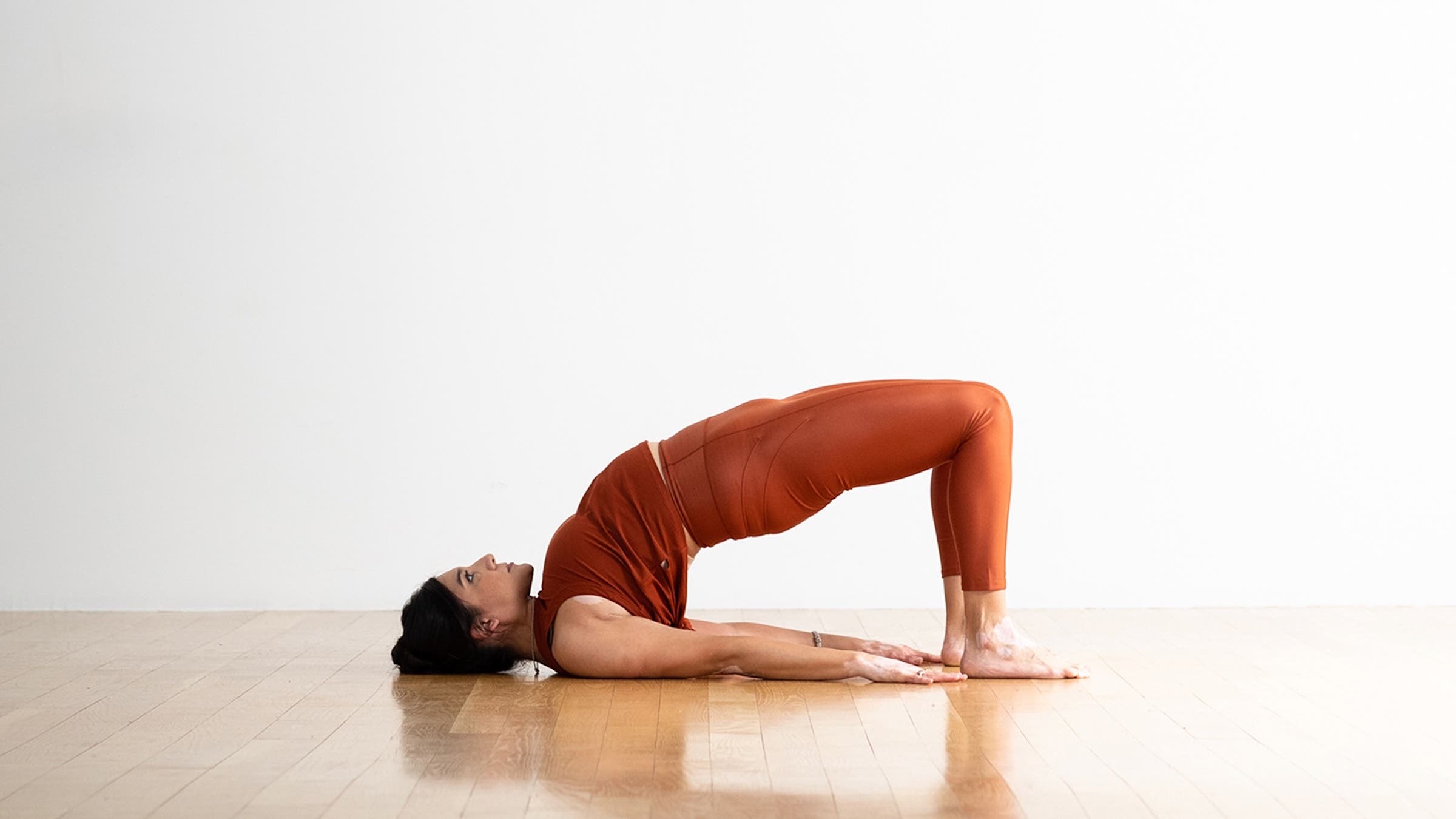
Bridge Pose (Setu Bandha Sarvangasana)
While many hip-opening routines focus exclusively on stretching, balanced joint health requires targeted strengthening. Bridge Pose engages the gluteus maximus and hamstrings while actively opening the anterior hip capsule and chest. This counteracts the physiological effects of forward-slumping postures common in desk workers. Furthermore, serving as a mild inversion, the posture assists in venous return and encourages circulatory flow throughout the pelvic basin. -
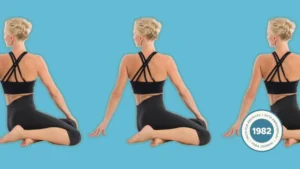
Half Lord of the Fishes (Ardha Matsyendrasana)
Spinal rotation combined with hip flexion provides a comprehensive release for the entire lower torso. Half Lord of the Fishes requires the practitioner to anchor the sit-bones while twisting the torso and engaging the outer hip and gluteal complexes. This multi-planar movement enhances rotational mobility in the thoracic and lumbar spine while simultaneously stretching the gluteus medius and piriformis muscles, which are frequently implicated in sciatic nerve irritation.
Quantitative Data and Public Health Implications
Public health data highlights the urgency of addressing sedentary lifestyle hazards. According to occupational health surveys conducted across North America and Europe, musculoskeletal disorders—specifically lower back and hip complaints—account for more than 30% of all reported chronic workplace injuries and lost productivity hours. Economists and healthcare analysts estimate that preventative physical interventions, including structured mobility breaks and guided stretching protocols during the workday, could reduce corporate healthcare expenditures related to musculoskeletal care by up to 15% annually.
Furthermore, ergonomic specialists and physical therapists advocate for systemic changes in office environments, encouraging the adoption of standing desks, active seating options, and mandatory movement intervals every sixty minutes. However, because structural changes in workspace architecture take time to implement, individual-level interventions such as daily or bi-weekly yoga practices remain the most accessible and cost-effective mechanism for mitigating the damage caused by chronic sitting.
Broader Industry and Expert Perspectives
Sports medicine physicians and certified yoga instructors generally concur that consistency supersedes intensity when addressing chronic hip restriction. Over-stretching or forcing the hip joint into extreme ranges of motion can destabilize the labrum and surrounding ligaments, leading to chronic joint laxity or injury. Consequently, professional bodies emphasize alignment, breath control, and the judicious use of supportive props to ensure safe, sustainable tissue remodeling.
As awareness surrounding preventive health continues to expand, the intersection of ancient somatic practices and modern anatomical science offers a clear roadmap for combating the physical tolls of contemporary life. By incorporating targeted hip mobility routines into everyday schedules, individuals can systematically reverse the degenerative effects of prolonged sitting, alleviate chronic pain, and restore vital functional mechanics to the body’s central anchor.