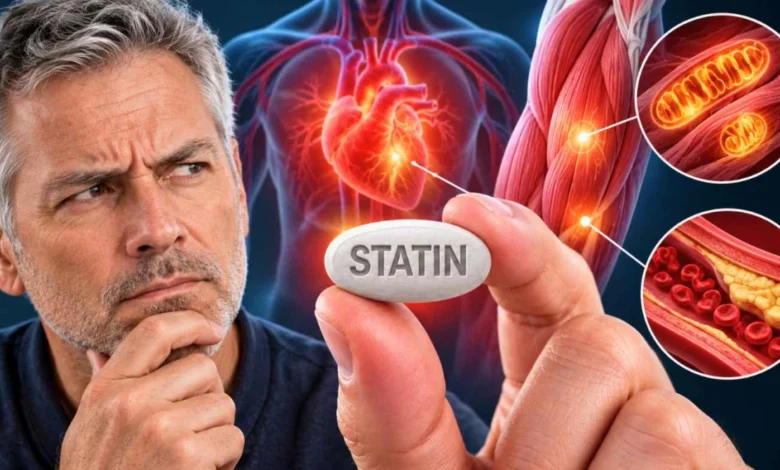
Statins, a class of medication widely utilized to lower low-density lipoprotein (LDL) cholesterol, represent one of the most frequently prescribed pharmacological interventions in modern medicine. With approximately 93 million Americans currently managing their lipid profiles through these drugs, the long-term physiological impact of chronic statin therapy has become a subject of intense scientific scrutiny. While these medications have proven highly effective in reducing the incidence of cardiovascular events in high-risk populations, the biological trade-offs associated with their long-term use—specifically regarding mitochondrial function and metabolic health—remain a vital topic for patients and clinicians alike.
The Mechanism of Action and the CoQ10 Trade-off
To understand the long-term effects of statins, one must first examine their primary mechanism of action. Statins function by inhibiting the HMG-CoA reductase enzyme, which is the rate-limiting step in the mevalonate pathway—the biological chain reaction the liver uses to produce cholesterol. However, this same pathway is responsible for the endogenous synthesis of coenzyme Q10 (CoQ10), a vital molecule located in the inner mitochondrial membrane.
CoQ10 is essential for the electron transport chain, the process by which cells generate adenosine triphosphate (ATP), the primary energy currency of the body. Because the heart and skeletal muscles possess the highest metabolic demands, they are disproportionately affected when CoQ10 levels are suppressed. Clinical observations suggest that the depletion of this nutrient may be the underlying cause of "statin-associated muscle symptoms" (SAMS), which range from mild fatigue and exercise intolerance to, in rarer cases, more severe myopathy.
A Chronology of Statin Regulation and Safety Monitoring
The widespread adoption of statins began in the late 1980s, but the understanding of their long-term side-effect profile has evolved significantly over three decades.
- 1987: The FDA approves Lovastatin, the first of its class, marking a paradigm shift in cardiovascular prevention.
- 2012: The FDA releases a major safety communication, updating labels for all statins to include warnings regarding potential cognitive side effects, such as memory loss and confusion, as well as an increased risk of elevated blood glucose levels and the development of new-onset type 2 diabetes.
- 2014-2019: Several petitions are filed with the FDA requesting "black box" warnings—the agency’s most stringent warning category—specifically regarding muscle-related injuries.
- Present Day: The FDA maintains its stance that the cardiovascular benefits of statins in appropriate patient populations outweigh the documented risks, and it has consistently declined to issue a black box warning for muscle-related symptoms, favoring labeled warnings instead.
The Nuance of Risk: Relative vs. Absolute
A critical aspect of medical communication often lost in clinical settings is the distinction between relative and absolute risk reduction. Pharmaceutical clinical trials frequently highlight relative risk, reporting that statins may reduce the likelihood of a heart attack by 25% to 35%. While mathematically accurate, this figure describes the reduction in events within a specific group compared to a placebo group.
For patients engaged in primary prevention—those who have not yet experienced a cardiovascular event—the absolute risk reduction is often much smaller. The "Number Needed to Treat" (NNT) metric indicates that a significant majority of patients prescribed statins for primary prevention will not experience a prevented cardiac event over a five-year period. This does not suggest the drugs are ineffective, but rather that the clinical benefit is most pronounced in secondary prevention, where patients have established cardiovascular disease. Understanding this distinction is essential for patients to participate in shared decision-making with their primary care physicians.
The Role of Insulin Resistance and Metabolic Context
Current medical research is increasingly focusing on why cholesterol levels become elevated in the first place. Beyond genetic predisposition, factors such as hypothyroidism, alcohol consumption, and chronic inflammation play significant roles. Perhaps most notable is the impact of insulin resistance.

When the body struggles with insulin signaling, the liver often compensates by increasing cholesterol production. Elevated fasting insulin—a marker often overlooked in routine lipid panels—can serve as a precursor to dyslipidemia. Experts suggest that a holistic approach to cardiovascular health must include an examination of carbohydrate intake and insulin sensitivity. Because high-refined-carbohydrate diets can drive hepatic cholesterol synthesis, addressing the root metabolic cause is often considered a vital, though frequently under-emphasized, component of a comprehensive heart health strategy.
Addressing Side Effects and Clinical Management
For patients experiencing muscle-related side effects, the medical community has explored various management strategies. While large-scale clinical trials have yielded inconsistent results regarding the efficacy of CoQ10 supplementation in reversing statin-induced muscle pain, many practitioners consider it a low-risk intervention. Ubiquinol, the reduced and more bioavailable form of CoQ10, is often favored in clinical discussions, with dosage ranges typically discussed between 200 mg and 400 mg.
Furthermore, the role of magnesium—a cofactor for over 300 enzymatic reactions, including ATP synthesis—is increasingly recognized. Magnesium deficiency can exacerbate muscle cramping and fatigue, symptoms that may overlap with or worsen SAMS. However, any modification to a medication regimen or the addition of supplements should be conducted strictly under the supervision of a licensed physician.
Financial Relationships and Guideline Development
The medical literature has frequently addressed the complexities surrounding the development of clinical guidelines. Investigations into the financial relationships between pharmaceutical manufacturers and the panels responsible for setting cholesterol treatment thresholds have spurred calls for greater transparency in evidence-based medicine. While these relationships are documented, experts caution against viewing them as a reason to dismiss established cardiovascular guidelines. Instead, they emphasize the importance of patients remaining informed, asking questions about the basis of their treatment plans, and seeking second opinions when necessary.
Implications for Long-Term Health
The long-term use of statins represents a balancing act between potent cardiovascular protection and the potential for metabolic and muscular side effects. As patients continue their therapy over years or decades, the focus must shift from merely tracking LDL numbers to monitoring overall quality of life, including energy levels, blood glucose stability, and cognitive health.
The current scientific consensus remains clear: statins are a cornerstone of modern cardiology, particularly for those with existing heart disease or very high cardiovascular risk. However, the patient experience is not uniform. The future of lipid management lies in personalized medicine—a model where doctors and patients consider the full clinical picture, including diet, metabolic health, and the potential for mitochondrial support, rather than relying on a one-size-fits-all prescription approach.
Conclusion and Recommendations for Patients
Patients currently prescribed statins should never discontinue or alter their medication dosage without explicit approval from their physician. Doing so could significantly increase the risk of adverse cardiovascular events. Instead, individuals should use the following strategies to optimize their care:
- Open Dialogue: If experiencing muscle pain, weakness, or unexplained fatigue, document the frequency and severity of these symptoms and bring them to your doctor’s attention.
- Request Additional Testing: Ask your physician about a fasting insulin test to better understand your metabolic baseline.
- Discuss Supplements: Inquire whether CoQ10 (ubiquinol) or magnesium might be appropriate for your specific case, particularly if you are experiencing muscle-related side effects.
- Focus on Lifestyle: Recognize that medication is only one component of heart health. Nutritional interventions—such as reducing refined carbohydrates—and consistent physical activity remain the foundational pillars for managing long-term cholesterol health.
By fostering a proactive and informed relationship with their healthcare providers, patients can navigate the complexities of long-term statin use, ensuring that their treatment plan aligns with their overall health goals and quality-of-life expectations.