Slow Cooker Chicken Tacos: The Ultimate Weeknight Culinary Guide for Balanced Nutrition


The contemporary culinary landscape is increasingly defined by the pursuit of efficiency, nutritional integrity, and flavor accessibility, a triad that forms the core of modern home economics. Among the myriad solutions developed to reconcile the demands of busy professional schedules with the desire for wholesome, home-cooked meals, slow cooker recipes have emerged as a dominant trend. The preparation of slow cooker chicken tacos exemplifies this phenomenon, merging the convenience of "dump-and-go" appliance cooking with macro-nutrient efficiency. This article examines the anatomy of this popular meal, exploring its nutritional profiles, preparation methodologies, and the broader socio-economic implications of the shift toward automated home cooking appliances in contemporary households.
Background and Context of Appliance-Based Cooking
The slow cooker, commonly referred to by its popularized brand name the Crock-Pot, has undergone a significant renaissance in recent years. Originally introduced to the mass market in the 1970s as a specialized vessel for bean preparation, the appliance has evolved into an indispensable fixture in millions of kitchens worldwide. According to recent kitchenware market analytics, slow cookers and multi-cookers consistently rank among the top small domestic appliances purchased by households seeking to streamline daily meal preparation.

This resurgence is largely driven by shifting demographic and labor patterns. With a higher percentage of dual-income households and individuals working extended hours, the traditional window for evening meal preparation has narrowed significantly. Consumers are actively seeking culinary strategies that decouple the timing of active food preparation from the actual consumption window. Slow cooking allows ingredients to be combined hours in advance, utilizing low-temperature, extended-duration thermal processing to tenderize proteins and meld flavors without requiring constant supervision.
The integration of lean protein sources, such as boneless, skinless chicken breast, into slow cooker formats represents a convergence of convenience and dietary health consciousness. Nutritional science consistently emphasizes the importance of adequate protein intake for muscle maintenance, metabolic regulation, and satiety. However, preparing lean meats in ways that prevent them from drying out often requires culinary precision and time. The slow cooker method inherently solves this problem by maintaining a moist, sealed environment that breaks down connective tissues while infusing the meat with moisture from accompanying ingredients, such as salsa and aromatic spices.

Nutritional Profile and Dietary Analysis
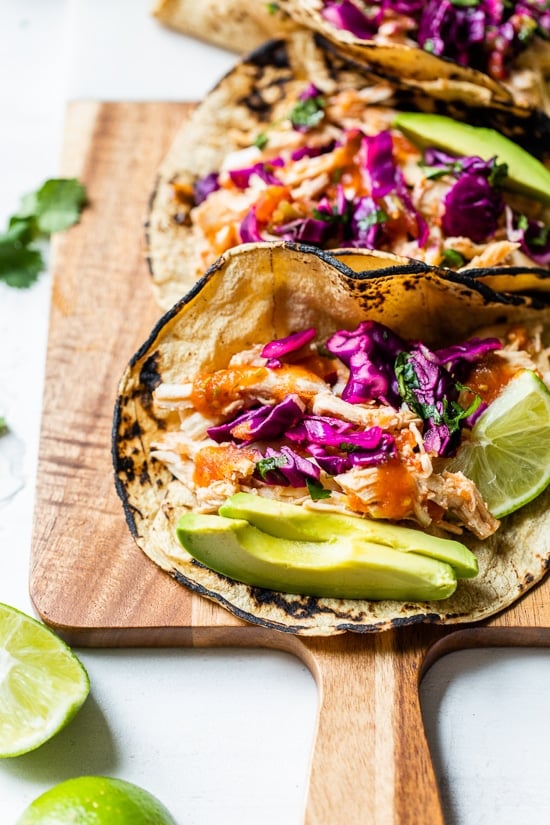
A comprehensive examination of slow cooker chicken tacos reveals a remarkably balanced nutritional profile, making them a staple for individuals monitoring their macronutrient intake. Standardized nutritional data for a typical serving—defined as three tacos utilizing the foundational recipe of chicken breast, salsa, spices, and appropriate corn tortillas—indicates a calorie count of approximately 474 kilocalories.
Crucially, the meal delivers a high protein density, providing roughly 45.5 grams of protein per serving. This high protein-to-calorie ratio aligns with current nutritional recommendations for fitness enthusiasts, weight management programs, and individuals following high-protein dietary regimens. Carbohydrate content stands at approximately 44.5 grams, primarily sourced from the fiber-rich corn tortillas and fresh vegetable toppings such as cabbage slaw and avocado. Dietary fiber registers at an impressive 9.5 grams per serving, supporting gastrointestinal health and sustained glycemic stability by slowing the digestion and absorption of carbohydrates.
Fat content is maintained at a moderate 13.5 grams, with only 2.5 grams coming from saturated fats, largely due to the use of lean poultry and the inclusion of heart-healthy monounsaturated fats from fresh avocado. Sodium levels, a common concern in recipes utilizing prepared jarred ingredients like salsa, are kept to a manageable 470.5 milligrams per serving, offering a savory flavor profile without excessive sodium concentration.
Chronology and Execution Methodology
Executing slow cooker chicken tacos involves a streamlined operational timeline designed to maximize efficiency. The preparation phase requires minimal active labor, typically lasting no more than two minutes.
The chronological sequence of preparation is structured as follows:
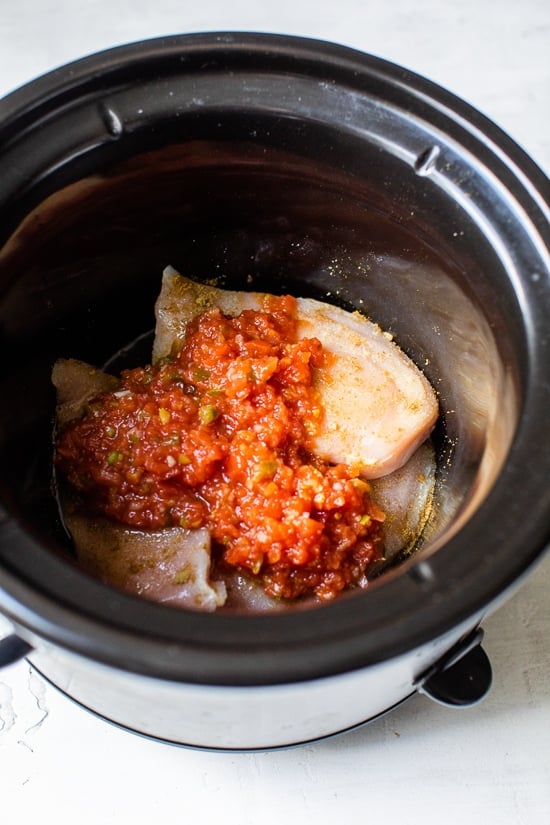
- Ingredient Assembly: Boneless, skinless chicken breasts are placed at the base of the slow cooker vessel. They are immediately combined with a predetermined volume of prepared salsa, which serves as both the cooking liquid and the primary flavor vehicle, alongside a specific blend of taco seasonings.
- Thermal Processing: The slow cooker is secured with its lid and programmed according to time and temperature parameters. When utilizing a low-temperature setting, the cooking process spans approximately four hours. Alternatively, setting the appliance to a high-temperature parameter reduces the cooking duration to two to three hours, requiring careful monitoring to prevent the lean poultry from overcooking and losing structural moisture.
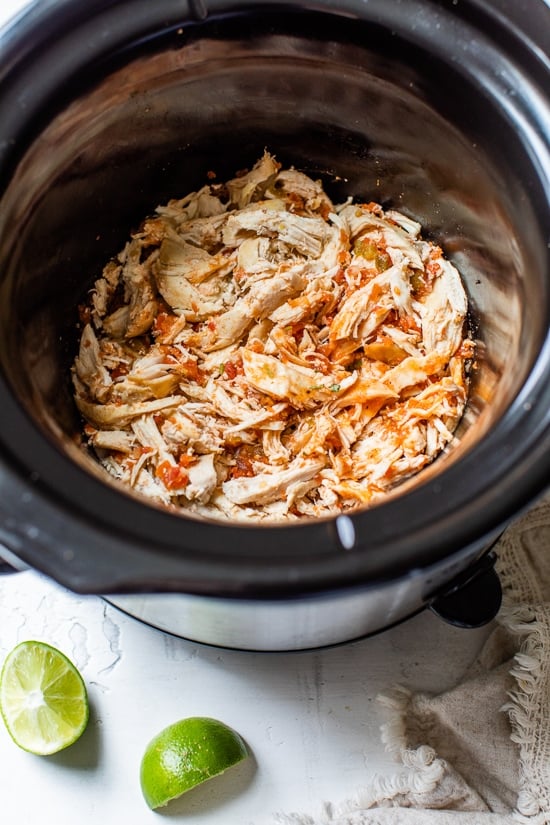
- Post-Cooking Shredding: Upon reaching an internal temperature of 165°F and achieving structural tenderness, the chicken is removed or mechanically shredded directly within the cooking vessel, allowing the protein fibers to reabsorb the concentrated salsa reduction.
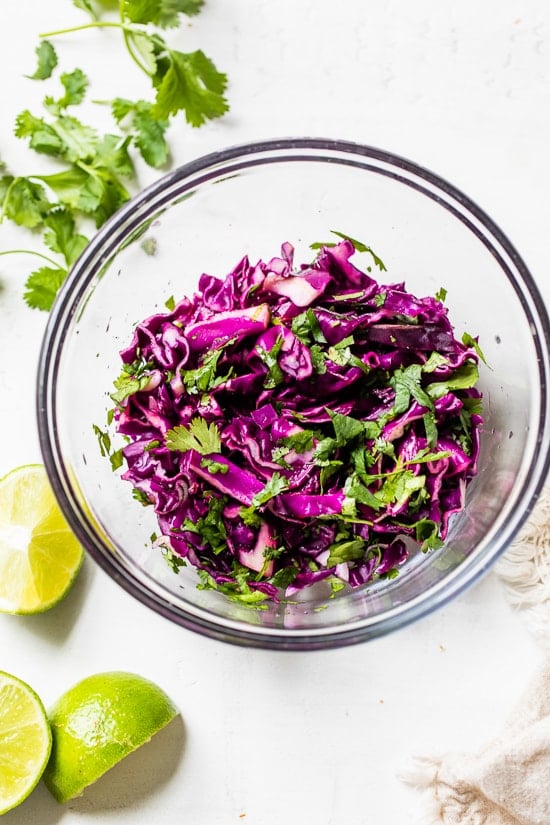
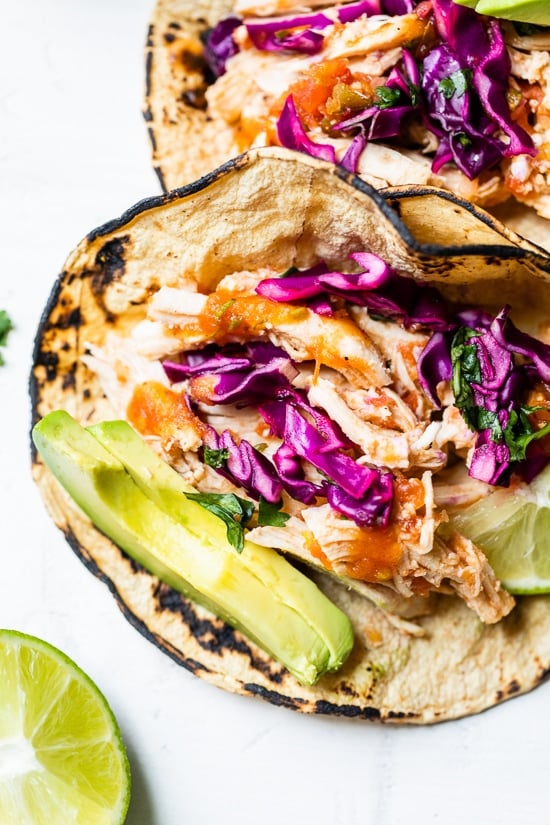
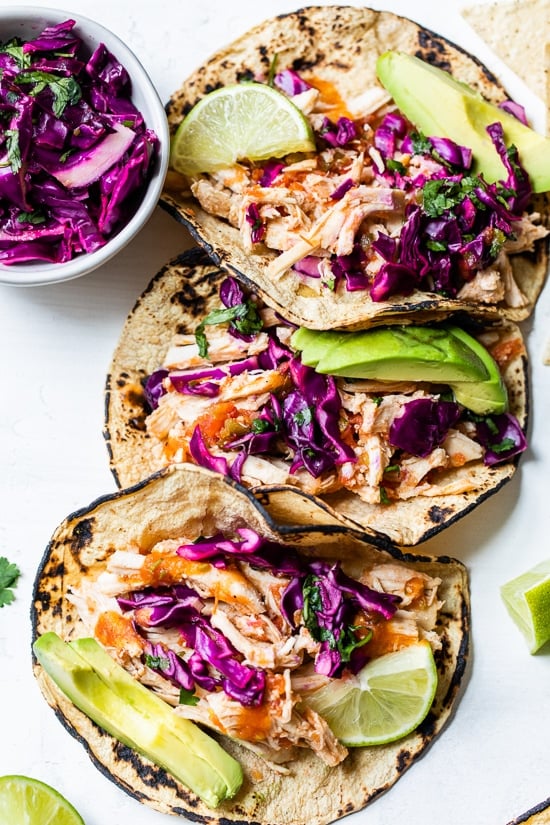
- Assembly and Garnishing: Concurrently, a quick lime-infused cabbage slaw is prepared to introduce textural crunch and acidity, balancing the savory richness of the meat. Corn tortillas are warmed using traditional methods—such as a dry skillet or open flame—to ensure flexibility and enhanced flavor development prior to filling.
Industry Trends and the Rise of High-Protein Literature
The popularity of simplified, nutrient-dense dishes like slow cooker chicken tacos mirrors a broader publishing trend emphasizing high-protein, accessible home cooking. Culinary authors and nutritional educators have capitalized on this consumer demand by releasing specialized recipe collections that focus on maximizing protein intake without sacrificing culinary variety or demanding extensive kitchen experience.
Market research within the cookbook publishing sector indicates a sustained consumer appetite for literature that provides structured meal plans, macro-nutrient breakdowns, and time-saving techniques. Works featuring multi-week dietary frameworks designed to deliver specified daily protein thresholds—often exceeding 120 grams of protein per day—have resonated strongly with demographics focused on physical wellness, athletic performance, and preventive health maintenance.
Broader Economic and Culinary Implications
The widespread adoption of appliance-based cooking methods carries notable economic and social implications for modern households. By utilizing affordable, bulk protein sources such as chicken breasts or thighs in conjunction with shelf-stable pantry items like salsa, families can achieve significant cost efficiencies compared to dining out or purchasing pre-packaged convenience meals.

Furthermore, the adaptability of the slow cooker chicken filling lends itself effectively to strategic meal planning and food waste reduction. Prepared chicken can be refrigerated for up to four days or frozen for up to three months without substantial degradation in texture or flavor. This storage longevity empowers consumers to cook in larger quantities, thereby optimizing grocery expenditures and minimizing the frequency of daily meal preparation tasks.
From a culinary perspective, the accessibility of such recipes democratizes cooking skill levels. Individuals with minimal formal culinary training can produce flavorful, nutritionally sound meals that rival restaurant equivalents in taste while offering superior control over ingredient quality and caloric density. As domestic technology continues to evolve, the intersection of automated cooking appliances and health-conscious recipe development will undoubtedly remain a cornerstone of modern culinary practice.