Cottage Cheese Chocolate Chip Cookies: The Viral Baking Trend Transforming Healthy Desserts

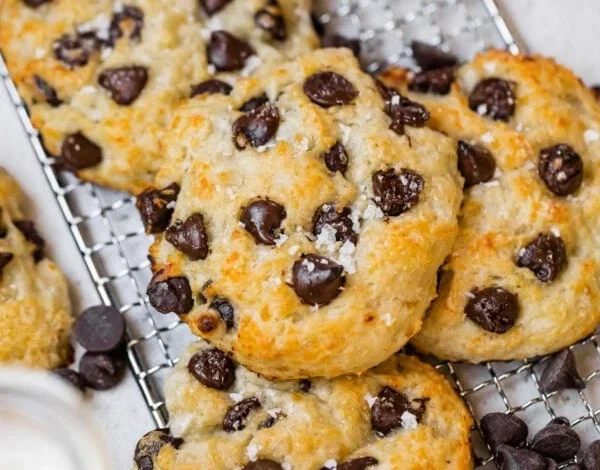
The culinary landscape has witnessed a significant shift in recent years toward ingredient innovation, particularly the integration of high-protein, nutrient-dense dairy products into traditional comfort foods. Among the most unexpected and rapidly growing food trends is the incorporation of cottage cheese into baked goods. While the dairy staple has previously found success disguised in high-protein ice creams, Alfredo sauces, and pancake batters, it has now made its way into the realm of classic confectionery: the chocolate chip cookie. Born out of a kitchen experiment, this lighter alternative allows bakers to drastically reduce butter content while maintaining a desirable texture, signaling a broader movement toward functional, macro-friendly comfort food in home kitchens across the globe.
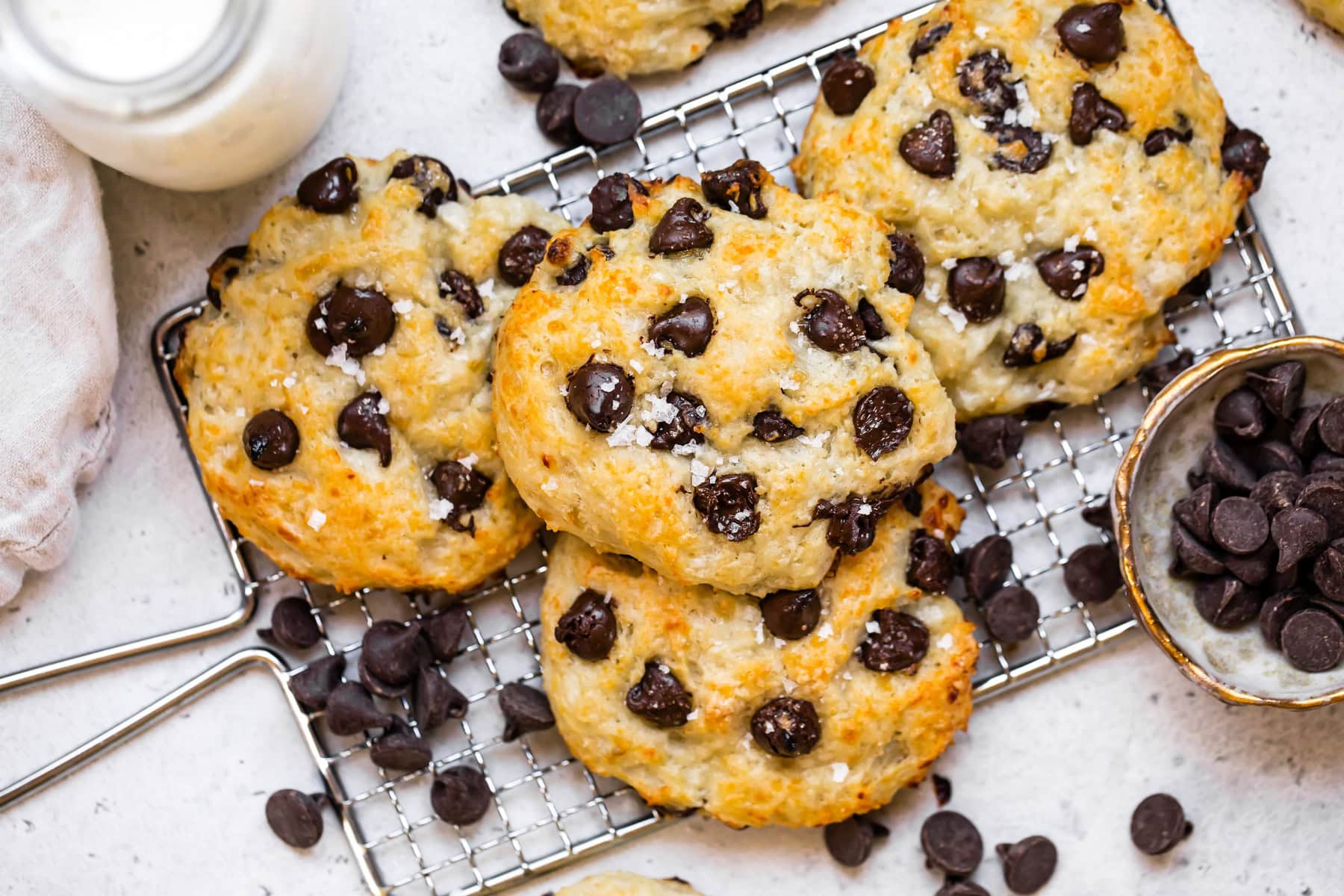
Origins of the Recipe and Kitchen Experimentation
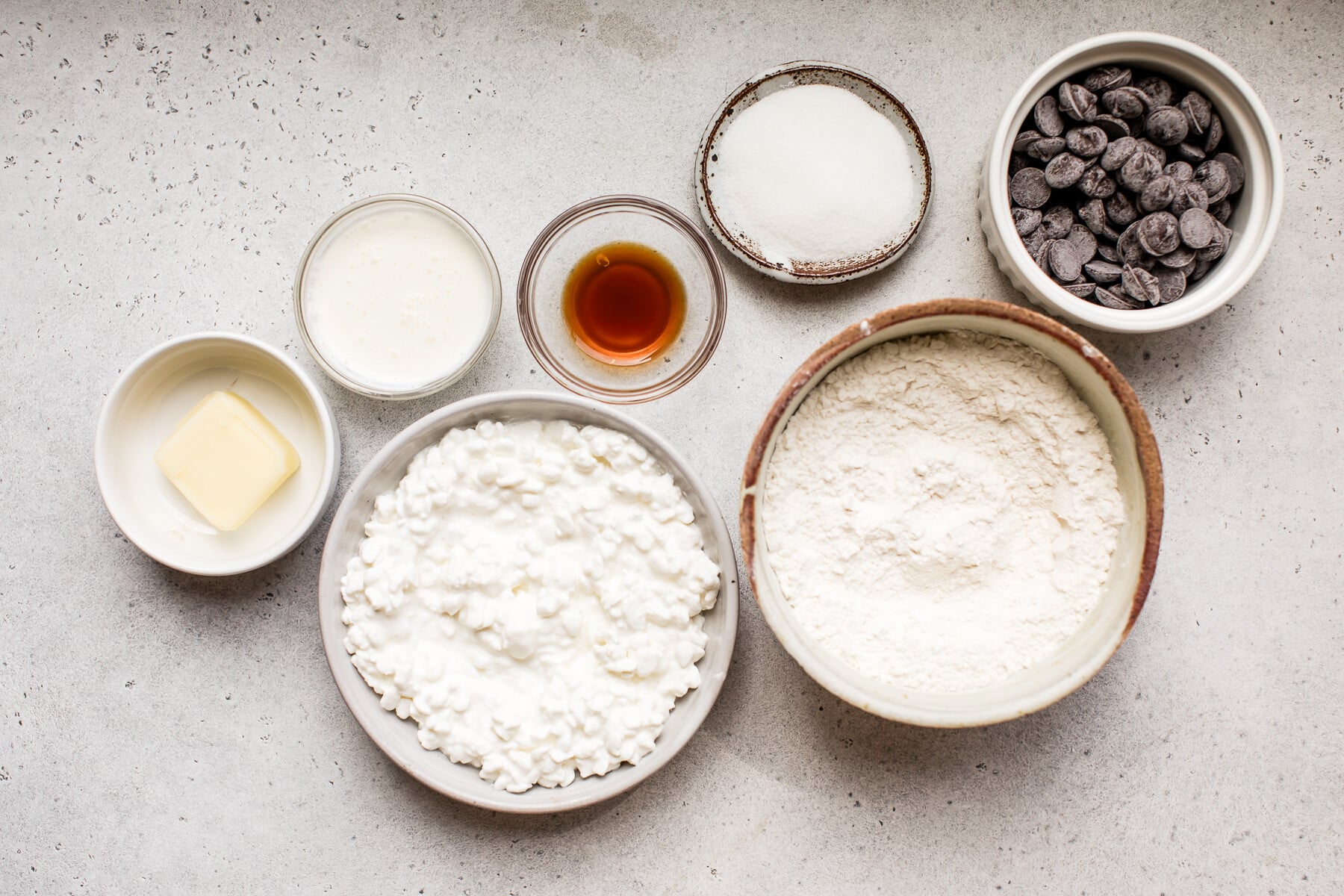
The phenomenon of the cottage cheese chocolate chip cookie gained traction following accidental culinary discoveries by home cooks and recipe developers seeking healthier alternatives to traditional baking fats. Originally attempting to formulate a lighter version of breakfast scones, developers noticed an uncanny flavor and textural profile during the baking process. When combined with standard pantry staples such as flour, sweeteners, and chocolate chips, the dairy product underwent a chemical transformation under heat. Rather than leaving behind noticeable curds or a savory flavor profile, the moisture content within the dairy integrated seamlessly into the dry ingredients.
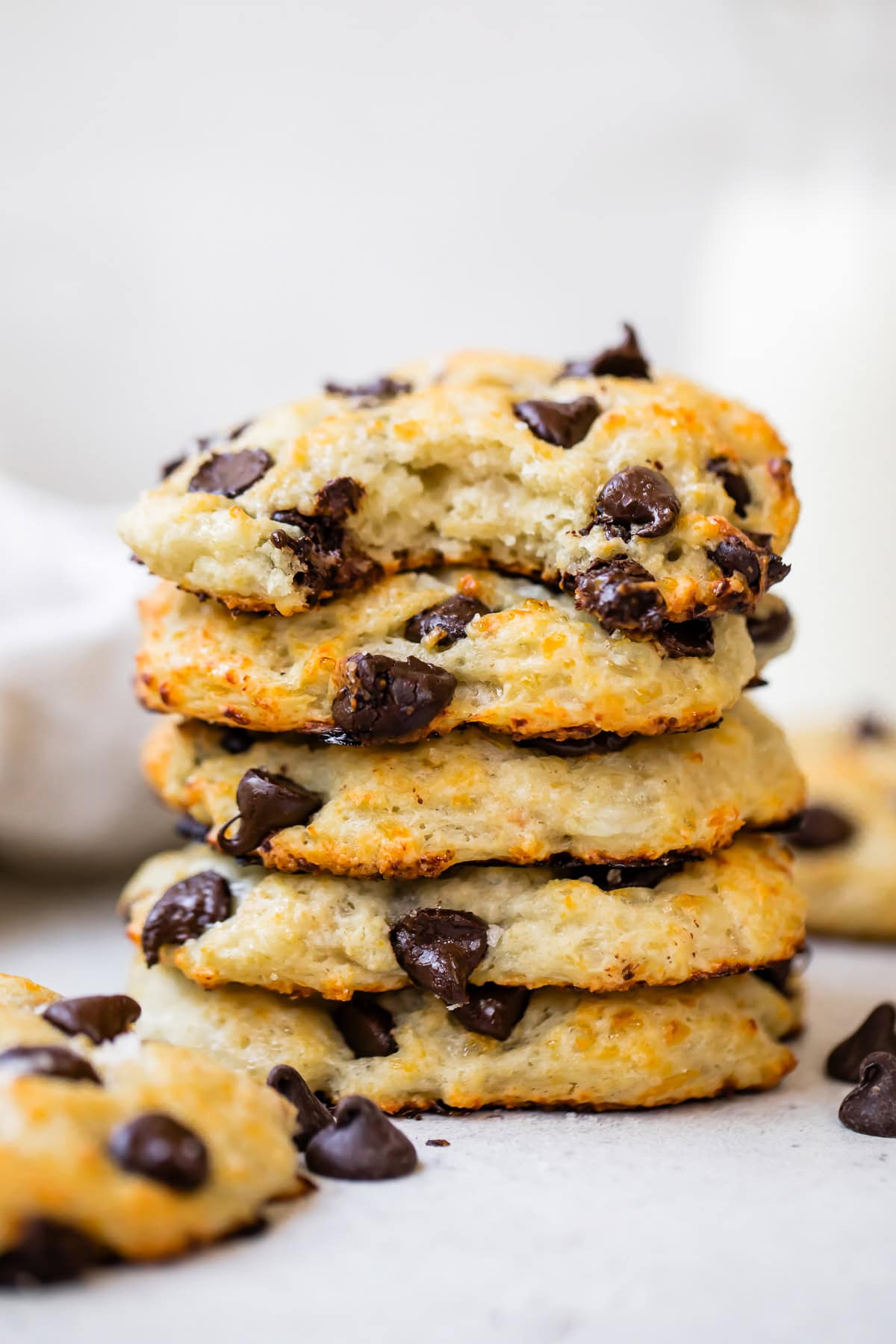
When served warm from the oven, the resulting baked goods closely mirrored the soft, chewy interior characteristic of conventional butter-laden cookies. This serendipitous kitchen accident prompted further refinement, resulting in a specialized formulation designed to maximize moisture and minimize saturated fats without sacrificing the sensory experience of a traditional dessert.
Nutritional Composition and Functional Benefits

From a nutritional standpoint, incorporating blended or whole cottage cheese into cookie dough introduces a distinct advantage for consumers tracking macronutrients. Traditional chocolate chip cookies rely heavily on butter and shortening to provide the fat necessary for moisture and structural tenderness, which simultaneously drives up calorie counts and saturated fat levels. By substituting a portion of these fats with cottage cheese, the recipe achieves a notable reduction in overall lipid content while boosting protein levels per serving.
According to preliminary nutritional breakdowns for these specialty cookies, a single serving typically contains approximately 135 calories, 5 grams of protein, 5 grams of total fat, and 21.5 grams of carbohydrates. This nutritional profile appeals heavily to the fitness community and mainstream consumers alike, who increasingly look for ways to incorporate satiating proteins into everyday snacks. Furthermore, the inclusion of dairy provides calcium and trace micronutrients absent in standard flour-and-sugar confections, offering a more balanced nutritional delivery system for individuals with a sweet tooth.

Culinary Mechanics: Why It Works
Food science experts and culinary developers point to moisture distribution as the primary mechanism behind the success of dairy-integrated baking. Traditional baking relies on water evaporation from butter and eggs to create steam, which helps leaven the dough. Cottage cheese introduces a high concentration of casein and whey proteins suspended in moisture. When mixed into the batter, these proteins retain water effectively throughout the baking cycle, preventing the flour from drying out and yielding a remarkably soft interior crumb.
However, culinary testing indicates that the physical properties of these cookies differ significantly from traditional baked goods as they cool. Because the structural integrity relies heavily on moisture retention and reduced fat ratios, the cookies are overwhelmingly optimized for immediate consumption. Industry insiders and recipe developers note that once cooled to room temperature or stored overnight, the texture undergoes a perceptible change, losing its initial soft-baked appeal. Consequently, culinary protocols surrounding this trend emphasize either immediate consumption or the utilization of freeze-and-bake strategies to preserve the optimal sensory experience.
The Rise of Functional Ingredients in Home Baking
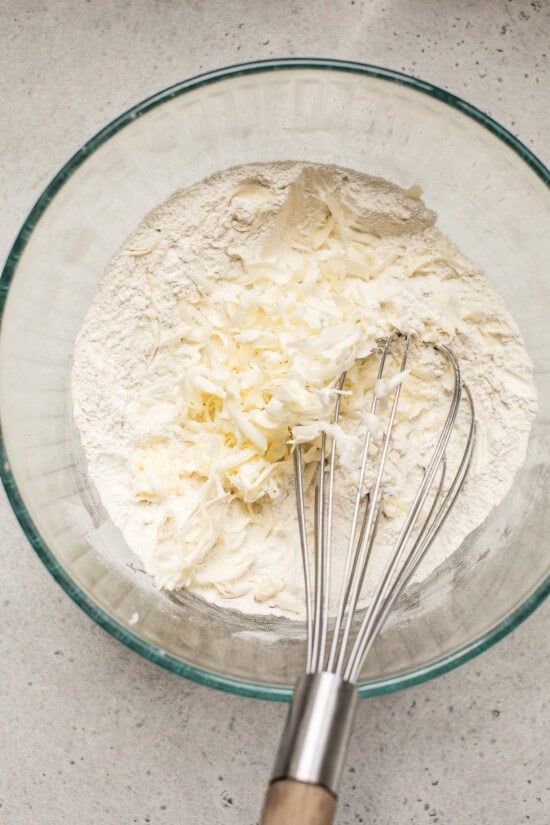
The emergence of cottage cheese cookies is part of a broader cultural movement toward ingredient hacking on social media and digital culinary platforms. Over the past decade, home bakers have utilized various unconventional substitutes—such as mashed avocado, black beans, sweet potatoes, and applesauce—to modify the nutritional density of traditional comfort foods.
Industry analysts attribute this trend to a dual consumer demand: the desire for indulgence during periods of stress or dietary restriction, balanced against strict personal health and fitness metrics. By modifying classic recipes rather than eliminating them entirely, consumers can navigate dietary preferences without feeling deprived. The versatility of cottage cheese, in particular, has made it a darling of the modern kitchen due to its neutral flavor profile when blended and its high density of complete proteins.
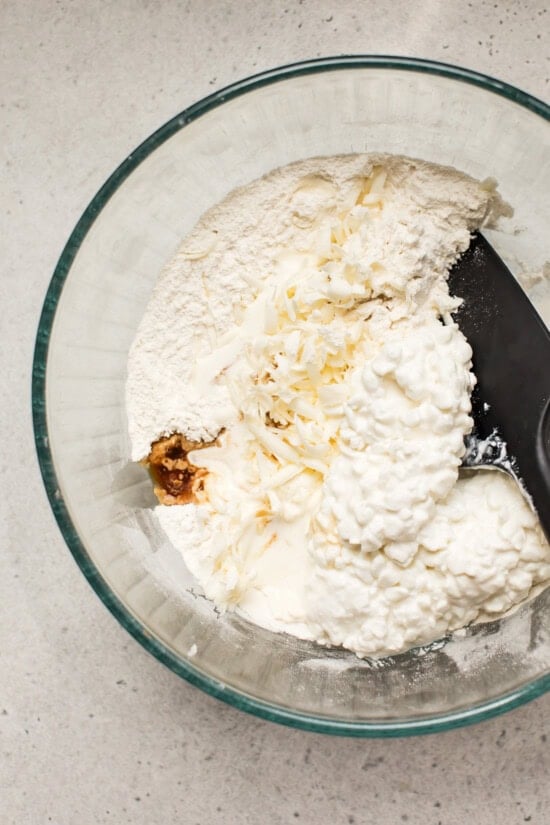
Storage, Freezing, and Practical Implementation
To combat the challenge of textural degradation over time, proponents of the cottage cheese cookie trend have popularized specialized storage and preparation methodologies. Rather than baking large batches that risk becoming stale or losing their softness, home bakers are encouraged to utilize a portion-control freezing method.
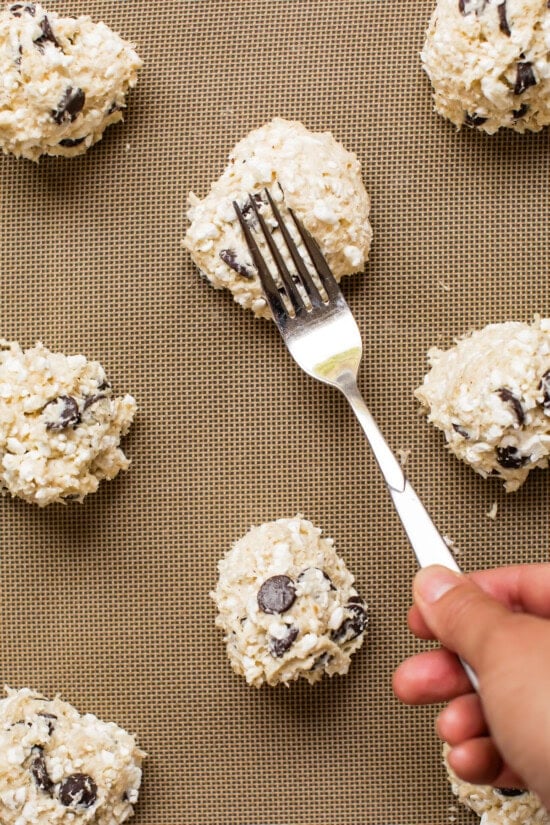
The preparation process involves mixing the wet and dry ingredients, folding in chocolate chips, and portioning the raw dough into individual servings. These portions are typically flattened slightly with a fork and placed on a parchment-lined baking sheet to freeze individually. Once solidified, the unbaked dough balls can be transferred to a freezer-safe bag or container, where they remain viable for up to three months. This allows consumers to bake precisely the number of cookies desired—often just one or two—ensuring that every batch is consumed warm from the oven with melted chocolate and optimal textural integrity.
Broader Implications for the Baking Industry
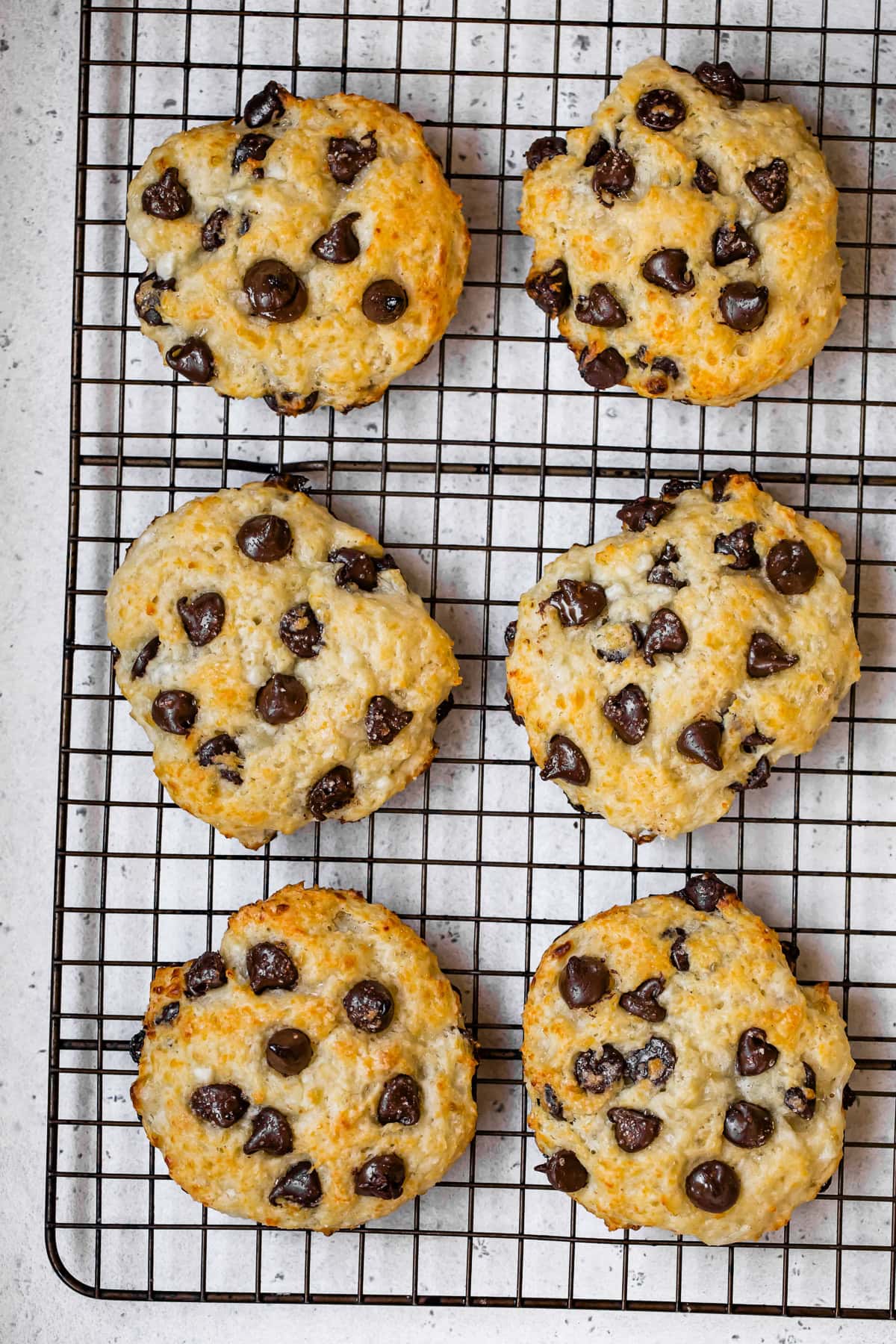
The viral success of alternative-fat baking highlights the shifting power dynamic between traditional commercial food manufacturers and independent recipe creators. As digital platforms continue to democratize culinary knowledge, innovative techniques developed in home kitchens can achieve global visibility within days. Food scientists monitor these grassroots trends closely, as consumer enthusiasm for functional ingredients frequently translates into commercial product development within the packaged goods sector.
While traditionalists may argue that butter remains irreplaceable in classical pastry arts, the mainstream acceptance of cottage cheese in unexpected contexts demonstrates a shifting consumer palate. As long as health-conscious consumers continue to seek out high-protein, lower-calorie adaptations of comfort foods, ingredient innovation in home baking will remain a dominant force in modern gastronomy.