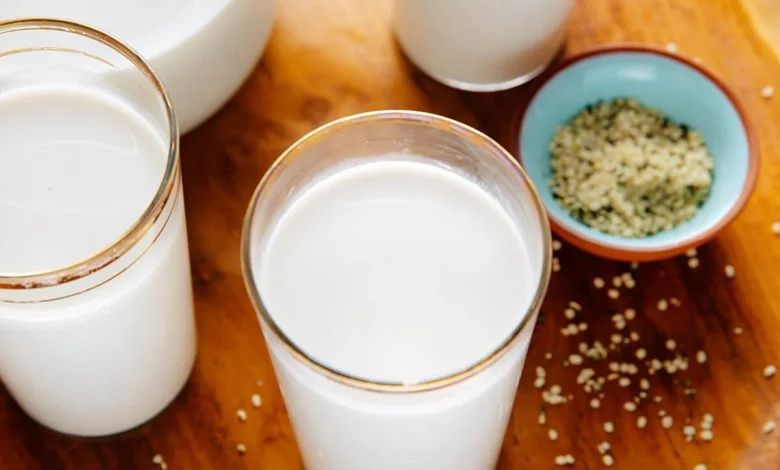
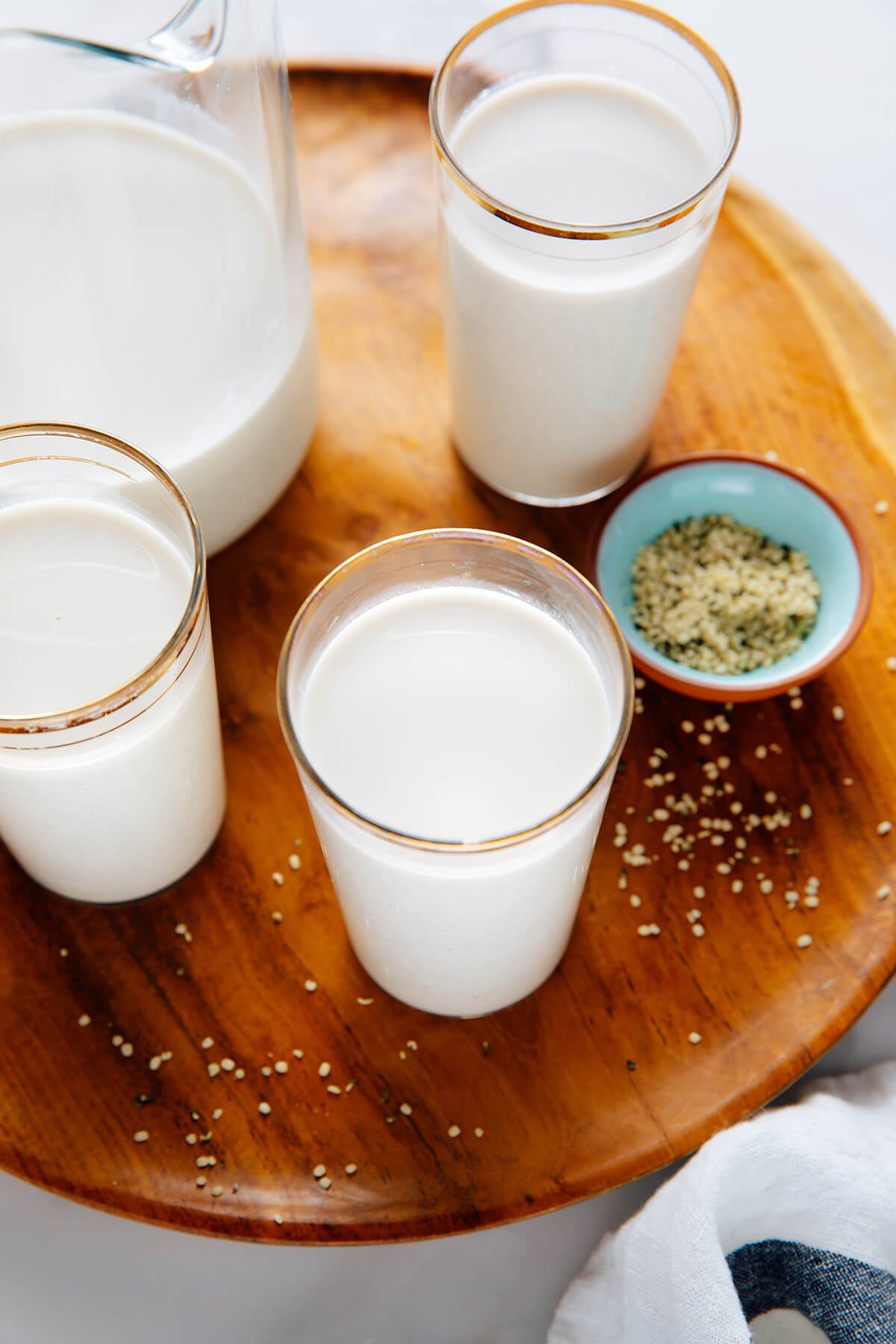
Hemp milk has emerged as a significant contender in the global plant-based dairy alternative market, distinguished by its unique nutritional density and ease of preparation. Derived from the seeds of the Cannabis sativa plant—specifically varieties cultivated for industrial use with negligible levels of tetrahydrocannabinol (THC)—hemp milk is gaining traction among consumers seeking nut-free, soy-free, and high-protein dairy alternatives. Unlike almond or cashew milk, which often require extensive soaking periods and complex filtration processes, hemp milk can be produced efficiently by blending raw hulled hemp seeds, or "hemp hearts," with water, creating a stable, nutrient-rich emulsion.
The Rise of Plant-Based Dairy Alternatives
The transition toward plant-based milks has accelerated over the past decade, driven by rising rates of lactose intolerance, environmental sustainability concerns, and the growth of veganism. According to market research data from the Plant Based Foods Association and various agricultural analysts, the global plant-based milk market is projected to reach significant valuations by 2030. While oat and almond milks currently dominate market share, hemp milk occupies a specialized niche due to its superior fatty acid profile and protein content.
The industrial history of hemp in food applications is extensive, yet it was hindered for decades by legislative restrictions in the United States and other regions. Following the passage of the 2018 Farm Bill in the United States, which legalized the production of industrial hemp, the availability of hemp hearts in mainstream retail outlets increased substantially. This legislative shift allowed for a surge in culinary experimentation, bringing hemp milk from health-food cooperatives to conventional grocery store shelves.
Nutritional Profile and Comparative Analysis
Hemp milk is particularly noted for its favorable composition of essential fatty acids and proteins. A single serving of homemade hemp milk can provide nearly 10 grams of plant-based protein, a figure that rivals cow’s milk and significantly outperforms many other plant-based alternatives, such as rice or almond milk, which are often lower in protein density.
Beyond protein, hemp hearts are a rich source of Omega-3 and Omega-6 fatty acids in an optimal ratio, which are essential for cardiovascular health and brain function. Furthermore, hemp milk contains magnesium, iron, and zinc. While it may not naturally contain the high calcium levels found in fortified commercial dairy or some calcium-enriched plant milks, its overall nutrient profile makes it a highly efficient food source.
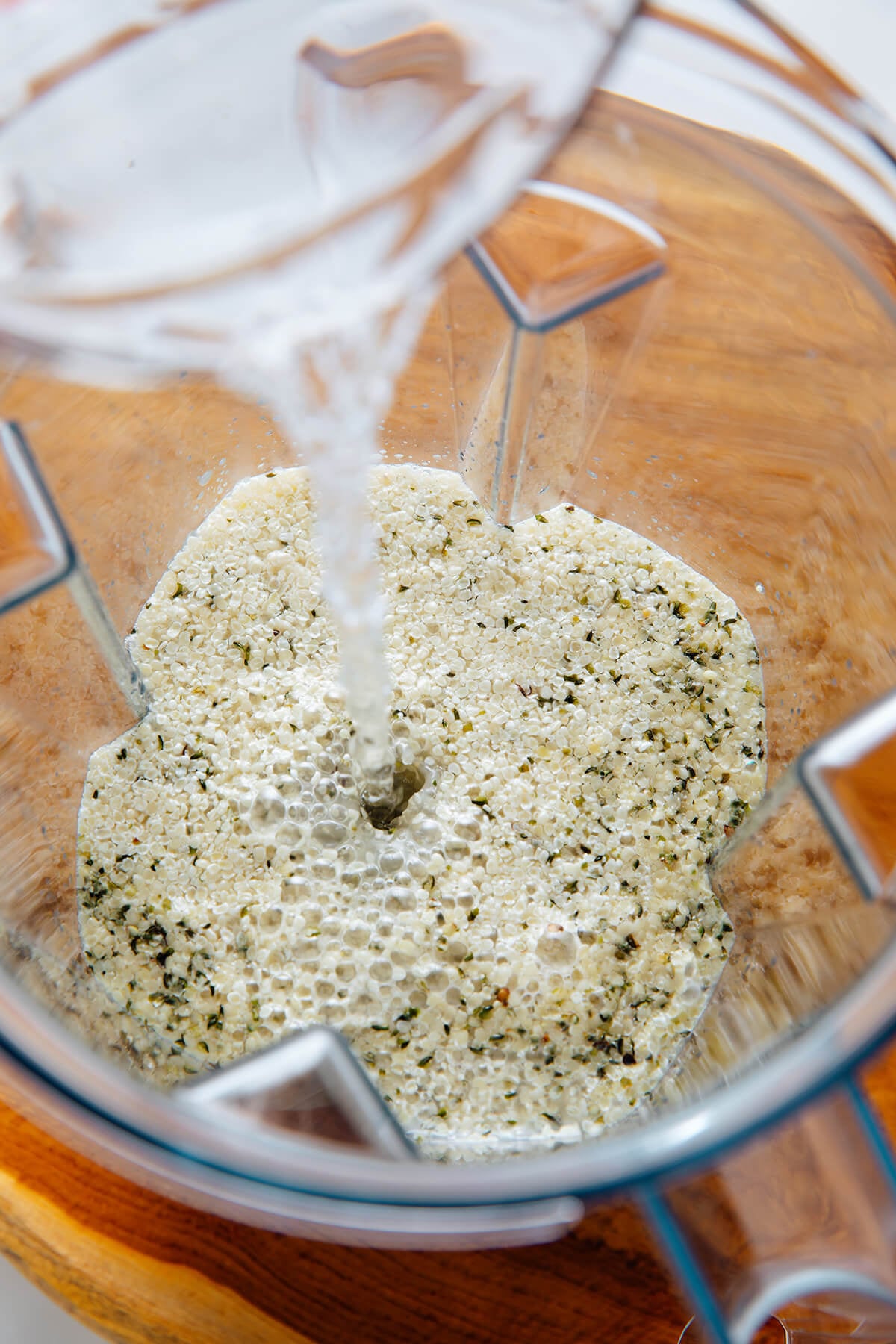
From a technical standpoint, the absence of soaking requirements for hemp hearts differentiates the production process from other nut-based milks. Because the hearts are soft and lack the tannins found in the skins of almonds or walnuts, the resulting milk is naturally silky and requires minimal filtration, retaining more of the fiber and solid components of the seed.
Standardized Production Protocols
The production of high-quality hemp milk follows a specific, repeatable methodology. Culinary experts and nutritionists suggest the following steps for optimal results:
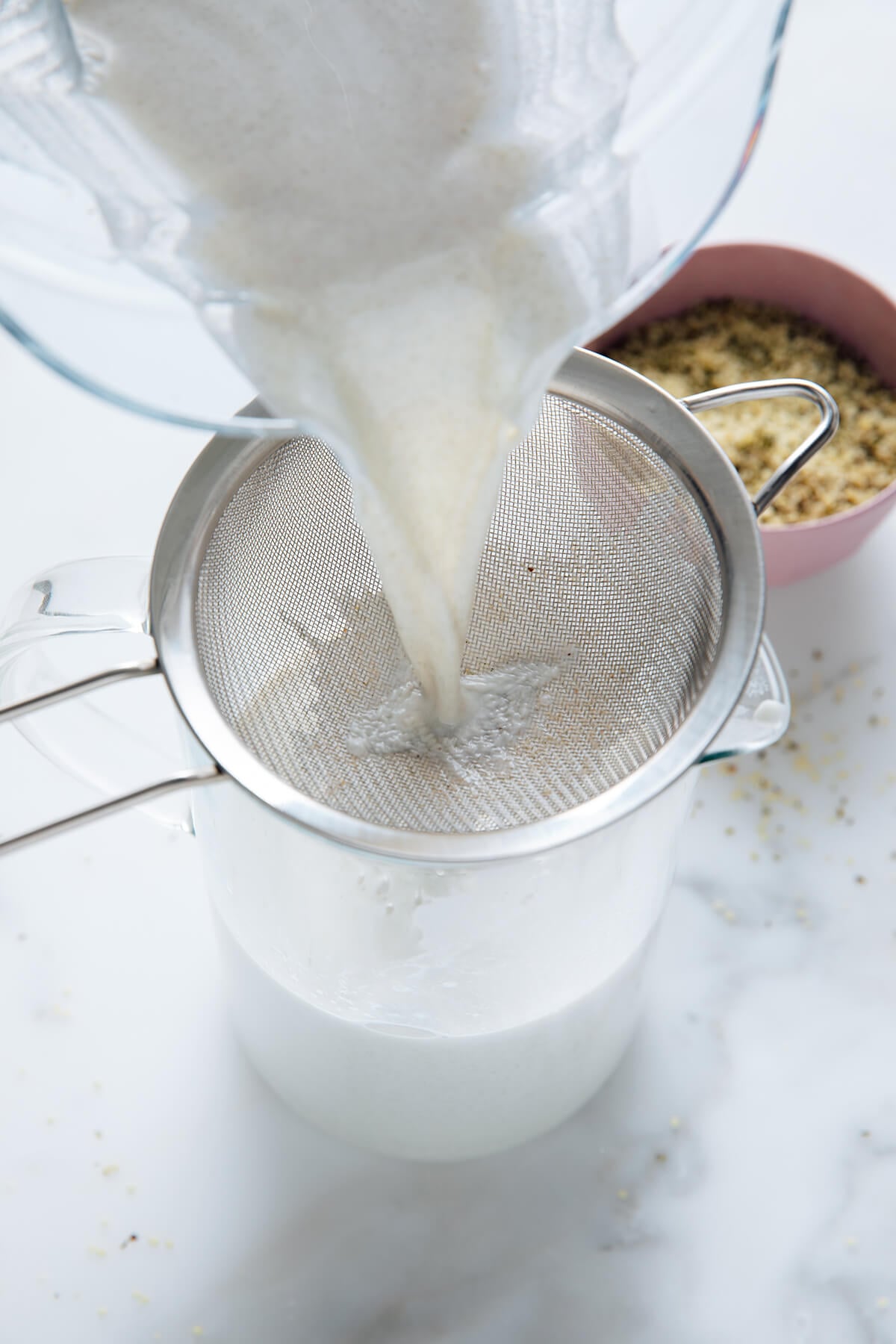
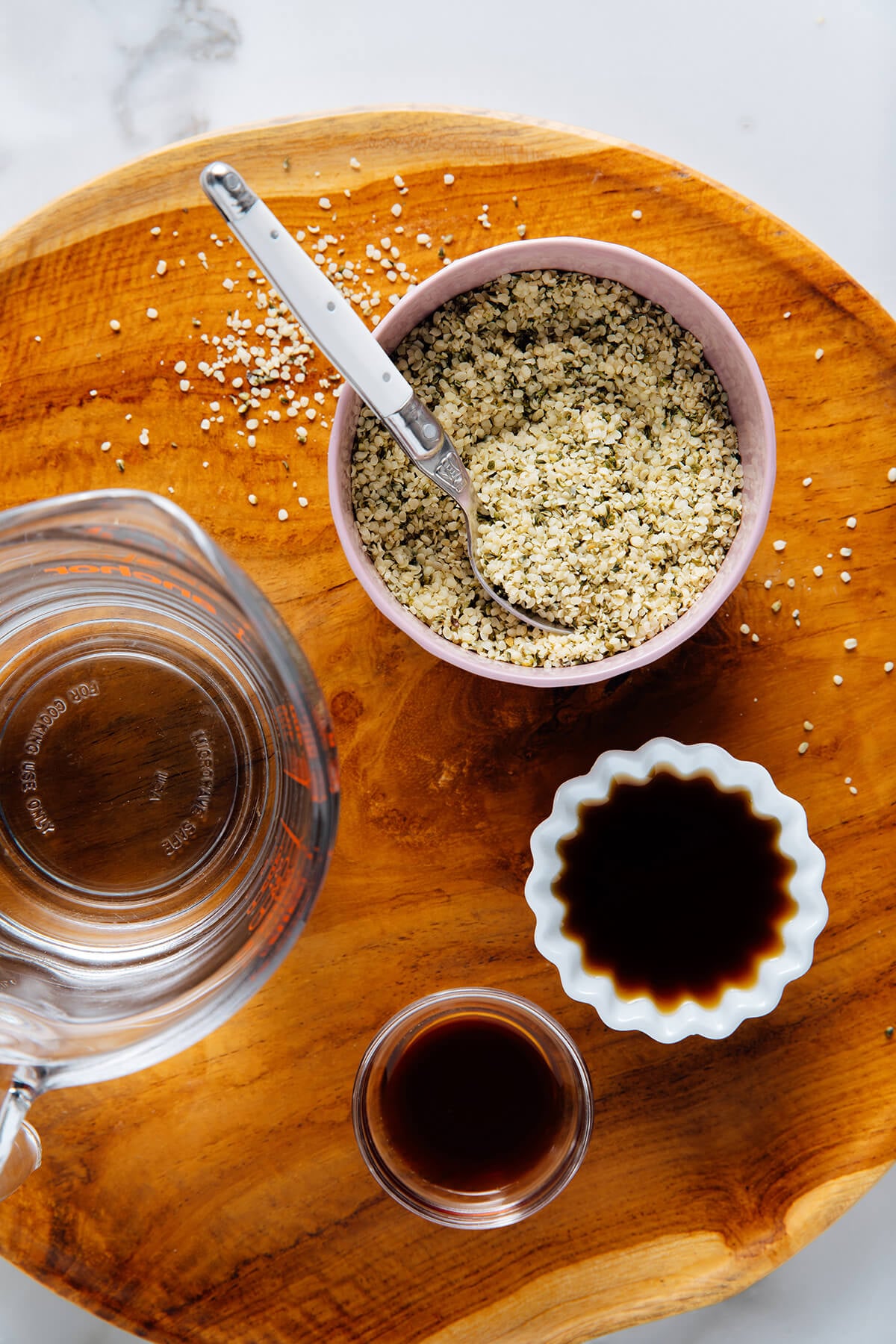
- Preparation: Utilize high-quality, fresh hulled hemp hearts. It is essential to perform a sensory check; fresh seeds should have a nutty, mild aroma. Rancid seeds can introduce an undesirable bitterness.
- Ratio and Blending: A standard ratio involves approximately one cup of hemp hearts to four cups of filtered water. High-speed blending for 30 to 60 seconds is sufficient to create a fine emulsion.
- Flavor Balancing: Because hemp has an inherently earthy, slightly grassy flavor, many producers incorporate natural sweeteners or flavor enhancers. Maple syrup, agave, or dates are frequently used to mimic the natural sweetness of bovine milk. Vanilla extract is often added as a masking agent for the natural pungency of the seeds.
- Temperature Control: The final product is highly temperature-sensitive. It is standard industry practice to serve and store the liquid at temperatures below 40 degrees Fahrenheit (4 degrees Celsius) to preserve the freshness of the polyunsaturated fats and prevent rapid spoilage.
Culinary Variations and Industrial Adaptations
The versatility of hemp milk extends into various culinary applications, ranging from coffee additives to baking components. Because it possesses a relatively neutral base when properly balanced with vanilla and sweetener, it can be adapted into specialty formats:
- Chocolate Hemp Milk: By incorporating 3 tablespoons of high-quality cocoa powder and additional sweetener, producers can create a nutrient-dense alternative to traditional chocolate milk.
- Nut-Free Creamers: By adjusting the water-to-hemp ratio—increasing the concentration of seeds—the product can achieve a viscosity similar to heavy cream, making it a viable option for consumers with tree-nut allergies who cannot use cashew or almond-based creamers.
- Coconut Infusions: The inclusion of shredded, unsweetened coconut during the blending phase introduces medium-chain triglycerides (MCTs) and changes the flavor profile to a tropical, dessert-like consistency.
Market Implications and Future Outlook
The broader impact of hemp milk adoption is twofold: agricultural and nutritional. On the agricultural side, hemp is an exceptionally sustainable crop. It requires significantly less water than almonds and fewer pesticides than many monoculture crops. As supply chains continue to stabilize, the cost of hemp hearts is expected to decline, further democratizing access to this protein source.
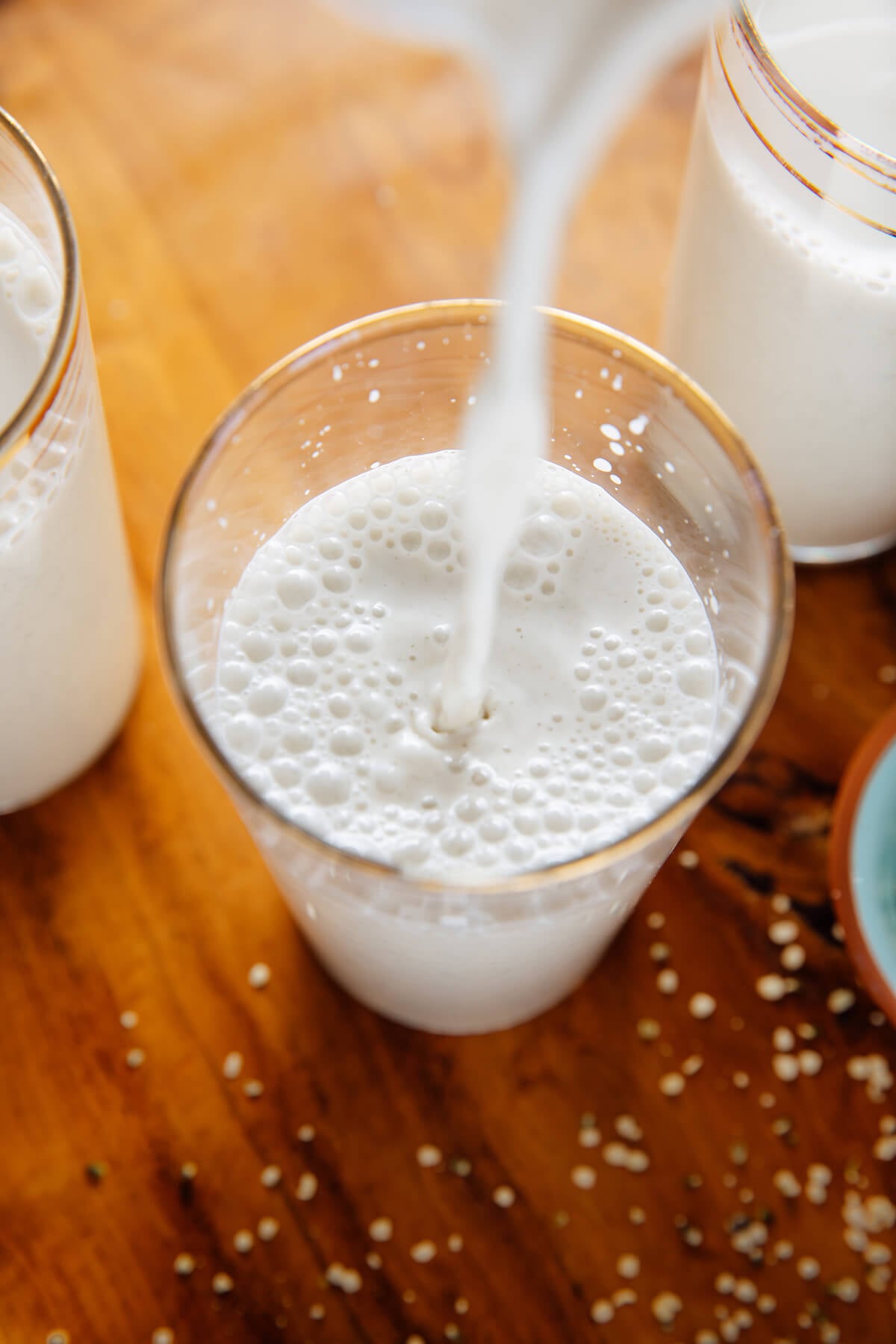
From a nutritional policy perspective, the inclusion of hemp-based products in school and institutional diets is a subject of ongoing discussion among dietitians. The "clean label" movement—which advocates for foods with minimal, recognizable ingredients—favors hemp milk because it typically contains only seeds, water, and perhaps a natural sweetener, avoiding the stabilizers, gums, and synthetic emulsifiers found in many mass-produced plant milks.
However, challenges remain regarding consumer education. A significant segment of the population remains unfamiliar with the difference between industrial hemp (used for food and textiles) and other cannabis varieties. Continued transparency in labeling and standardized testing for quality control are essential for maintaining consumer trust.
Professional Recommendations for Adoption
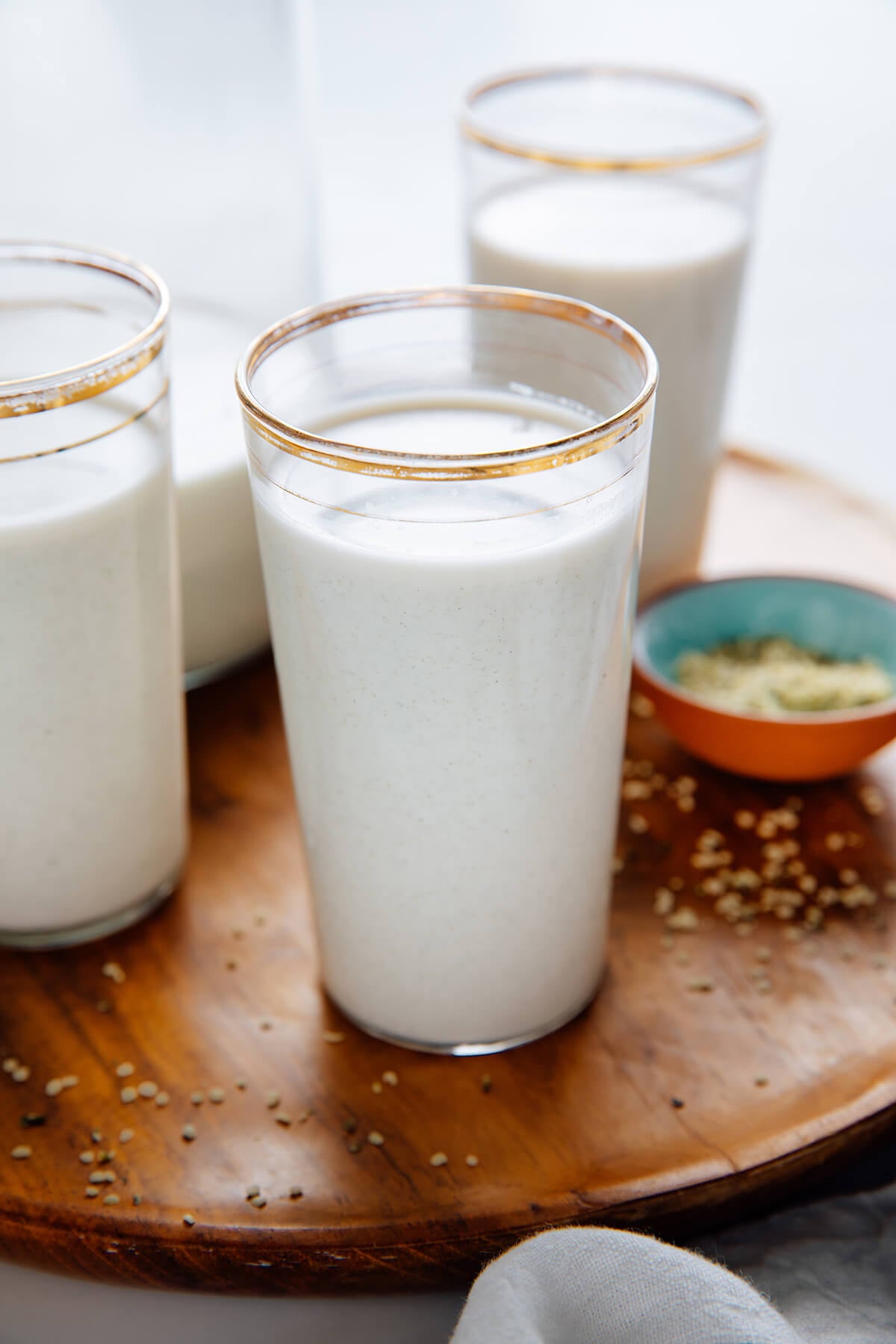
For households looking to integrate hemp milk into their dietary regimens, experts emphasize consistency and quality control. Because homemade hemp milk lacks the preservatives found in store-bought cartons, it should be consumed within three to five days of production.
Furthermore, the integration of hemp hearts into other aspects of the diet, such as sprinkling them over oatmeal, yogurt, or salads, is recommended for those who find the texture of the milk too thin or the flavor profile too distinctive. As the industry moves toward more sustainable and health-conscious alternatives to traditional dairy, hemp milk remains one of the most promising, nutrient-dense, and environmentally friendly options available to the modern consumer. Through continued innovation and culinary application, it is likely to remain a staple in the growing landscape of plant-based nutrition for the foreseeable future.