Nationwide Cetirizine Recall Triggered by Pharmacy Technician’s Keen Observation of Red Dots on Allergy Tablets

A seemingly minor anomaly—a red dot on a cetirizine tablet, with others exhibiting discolored spots—observed by a vigilant pharmacy technician has precipitated a significant nationwide recall of cetirizine hydrochloride tablets. This critical discovery, made during the dispensing process, has led federal regulators to issue a broad alert, aiming to prevent potentially life-threatening reactions in individuals with a specific, and often undiagnosed, sensitivity to ranitidine, a drug with which the allergy medication was cross-contaminated.
The voluntary recall, initiated by Unique Pharmaceutical Laboratories, a division of J.B. Chemicals & Pharmaceuticals Ltd., affects four lots of Cetirizine Hydrochloride Tablets USP 5 mg. Cetirizine, a widely used antihistamine and the active ingredient in over-the-counter formulations like Zyrtec, is a staple for millions managing allergy symptoms. The unexpected contamination with ranitidine, a medication typically used for stomach acid reduction, has cast a spotlight on the rigorous quality control measures within pharmaceutical manufacturing. While the majority of consumers are unlikely to experience adverse effects, the concern for a susceptible subset of the population is paramount, as even a small amount of the contaminant could trigger a severe and rapid medical emergency.
The affected medication is commonly found on pharmacy shelves as a generic alternative to branded allergy relief products. Consumers purchasing these generic versions are urged to pay close attention to the details of this recall, as the implications for those with ranitidine hypersensitivity can be severe. The Food and Drug Administration (FDA) has confirmed that certain lots of these generic cetirizine tablets are subject to this voluntary recall. It is crucial to note that this recall does not extend to Zyrtec-branded products.
The Chain of Events: From Observation to Recall
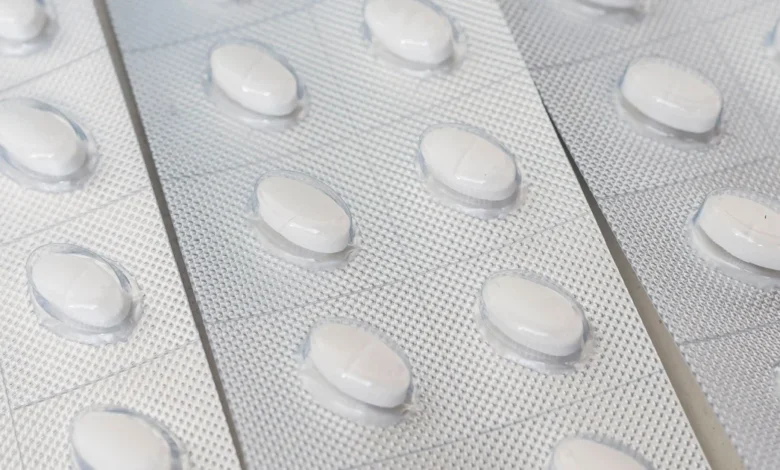
The cascade of events leading to this nationwide recall began with a product complaint lodged after a pharmacy technician noticed a visual discrepancy while counting cetirizine hydrochloride tablets USP 5 mg at the point of dispensing. The technician observed distinct red dots on some tablets, while others appeared discolored due to the presence of multiple red spots. This anomaly, an immediate red flag in a process that demands precision, prompted a thorough investigation.
Rising Pharma Holdings, the distributor of the affected product, subsequently initiated a voluntary recall extending to the consumer level for these specific tablets. The investigation involved testing retained samples of the finished product from all four implicated batches. Two of these batches, identified by lot numbers GY825030 and GY825031, failed to meet related substance testing standards, confirming the presence of an unacceptable impurity. In a proactive move, driven by a commitment to product quality and patient safety, the decision was made to recall all four affected batches.
The official announcement of the recall was made by Unique Pharmaceutical Laboratories on July 18th, with the details subsequently posted by the FDA. The manufacturing of the implicated tablets took place at Unique Pharmaceutical Laboratories in Panoli, Gujarat, India. The recalled products, packaged in 100-count bottles, were distributed nationwide by New Jersey-based Rising Pharma Holdings Inc. to various wholesalers and retailers across the United States.
Identifying the Affected Product: Lot Numbers and NDC
Consumers who have purchased generic cetirizine hydrochloride tablets USP 5 mg are advised to meticulously check their medication. The four specific lot numbers subject to this recall are:
- GY825029
- GY825030
- GY825031
- GY825032
All of these lots share an expiration date of October 2028. The affected products are packaged in High-Density Polyethylene (HDPE) bottles containing 100 tablets, bearing the National Drug Code (NDC) 16571-401-10.
The lot number is typically printed on the product label, often located near the expiration date. If a bottle displays any of these four lot numbers, consumers are instructed to immediately discontinue use of the medication. Rising Pharma Holdings has already engaged with its distributors and direct customers, informing them of the recall and facilitating the return of the affected products. Pharmacies nationwide have likely been notified and are in the process of removing the recalled medication from their shelves.
It is important to reiterate that this recall is limited to the specific generic lots distributed by Rising Pharma Holdings. Branded Zyrtec products are not part of this recall, and consumers using the branded version are not affected. The focus remains strictly on the identified four lots of generic cetirizine.
This incident marks not the first time a Rising Pharma-distributed product has faced regulatory scrutiny. Earlier in 2026, another medication distributed by Rising Pharma, a blood pressure drug, was recalled nationwide due to failures in dissolution specifications. Such instances highlight the ongoing importance of robust oversight across the pharmaceutical supply chain.
The Critical Risk: Ranitidine Cross-Contamination
The primary concern driving this recall is the potential cross-contamination of cetirizine tablets with ranitidine. Ranitidine, a widely recognized medication for treating conditions like ulcers, gastroesophageal reflux disease (GERD), and hyperacidity, poses a significant risk to a specific population: individuals with a hypersensitivity to its ingredients.
While most people would likely experience no adverse effects from ingesting trace amounts of ranitidine present in the contaminated cetirizine, the situation is dramatically different for those with a heightened sensitivity. For these individuals, the ingestion of even small quantities of ranitidine could trigger a cascade of severe adverse events. The FDA explicitly warns of the potential for serious hypersensitivity reactions, including anaphylaxis. Symptoms of such reactions can be rapid and life-threatening, manifesting as sudden drops in blood pressure (hypotension), severe breathing difficulties (dyspnea), an inability to swallow, swelling of the throat and face, widespread itching (generalized pruritus), hives (urticaria), and even loss of consciousness.
Anaphylaxis represents a medical emergency. As defined by the Mayo Clinic, it is a severe, potentially fatal allergic reaction that can erupt within moments of exposure to an allergen. The immune system’s overreaction releases chemicals that can cause a precipitous drop in blood pressure and a dangerous narrowing of the airways. The only effective treatment for anaphylaxis is an immediate injection of epinephrine, followed by urgent transport to an emergency room for comprehensive medical care.
The insidious nature of this risk lies in the fact that many individuals may be unaware of a pre-existing ranitidine sensitivity. Ranitidine is a drug typically encountered only when seeking treatment for acid-related digestive issues. A person who has never taken ranitidine and has never experienced a reaction to it could still possess an underlying sensitivity that has remained dormant until now, waiting for a triggering event such as this accidental exposure.
Ranitidine’s Troubled Past and Present Context
This recall also brings to the forefront the complex history of ranitidine itself. In 2020, ranitidine, commonly known by the brand name Zantac, was withdrawn from the U.S. market. This action was prompted by concerns over contamination with N-Nitrosodimethylamine (NDMA), a substance classified by regulators as a probable human carcinogen. The FDA’s investigation revealed that NDMA levels in ranitidine products could increase over time, particularly under conditions of elevated storage temperatures. This led to a directive for all manufacturers to withdraw all prescription and over-the-counter ranitidine products.
Following this market withdrawal, extensive research and reformulation efforts were undertaken. By 2025, a reformulated version of ranitidine received regulatory approval, specifically addressing the NDMA contamination issues that had led to its initial removal. The reintroduction of ranitidine into the pharmaceutical landscape means that manufacturers may once again be handling the compound in their production processes. This renewed presence of ranitidine in manufacturing environments raises critical questions about how cross-contamination with an entirely different class of medication, like cetirizine, could occur. The FDA is actively monitoring the situation and has stated that investigations into the root cause of this specific cross-contamination event are ongoing by the manufacturer.
The Widespread Use of Cetirizine in the U.S.
The scale of this cetirizine recall is underscored by the sheer volume of its use across the United States. According to FDA data, in 2022 alone, an estimated 26.8 million prescriptions for cetirizine and levocetirizine were dispensed from U.S. outpatient pharmacies. This figure does not account for the substantial number of over-the-counter purchases, which bypass the prescription system entirely and represent a much larger market share.
Cetirizine achieved over-the-counter status in 2007, as noted by the National Institutes of Health, and has since cemented its position as a go-to option for millions of Americans seeking relief from seasonal and perennial allergies. Its accessibility and perceived safety have made it a ubiquitous presence in medicine cabinets nationwide.
The incident highlights the intricate and multi-layered nature of regulatory systems designed to ensure drug safety and efficacy. In this instance, it was a downstream observation by a frontline healthcare professional—a pharmacy technician’s keen eye—that identified a critical manufacturing flaw that had eluded earlier quality control checks. This single observation initiated a comprehensive chain of events, culminating in the recall designed to protect public health.
To date, Unique Pharmaceuticals has reported no adverse events directly linked to this specific recall. While no confirmed injuries have been officially reported as of the recall announcement, the absence of reported incidents does not preclude the possibility that some individuals may have received contaminated bottles. It underscores the critical need for vigilance and prompt action to connect any emerging health issues with their potential causes.
What Consumers Should Do: Actionable Steps
Consumers in possession of cetirizine hydrochloride 5 mg tablets are strongly advised to take the following steps:
- Check the Lot Number: Carefully examine the label of your cetirizine bottle. Compare the lot number against the four recalled batches: GY825029, GY825030, GY825031, and GY825032. Confirm the expiration date is October 2028.
- Discontinue Use If Affected: If your bottle matches any of the recalled lot numbers, do not consume any further tablets from that bottle.
- Contact Rising Pharma Holdings: For any questions or concerns regarding the recall process, consumers can reach Rising Pharma Holdings directly. They can be contacted by phone at 1-844-874-7464, Monday through Friday, between 8 a.m. and 5 p.m. EST. Alternatively, inquiries can be directed via email to [email protected] or [email protected].
- Seek Medical Attention If Symptoms Occur: If you have taken tablets from a recalled lot and have experienced any symptoms suggestive of a severe allergic reaction—such as throat tightness, difficulty breathing, a sudden drop in blood pressure, hives, or dizziness—seek emergency medical care immediately. Anaphylaxis is a critical condition requiring prompt medical intervention, including epinephrine and emergency room care.
- Report Adverse Reactions: Consumers are encouraged to report any adverse reactions or quality issues experienced with this product to the FDA’s MedWatch Adverse Event Reporting program. This can be done online at www.fda.gov/medwatch, or via regular mail or fax.
- Continue Use If Unaffected: If your bottle is not from one of the four recalled lots, your medication is not part of this recall, and you do not need to discontinue its use.
For individuals who rely on cetirizine for allergy management and find their supply affected by the recall, it is crucial to consult with a pharmacist or physician before switching to an alternative medication. While other antihistamines are available, the most appropriate choice will depend on individual health histories, existing medical conditions, and concurrent medications. A healthcare professional can guide consumers toward a safe and effective alternative.
The responsibility for ensuring the safety and integrity of the pharmaceutical supply chain is a shared one, involving manufacturers, distributors, regulators, and healthcare providers. This cetirizine recall serves as a potent reminder of the critical role that vigilance at every level plays in safeguarding public health.
Disclaimer: This article is intended for general informational and educational purposes only and is based on research from publicly available, reputable sources. It is not intended to constitute, and should not be relied upon as, medical advice, diagnosis, or treatment. Always consult a licensed physician or other qualified healthcare provider regarding any medical condition, symptoms, or medications. Do not disregard, avoid, or delay seeking professional medical advice or treatment because of information contained herein.
AI Disclaimer: This article was created with the assistance of AI tools and reviewed by a human editor.