The Complex Reality of Lyme Disease: Beyond the Tick Bite and Bullseye Rash

Lyme disease, a persistent and often misunderstood tick-borne illness, presents a far more intricate clinical picture than the commonly held notion of a simple tick bite followed by a course of antibiotics. The reality, as highlighted by medical professionals specializing in the condition, reveals a complex interplay of pathogens, diagnostic challenges, and treatment hurdles that demand a comprehensive and individualized approach.
Understanding the Pathogen and Its Vectors
At its core, Lyme disease is caused by the bacterium Borrelia burgdorferi, transmitted through the bite of infected blacklegged ticks. However, the significance of this transmission lies not only in the presence of Borrelia burgdorferi but also in the potential for other disease-causing agents carried by the same tick. These co-infections, which can be bacterial, parasitic, or viral, significantly complicate the diagnostic and therapeutic pathways for patients. The Centers for Disease Control and Prevention (CDC) estimates that there are over 300,000 new cases of Lyme disease annually in the United States, though some researchers suggest the actual number could be much higher due to underdiagnosis and reporting.
The Elusive Nature of Lyme Disease Diagnosis
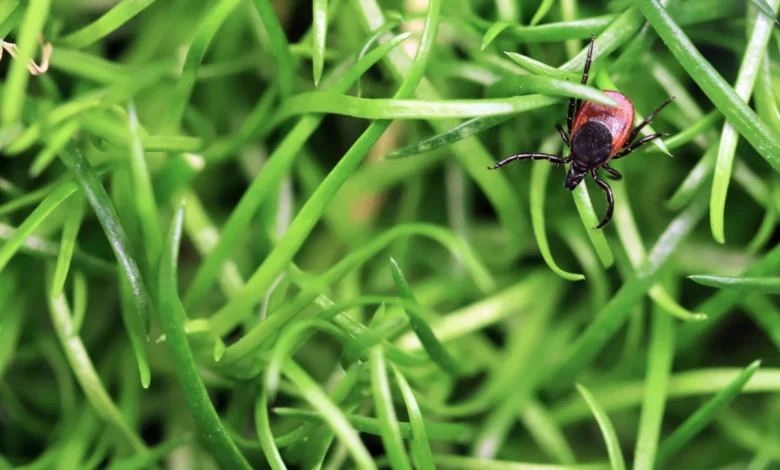
One of the primary reasons Lyme disease often evades early detection is the nature of the tick vector itself. The nymphal stage of the blacklegged tick, responsible for the majority of human infections, is minuscule, often no larger than a poppy seed or the tip of a ballpoint pen. This small size, coupled with the anesthetic properties of tick saliva, means that the bite frequently goes unnoticed. Even when a bite is detected, the resulting localized redness can be mistaken for a common insect bite.
The hallmark bullseye rash, erythema migrans, while indicative of Lyme disease, is not universally present. Studies suggest that only about 70-80% of infected individuals develop this characteristic rash. When it does appear, it can be misidentified as other dermatological conditions. Furthermore, Borrelia burgdorferi is a slow-growing bacterium, meaning that symptoms may not manifest for weeks, months, or even years after the initial infection. This delayed onset further contributes to diagnostic delays and the potential for the disease to progress.
The Multifaceted Presentation of Symptoms
When symptoms do emerge, they can be triggered by Borrelia burgdorferi or by one of the accompanying co-infections. For instance, Anaplasma and Ehrlichia, common co-infections, can induce acute illness within days or weeks of a tick bite. These infections can present with a range of symptoms including high fever, profound fatigue, and cognitive impairment, often mimicking other febrile illnesses. General flu-like symptoms, joint pain, and muscle aches are also common initial presentations, further blurring the lines with other conditions.
The migratory nature of joint pain is a distinguishing feature of Lyme disease. Unlike localized arthritis, Lyme-related joint pain often shifts from one joint to another, a characteristic that, while suggestive, still requires careful clinical evaluation. The disease’s capacity to affect multiple bodily systems has earned it the moniker "the great imitator," as it can manifest with symptoms that overlap with numerous other neurological, rheumatological, cardiac, and psychiatric conditions.
The Challenge of Persistent Symptoms
The typical medical approach to bacterial infections often involves a short course of antibiotics, predicated on the assumption of rapid bacterial replication. However, Borrelia burgdorferi‘s slow growth rate poses a significant challenge to this paradigm. Short antibiotic durations may prove insufficient to fully eradicate the infection, especially when the bacteria are in dormant or less metabolically active states.
The presence of co-infections exacerbates this issue. If only Borrelia burgdorferi is targeted during treatment, other pathogens may persist and continue to cause illness. This underscores the critical need for thorough diagnostic evaluation to identify all contributing infections and to consider the entire clinical presentation, rather than focusing on a single pathogen or a limited set of symptoms.
The Diagnostic Conundrum: Testing Limitations
Current Lyme disease testing primarily relies on detecting the body’s immune response to the infection rather than directly identifying the pathogen. The indirect nature of these tests presents a significant challenge, as the detectable antibody response may not emerge until several weeks after the initial infection. This can lead to false-negative results, particularly in the early stages of the illness, even when the pathogens are present. The CDC’s recommended two-tiered testing approach, while standard, can sometimes miss early or atypical presentations.

Consequently, clinical judgment plays a pivotal role in diagnosis. A detailed patient history, including exposure risks such as outdoor activities, occupation, pet ownership, and geographical location, is paramount. This comprehensive history, combined with a thorough assessment of the patient’s overall health and a broad diagnostic approach, forms the foundation for effective management.
A Holistic Approach to Treatment and Recovery
Recognizing the multifaceted nature of Lyme disease, many practitioners advocate for an integrated and holistic approach to treatment. This often begins with an extensive initial patient consultation, dedicating significant time to understanding their full medical background and lifestyle factors. This in-depth engagement allows for the development of a personalized care plan.
Nutrition and Lifestyle Modifications:
Diet plays a crucial role in managing inflammation, a key driver of many Lyme-related symptoms. Recommendations typically involve reducing the consumption of processed foods, refined carbohydrates, and excessive sugars, which can negatively impact the gut microbiome and exacerbate inflammation. Conversely, an anti-inflammatory diet rich in whole foods, fruits, vegetables, and healthy fats is often encouraged. Alongside dietary adjustments, mental health support is recognized as an equally vital component of recovery. The psychological toll of chronic illness necessitates counseling and emotional support to promote overall well-being.
Hyperbaric Oxygen Therapy (HBOT):
Hyperbaric oxygen therapy (HBOT) has emerged as a significant adjunct in the comprehensive treatment of Lyme disease. This therapy involves administering oxygen under pressure, thereby increasing oxygen levels in the blood and promoting oxygen delivery to tissues that may have compromised blood flow. This enhanced oxygenation is crucial for tissue repair and healing.
Beyond its restorative properties, HBOT also exhibits antimicrobial effects. Borrelia burgdorferi and some co-infections struggle to survive in highly oxygenated environments. The bacteria often form biofilms, protective layers that shield them from the immune system and hinder antibiotic penetration. HBOT can saturate the plasma with oxygen, delivering it directly to tissues and bypassing the limitations of blood flow. This high concentration of oxygen can disrupt biofilms and directly target the pathogens. Furthermore, HBOT can bolster the activity of white blood cells, enhancing the body’s immune response, and promote angiogenesis, the formation of new blood vessels, thereby improving circulation to affected areas. Clinicians report that HBOT can lead to significant improvements in neuroinflammation, cognitive function, fatigue, headaches, depression, sleep disturbances, and joint and muscle pain, accelerating recovery and improving patient outcomes.
Addressing Common Misconceptions
Several persistent misconceptions surround Lyme disease, hindering effective patient care and public understanding. These include the beliefs that Lyme is difficult to contract, easy to diagnose, and simple to treat. In reality, contracting Lyme is relatively easy in endemic areas, diagnosis is often challenging due to the limitations of testing and the disease’s varied presentation, and treatment can be protracted and complex.
Another prevalent misconception is that a single course of antibiotics is always sufficient. Given the slow-growing nature of Borrelia burgdorferi and the frequent presence of co-infections, prolonged or multi-faceted treatment strategies are often necessary. The idea that Lyme disease exists in isolation is also inaccurate; co-infections are common and must be identified and addressed for complete recovery.
The label of "post-treatment Lyme disease syndrome" (PTLDS) is sometimes applied to persistent symptoms after initial treatment. However, it is crucial to recognize that these lingering symptoms may indicate an incomplete treatment or an ongoing, unresolved aspect of the illness. If initial testing is negative but symptoms persist, repeat testing at a later stage may yield more accurate results, as the timing of testing significantly impacts its sensitivity. Ultimately, treatment decisions should be guided by clinical judgment, integrating laboratory findings with a comprehensive understanding of the patient’s individual circumstances.
The Broader Impact and Future Directions
The complexity of Lyme disease necessitates a paradigm shift in how it is understood and managed. Moving beyond a singular focus on a tick bite and a rash, a comprehensive approach that considers the entire patient—their biological terrain, lifestyle, and the presence of co-infections—is essential for successful treatment. This integrated model, which prioritizes detailed history-taking, thorough diagnostic evaluation, and personalized therapeutic interventions, offers a more promising path toward recovery for individuals grappling with this persistent and often debilitating illness. As research continues to unravel the intricacies of Lyme disease and its associated tick-borne pathogens, advancements in diagnostic tools and therapeutic modalities, such as HBOT, offer hope for improved outcomes and a better quality of life for affected individuals.