Bridging the Gap: How Wearable Health Data and AI are Transforming Modern Medicine

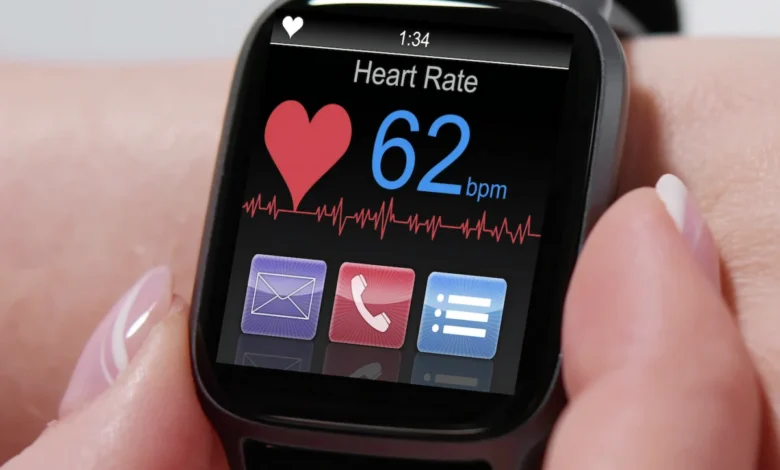
The modern landscape of preventative healthcare is undergoing a profound paradigm shift driven by the rapid evolution of consumer technology, artificial intelligence, and decentralized monitoring systems. Decades after the introduction of the first portable electrocardiogram, the healthcare sector finds itself at an unprecedented crossroads where consumer wellness devices increasingly overlap with clinical diagnostic tools. This convergence offers unprecedented opportunities for early disease detection and personalized medicine, yet it simultaneously introduces significant regulatory, clinical, and privacy challenges that healthcare systems must urgently navigate.
The Evolution of Remote Monitoring: From the Holter Monitor to Modern Wearables
The foundational concept of continuous physiological monitoring dates back to the 1960s, when biophysicist Norman J. “Jeff” Holter commercialized the portable electrocardiogram, famously known as the Holter monitor. Before this innovation, physicians relied primarily on standard in-clinic ECG snapshots to diagnose cardiac abnormalities. Holter famously criticized this limited approach, asserting in a 1983 retrospective paper that assessing a patient’s cardiac health from a single clinical visit was comparable to an engineer attempting to assay an entire mountain of ore by testing a single rock.
The introduction of the Holter monitor exposed a fundamental flaw in traditional diagnostics: sampling bias. Transient conditions such as cryptic heart arrhythmias, intermittent palpitations, or unexplained syncope—the medical term for fainting—frequently evade detection during brief, routine medical examinations. By allowing patients to be monitored continuously outside the controlled walls of a hospital, the Holter monitor ushered in a new era of proactive medicine, surfacing hidden findings before they escalated into acute, life-threatening events.
In the 21st century, this foundational philosophy has branched into two distinct yet increasingly overlapping categories. On one side are medical-grade devices strictly designed and calibrated for clinical use. On the other are commercial wellness products manufactured by companies such as Fitbit, Samsung, Garmin, and Oura. While consumer-grade hardware was initially marketed merely for general lifestyle tracking, accelerated technological advancements are steadily blurring the boundaries between casual wellness gadgets and clinical-grade diagnostic tools.

Regulatory Adaptations and Federal Initiatives
Recognizing the rapid consumer adoption of health-tracking technology, federal regulatory bodies and research agencies are actively updating their frameworks to accommodate and accelerate innovation. In January, during the Consumer Technology Association’s CES show, then-Food and Drug Administration (FDA) Commissioner Marty Makary announced that the agency was updating its regulatory guidance governing oversight of wearable technologies and artificial intelligence-enabled medical devices. The primary objective of this regulatory shift is to streamline approval pathways and accelerate time-to-market for innovative digital health tools.
Concurrently, the FDA and the Centers for Medicare & Medicaid Services (CMS) have initiated two pivotal pilot programs: ACCESS and TEMPO (Technology-Enabled Meaningful Patient Outcomes). These programs are designed to facilitate insurance reimbursement for approved digital health devices that demonstrably improve health outcomes for patients managing chronic conditions such as hypertension, diabetes, and clinical depression. Under the TEMPO pilot, select digital health devices can achieve distribution and real-world implementation while companies simultaneously collect real-world performance data, departing from traditional, protracted regulatory pathways.
Furthermore, the Advanced Research Projects Agency for Health (ARPA-H) launched a dedicated initiative known as Delphi. This federal program aims to supercharge the development of low-cost wearable and ingestible biosensors capable of continuously tracking biomarkers that have historically been difficult to measure remotely, including circulating hormones, critical immune markers, and therapeutic drug levels.
The Clinical Promise: Visibility and Preventative Care
The clinical utility of these technological advancements is substantial. Consumer-grade wearables have repeatedly demonstrated their capacity to act as early warning systems, alerting users to undiagnosed physiological anomalies. Countless individuals have credited smartwatch notifications with prompting them to seek timely medical evaluation for previously unrecognized atrial fibrillation.
Similarly, the advent of continuous glucose monitors (CGMs), highlighted by clearances such as Dexcom’s over-the-counter Stelo system, has revolutionized metabolic health management. These devices enable users to map direct correlations between dietary intake, physical exertion, sleep architecture, stress levels, and real-time blood glucose fluctuations. Emerging clinical evidence suggests that even individuals without diabetes can derive modest preventative benefits by utilizing CGMs to optimize their metabolic health and reduce systemic inflammation.

Broadly speaking, population-level studies have consistently linked the adoption of wearable fitness trackers with measurable increases in daily physical activity. However, as consumer-generated data increasingly mirrors clinical diagnostic information, medical professionals face an urgent imperative: establishing rigorous validation standards for data generated outside traditional laboratory settings.
Standards, Proprietary Algorithms, and Validation Challenges
Historically, diagnostic medicine has operated under a strict validation framework. Hospital laboratories are governed under the federal Clinical Laboratory Improvement Amendments (CLIA) and frequently hold accreditation from organizations such as the College of American Pathologists (CAP). Under this stringent regulatory regime, laboratory-developed tests must undergo comprehensive in-house and clinical validation before being cleared for patient care.
Applying this rigorous standard to consumer wearables presents unique structural challenges. Most commercial fitness trackers rely on proprietary algorithms to generate composite wellness metrics—such as "readiness scores," "sleep scores," or cardiovascular recovery indices—rather than reporting raw, standardized concentrations of conventional clinical biomarkers. Although these proprietary scores typically ingest physiological inputs like heart-rate variability, core body temperature, and accelerometer-measured movement, each manufacturer weights these variables differently. Crucially, these proprietary scores are rarely tied to an independent, universally accepted predictor of specific pathological conditions.
Validation studies underscore these limitations. While commercial sleep trackers generally exhibit high reliability in detecting sleep onset and morning wake times, they demonstrate significantly lower accuracy when attempting to distinguish between complex physiological stages of sleep. Furthermore, metrics such as heart-rate variability can vary widely between different device manufacturers, and because the absolute values lack universal diagnostic correlation, clinicians cannot reliably utilize them for isolated disease diagnosis.
The limitations of population-scale screening are further illustrated by landmark clinical investigations. In a massive study supported by Apple, researchers enrolled nearly 419,300 adult participants utilizing a smartwatch application designed to detect irregular pulse rhythms. During the active study period, more than 2,000 participants received automated notifications regarding an irregular pulse. However, subsequent clinical evaluation confirmed atrial fibrillation in only about one-third of those who sought follow-up care. This disparity highlights both the immense screening potential of consumer technology and the significant operational burden false positives place on an already strained healthcare infrastructure.

The Double-Edged Sword of Artificial Intelligence
The integration of artificial intelligence into healthcare further complicates the management of wearable data. Patients are increasingly turning to generative AI chatbots and symptom checkers to interpret their daily metrics, while physicians rapidly adopt AI tools for clinical documentation, diagnostic support, and workflow efficiency.
In theory, advanced large language models possess the computational capacity to synthesize massive streams of continuous wearable data, identifying subtle physiological trends before they manifest as acute disease. In practice, however, AI systems carry the risk of confidently misinterpreting poorly standardized physiological signals, exacerbating false-positive rates, and generating unwarranted patient anxiety that translates into unnecessary clinical visits.
Experts emphasize that a wearable signal should not merely function as an alarming notification. Instead, it must serve as an actionable tool to identify genuinely at-risk patients and foster meaningful, sustained behavioral modifications. If artificial intelligence is to successfully bridge the gap between raw biometric data and clinical action, it must function transparently as a reliable clinical assistant—proactively identifying adverse physiological trends and ensuring vulnerable patients do not fall through the cracks of the healthcare system.
Privacy Vulnerabilities in the Era of Big Data
Beyond clinical and operational hurdles, the proliferation of consumer-generated health data raises profound regulatory and ethical concerns regarding consumer privacy. Unlike traditional medical records strictly protected by the Health Insurance Portability and Accountability Act (HIPAA), data collected by commercial wearable devices largely falls outside these federal privacy protections.
This regulatory loophole permits commercial entities to monetize user-generated health telemetry. Data sold on the open commercial data broker market can potentially be acquired by corporate employers, commercial health insurance providers, or law enforcement agencies. Such data can be algorithmically analyzed to infer sensitive personal information, including psychological stress levels, emotional moods, and granular behavioral patterns such as sleep schedules and daily routines.

Legislative efforts have periodically attempted to address these glaring vulnerabilities. Past proposals such as the SMARTWATCH Data Act sought to restrict the unauthorized sale or sharing of consumer health information, while more recent initiatives like the Health Information Privacy Reform Act aim to extend robust, HIPAA-like protections to health data harvested outside traditional clinical environments. These legislative measures reflect a growing consensus among policymakers that consumer health data privacy requires urgent structural reinforcement.
Moving Forward: Decentralized Medicine with Accountability
Despite valid concerns regarding algorithmic opacity, false positives, and data privacy, medical professionals increasingly recognize that the momentum behind wearable technology is irreversible. By granting individuals direct visibility into their own physiology, wearables empower patients to take an active role in disease prevention long before pathological conditions manifest in a clinical setting.
Supportive regulatory tailwinds from federal entities such as the FDA, CMS, and ARPA-H clearly indicate that wearable technology is transitioning from casual consumer wellness to mainstream preventative medicine. However, if the future healthcare laboratory is to be decentralized and distributed across the bodies of millions of citizens, it must be constructed with the same uncompromising standards of scientific rigor, validation, transparency, and clinical accountability that have governed laboratory medicine for generations.
By upholding these principles, the medical community can successfully honor the visionary legacy of Jeff Holter—ensuring that human health is evaluated through continuous, comprehensive understanding rather than fleeting, isolated snapshots.