A Widely Used Antihistamine Recalled Nationwide Due to Life-Threatening Cross-Contamination with Ulcer Medication

Consumers reaching for their routine allergy medication, generic cetirizine, are advised to scrutinize their bottles following a nationwide recall of four specific lots. The U.S. Food and Drug Administration (FDA) has classified the contamination risk as potentially life-threatening, prompting Unique Pharmaceutical Laboratories, based in Panoli, Gujarat, India, to initiate a voluntary recall on July 18, 2026. The affected tablets, distributed across the United States by Rising Pharma Holdings, were found to be cross-contaminated with ranitidine, a distinct medication once widely prescribed for ulcers and acid reflux.
This significant recall highlights critical vulnerabilities within the global pharmaceutical supply chain and underscores the paramount importance of stringent quality control measures at every stage of drug manufacturing and distribution. While the immediate focus is on patient safety, the incident also reignites discussions surrounding regulatory oversight, manufacturing best practices, and the mechanisms by which such dangerous contaminations can occur and be detected.
Specifics of the Nationwide Recall
The recall pertains specifically to Cetirizine Hydrochloride Tablets USP 5 mg, packaged in 100-tablet bottles. The product can be identified by its National Drug Code (NDC) 16571-401-10. Four distinct manufacturing lots have been identified as affected by the contamination, all sharing a common expiration date, March 2027. These critical lot numbers are:
- Lot 6955002
- Lot 6955003
- Lot 6955004
- Lot 6955005
The lot number, alongside the NDC number, is clearly printed on the bottle label. Consumers in possession of generic cetirizine are strongly urged to verify these identifiers against the provided list. Unique Pharmaceutical Laboratories, a division of J.B. Chemicals & Pharmaceuticals, is the manufacturer, with Rising Pharma Holdings responsible for its distribution throughout the United States. The recall encompasses all units from these specified lots that have been distributed nationwide.
The Contamination Crisis: Ranitidine’s Return
The core of this recall lies in the unexpected presence of ranitidine within cetirizine tablets. Cetirizine, the active ingredient in popular over-the-counter allergy medications like Zyrtec, is an antihistamine used to relieve symptoms of hay fever and other allergies. Ranitidine, on the other hand, is an H2 blocker, historically marketed under the brand name Zantac, and was widely used to reduce stomach acid production, treating conditions such as ulcers, gastroesophageal reflux disease (GERD), and heartburn.
The juxtaposition of these two entirely different classes of drugs within a single tablet creates a profound and unpredictable health risk. Patients taking an allergy medication have no reason to anticipate, much less monitor for, adverse reactions associated with an acid reducer. The FDA’s risk assessment is unequivocal: individuals with a hypersensitivity to ranitidine could experience severe allergic reactions, including anaphylaxis. Anaphylaxis is a rapid-onset, potentially life-threatening allergic reaction characterized by symptoms such as a sudden drop in blood pressure, difficulty breathing or swallowing, swelling of the throat and face, widespread hives, and loss of consciousness. The agency explicitly states that these symptoms are potentially fatal if not promptly addressed.
Adding a layer of complexity and concern, ranitidine itself was subject to a major global recall in 2020. That recall, orchestrated by the FDA and other international regulatory bodies, was due to the detection of unacceptable levels of N-nitrosodimethylamine (NDMA), a probable human carcinogen, in ranitidine products. While the current contamination issue is entirely distinct from the NDMA concern, its occurrence in a drug already under scrutiny amplifies public apprehension regarding pharmaceutical safety and manufacturing integrity. The fact that ranitidine, a drug previously removed from the market due to safety concerns, is now reappearing as a contaminant in an unrelated medication underscores a serious breakdown in quality control.
As of the recall announcement on July 20, 2026, no adverse events directly tied to this specific cross-contamination incident had been reported. However, the FDA’s proactive stance and classification of the risk as "potentially life-threatening" underscore the gravity of the situation and the imperative for immediate consumer action.
The Discovery: Vigilance at the Pharmacy Counter
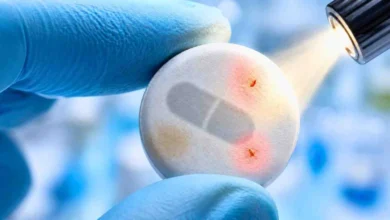
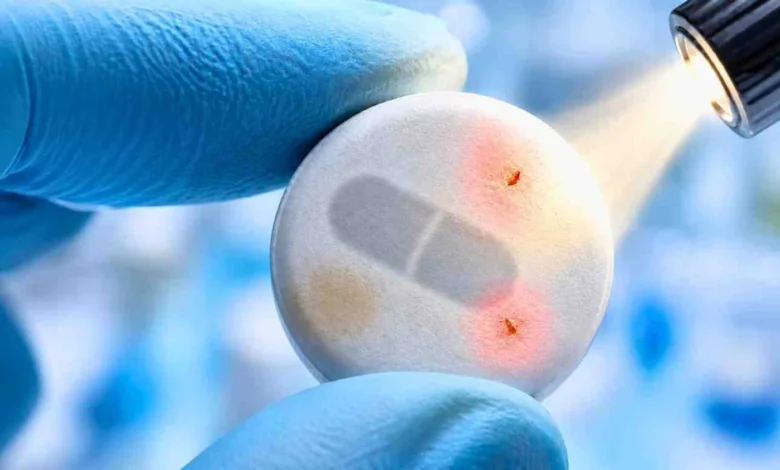
The detection of this critical contamination was not the result of automated machinery or routine laboratory testing, but rather the acute observation of a pharmacy technician. According to the company’s recall notice, the issue came to light when a technician, while counting out tablets for a prescription, noticed irregularities. Some pills displayed unusual red dots, while others exhibited discoloration that deviated from the expected appearance of cetirizine tablets.
This visual discrepancy prompted a product complaint, which subsequently triggered an investigation. The investigation confirmed the cross-contamination with ranitidine, validating the technician’s initial suspicion. This incident serves as a powerful reminder of the irreplaceable role of human vigilance in quality assurance, particularly in environments where automated checks might fail to detect subtle but critical deviations. It highlights that even in highly regulated industries, the "human element" remains a vital safeguard against manufacturing errors that could compromise patient safety. The meticulous attention to detail by a single individual prevented what could have become a widespread public health crisis, reinforcing the importance of every step in the pharmaceutical supply chain, from manufacturing floor to dispensing counter.
Timeline of Events and Regulatory Response
The sequence of events leading to this nationwide recall underscores the swift action required once a serious manufacturing flaw is identified:
- Prior to July 18, 2026: A pharmacy technician identifies visual discrepancies (red dots, discoloration) in cetirizine tablets, leading to a product complaint.
- Following Complaint: An investigation is launched by Unique Pharmaceutical Laboratories and/or its distributor, Rising Pharma Holdings, confirming the cross-contamination with ranitidine.
- July 18, 2026: Unique Pharmaceutical Laboratories initiates a voluntary nationwide recall of the affected cetirizine lots. This initiation signifies the company’s acknowledgement of the severe risk and its commitment to removing the product from circulation.
- July 20, 2026: The U.S. Food and Drug Administration publicly announces the recall, disseminating critical information to healthcare providers, pharmacies, and the general public. The FDA’s announcement includes the classification of the risk, specific product details, and instructions for consumers.
The FDA plays a pivotal role in overseeing the safety and efficacy of drugs marketed in the U.S., including those manufactured abroad. When a recall is initiated, the FDA monitors the company’s actions to ensure effective removal of the product from the market. Recalls are categorized into three classes based on the severity of the health risk:

- Class I Recall: This is the most serious type, involving a situation where there is a reasonable probability that the use of or exposure to a violative product will cause serious adverse health consequences or death. The cetirizine recall, due to the "potentially life-threatening" risk of anaphylaxis, falls squarely into this category.
- Class II Recall: Involves a situation where use of or exposure to a violative product may cause temporary or medically reversible adverse health consequences or where the probability of serious adverse health consequences is remote.
- Class III Recall: Involves a situation where use of or exposure to a violative product is not likely to cause adverse health consequences.
The FDA’s classification of this event as a Class I recall mandates immediate and widespread public notification, urging consumers and healthcare professionals to take prompt action. The agency’s oversight extends to ensuring that pharmaceutical manufacturers, regardless of their geographic location, adhere to current Good Manufacturing Practices (cGMP) to prevent such contaminations.
Broader Implications for Patient Safety and Pharmaceutical Manufacturing
This incident carries significant implications, extending beyond the immediate recall of a single product. It casts a spotlight on several critical aspects of the global pharmaceutical industry:
Quality Control in Global Supply Chains
The fact that the manufacturer is based in India highlights the complexities of monitoring quality standards across international borders. While the FDA conducts inspections of foreign manufacturing facilities, the sheer volume and geographical dispersion of these sites present ongoing challenges. This recall underscores the need for robust, real-time quality management systems that can detect and prevent cross-contamination, regardless of where the drug is produced.
Adherence to Current Good Manufacturing Practices (cGMP)
Cross-contamination of active pharmaceutical ingredients (APIs) is a direct indicator of a failure in cGMP. These regulations, enforced by the FDA, ensure that products are consistently produced and controlled according to quality standards. Failures leading to cross-contamination can include:
- Inadequate Cleaning Procedures: Insufficient cleaning of shared equipment between batches of different drugs.
- Poor Facility Design: Lack of proper segregation between manufacturing lines for different products.
- Operational Lapses: Errors in material handling, labeling, or personnel practices.
- Insufficient Validation: Failure to adequately validate cleaning processes or equipment usage.
The presence of ranitidine in cetirizine suggests a breakdown in one or more of these fundamental cGMP principles, demanding a thorough investigation into the manufacturing processes at Unique Pharmaceutical Laboratories.
Erosion of Public Trust
Incidents like this, especially involving commonly used over-the-counter medications, can severely erode public trust in generic drugs and the pharmaceutical industry as a whole. Consumers rely on the assumption that the medications they purchase are safe, correctly labeled, and free from dangerous contaminants. Repeated recalls, particularly for "life-threatening" issues, can lead to widespread anxiety and skepticism, potentially causing patients to avoid necessary medications or question the efficacy of regulatory bodies.
Enhanced Regulatory Scrutiny
This recall is likely to trigger increased scrutiny from the FDA on Unique Pharmaceutical Laboratories and potentially other manufacturers operating under similar conditions. This could lead to more frequent and rigorous inspections, import alerts, warning letters, and even sanctions if systemic failures are identified. The FDA’s mandate is to protect public health, and incidents of this magnitude often result in strengthened enforcement actions and policy reviews.
Impact on Patients and Healthcare Systems
Beyond the immediate health risks, this recall creates significant inconvenience and anxiety for patients. They must now check their medications, return affected products, and potentially seek alternative treatments. For healthcare providers, it means fielding patient inquiries, advising on product identification, and managing potential adverse reactions. While no adverse events have been reported yet, the potential for serious harm creates a significant burden on the healthcare system.
Guidance for Consumers and Healthcare Providers
For individuals who currently possess or have recently used generic cetirizine, immediate action is crucial:
- Check Your Medication: Carefully examine your bottle of Cetirizine Hydrochloride Tablets USP 5 mg. Verify the NDC number (16571-401-10) and, most importantly, the lot number against the list of affected lots (6955002, 6955003, 6955004, 6955005).
- Discontinue Use Immediately: If your medication matches the recalled lots, stop taking it without delay.
- Contact Rising Pharma Holdings: To arrange for the return of the affected product and inquire about replacement or refund, contact Rising Pharma Holdings at 1-844-874-7464. Their lines are open weekdays from 8 a.m. to 5 p.m. ET. You can also reach them via email at [email protected].
- Seek Medical Advice: If you have taken tablets from an affected lot and experience any unusual symptoms, particularly those associated with severe allergic reactions such as swelling (especially of the face or throat), difficulty breathing, dizziness, widespread hives, or a sudden drop in blood pressure, contact your doctor or seek emergency medical attention immediately.
- Report Adverse Reactions: Adverse reactions or quality problems experienced with this product, or any other medication, should be reported to the FDA’s MedWatch Adverse Event Reporting program. This can be done online, by regular mail, or by fax. Reporting helps the FDA monitor product safety and identify potential issues that might otherwise go unnoticed.
Pharmacies and distributors are also instructed to quarantine and return any remaining stock of the affected lots. Healthcare providers should be aware of the recall to counsel their patients appropriately and monitor for any potential ranitidine-related adverse effects in patients who may have inadvertently consumed the contaminated product.
Preventative Measures and Future Outlook
The pharmaceutical industry, in collaboration with regulatory bodies, continuously strives to enhance safety protocols. Lessons learned from incidents like this cetirizine recall are instrumental in driving improvements. Future preventative measures will likely focus on:
- Strengthening cGMP Compliance: Renewed emphasis on strict adherence to cleaning validation protocols, segregation of manufacturing lines, and robust quality management systems, especially for facilities producing multiple drug products.
- Advanced Analytical Testing: Implementation of more sophisticated and rapid analytical techniques to detect trace levels of contaminants before products reach the market.
- Supply Chain Transparency: Improving visibility and traceability across the entire supply chain, from raw material sourcing to finished product distribution, to quickly identify and isolate issues.
- Enhanced Regulatory Collaboration: Increased international cooperation between regulatory agencies to harmonize standards and streamline oversight of global pharmaceutical manufacturing.
The recall of cetirizine due to ranitidine contamination serves as a stark reminder that even widely used, seemingly innocuous medications can pose significant risks when quality control falters. It underscores the critical importance of a multi-layered approach to drug safety, involving vigilant manufacturers, robust regulatory oversight, attentive healthcare professionals, and informed, proactive consumers, all working in concert to safeguard public health against unforeseen pharmaceutical hazards.