Leipzig University Researchers Identify GPR133 Receptor and AP503 Compound as Breakthrough Target in Combating Osteoporosis and Muscle Decline

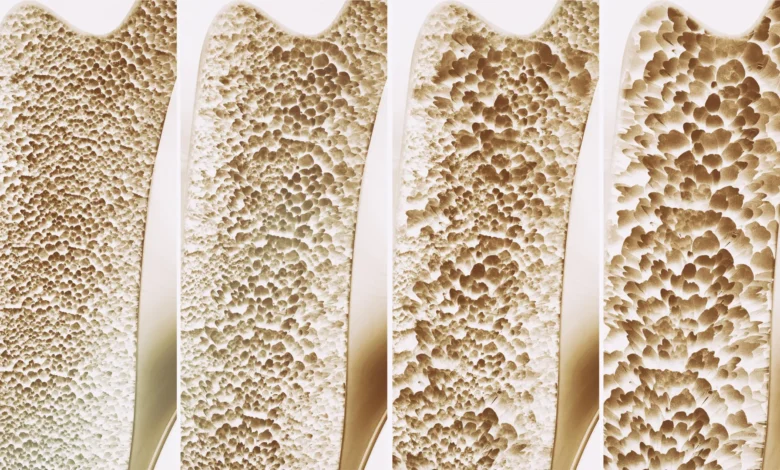
Osteoporosis remains one of the most formidable silent epidemics of the modern medical landscape, steadily stripping individuals of their skeletal integrity long before a catastrophic fracture signals its presence. Characterized by a systemic deterioration of bone microarchitecture and a corresponding loss of bone mass, the condition elevates skeletal fragility to dangerous extremes. Globally, hundreds of millions of people suffer from the disease, but the burden is particularly acute in aging populations. In Germany alone, an estimated six million individuals are currently affected, with postmenopausal women representing the overwhelming majority of these cases due to the rapid withdrawal of protective estrogen following menopause. For decades, the medical community has grappled with the management of osteoporosis because existing pharmacological interventions—ranging from bisphosphonates to various hormone therapies—frequently carry limitations, diminishing long-term efficacy, or problematic side effects that preclude extended use. Consequently, the pursuit of novel biological targets capable of halting bone degradation or safely stimulating bone regeneration has assumed urgent priority.
A major scientific breakthrough has now emerged from the Rudolf Schönheimer Institute of Biochemistry at Leipzig University’s Faculty of Medicine. A team of molecular biologists and biochemists has identified a little-known cellular entity, the GPR133 receptor, as a crucial regulator of bone strength and metabolism. This discovery not only sheds new light on the fundamental mechanics of skeletal maintenance but also introduces a promising therapeutic candidate: a computer-screened substance known as AP503. By effectively stimulating GPR133, this compound has demonstrated a remarkable ability to increase bone strength in both healthy subjects and experimental models of osteoporosis. Furthermore, because this receptor activation operates through finely tuned cellular signaling pathways that govern both bone-forming and bone-resorbing cells, the finding opens unprecedented avenues for treating musculoskeletal degeneration in an aging global demographic.
Decoding the Adhesion G Protein-Coupled Receptor Family
To understand the magnitude of the Leipzig team’s findings, one must examine the unique biological family to which GPR133 belongs: the adhesion G protein-coupled receptors (aGPCRs). These specialized proteins reside on the outer membrane of mammalian cells, acting as critical sentinels that allow the cell to sense and respond to its mechanical and chemical environment. Unlike classical GPCRs that bind small soluble molecules like hormones or neurotransmitters, adhesion GPCRs possess unusually long, structurally complex extracellular domains. These domains are frequently tethered to the extracellular matrix or adjacent cellular surfaces, equipping the receptors to translate physical forces, cellular tension, and local tissue strain into intracellular biochemical signals.
Despite their critical importance in development, tissue homeostasis, and sensory perception, aGPCRs have historically been among the least understood classes of membrane receptors. Often termed "orphan receptors" because their endogenous ligands and precise physiological roles remained elusive for decades, they represent a vast, untapped frontier in pharmacology. The work being spearheaded at Leipzig University is part of a larger, long-term institutional commitment to unraveling these complex proteins. For more than a decade, the university has made adhesion G protein-coupled receptors a core research priority, largely anchored by Collaborative Research Center 1423, titled Structural Dynamics of GPCR Activation and Signaling. This interdisciplinary research hub is dedicated to mapping out how these large receptors change shape, undergo mechanical activation, and transmit signals across the cellular membrane.
Within this framework, Professor Ines Liebscher and her research group at the Rudolf Schönheimer Institute turned their focus toward GPR133. Previous genetic observations had hinted that the receptor was not merely a passive structural component, but an active player in physiological health. When researchers examined animal models in which the gene encoding GPR133 had been impaired or knocked out through genetic modification, the subjects exhibited unmistakable symptoms of early-onset bone density loss. This structural degradation bore a striking resemblance to the pathology of human osteoporosis, suggesting that baseline signaling through GPR133 is an absolute prerequisite for maintaining a resilient, dense skeleton.
From Computer-Assisted Screening to Therapeutic Validation
The transition from observing a genetic correlation to developing a targeted pharmacological intervention represents a textbook triumph of modern computational and biochemical methodology. Recognizing that GPR133 was a viable biological target for bone preservation, the Leipzig research team needed a way to artificially stimulate the receptor to compensate for natural deficits or disease-related decline. This challenge was met through advanced computer-assisted drug discovery techniques. By screening vast libraries of chemical compounds via sophisticated computational models, scientists successfully identified AP503 as a specific and potent stimulator of the GPR133 receptor.
Once identified in silico, AP503 was advanced to rigorous biological testing under the direction of lead investigator Professor Ines Liebscher and lead author Dr. Juliane Lehmann. In experimental evaluations, the administration of AP503 yielded striking results. When introduced to both healthy mouse models and those explicitly engineered to mimic osteoporotic bone loss, the substance significantly increased overall bone strength and density. The compound appeared to effectively mimic or enhance the natural activation processes of GPR133, demonstrating that pharmacological intervention could successfully override disease pathways and reinforce skeletal architecture.
Cellular Mechanics: Balancing Bone Formation and Resorption
To fully appreciate how AP503 and GPR133 exert their protective effects, one must look deep inside living bone tissue, where a continuous, lifelong remodeling process takes place. Bone is not an inert scaffold; it is a dynamic, living organ subject to constant breakdown and rebuilding. This delicate equilibrium is managed primarily by two opposing types of specialized cells: osteoblasts and osteoclasts. Osteoblasts are the master builders, synthesizing the organic matrix and coordinating its subsequent mineralization to create fresh, durable bone tissue. Conversely, osteoclasts are the biological demolition crew, specialized cells that resorb old, micro-damaged, or structurally compromised bone as part of the body’s natural renewal cycle.
In a healthy skeleton, the activities of osteoblasts and osteoclasts are held in a finely calibrated balance. However, as individuals age—and particularly in women undergoing menopause, where estrogen levels plummet—this balance is severely disrupted. Osteoclast activity surges ahead of osteoblast formation, resulting in a net loss of bone mass that leaves the skeleton porous, brittle, and highly vulnerable to fractures.
The activation of GPR133 by physical forces, cellular interactions, or pharmacological agents like AP503 directly alters this destructive cellular dynamic. Researchers discovered that when GPR133 is stimulated, it initiates a precise intracellular signaling cascade that concurrently encourages the proliferation and activity of bone-forming osteoblasts while suppressing the destructive impulses of bone-resorbing osteoclasts. By shifting the cellular ledger in favor of anabolism over catabolism, AP503 promotes the accumulation of stronger, more resilient bone tissue. This mechanism offers a distinct advantage over many conventional osteoporosis therapies, which often merely slow down bone resorption without actively encouraging the generation of new matrix.
A Dual Benefit for Aging Populations: Strengthening Both Bone and Muscle
Perhaps the most exciting dimension of the Leipzig findings is that the therapeutic potential of GPR133 activation does not appear to stop at the skeletal system. In a significant convergence of physiological systems, recent investigations have revealed that AP503 possesses profound pleiotropic effects, influencing muscular tissue alongside bone.
In an earlier foundational study published prior to the latest bone-centric findings, researchers at Leipzig University demonstrated that stimulating GPR133 with AP503 also significantly strengthens skeletal muscle. This dual action is of paramount importance for geriatric medicine and the health of aging populations worldwide. As people age, they frequently experience a concurrent decline in both muscle mass and bone density—a closely linked clinical syndrome known clinically as osteosarcopenia. While fragile bones increase the risk of fractures from even minor falls, weakened muscles compromise balance, stability, and mobility, making falls far more likely in the first place.
Addressing both tissues simultaneously has long been a holy grail for researchers seeking comprehensive interventions for age-related physical decline. "The newly demonstrated parallel strengthening of bone once again highlights the great potential this receptor holds for medical applications in an aging population," noted Dr. Juliane Lehmann, lead author of the study and a researcher at the Rudolf Schönheimer Institute of Biochemistry. A therapeutic agent capable of bolstering both structural framework and motor power could fundamentally transform how clinicians approach geriatric care, offering a unified defense against the cascading frailties of old age.
Broader Implications, Future Horizons, and Clinical Roadmaps
While the preclinical data generated at Leipzig University represents a major milestone in pharmacological research, translational scientists emphasize that the journey from animal models to human clinical trials requires careful, methodical progression. The research team is currently pursuing a series of comprehensive follow-up projects designed to expand upon their initial findings. These investigations include mapping out the exact molecular signaling cascades downstream of GPR133 in even greater detail, assessing the long-term pharmacokinetics and safety profile of AP503, and exploring whether the compound might hold therapeutic value for other degenerative or inflammatory conditions throughout the body.
Furthermore, investigators are actively examining the broader physiological functions of GPR133 in non-skeletal tissues. Because adhesion G protein-coupled receptors are expressed across a wide variety of cell types—including endothelial cells, immune cells, and neurons—understanding the systemic footprint of receptor activation is critical to ensuring that future therapies are both effective and free from unintended off-target consequences.
The implications for public health, should these compounds successfully transition through clinical development, are profound. Osteoporosis currently accounts for millions of hospital admissions and debilitating fractures annually, placing a staggering financial and operational burden on healthcare systems globally. Current treatments, while helpful, are often limited by patient compliance issues, rare but severe side effects such as atypical femoral fractures or osteonecrosis of the jaw, and diminishing returns over years of continuous use. A targeted biological therapy that leverages the body’s own mechanical sensing machinery via receptors like GPR133 could circumvent many of these traditional pharmacological hurdles.
As Leipzig University continues its pioneering work through Collaborative Research Center 1423 and the Rudolf Schönheimer Institute, the scientific community watches with keen interest. The identification of GPR133 as a master regulator of musculoskeletal health, coupled with the successful deployment of stimulating agents like AP503, marks a sophisticated new chapter in the fight against degenerative aging. By bridging the gap between computational drug discovery, structural biology, and translational medicine, these findings bring researchers one step closer to therapies that can reliably restore strength, mobility, and independence to millions of aging individuals worldwide.