Lettuce Recall Issued Amidst Widespread Cyclospora Outbreak: What Consumers Need to Know About Food Safety and Unrelated Clusters

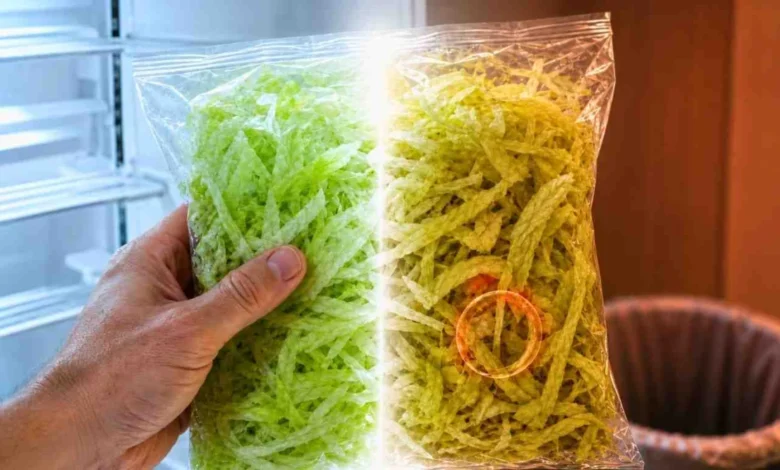
Consumers who have recently purchased bagged or shredded iceberg lettuce are advised to exercise caution and inspect their produce following a significant recall linked to a fast-growing Cyclospora parasite outbreak. This public health alert underscores the ongoing challenges in food safety, particularly concerning fresh produce, and highlights a complex situation involving both a specific, identifiable source and numerous seemingly unrelated illness clusters across the United States. While one major recall addresses a confirmed link, the broader landscape of Cyclospora infections this summer suggests a multifaceted public health challenge that extends beyond a single culprit.
Unraveling the Recall: Taylor Farms de México and Contaminated Iceberg Lettuce
The immediate catalyst for this heightened alert is the recall announced on July 17 by Taylor Farms de México. The company initiated a voluntary recall of all iceberg lettuce sourced from its central Mexico farms that had been distributed to the U.S. market. This action came after a thorough traceback investigation conducted by the U.S. Food and Drug Administration (FDA) identified this specific supplier as a common thread connecting a cluster of Cyclospora infections.
The recalled produce encompasses iceberg lettuce sold to both retail establishments and food service operators. This includes popular Brands such as Marketside-brand bagged salad products, widely available at Walmart stores. The distribution footprint for the recalled lettuce is extensive, covering numerous states including, but not limited to, Alabama, Connecticut, Georgia, Massachusetts, and Texas. The period of concern for this specific recall spans from June 29 to July 16, during which time the potentially contaminated product would have been in circulation.
For consumers, verifying the origin of their iceberg lettuce can be challenging. If the packaging lacks clear sourcing information or if the product was purchased from a bulk bin or served at a restaurant, direct inquiry with the retailer or establishment is recommended. In cases of uncertainty, public health officials advise erring on the side of caution and discarding the product to prevent potential illness. This recall serves as a critical, targeted response to a specific contamination event, aiming to remove the identified hazardous product from the supply chain and mitigate further exposures.
The Cyclospora Threat: Understanding the Parasite and Its Impact
Cyclospora cayetanensis is a microscopic parasite that can cause an intestinal infection known as cyclosporiasis. Unlike many bacterial foodborne pathogens, Cyclospora is not easily destroyed by common disinfectants like chlorine and requires specific conditions to be rendered inactive. Humans become infected by consuming food or water contaminated with the parasite. Symptoms typically develop about one week after exposure, though the incubation period can range from 2 to 14 days.
The hallmark symptom of cyclosporiasis is sudden, watery diarrhea, which can be severe and prolonged, often lasting for weeks or even months if untreated. Other common symptoms include loss of appetite, weight loss, abdominal cramps, bloating, increased gas, nausea, and fatigue. Vomiting and low-grade fever are less common but can occur. The illness can be debilitating, leading to dehydration and nutrient deficiencies, particularly in vulnerable populations. Diagnosis requires specific laboratory testing of stool samples, as Cyclospora oocysts are not routinely detected by standard stool parasite examinations. Treatment typically involves a course of antibiotics, most commonly trimethoprim-sulfamethoxazole.
Cyclospora outbreaks are frequently linked to the consumption of fresh produce that has been contaminated with feces containing the parasite. Contamination can occur at various stages, from irrigation water in the fields, through harvesting and processing, to handling by infected food workers. Leafy greens, berries, and herbs have been implicated in past outbreaks due to their common consumption raw and their often intricate surface structures, which can harbor the parasite. The seasonal nature of Cyclospora outbreaks, predominantly occurring during the spring and summer months in North America, is often attributed to agricultural practices, increased import of fresh produce, and environmental factors conducive to parasite survival.
The Taco Bell Connection: A Confirmed Outbreak Cluster
A significant portion of the recent Cyclospora cases has been directly tied to the consumption of shredded iceberg lettuce served at Taco Bell locations in five specific states: Michigan, Ohio, Indiana, Kentucky, and West Virginia. As of mid-July, federal and state health agencies confirmed over 1,600 Cyclospora infections among individuals who reported eating at affected Taco Bell restaurants within these states. Of these confirmed cases, at least 94 individuals required hospitalization due to the severity of their symptoms, though thankfully, no deaths have been reported.
The rapid identification of Taco Bell as a common exposure point allowed public health officials to focus their traceback efforts. Collaboration between state health departments, the Centers for Disease Control and Prevention (CDC), and the FDA was crucial in narrowing down the source to the specific lettuce supplier, Taylor Farms de México. This swift action enabled the targeted recall of the contaminated product, aiming to prevent further illnesses from this particular cluster. Taco Bell, in cooperation with health authorities, promptly removed the implicated lettuce from its menus in the affected regions and shifted to alternative suppliers to ensure the safety of its customers. This incident highlights the critical role of robust public health surveillance and rapid response mechanisms in mitigating the impact of foodborne disease outbreaks.
Individuals who consumed food at a Taco Bell in one of these five states during the specified period and subsequently developed symptoms consistent with cyclosporiasis are strongly urged to contact their healthcare provider. It is important to specifically request a Cyclospora test, as it requires specialized diagnostic procedures not typically included in routine stool analyses. Early diagnosis and treatment are key to managing the infection and preventing prolonged illness.
A Broader National Picture: Unconnected Cyclospora Surges
While the recall of Taylor Farms de México lettuce addresses a significant and confirmed cluster of Cyclospora infections, it is crucial to understand that this does not account for the entirety of the national outbreak landscape. This year has witnessed an unusually high number of cyclosporiasis cases across the United States, far exceeding the confirmed 1,600 cases linked to the Taco Bell cluster. Nationally, nearly 7,000 cyclosporiasis cases have been reported across 34 states, indicating a much broader public health challenge.
Health departments in several states, including Illinois, Indiana (beyond the Taco Bell cluster), Iowa, and North Carolina, have reported unusually high case counts of their own this summer. Significantly, officials in these states have explicitly stated that their investigations have not identified a common source for their respective clusters and do not believe these cases are connected to the Midwest Taco Bell outbreak. For instance, the Massachusetts Department of Public Health confirmed that there was no evidence linking the Midwest outbreak to any cases reported within its state.
This pattern suggests that the current situation is not one monolithic, interconnected outbreak, but rather a series of several distinct and largely unrelated clusters occurring concurrently. While such scattered, unrelated upticks alongside a larger identified source have been observed in past Cyclospora seasons, the sheer scale and geographic spread this year are notable. This complexity makes traceback investigations particularly challenging for public health agencies, as multiple independent sources of contamination may be involved, each requiring its own investigation. The presence of numerous independent outbreaks underscores the pervasive nature of Cyclospora contamination risks within the fresh produce supply chain, whether from domestic or international sources.
Public Health Response and Industry Collaboration
The response to this complex Cyclospora season involves a multi-agency effort, with the FDA, CDC, and various state and local health departments working in concert. The FDA plays a critical role in conducting traceback investigations, identifying contaminated products, and enforcing recalls. Its investigators work to follow the supply chain from consumer to farm, using epidemiological data to pinpoint common links. The CDC, meanwhile, tracks illness trends, compiles national data, and provides guidance to healthcare providers and the public. State health departments are on the front lines, managing local investigations, interviewing patients, collecting samples, and coordinating with federal agencies.
Industry stakeholders, including growers, processors, and retailers, are also crucial partners in this effort. Companies like Taylor Farms de México, by cooperating with investigations and initiating voluntary recalls, play a vital role in protecting public health. Food service establishments, such as Taco Bell, quickly respond by removing implicated products and implementing enhanced safety protocols. This collaborative approach, while complex, is essential for effectively managing foodborne illness outbreaks. The ongoing investigations aim not only to identify the immediate sources of contamination but also to understand underlying factors that may contribute to Cyclospora prevalence, such as agricultural water quality, worker hygiene, and processing practices.
Consumer Guidance: Safeguarding Your Groceries and Health
Given that a substantial portion of this year’s Cyclospora cases are not linked to the recalled lettuce, general food safety precautions remain paramount, irrespective of where one lives or shops. Consumers are urged to adopt robust practices to minimize their risk of exposure to foodborne pathogens, especially during periods of elevated outbreak activity.
Here are essential recommendations for safe food handling and consumption:
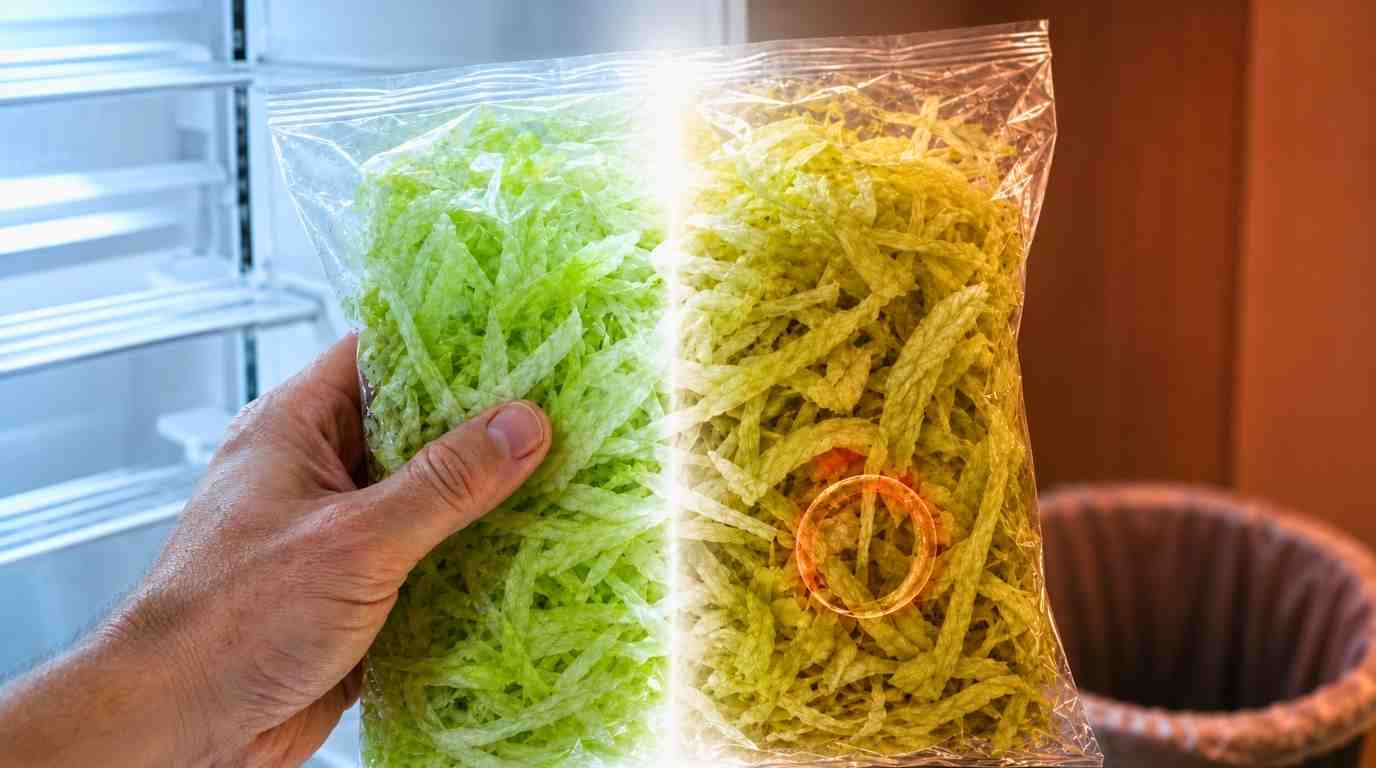
- Check for Recalled Products: Stay informed about current food recalls. If you have iceberg lettuce at home and cannot confirm its origin, or if it matches the description of the recalled Taylor Farms de México product, it is safest to discard it immediately. Do not consume, sell, or serve it.
- Wash Produce Thoroughly: Even if labeled "pre-washed," all fresh produce, especially leafy greens, should be washed thoroughly under running tap water before consumption. While washing may not remove all Cyclospora oocysts, it can help reduce the overall microbial load. For leafy greens, remove the outermost leaves, then rinse individual leaves under cool running water. Do not use soap, detergents, or bleach, as these are not intended for consumption and can be harmful.
- Avoid Damaged Produce: Visually inspect fruits and vegetables. Avoid purchasing or consuming produce that appears bruised, damaged, or moldy, as these conditions can create entry points for pathogens.
- Practice Good Hygiene: Always wash your hands with soap and water for at least 20 seconds before and after handling food, especially raw produce.
- Prevent Cross-Contamination: Use separate cutting boards, plates, and utensils for raw produce and raw meat, poultry, seafood, or eggs to prevent the spread of bacteria and parasites.
- Consider Whole Produce: Opting for whole heads of lettuce or other produce items instead of pre-cut or bagged versions may offer a perceived advantage, as the cutting and bagging processes introduce additional handling steps where contamination could potentially occur. However, all produce requires careful washing.
- Guidance for Vulnerable Populations: Individuals with weakened immune systems, the elderly, and young children are more susceptible to severe illness from Cyclospora. Infectious disease specialists suggest that these groups may want to consider avoiding raw, fresh produce altogether during periods of high outbreak activity until more definitive information about sources and controls becomes available.
- Safe Alternatives: Cooking produce to an internal temperature of 158°F (70°C) effectively destroys the Cyclospora parasite, rendering it safe for consumption. Cooked vegetables, therefore, carry no risk of cyclosporiasis. Peeled fruits (e.g., bananas, oranges, avocados) and commercially frozen produce have historically not been linked to Cyclospora outbreaks, making them safe and nutritious alternatives if one wishes to minimize raw produce risk. Root vegetables like potatoes and sweet potatoes, when cooked or peeled, are also excellent stand-ins for fresh salads.
Economic and Agricultural Implications
The ongoing Cyclospora outbreaks and associated recalls carry significant economic and agricultural implications. For companies like Taylor Farms de México, a recall can result in substantial financial losses due to product destruction, investigation costs, and potential damage to brand reputation. The broader lettuce industry may face increased scrutiny, stricter import regulations, and a temporary dip in consumer confidence, particularly for products sourced from regions implicated in outbreaks.
These events also highlight vulnerabilities in the global fresh produce supply chain. The complexity of tracing contamination back to its source, especially for products like leafy greens that are often pooled and distributed from multiple farms, underscores the need for enhanced traceability systems. For farmers, outbreaks can lead to market disruptions and increased pressure to adopt more rigorous Good Agricultural Practices (GAPs), including stringent water quality testing, improved sanitation protocols for workers and equipment, and effective pest management strategies to minimize the risk of fecal contamination in fields. Ultimately, these outbreaks serve as a stark reminder of the continuous need for vigilance and innovation in food safety practices across the entire food production continuum, from farm to fork.