Vitamin K2 Supplementation Shows Promise in Slowing Coronary Artery Calcification

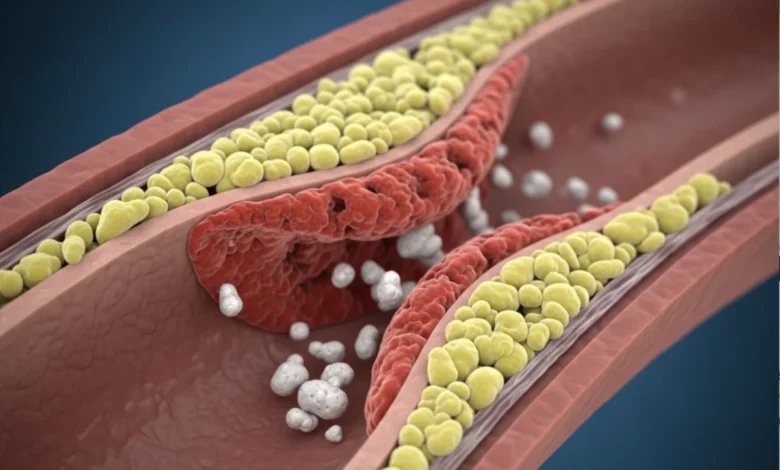
A recent two-year, placebo-controlled clinical trial, published in the esteemed JAMA Cardiology, has provided compelling evidence that daily supplementation with menaquinone-7 (MK-7), a bioavailable form of vitamin K2, can significantly slow the progression of coronary artery calcification (CAC) in individuals already diagnosed with atherosclerotic cardiovascular disease. While the intervention did not prevent calcification entirely, the findings suggest a potentially valuable, safe, and accessible tool in managing a critical aspect of heart disease progression.
The study, conducted by researchers at the Maastricht University Medical Center in the Netherlands, involved 180 participants who were identified as being at elevated risk for myocardial infarction. These individuals had established coronary artery calcification, with baseline Agatston scores ranging from 50 to 400, as determined by sophisticated 128-slice, multiple detector CT scans. The results indicate that those who consistently took a daily dose of 360 micrograms (µg) of MK-7 experienced a 29% lower progression in their CAC scores over the two-year study period, and a notable 42% reduction in the progression of arterial calcium mass compared to the placebo group.
Key Findings and Clinical Significance
The ramifications of these findings are being met with cautious optimism within the cardiovascular research community. Dr. Liv M. Vossen, the lead author of the study and a researcher at Maastricht University, stated in the published paper, "This randomized clinical trial found that supplementation with vitamin MK-7 has the potential to reduce new coronary artery calcification in people with mild coronary disease." She further emphasized the practical advantages, noting, "This is relevant because it is an inexpensive and safe product that can easily be purchased."
Hogne Vik, MD, PhD, a medical and scientific advisor at Gnosis by Lesaffre, the company that supplied the MK-7 used in the trial, echoed this sentiment, calling the findings "remarkable as we currently do not have any effective treatments to address the issue of vascular calcification." This highlights a significant unmet need in cardiovascular therapeutics, where interventions often focus on managing risk factors or treating established events rather than directly targeting the underlying processes of arterial hardening.
Study Design and Methodology
The meticulously designed trial, spanning two years, aimed to rigorously assess the impact of MK-7 on a well-defined patient cohort. Participants were selected based on their existing cardiovascular risk factors and confirmed presence of coronary artery calcification. Baseline assessments included comprehensive CT scans to quantify the extent and severity of calcification using the Agatston scoring system, which measures the density and area of calcified plaque.
The 180 men and women were randomly assigned to one of two groups. The intervention group received a daily oral tablet containing 360 µg of MK-7 (marketed as MenaQ7 by Gnosis by Lesaffre), a dosage determined by previous human clinical studies. The control group received an identical-looking placebo tablet. The choice of MK-7 was significant, as it is known for its superior bioavailability compared to other forms of vitamin K2.
Throughout the study, researchers monitored participants at six-month intervals, assessing their serum vitamin K status and performing repeat CT scans to track changes in CAC. Compliance with the supplementation regimen was reported to be high, with an estimated 80% adherence over the two-year duration. Plasma levels of MK-7 in the intervention group rose substantially from a median of 0.5 µg/L at baseline to 6.56 µg/L by the second year, confirming effective absorption and utilization of the supplement. In stark contrast, MK-7 levels in the placebo group remained negligibly low.
Detailed Analysis of Calcification Progression
While the study acknowledged that MK-7 supplementation did not halt the inevitable progression of CAC – scores increased in both groups – the rate of acceleration was demonstrably slower in the MK-7 group.
-
Agatston Score Progression:
- Placebo Group: The median Agatston score increased from 145 AU at baseline to 214 AU by the end of the study, representing a significant increase.
- MK-7 Group: The median Agatston score rose from 135 AU at baseline to 184 AU by the study’s conclusion.
- This differential progression resulted in a 14% difference between the two groups by the end of the trial. Statistical analysis using generalized estimating equations (GEE) confirmed that the evolution of the CAC score over time was significantly less pronounced in the active treatment group. The yearly increase in CAC scores was reduced by an estimated 19 AU among those taking MK-7.
-
Arterial Calcium Mass Progression:

- The data on arterial calcium mass mirrored the findings for the Agatston score, with the MK-7 group exhibiting consistently lower calcium mass measurements at both one and two-year follow-ups compared to the placebo group. This further strengthens the conclusion that MK-7 exerts a protective effect against the accumulation of calcium in the coronary arteries.
Patient Profile and Confounding Factors
It is crucial to consider the baseline characteristics of the study participants when interpreting the results. A significant majority of the cohort (78%) were already taking statin medications. This is an important consideration because statins, while beneficial for cholesterol management, have been shown in some studies to potentially promote calcification and increase CAC scores. Furthermore, a substantial portion of the participants were active or former smokers (67-74%), a known risk factor for accelerated atherosclerosis and calcification.
Many participants were also on other cardiovascular medications, including ACE inhibitors, beta-blockers, calcium channel blockers, and diuretics. Approximately two-thirds of the cohort had a diagnosis of hypertension. These prevalent comorbidities underscore the complexity of managing cardiovascular disease and highlight the potential value of an intervention that can positively influence an underlying pathological process like vascular calcification, even in the presence of these other factors. The researchers noted that at the commencement of the study, all subjects displayed visible coronary plaques, though most caused only mild stenosis and none were considered life-threatening.
Impact on Stenosis and Plaque Development
Beyond merely slowing calcification, the study also explored the potential impact of MK-7 on arterial stenosis, the narrowing of blood vessels. While the difference was not statistically significant, the study did observe a trend where 41% of patients in the placebo group showed an increase in stenosis severity over the two years, compared to 33% of those taking MK-7.
A significant correlation was identified between the observed increases in CAC scores and the transformation of previously non-calcified plaques into partially calcified ones. This led the research team to hypothesize that MK-7 might be particularly effective in slowing the calcification process in newly developing plaques, while having a less pronounced effect on plaques that have already undergone significant calcification. This distinction is important for understanding the mechanism of action and potential timing of intervention.
The Underlying Science: Vitamin K2 and Arterial Health
The rationale for investigating vitamin K2’s role in preventing arterial calcification stems from decades of biochemical research. Vitamin K2 plays a critical role in the carboxylation of specific proteins, including matrix Gla protein (MGP). MGP is a potent inhibitor of vascular calcification. When vitamin K is deficient, MGP remains uncarboxylated, rendering it ineffective. This uncarboxylated MGP (ucMGP) is strongly associated with arterial calcification.
Leon Schurgers, MD, PhD, Chair of the Department of Biochemistry at the Cardiovascular Research Institute Maastricht (CARIM) and a co-author on the Vossen study, has previously published research demonstrating that supplementation with MK-7 can enhance vitamin K-dependent MGP activation. This activation process is believed to be key to reducing arterial stiffness and improving the elasticity of blood vessels. Improved arterial elasticity is directly linked to better cardiovascular health and a reduced risk of adverse events.
Further support for the role of vitamin K2 in vascular health comes from a placebo-controlled study involving 165 peri- and post-menopausal women. In that study, MK-7 supplementation led to improvements in arterial elasticity, which in turn translated into clinically meaningful improvements in blood pressure. These findings collectively build a strong biological case for vitamin K2’s potential in cardiovascular protection.
Broader Implications and Future Directions
The findings from the Vossen trial, while indicating a "modest" effect, are considered significant by many in the field. The fact that an inexpensive, readily available, and safe supplement can demonstrably slow a key pathological process in coronary artery disease offers a new avenue for preventative strategies.
However, the authors themselves urge caution against overly enthusiastic interpretations. A critical unanswered question remains: whether slowing CAC progression with MK-7 translates into a reduction in actual fatal and non-fatal cardiovascular events. This will require longer-term, larger-scale studies specifically designed to assess clinical endpoints.
The implications of this research are multifaceted. For individuals with established cardiovascular disease and early signs of calcification, MK-7 supplementation could represent a valuable adjunctive therapy, working alongside traditional treatments like statins and lifestyle modifications. For public health initiatives, it could offer a widely accessible and low-cost strategy to promote cardiovascular wellness.
The researchers are confident in their findings, stating, "As both the Agatston and the calcium mass score pointed in the same direction, we are confident that MK-7 can slow down coronary calcification." Nevertheless, the journey from demonstrating a biological effect to proving clinical benefit is a long one. Future research will likely focus on identifying specific patient subgroups who might benefit most from MK-7, optimizing dosages, and confirming its impact on hard cardiovascular outcomes. The current study provides a promising foundation, suggesting that vitamin K2, particularly the MK-7 form, warrants further investigation and may soon play a more prominent role in the comprehensive management of cardiovascular health.