The pursuit of eternal youth: Decoding the science and reality of biological age testing

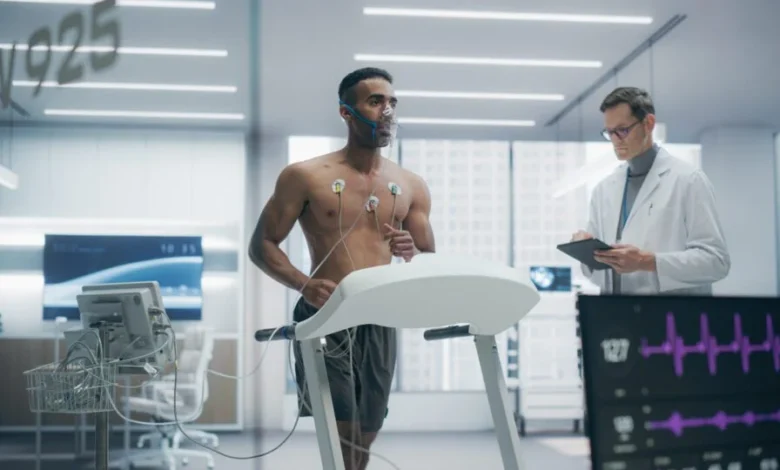
If you’ve heard of billionaire Bryan Johnson, you’ve likely encountered the phrase bio age testing. Johnson, the entrepreneur behind the Netflix documentary Don’t Die, has become the face of a high-stakes, multi-million dollar crusade to fundamentally alter the human aging process. By utilizing a rigorous protocol of daily supplements, specialized dermatological treatments, hyperbaric oxygen therapy, and controversial plasma infusions, Johnson claims to have lowered his biological age by over five years. Yet, his journey serves as both a beacon for the longevity movement and a cautionary tale regarding the current state of diagnostic science.
The quest to quantify human longevity has shifted from the realm of science fiction into a burgeoning consumer market. While Johnson’s approach involves extreme, resource-heavy interventions, the underlying concept—biological age (bio age) testing—has permeated mainstream health discussions. From popular wellness podcasts hosted by figures like Peter Attia and Andrew Huberman to a proliferation of mail-order blood and urine kits, the promise of “aging in reverse” is no longer reserved for the ultra-wealthy. However, as the industry grows, so does the confusion surrounding what these tests actually measure and whether they offer actionable medical insight or merely expensive speculation.
Understanding Biological Age vs. Chronological Age
At its core, biological age is a measure of how an individual’s cells and organ systems are functioning relative to the passage of chronological time. Chronological age is fixed—a linear progression of years since birth. Biological age, by contrast, is dynamic. It is determined by the cumulative impact of genetics, environmental exposures, lifestyle choices, and underlying health conditions.
For instance, two individuals of the same chronological age may possess vastly different physiological profiles. One individual, maintaining a sedentary lifestyle, poor nutrition, and significant environmental stress, will likely exhibit biomarkers indicative of accelerated cellular degradation. Another, prioritizing regular physical activity, nutrient-dense nutrition, and restorative sleep, will likely show a younger biological profile. These markers, known as biomarkers, provide a window into the body’s internal health, allowing researchers and clinicians to assess risk factors long before clinical symptoms of disease manifest.
The Evolution of Longevity Diagnostics
The scientific community has long used biomarkers to predict health outcomes. Traditional medicine relies on indicators such as blood pressure, lipid panels (cholesterol and triglycerides), and blood glucose levels to assess cardiovascular risk. These metrics remain the gold standard for clinical intervention because they have been validated through decades of longitudinal studies.
In recent years, however, the industry has pivoted toward more granular molecular testing. Modern commercial kits often focus on DNA methylation—a process where chemical modifications to DNA can track the rate of cellular aging. The development of "epigenetic clocks," such as the Horvath Clock and the DunedinPACE algorithm, has allowed researchers to map the aging process with unprecedented precision. These tools were initially intended for controlled clinical trials to measure the efficacy of interventions. Their transition to the commercial sector, however, has outpaced the development of clinical guidelines, leaving many consumers with complex data sets that lack a clear medical framework for interpretation.
Free and Accessible Biomarker Benchmarks
While the high-tech, expensive diagnostic kits dominate headlines, several scientifically validated, low-cost assessments are available to the public. These tests do not require specialized laboratory equipment but offer significant insight into one’s physical resilience and potential life expectancy.
-
The Sitting-Rising Test (SRT): This assessment evaluates musculoskeletal strength, balance, and flexibility. Research published in the European Journal of Preventive Cardiology indicates that the ability to transition from a seated to a standing position without assistance is a powerful predictor of all-cause mortality. A lower score, necessitating the use of hands or knees for support, correlates with a higher risk of cardiovascular and metabolic health decline.
-
Grip Strength Assessment: Often overlooked, grip strength is a robust indicator of systemic muscle health. Studies have repeatedly shown that low grip strength is linked to a higher risk of frailty and reduced longevity. A simple squeeze test with a dynamometer or even a standard tennis ball can provide a baseline for physical vigor, as muscular strength is critical for protecting the body against the metabolic decline associated with aging.
-
Single-Leg Balance: Balance requires the seamless integration of sensory input from the eyes, inner ear, and proprioceptive nerves, alongside skeletal muscle output. Research suggests that the inability to maintain balance on one leg for ten seconds can double the risk of mortality within a seven-year window for middle-aged adults.
-
The Pittsburgh Fatigability Scale: Unlike simple tiredness, chronic fatigue often signals an underlying systemic issue. By tracking the perceived effort required for daily activities, individuals can identify early warnings of health conditions like anemia, thyroid dysfunction, or emerging metabolic disorders.
-
Body Composition Analysis: BMI is a notoriously poor predictor of health because it fails to distinguish between lean muscle mass and adipose tissue. Utilizing a simple tape measure to monitor waist-to-hip ratios provides a more accurate, actionable metric for assessing health risks associated with visceral fat accumulation.
The Medical Perspective on Commercial Testing
The medical establishment maintains a skeptical but observant stance on the explosion of private, direct-to-consumer longevity tests. The primary concern is the potential for misinterpretation. Because biological age can vary significantly between organs—a person’s liver may be aging faster than their cardiovascular system—a single blood-based test cannot provide a holistic picture of health.
Furthermore, the lack of standardization in commercial testing is a critical issue. Unlike standard clinical tests regulated by the FDA or equivalent global bodies, many commercial longevity kits have not undergone rigorous peer-reviewed clinical validation for individual use. When a consumer receives a result stating they are "five years older" than their chronological age, it can lead to unnecessary anxiety or, conversely, a false sense of security if the results are favorable.
Medical experts emphasize that biomarkers should always be contextualized by a physician. A high level of C-reactive protein, for instance, indicates inflammation, but it does not specify the source—which could range from a minor infection to chronic autoimmune activity. Relying on an algorithm to interpret such data without a medical consultation can lead to inappropriate self-treatment or the pursuit of proprietary, expensive supplement protocols that lack scientific support.
Turning Data into Actionable Longevity
The ultimate value of biomarker testing lies in its ability to inform behavior change. Data, in isolation, serves no purpose; it must be converted into a consistent, sustainable lifestyle strategy. The "big rock" strategies—the boring, foundational habits—remain the most effective interventions for slowing biological aging.
These include:
- Consistent resistance training to maintain muscle mass and bone density.
- A balanced, nutrient-dense diet that minimizes processed sugars and inflammatory fats.
- Strict adherence to sleep hygiene, which is critical for cellular repair and hormonal regulation.
- The mitigation of chronic stress through mindfulness or consistent recovery protocols.
- The elimination of known hazards, such as smoking and excessive alcohol consumption.
The temptation to seek out "bio-hacks" often distracts from these fundamental behaviors. While a supplement might offer a marginal benefit, the impact of regular exercise and adequate sleep is exponential.
The Broader Implications
The obsession with biological age testing reflects a significant cultural shift. As the global population ages, there is an increasing demand for tools that grant a sense of control over the inevitable decline of the body. However, the commercialization of this desire has created a "longevity marketplace" that often prioritizes profitability over patient outcomes.
For the health professional, the challenge lies in guiding clients through this deluge of information. Coaches and clinicians must prioritize education, helping clients understand that while these tests can serve as useful benchmarks for tracking progress, they are not substitutes for comprehensive wellness checkups. The focus should remain on objective, evidence-based improvements in health metrics—blood pressure, A1C levels, and physical performance—rather than the elusive, often arbitrary numbers generated by proprietary algorithms.
As research continues, we may see more standardized, reliable ways to track the aging process. Until then, the most effective "anti-aging" intervention remains what it has always been: the disciplined application of health-promoting behaviors, monitored not just by high-tech kits, but by the tangible improvements in how we move, sleep, and function in our daily lives. The goal of "not dying" is a powerful motivator, but the goal of living well—with strength, mental clarity, and vitality—is the more practical and attainable standard.
Related posts: