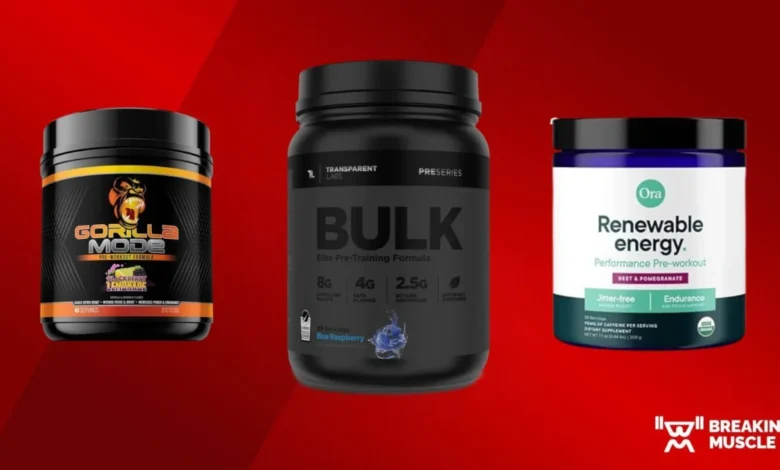
The dynamic landscape of fitness and athletic performance continues to evolve, with individuals across all levels—from novice gym-goers embarking on their wellness journey to seasoned weightlifting aficionados—increasingly integrating specialized supplements into their regimen. While foundational elements like high-quality whey protein and creatine remain paramount, pre-workout supplements have cemented their position as a critical component in achieving ambitious muscle-building, weight-loss, and performance enhancement objectives. As we look towards 2025, the market is saturated with options, making the discernment of truly effective formulations a complex task for consumers seeking to maximize their training output.
Defining Potency: The Science Behind "Strong" Pre-Workouts
Not all supplements are engineered with the same precision or efficacy. The designation "strong" in the context of pre-workouts refers to formulations that incorporate research-backed doses of key ingredients designed to optimize both physical output and mental acuity during training sessions. Scientific consensus and clinical trials point to specific compounds as cornerstones of a potent pre-workout. These include:
- Caffeine: A well-established central nervous system stimulant, caffeine enhances alertness, reduces perceived exertion, and can improve strength and endurance. Its mechanism involves blocking adenosine receptors in the brain, thereby delaying the onset of fatigue. Optimal dosages typically range from 3-6 mg/kg of body weight, with many effective pre-workouts providing 200-350 mg per serving to align with the FDA’s recommended daily limit of 400 mg for healthy adults.
- L-Citrulline: This amino acid is a precursor to nitric oxide (NO), a potent vasodilator that relaxes and widens blood vessels. Enhanced blood flow delivers more oxygen, glucose, and nutrients to working muscles while facilitating waste product removal, leading to improved endurance, reduced muscle soreness, and a more pronounced "pump." Research suggests effective doses of pure L-Citrulline are typically 4,000-8,000 milligrams. If using Citrulline Malate, a higher dose (e.g., 6,000-8,000 milligrams) is often needed as it’s a 2:1 ratio of citrulline to malate.
- Beta-Alanine: A non-essential amino acid, beta-alanine is crucial for increasing intramuscular carnosine levels. Carnosine acts as an intracellular buffer, effectively neutralizing lactic acid buildup during high-intensity exercise. This buffering action delays muscle fatigue, allowing for more repetitions, sustained effort, and increased training volume. The characteristic "tingling sensation" (paresthesia) is a harmless, transient side effect indicating an effective dose, typically around 3,200 milligrams.
- Betaine Anhydrous (Trimethylglycine – TMG): Betaine plays a vital role in cellular hydration and serves as a methyl group donor in various metabolic processes. Studies indicate it can enhance power output, improve muscular endurance, and support strength gains by promoting creatine synthesis and maintaining cellular volume. Clinically effective doses are often around 2,500 milligrams.
These ingredients, when dosed appropriately, form the bedrock of a truly impactful pre-workout, distinguishing superior products from less effective alternatives. The year 2025 sees a continued emphasis on these core components, often augmented by synergistic compounds for a multi-faceted performance boost.
Rigorous Evaluation: How the Top Pre-Workouts of 2025 Were Identified
To navigate the complex market and identify the most potent pre-workouts for 2025, a comprehensive and multi-faceted evaluation process was undertaken. Our team, comprised of certified personal trainers (CPTs), certified nutrition coaches (CNCs), dedicated CrossFit enthusiasts, and experienced weightlifters, collectively tested over 80 different pre-workout formulations. This extensive hands-on approach allowed for a real-world assessment of each product’s impact on training performance, reflecting diverse athletic needs and tolerances.
The testing protocol involved evaluating each supplement prior to various workout modalities, ranging from cardiovascular training and high-intensity interval training (HIIT) to heavy weightlifting and bodybuilding sessions. Some products were trialed for extended periods, spanning several weeks or months, to gauge consistent performance and long-term effects. Key evaluation metrics, scored on a 1-5 scale, included:
- Effectiveness: The primary criterion, assessing tangible improvements in energy levels, mental focus, power output, muscular pump, and endurance during workouts.
- Taste and Solubility: Crucial for user compliance, evaluating flavor profiles and the ease with which powders dissolved in liquid without clumping, grittiness, or residue.
- Ingredient Transparency and Dosages: Verification against scientific literature for effective ingredient amounts and the absence of undisclosed proprietary blends.
- Potential Side Effects: Monitoring for any adverse reactions such as jitters, anxiety, digestive issues, or an overwhelmingly uncomfortable tingling sensation.
- Value for Money: Analyzing the cost per serving relative to the ingredient profile, dosage, and overall effectiveness.
- Third-Party Testing Status: A critical factor for safety and label accuracy, especially for athletes subject to drug testing, looking for certifications like Informed Choice or NSF.
Expert guidance from nutrition scientists and registered dietitians further refined the selection process, ensuring that recommendations were grounded in both empirical user experience and sound scientific principles. This rigorous vetting process culminated in a curated list of the eight strongest pre-workouts, tailored to meet diverse training goals and preferences in the coming year.
Spotlight on Top Performers: A Deep Dive into the Strongest Pre-Workouts of 2025
Here, we present the standout pre-workouts of 2025, each distinguished by its unique strengths and scientifically formulated profile.
Transparent Labs BULK BLACK: Power and Performance Redefined
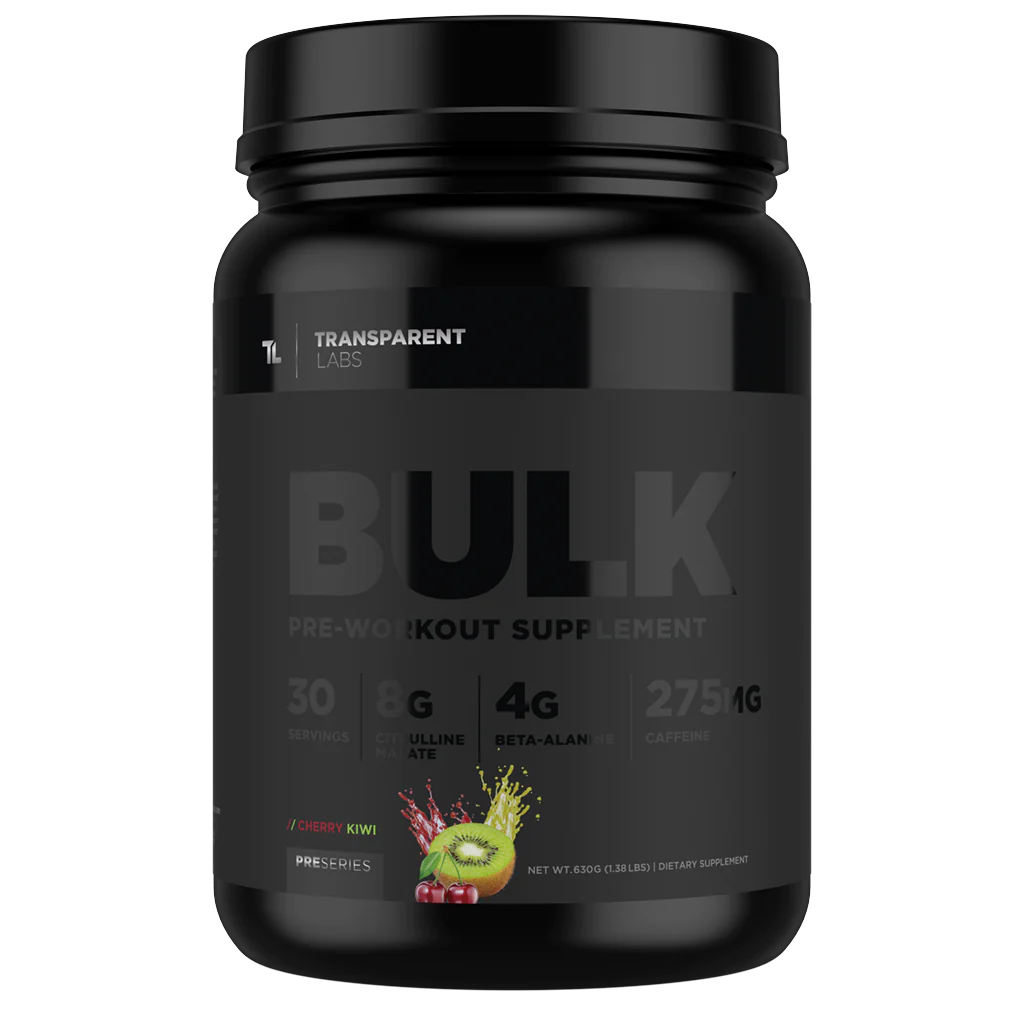
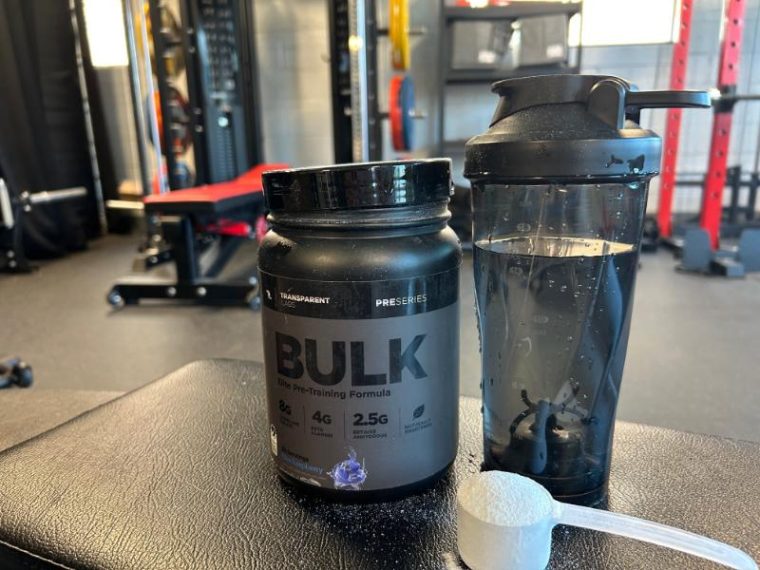
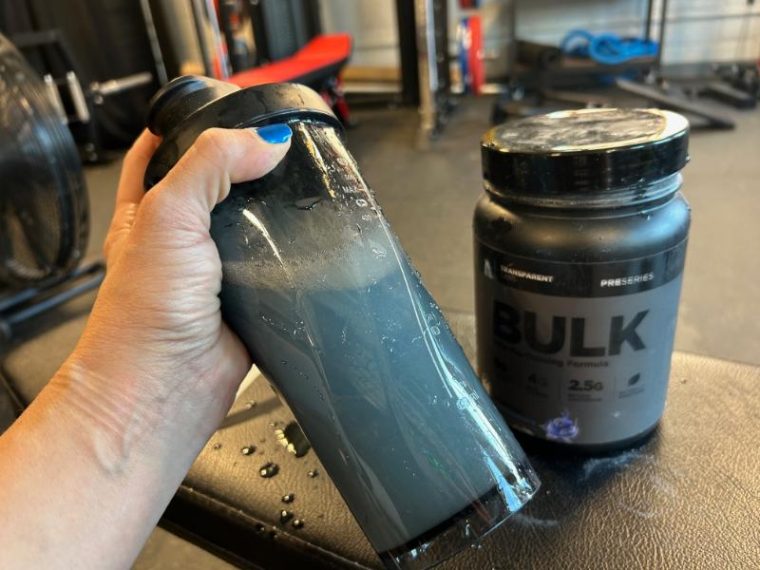
For athletes prioritizing enhanced power output and overall athletic performance, Transparent Labs BULK BLACK emerges as a leading contender. Its robust formulation includes a powerful combination of 4,000 milligrams of beta-alanine and 2,500 milligrams of betaine anhydrous, alongside 10 other active ingredients. Beta-alanine’s role in mitigating muscle fatigue by buffering lactic acid directly translates to increased rep capacity, while betaine anhydrous has been linked to improvements in muscular endurance and strength. BULK BLACK also features a substantial 350 milligrams of caffeine, approaching the FDA’s recommended daily limit, which contributes significantly to its high-stimulant profile. Its efficacy is undeniable, with testers reporting immediate energy boosts, massive pumps, and heightened focus. The inclusion of 8,000 milligrams of citrulline malate further supports its performance claims. The product also received perfect scores for solubility and taste, offering eight diverse flavors.
Legion Pulse Pre-Workout: The Natural Edge
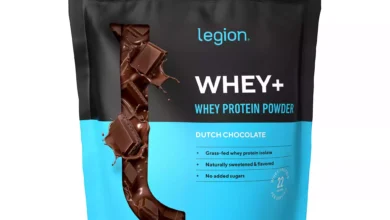
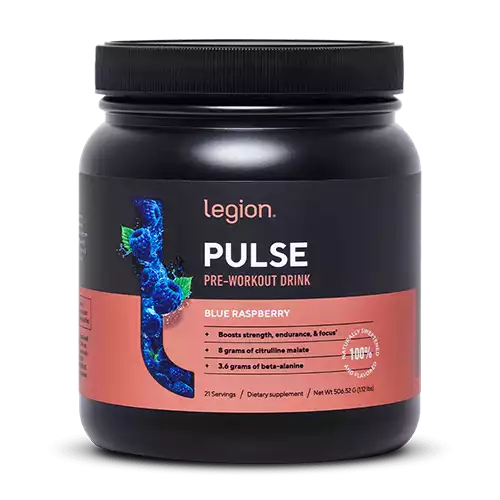
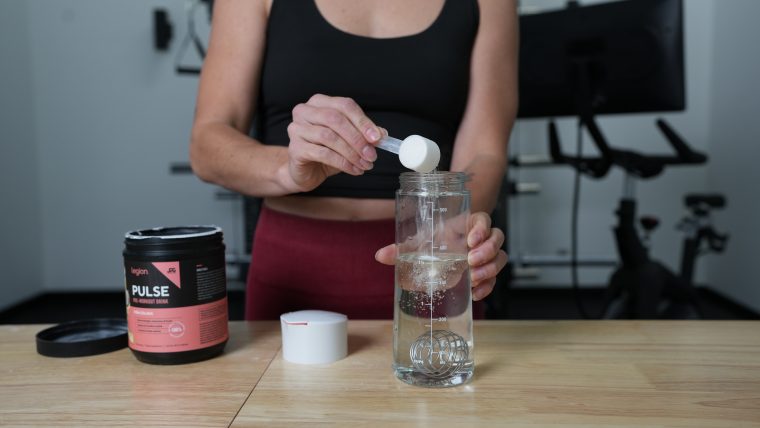
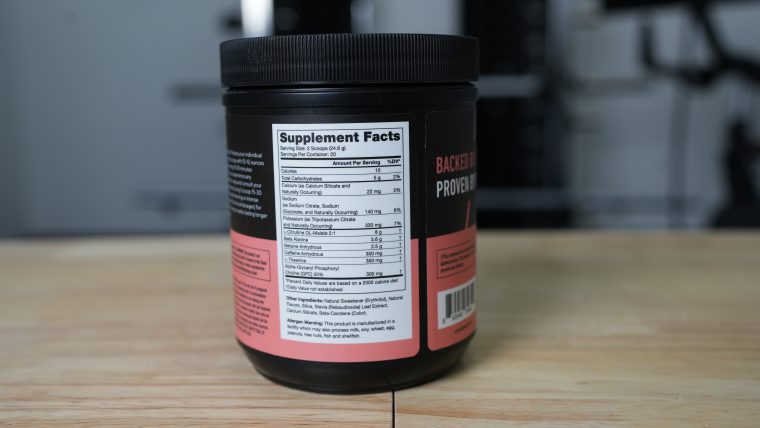
Legion Pulse stands out as the strongest natural pre-workout, characterized by its commitment to being free from artificial sweeteners, flavors, and colors. It boasts a well-rounded profile of six active ingredients, all geared towards sustainable energy enhancement. Adhering to the core criteria, Pulse delivers 350 milligrams of caffeine, alongside research-backed doses of beta-alanine, betaine anhydrous, and L-citrulline. The high caffeine content is balanced by the availability of a non-stimulant version, catering to individuals sensitive to stimulants or those training later in the day. While the absence of creatine in its formulation led to a minor scoring adjustment, its overall effectiveness, consistently reported by long-term users, solidifies its position. Despite its premium price point—approximately $45 for 20 servings—its natural composition and efficacy, coupled with 22 diverse flavor options, make it a top choice for health-conscious athletes.
Nutricost Pre-X: Maximizing Value Without Compromise
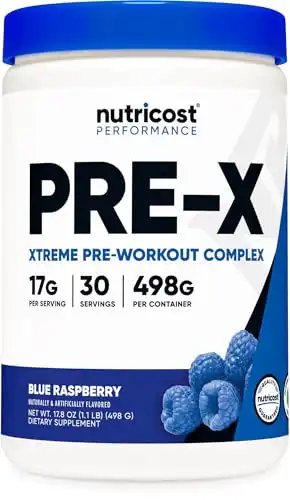
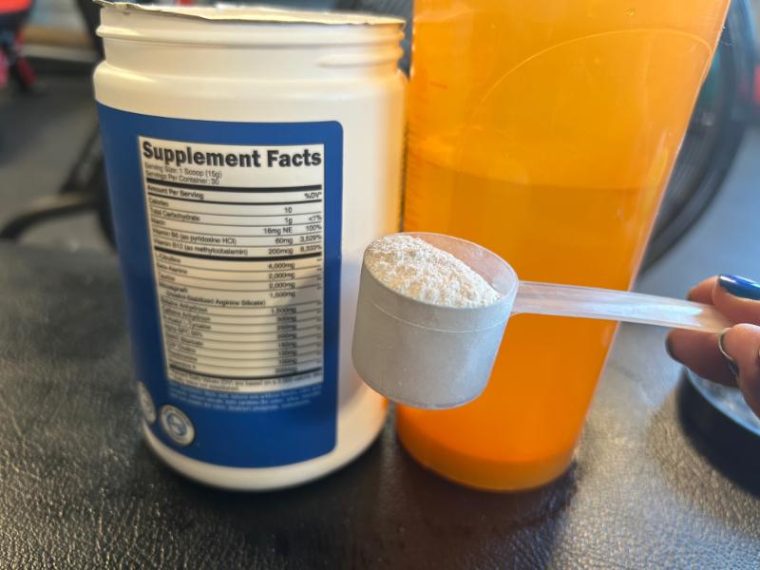
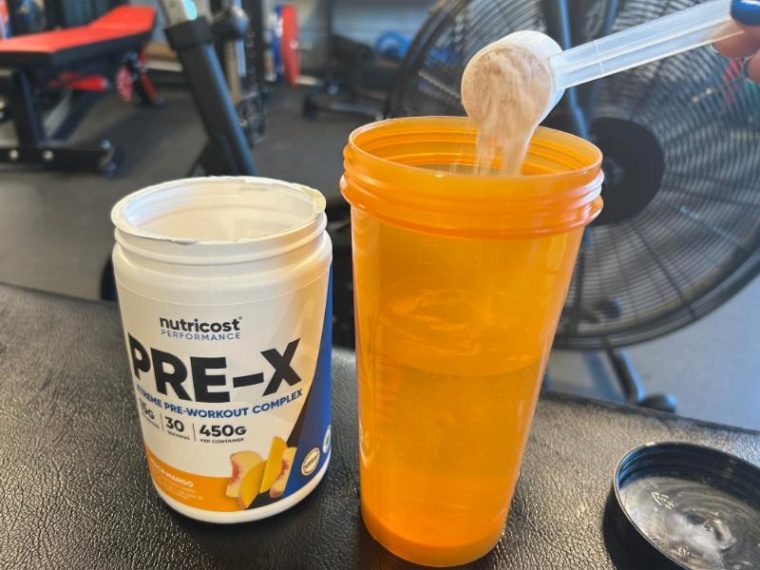
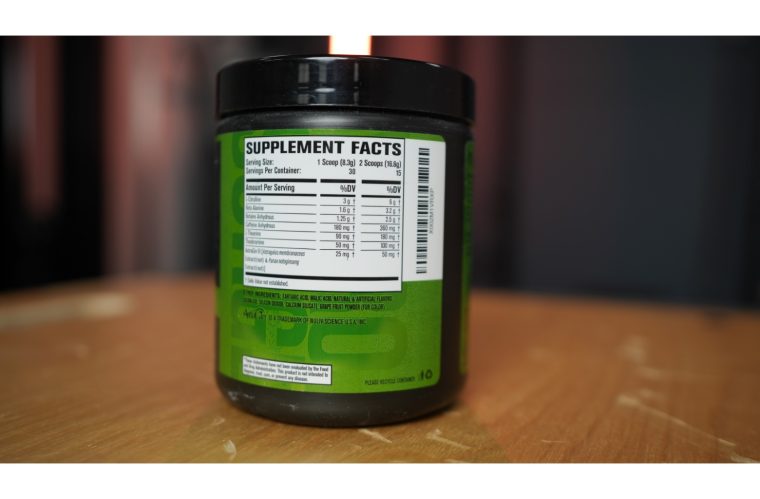
Nutricost Pre-X redefines the budget-friendly segment, offering a potent pre-workout at an exceptionally competitive price of approximately $0.93 per serving, earning a perfect 5 out of 5 stars for value. Crucially, its affordability does not come at the expense of ingredient quality or dosage. Pre-X contains 300 milligrams of caffeine and 4,000 milligrams of L-citrulline, along with beta-alanine and betaine anhydrous, ensuring a comprehensive performance boost. Testers reported a balanced energy surge and a noticeable pump without overstimulation. While some noted a slightly lower beta-alanine dosage compared to other top-tier products, the characteristic tingles were still experienced. A point was deducted for the inclusion of sucralose, an artificial sweetener, reflecting growing consumer concerns. However, its excellent taste across five flavors further enhances its appeal as a cost-effective, high-performance option.
Jacked Factory NitroSurge Pre-Workout: A Flavorful Boost for Every Athlete
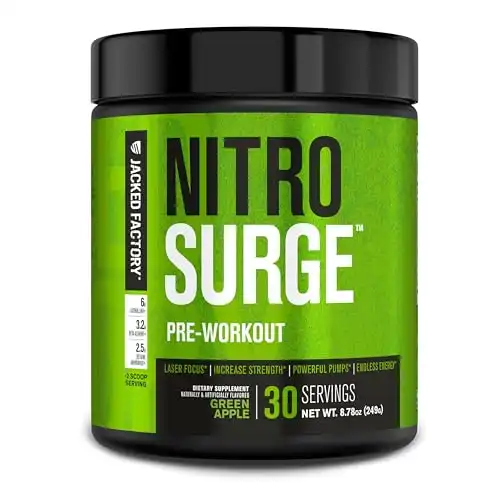
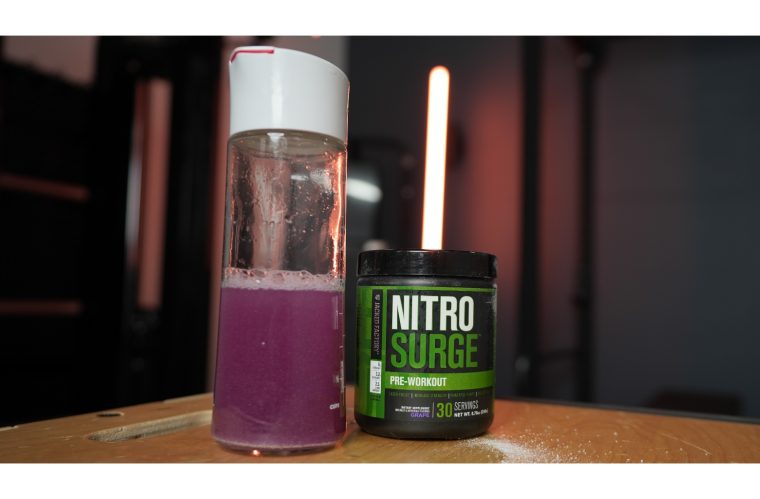
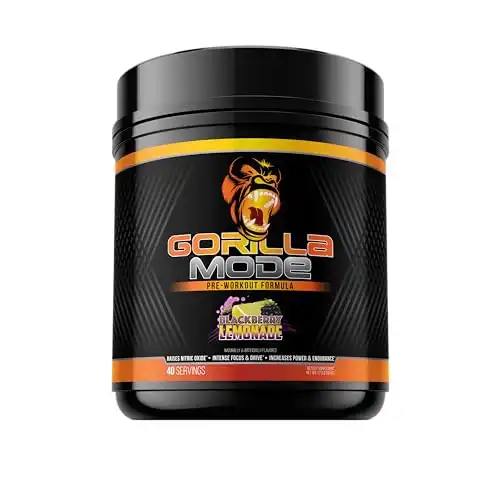
Jacked Factory NitroSurge distinguishes itself with an unparalleled taste experience, earning a perfect score in this category. With 11 diverse and satisfying flavor options, from Strawberry Margarita to Grape, it caters to a broad spectrum of palates. Beyond taste, NitroSurge offers a solid blend of evidence-backed ingredients, including L-citrulline, beta-alanine, betaine anhydrous, caffeine anhydrous, L-theanine, theobromine, and AstraGin. L-theanine, when paired with caffeine, is known to promote a smoother energy curve and reduce the likelihood of jitters. NitroSurge’s effectiveness was noted to be moderate, making it an excellent entry-level option for those new to pre-workouts. Like Nutricost Pre-X, it contains sucralose. The absence of third-party testing is a significant consideration, despite being manufactured in a cGMP-certified and FDA-registered facility.
Gorilla Mode: The Ultimate Pump Experience
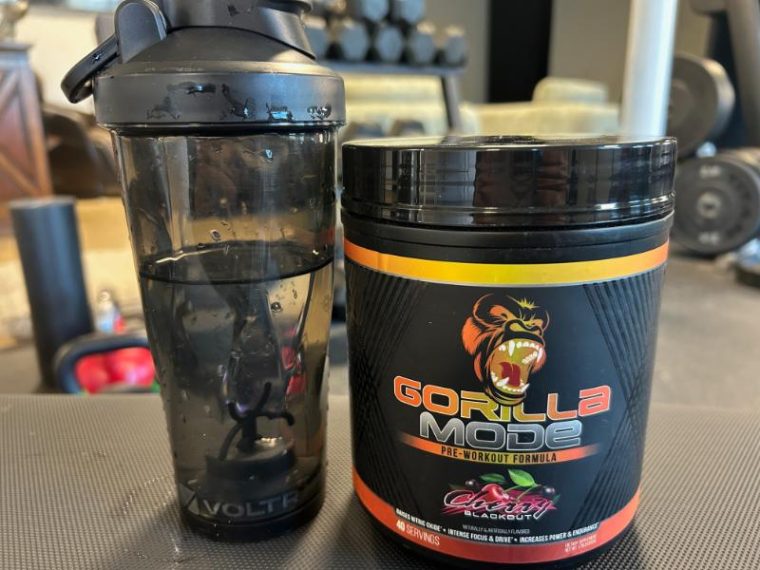
For bodybuilders and athletes intensely focused on achieving a maximal muscle "pump," Gorilla Mode is the undisputed champion. It excels with 5,000 milligrams of pure L-citrulline per scoop—the highest on this list—and 2,000 milligrams of Hydro Prime glycerol powder. L-citrulline’s role in vasodilation and glycerol’s capacity to draw water into muscle cells create a profound and sustained pump effect. However, achieving the full research-backed doses of all