The Life-Changing Magic of Water Running: A Comprehensive Guide to Low-Impact Cardiovascular Conditioning


While traditional pavement running remains one of the most accessible and effective methods for maintaining cardiovascular health and weight management, it is not without significant physiological costs. For millions of athletes and fitness enthusiasts, the repetitive, high-impact nature of striking concrete surfaces can lead to chronic wear and tear. Over time, the cumulative force of gravity and ground reaction forces can contribute to common injuries such as shin splints, plantar fasciitis, meniscus degradation, and hip displacement. As the population ages, the search for training modalities that provide the cardiovascular benefits of running without the orthopedic toll has become a priority for sports medicine professionals and physical therapists alike.
The Evolution of Hydrotherapy and Aqua Jogging
Water running, frequently referred to as aqua jogging or deep-water running, emerged in the mid-20th century as a specialized rehabilitation technique. Originally developed for elite athletes recovering from lower-extremity fractures or soft-tissue injuries, the practice has transitioned from clinical physical therapy settings to mainstream fitness clubs. The fundamental principle relies on the physical properties of water: buoyancy and resistance. By submerging the body, an individual can reduce the load on joints by up to 90 percent, depending on the depth of the water, while simultaneously utilizing the viscosity of the medium to provide resistance to muscle movement.
Historically, the practice gained global traction in the 1980s and 1990s as marathon runners sought ways to maintain aerobic capacity while sidelined by stress fractures. Coaches recognized that the neuromuscular patterns used during water running—specifically the high-knee gait and arm swing—closely mimicked the mechanics of land-based running. By keeping the heart rate elevated within the target training zones, athletes were able to mitigate the "detraining" effect that typically occurs during extended periods of immobilization.
Physiological Mechanisms and Clinical Data
The efficacy of deep-water running as a viable substitute for land-based training has been documented through various peer-reviewed studies. A landmark 2003 study published in the field of sports medicine analyzed the cardiovascular response to deep-water running compared to treadmill exercise. Researchers found that when individuals exerted themselves at a perceived high intensity, their heart rates and oxygen consumption levels were statistically comparable to those achieved during dry-land sessions.
The primary benefit lies in the hydrostatic pressure and drag force provided by the water. Unlike air, water is approximately 800 times denser. When a person runs through a pool, they encounter resistance in all directions, which engages stabilizer muscles that are often neglected in linear, forward-motion land running. This constant resistance acts as a form of "dynamic weight training," helping to tone the musculoskeletal system without the need for traditional heavy gym equipment. Furthermore, the hydrostatic pressure can assist in reducing peripheral edema (swelling) in the legs, a common side effect of intense training or circulation-related ailments.
Implementing an Effective Training Protocol
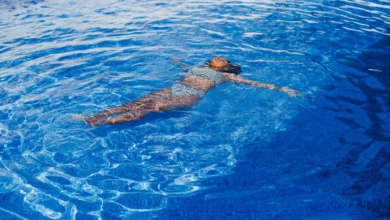
For those transitioning from the pavement to the pool, the methodology requires a shift in focus from speed to form. To perform a proper session, one must remain in the deep end of the pool where the feet do not make contact with the floor. The body should maintain an upright, vertical posture, avoiding the common tendency to lean forward as if sprinting on a track.
Recommended Training Structure
A standard 45-minute training session for a healthy adult might follow this structure:
- Warm-up (10 minutes): Gentle treading water and rhythmic, slow-motion leg cycling to increase blood flow to the limbs.
- High-Intensity Intervals (20 minutes): Alternate between five-minute bursts of maximum-effort running (pumping arms and legs against the resistance of the water) and one-minute recovery periods involving slower, deliberate movements.
- Cool-down (15 minutes): Low-intensity movement followed by active stretching, utilizing the pool wall for stability to extend the hamstrings, calves, and hip flexors.
Athletes are advised to maintain a frequency of at least three sessions per week to see significant improvements in cardiovascular endurance. Because water running is inherently less traumatic to the skeletal system, many professionals now advocate for "supplemental" aqua sessions, where a runner replaces one or two of their weekly high-impact runs with a pool session to allow for tissue recovery.
Equipment and Technical Requirements
While the only essential equipment is a standard swimming pool, specialized gear can enhance the workout significantly. An aqua flotation belt, designed to secure the runner in a vertical position, is highly recommended for beginners to prevent sinking and to allow for proper form. These belts provide neutral buoyancy, allowing the participant to focus entirely on their stride.
As fitness levels increase, practitioners often introduce resistance accessories:
- Waterproof Weights: Attached to the ankles or wrists to increase drag.
- Resistance Paddles: Worn on the hands to enhance the engagement of the upper body, back, and core muscles during the arm swing.
- Dumbbells: Specialized foam weights that provide resistance when pushed underwater.
Broader Implications for Aging and Rehabilitation
The implications for the aging population are particularly significant. As bone density decreases and joint lubrication wanes, many seniors abandon cardiovascular activity due to pain. Water running offers a safe harbor, providing a pathway to manage body weight and improve heart health without the risk of falls or joint aggravation. Similarly, for individuals living with arthritis, the thermal properties of warm-water pools can further soothe inflamed joints, making the movement more comfortable than in a cold-water environment.
From a public health perspective, the accessibility of aqua jogging is a major advantage. It does not require high-cost equipment or a high degree of technical skill. Local community centers and municipal pools serve as the primary hubs for these activities. As healthcare systems shift toward preventative medicine, the integration of water-based exercise into general health prescriptions could reduce the incidence of overuse injuries in the general population.
Expert Perspectives and Safety Considerations
Despite the benefits, sports physicians emphasize the importance of gradual progression. "The common mistake is assuming that because the water removes impact, there is no risk of injury," notes a physiotherapist familiar with aquatic rehabilitation. "Overexertion of the hip flexors or shoulder strain from improper resistance technique can still occur."
Safety protocols remain paramount. For individuals using water running for injury rehabilitation, the following guidelines are standard:
- Consultation: Always obtain clearance from a primary care physician or orthopedic specialist before beginning a new routine.
- Supervision: Especially for those with underlying cardiovascular conditions, ensure that the pool environment has lifeguards on duty.
- Hydration: Many people underestimate the fluid loss during water workouts because the cooling effect of the water masks sweat production. Hydration must be prioritized as if the workout were occurring in an outdoor, arid climate.
In conclusion, water running represents a sophisticated intersection of hydrodynamics and exercise science. By decoupling the cardiovascular benefits of running from the mechanical impact of the ground, it offers a sustainable, long-term solution for athletes of all ages. Whether utilized as a rigorous training tool for the competitive runner or a therapeutic modality for the rehabilitating patient, the practice remains one of the most effective and versatile methods for maintaining physical vitality. As research continues to quantify the physiological advantages, it is likely that aqua jogging will see increased adoption in both professional sports training and general wellness programs worldwide.
Related posts: