The medical technology landscape for sleep disorders entered a new chapter this week as Nyxoah announced the successful implantation of the first patient in its BREATHE study. This landmark clinical trial is designed to provide comprehensive, real-world data on the long-term performance of the Genio system, a pioneering bilateral hypoglossal nerve stimulation therapy cleared for the treatment of moderate to severe obstructive sleep apnea (OSA). By moving from the controlled environment of pre-market clinical trials into a five-year post-approval observational study, the BREATHE initiative aims to establish the clinical durability and safety profile of neurostimulation in a diverse, nationwide patient population.
The Clinical Context of Obstructive Sleep Apnea
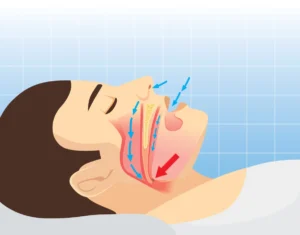
Obstructive sleep apnea remains a significant public health burden, affecting millions of adults globally. Characterized by repetitive episodes of partial or complete upper airway obstruction during sleep, the condition is linked to a heightened risk of cardiovascular disease, hypertension, type 2 diabetes, and cognitive impairment. While continuous positive airway pressure (CPAP) therapy has long been the gold standard, patient compliance remains a persistent hurdle. Many patients find CPAP masks uncomfortable or physically intrusive, leading to high rates of discontinuation.
Hypoglossal nerve stimulation (HNS) emerged as a viable alternative for patients who cannot tolerate or derive sufficient benefit from CPAP. Unlike traditional mechanical ventilation, HNS technology uses an implanted device to monitor breathing and deliver mild electrical pulses to the hypoglossal nerve, which controls the tongue muscles. This stimulation prevents the tongue from collapsing into the airway during sleep, thereby maintaining a clear breathing passage.
Understanding the Genio System
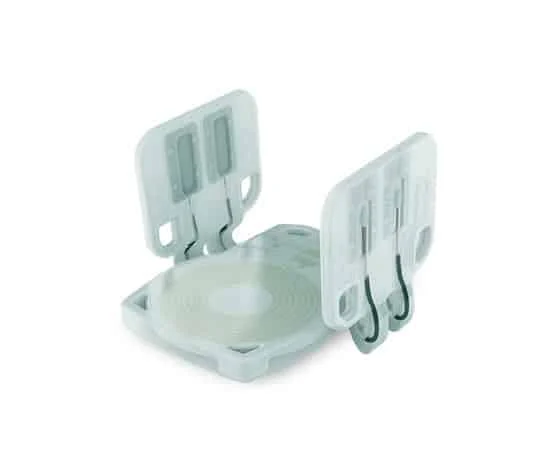
The Genio system, developed by Nyxoah, represents a technical evolution in the HNS category. It is a patient-centered, leadless, and battery-free device. The system’s design minimizes the surgical footprint, as it does not require a bulky pulse generator implanted in the chest wall, which is common in older neurostimulation technologies. Instead, the Genio system utilizes a small, wearable activation patch that transmits power and control signals to the implanted neurostimulator.
Since receiving FDA approval in August 2025, the Genio system has been positioned as a prescription-only intervention for patients with moderate to severe OSA. Its path to the US market was paved by extensive clinical evaluations and a history of success in Europe, where it has held a CE Mark since 2019. The BREATHE study serves as the next logical step in the system’s lifecycle, moving from efficacy demonstration to the long-term, real-world validation required by healthcare providers, payers, and regulatory bodies.
The BREATHE Study Framework
The BREATHE study is structured as a multicenter, prospective, single-arm post-approval trial. The scale of the project is significant, with plans to enroll up to 229 patients across as many as 25 clinical centers in the United States. The trial is meticulously designed to mirror real-world practice, capturing data from a broad spectrum of clinical settings rather than relying on a narrow, academic research environment.
The study protocol dictates a rigorous follow-up schedule spanning five years. This duration is critical, as it allows researchers to track not only the immediate success of the implantation procedure but also the sustained therapeutic impact and potential long-term complications. The co-primary effectiveness endpoints focus on two gold-standard metrics in sleep medicine:
- Apnea-Hypopnea Index (AHI): A measure of the severity of sleep apnea based on the number of breathing interruptions per hour.
- Oxygen Desaturation Index (ODI): A measure of how often blood oxygen levels drop during sleep.
Success in these metrics at the 12-month mark—and beyond—will be essential for proving that the Genio system provides durable, life-altering improvements for patients suffering from sleep-disordered breathing. Furthermore, safety endpoints will track any device- or procedure-related serious adverse events, providing a transparent look at the risks associated with the implantation process.
Operational Milestones and Stakeholder Involvement
The first procedure, which took place recently, was performed by Dr. Rolando Molina, an otolaryngologist at South Florida ENT Associates. The site principal investigator for this initial step is Dr. Edward Mezerhane, a sleep medicine physician at the PharmaDev Clinical Research Institute. Their collaboration reflects the multidisciplinary approach necessary for the success of neurostimulation therapies, which require the combined expertise of ENT surgeons for implantation and sleep medicine specialists for diagnostic and follow-up care.
"As an otolaryngologist dedicated to the treatment of sleep-disordered breathing, I have seen firsthand the significant impact obstructive sleep apnea has on patients’ health and quality of life," Dr. Molina stated in a press release. "The BREATHE study represents an exciting milestone in the evolution of sleep surgery and neurostimulation therapy. By performing the first implant in this study, we have the opportunity to help shape the future of sleep apnea treatment while offering eligible patients access to an additional therapeutic approach."
The involvement of both surgical and diagnostic experts is a key feature of the study’s design. By documenting how the therapy performs in the hands of various practitioners, Nyxoah intends to build a robust evidence base that demonstrates the versatility and reliability of the Genio system in everyday clinical practice.
Implications for the Future of Sleep Medicine
The launch of the BREATHE study comes at a pivotal time for sleep medicine. With an aging population and increasing awareness of the systemic health risks posed by sleep disorders, the demand for non-CPAP, surgical, and implantable solutions is growing. Payers and health systems are increasingly focused on "value-based care," which requires long-term evidence that a therapy not only works initially but continues to provide value over several years.
By committing to a five-year follow-up period, Nyxoah is signaling a high level of confidence in the durability of the Genio system. This data will be instrumental in future coverage decisions by insurance providers, who often require extensive long-term outcomes data to justify the costs of advanced implantable technologies.
"Obstructive sleep apnea affects millions of people, yet many patients continue to struggle despite available therapies," noted Dr. Mezerhane. "The launch of the BREATHE study marks an exciting step forward in the evolution of sleep medicine, allowing us to evaluate an innovative bilateral hypoglossal nerve stimulation therapy in a real-world setting."
Executive Perspective and Strategic Goals
Olivier Taelman, the CEO of Nyxoah, emphasized that the BREATHE study is the largest prospective study of the Genio system to date. For the company, this is more than just a regulatory requirement; it is a strategic effort to solidify the Genio system’s position as a foundational treatment in the US market.
"The first BREATHE implant marks the start of the largest prospective study of Genio to date and the next step in building the long-term, real-world evidence base for bilateral hypoglossal nerve stimulation in the United States," Taelman said. "As adoption of Genio accelerates across US centers, BREATHE will document how the therapy performs in everyday practice, in the hands of both sleep physicians and surgeons, over five years. This is the evidence that patients, physicians, and payors expect."
The Road Ahead: 2025–2030
The timeline for the BREATHE study is ambitious, spanning the next half-decade of data collection. As the study progresses, the medical community will receive periodic updates regarding patient outcomes, safety profiles, and the overall trajectory of the therapy’s success.
As the study expands to include more centers, the diversity of the patient pool will also grow. This is critical for understanding how different demographics and anatomical profiles respond to the bilateral stimulation approach. Unlike unilateral stimulation, which has been the traditional focus of other HNS devices, the bilateral approach utilized by the Genio system aims to provide more comprehensive airway control.
The BREATHE study is set to become a benchmark for clinical research in the field of sleep neurostimulation. By balancing rigorous scientific methodology with real-world clinical application, the study is well-positioned to contribute vital insights that could eventually redefine the standard of care for millions of Americans living with the consequences of obstructive sleep apnea. As the data accumulates, it will likely influence clinical guidelines, surgical training protocols, and the broader integration of neurotechnology into routine sleep medicine.