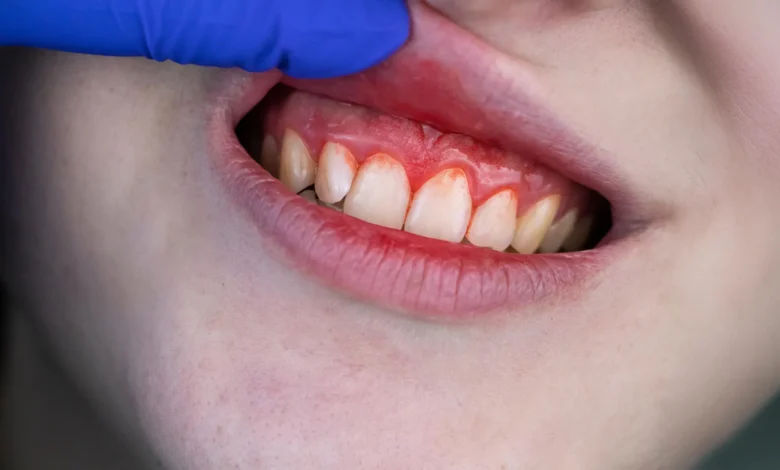
In a significant medical breakthrough that promises to redefine periodontal care, researchers at Nagoya University in Japan have successfully developed a highly targeted treatment for severe gum disease. Published in the Journal of Translational Medicine, this pioneering therapy effectively eradicates harmful, tooth-destroying bacteria while leaving the mouth’s beneficial microbial ecosystem completely untouched. Traditional treatments, such as broad-spectrum antibiotics and standard photodynamic therapies, have long plagued dentistry by functioning like a scorched-earth policy—indiscriminately wiping out both the pathogens causing infections and the helpful microorganisms essential for maintaining a healthy oral microbiome. By adapting a cutting-edge cancer-fighting technology, Japanese scientists have engineered an alternative that marries egg-yolk-derived antibodies with near-infrared light, paving the way for precise, affordable, and scalable dental interventions.
The Scope and Burden of Periodontitis
To fully understand the gravity of the Nagoya University team’s discovery, one must examine the pervasive nature of periodontitis. Globally, severe periodontal disease affects nearly 10 percent of the world’s population, making it one of the most common chronic inflammatory conditions known to humanity. Beyond the immediate discomfort of inflamed, bleeding gums and chronic halitosis, advanced periodontitis leads to the progressive destruction of the alveolar bone—the specialized bone structure that anchors human teeth in the jaw. When this supporting bone disintegrates, teeth inevitably loosen and fall out, profoundly impacting a patient’s nutritional intake, speech, self-esteem, and overall quality of life.
Furthermore, medical science has increasingly recognized periodontitis as more than just a localized oral health issue. Decades of epidemiological and clinical research have established robust bidirectional links between chronic gum disease and a suite of systemic inflammatory conditions, including type 2 diabetes mellitus, cardiovascular diseases, rheumatoid arthritis, and even Alzheimer’s disease. Pathogens originating in the oral cavity can enter the bloodstream through inflamed gum tissue, instigating systemic inflammation and exacerbating secondary health crises. Consequently, finding a way to successfully manage and treat gum disease without introducing collateral damage to the body’s natural microbial barriers has remained a paramount, yet elusive, goal for modern medicine.
The Ecological Dilemma of Conventional Periodontal Treatments
The human mouth is home to a staggering diversity of microorganisms—bacteria, fungi, viruses, and archaea—that coexist in a delicate, finely tuned ecological balance. This complex community protects the host by outcompeting opportunistic invaders and assisting in metabolic functions. However, this equilibrium can be upset by the proliferation of specific pathogenic species. Among the most notorious troublemakers is Porphyromonas gingivalis (P. gingivalis), an anaerobic bacterium categorized by microbiologists as a keystone pathogen.
Even when present in relatively low numbers, P. gingivalis exerts an outsized, disruptive influence on the surrounding oral microbiome. It actively manipulates the host immune response, triggers rampant inflammation, and creates a biochemical environment that favors the growth of other destructive microbes. This cascade of events ultimately accelerates the breakdown of periodontal tissue and alveolar bone.
Historically, dental professionals have relied on mechanical interventions—such as scaling and root planing—supplemented by systemic or localized antibiotics and antimicrobial photodynamic therapy (aPDT) to combat these infections. While these methods can reduce bacterial loads, they suffer from a major clinical drawback: a lack of selectivity.
"Current treatments for periodontitis, including antibiotics and antimicrobial photodynamic therapy (aPDT), eliminate both pathogenic and beneficial oral bacteria," explains Kazuhide Sato, a corresponding author of the study and lecturer at Nagoya University. "These approaches often disrupt the entire oral microbial ecosystem and can also release lipopolysaccharide (LPS), an endotoxin that may exacerbate inflammation."
When conventional treatments obliterate the beneficial bacterial populations, such as helpful Streptococcus species, they create a microbial vacuum. Opportunistic pathogens frequently recolonize this space, often resulting in recurring infections that require repeated rounds of antibiotics—a practice that contributes directly to the global public health crisis of antimicrobial resistance. Moreover, the sudden lysis, or bursting, of bacterial cells caused by traditional treatments dumps endotoxins like lipopolysaccharides directly into the pocket of the gum, ironically fueling the very inflammation the treatment was designed to stop.
Adapting Cancer-Fighting Innovations for Dental Applications
Faced with these persistent clinical hurdles, the research team at the Nagoya University Graduate School of Medicine—led by first author Hiroshi Maruyama, Professor Hideharu Hibi, and corresponding authors Kazuhide Sato and Kiyoshi Sakai—looked outside of traditional dentistry for inspiration. They turned their attention to an advanced oncology treatment known as near-infrared photoimmunotherapy (NIR-PIT), a revolutionary cancer therapy originally developed to target and destroy tumor cells using light-activated compounds.
In cancer treatments, near-infrared photoimmunotherapy utilizes target-specific antibodies chemically bonded to a light-sensitive phthalocyanine dye. When injected into a patient, the antibodies home in exclusively on surface markers found on cancer cells. Once the molecules bind to their targets, the region is illuminated with safe, near-infrared light. This light activates the dye, altering its physical properties and causing rapid damage to the target cell’s membrane, neutralizing it without harming neighboring healthy tissue.
The Nagoya team hypothesized that this sophisticated targeting mechanism could be modified to hunt down and eliminate P. gingivalis in the oral cavity. However, adapting the technology for dental use required a practical and cost-effective source of targeted antibodies. Manufacturing mammalian monoclonal antibodies on a large scale can be prohibitively expensive, driving up the eventual cost of patient care.
To overcome this economic and logistical barrier, the researchers utilized IgY, a class of antibodies harvested from the egg yolks of domestic hens. Hens can be safely and efficiently immunized against specific antigens—in this case, surface proteins belonging to P. gingivalis. Once immunized, the hens produce large quantities of target-specific IgY antibodies that accumulate in their egg yolks. This method offers an abundant, highly stable, and remarkably cost-effective supply chain for biological raw materials, making the resulting therapy a viable candidate for widespread commercialization and accessible clinical care.
The resulting innovation was christened near-infrared photo-antibacterial targeting therapy, or NIR-PAT². By chemically linking the egg-yolk-derived IgY antibodies specific to P. gingivalis with a light-activated dye, the researchers created a smart antimicrobial missile capable of distinguishing friend from foe in the complex landscape of the human mouth.
Rigorous Laboratory Testing and Mechanistic Insights
To validate the safety and efficacy of NIR-PAT², the Nagoya University researchers subjected the novel therapy to a rigorous battery of tests involving human cell cultures, animal disease models, and direct comparative benchmarks against traditional antimicrobial treatments.
In initial in vitro experiments, the antibody-dye conjugates were introduced to mixed microbial cultures and human gingival fibroblast cells. Microscopic analysis and fluorescence imaging confirmed that the IgY antibodies successfully and exclusively bound to P. gingivalis. Other commensal bacterial species—as well as the delicate human gum cells—were completely bypassed, showing zero affinity for the compound.
When the targeted bacteria were subsequently exposed to near-infrared light, the light-activated dye underwent a precise photochemical reaction. This reaction compromised the outer membranes of the P. gingivalis cells, effectively killing them.
Crucially, electron microscopy revealed a profound mechanical difference between how NIR-PAT² destroyed pathogens compared to conventional aPDT. While traditional light-activated therapies ruptured and completely shattered bacterial cell walls—releasing a flood of inflammatory endotoxins and cellular debris—the NIR-PAT² treatment operated with surgical restraint. Bacteria treated with NIR-PAT² developed microscopic perforations in their outer membranes but largely retained their structural integrity. By keeping the dead bacterial cells intact, the therapy successfully prevented the massive release of lipopolysaccharides, thereby subduing the inflammatory response that typically accompanies periodontal treatments.
Furthermore, cytotoxicity assays measuring the impact on healthy human gum tissue yielded stellar results. While conventional antimicrobial photodynamic therapy caused noticeable collateral damage to healthy human gingival cells and hindered their natural wound-healing capabilities, the NIR-PAT² therapy induced no detectable cellular toxicity whatsoever, preserving the health and regenerative capacity of the surrounding periodontal tissues.
Preclinical Validation: Reducing Alveolar Bone Loss in Animal Models
Moving from the controlled environment of the Petri dish to living mammalian systems, the research team tested NIR-PAT² on murine models with experimentally induced periodontitis. The primary objective was to observe whether selective bacterial eradication would translate into tangible physiological benefits, specifically the prevention of alveolar bone deterioration.
The results, published in the Journal of Translational Medicine, were striking. Mice treated with the NIR-PAT² therapy exhibited a statistically significant reduction in alveolar bone loss compared to untreated control groups. By successfully keeping P. gingivalis populations in check without triggering chronic tissue inflammation, the treatment preserved the structural integrity of the jawbone supporting the teeth.
Salivary and microbial analyses of the treated mice provided further validation. While the therapy selectively decimated the populations of P. gingivalis, beneficial commensal microorganisms—notably health-associated Streptococcus species—survived unscathed. In stark contrast, control groups subjected to traditional broad-spectrum antibiotics and conventional aPDT suffered a catastrophic loss of overall microbial diversity, wiping out both the bad and the good bacteria alike and leaving the oral ecosystem destabilized.
"Results demonstrated that, unlike antibiotics or standard light therapy, this approach selectively removes the primary pathogenic species while preserving the remainder of the oral bacterial community," Sato emphasized. This preservation of the microbiome’s natural homeostasis prevents opportunistic secondary infections and supports long-term oral health.
Integrating Artificial Intelligence for Future Periodontal Care
Despite the overwhelming success of these early preclinical trials, the researchers at Nagoya University are acutely aware that human periodontitis is rarely caused by a single rogue pathogen. The disease is recognized as a polymicrobial infection, driven by complex communities of interacting bacteria working in tandem to destroy periodontal tissues. Targeting P. gingivalis alone, while a monumental first step, represents only a portion of the clinical puzzle.
To address the multifaceted nature of gum disease, the research team is already looking toward the horizon. They plan to harness the predictive power of artificial intelligence (AI) and machine learning to sift through vast, publicly available genomic and metagenomic datasets concerning oral microbiome interactions. By mapping out how various bacterial species communicate, compete, and synergize within diseased periodontal pockets, the scientists hope to identify additional keystone pathogens and disease-associated microbes.
This data-driven approach could soon allow researchers to construct multiplexed NIR-PAT² therapies containing cocktails of different egg-yolk antibodies tailored to a patient’s specific oral microbiome profile. Such precision medicine could revolutionize how dental professionals approach complex oral infections, shifting the paradigm from generalized eradication to personalized microbial modulation.
Broader Medical Implications and Horizons for Clinical Translation
The development of NIR-PAT² carries profound implications that extend far beyond the dental chair. Given the well-documented epidemiological connections between chronic periodontitis and systemic diseases—such as cardiovascular complications, diabetes management challenges, and rheumatoid arthritis flares—effectively controlling gum disease using non-inflammatory methods could dramatically alter systemic health outcomes.
For diabetic patients, whose wound-healing capacities and immune responses are already compromised, reducing the chronic inflammatory burden originating from the oral cavity could improve overall metabolic control. Similarly, reducing systemic inflammatory markers by preventing the release of endotoxins during periodontal therapy could lower cardiovascular risks associated with chronic gum infections.
As the scientific community digests these findings, the research team acknowledges that considerable work remains before NIR-PAT² transitions from animal models to human clinical trials. Comprehensive pharmacokinetic, pharmacodynamic, and human safety trials must be conducted to establish optimal dosage guidelines, light-exposure protocols, and long-term clinical efficacy in human patients.
Nevertheless, the work conducted at Nagoya University marks a decisive philosophical and technical turning point in periodontal medicine. By abandoning the blunt instruments of the past—such as indiscriminate antibiotics and tissue-damaging light therapies—and embracing precision bio-engineering, researchers are charting a course toward a future where treating gum disease means nurturing, rather than destroying, the delicate biological ecosystems that sustain human health.