Effective Strategies for Relieving Neck and Shoulder Tension Through Targeted Yoga and Mindful Movement

Chronic neck and shoulder tension has emerged as a pervasive public health concern in the modern era, directly correlated with the rise of sedentary work environments and the ubiquitous use of personal electronic devices. Clinical data suggests that nearly 70% of the working population will experience some form of neck or upper-back discomfort at least once in their professional lives. As ergonomic challenges become a staple of the digital age, the integration of targeted therapeutic movement, such as yoga, has transitioned from a niche wellness practice to a recommended supplemental approach for physical rehabilitation and stress mitigation.
The physiological manifestation of this tension is often linked to a phenomenon frequently termed "tech neck." Anatomical research indicates that the average human head weighs approximately 10 to 12 pounds. When a person tilts their head forward to view a smartphone or laptop screen, the effective weight exerted on the cervical spine increases exponentially. At a 15-degree angle, the force on the neck is roughly 27 pounds; at 60 degrees, that force can reach 60 pounds. Over sustained periods, this repetitive strain leads to the degradation of soft tissue, muscle shortening, and a heightened risk of chronic myofascial pain.
A Chronology of Musculoskeletal Stress
The progression of upper-body tension typically follows a predictable timeline in the life of a modern professional. In the early stages—often labeled the "acute onset phase"—individuals may experience minor stiffness following a long workday. Without intervention, this progresses into a "habitual phase," where the body adopts a rounded-shoulder posture as a default, further compressing the chest and restricting the range of motion in the thoracic spine. If left unaddressed, this can culminate in the "chronic phase," characterized by tension headaches, restricted mobility, and recurring pain that may require intervention from physical therapists or orthopedic specialists.

The integration of mindful movement into daily routines is designed to interrupt this cycle. By focusing on the release of the upper trapezius, levator scapulae, and rhomboid muscles, practitioners can restore postural alignment before these minor discomforts develop into debilitating conditions.
Physiological Mechanisms of Relief
Yoga serves as a multi-modal intervention for musculoskeletal health. From a neurological perspective, deep, intentional breathing—a core component of yoga—stimulates the parasympathetic nervous system. This activation is critical, as high levels of cortisol and adrenaline, the body’s primary stress hormones, are known to induce muscle guarding and tightening in the shoulder girdle.
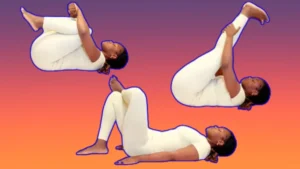
Physical therapists often note that stretching alone is insufficient if not paired with stabilization. Yoga sequences that incorporate both lengthening and strengthening elements, such as "Seal Pose" or "Thread the Needle," allow the muscles to reach a state of equilibrium. By lengthening the pectoralis minor—a muscle that often becomes chronically tight in desk workers—yoga helps to pull the shoulders back into a neutral, healthy position, effectively reversing the "hunch" associated with sedentary habits.
Recommended Therapeutic Modalities
To address these issues, wellness professionals recommend a structured approach to daily movement. The following techniques have been identified as highly effective for alleviating common tension:
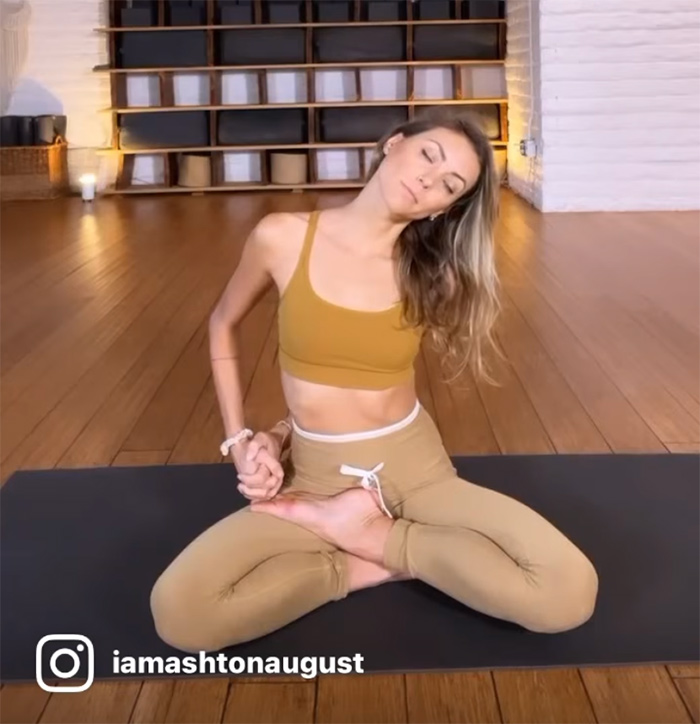
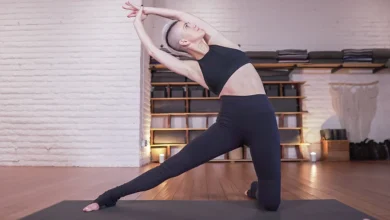
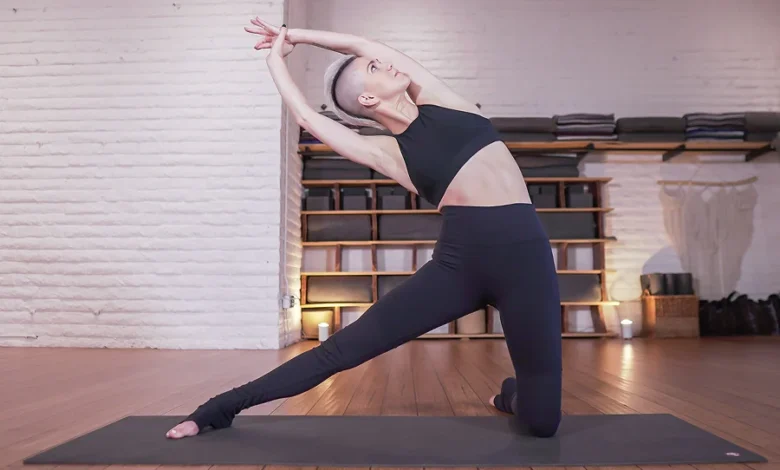
- Lateral Cervical Release: This involves controlled lateral flexion of the neck, often combined with a bind behind the back to depress the shoulder blade. This targets the sternocleidomastoid and upper trapezius muscles.
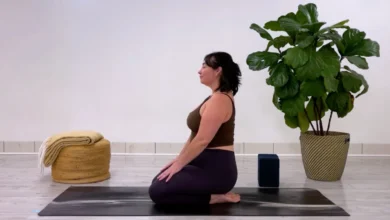
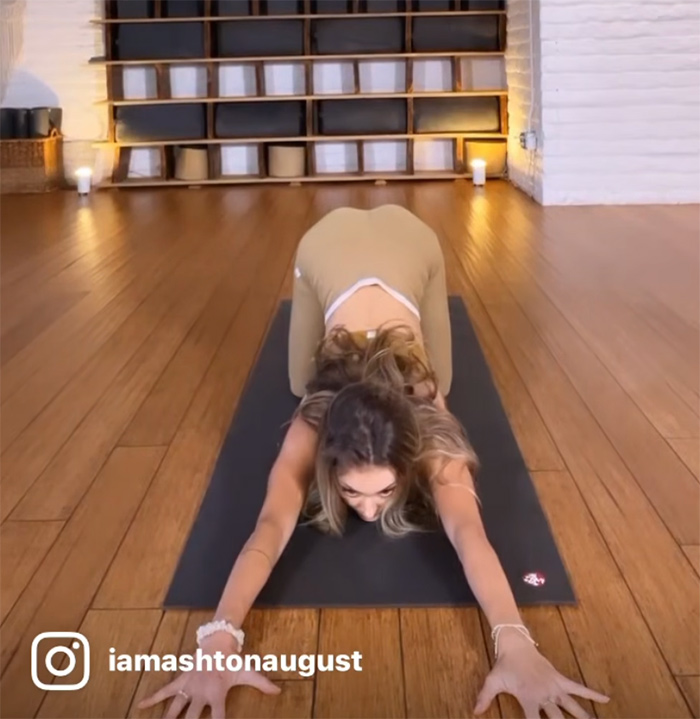
- Thoracic Mobility Drills: Using movements like "Puppy Pose," practitioners can decompress the thoracic spine. By tucking the chin, one can specifically target the posterior cervical fascia, which is often under constant tension from screen-viewing postures.
- Rotational Spine Activation: Movements like "Thread the Needle" provide a gentle torsion to the mid-back. This is essential because the thoracic spine is often the most restricted area for office workers; increasing its mobility reduces the compensation load placed on the cervical spine.
Data-Driven Implications for Public Health
The economic and health implications of sedentary-induced neck pain are significant. According to reports from the National Institute for Occupational Safety and Health (NIOSH), musculoskeletal disorders remain one of the leading causes of workplace absenteeism. The cost to global healthcare systems is estimated in the billions annually, accounting for medical consultations, imaging, and lost productivity.
While yoga is not a replacement for clinical treatment of diagnosed injuries or structural deformities, it functions as a potent preventative measure. Fact-based analysis suggests that employees who engage in as little as five to ten minutes of structured stretching per day report a 20-30% reduction in perceived discomfort. Furthermore, the psychological benefits of mindfulness-based movement—including reduced reported stress and improved focus—suggest that the value of these practices extends far beyond the physical realm.
Professional Guidance and Safety Protocols
It is a medical consensus that any new exercise regimen should be approached with caution. Individuals experiencing acute radiating pain, numbness in the extremities, or persistent weakness should refrain from self-directed stretching and instead seek a formal evaluation from a primary care physician or a licensed physical therapist.
"The objective is not to force the body into extreme shapes, but to facilitate a release of tension that has been stored over hours or days of poor posture," notes a spokesperson from the YouAligned wellness collective. "Consistency is the primary driver of results. A single session can provide temporary relief, but a daily, intentional practice is what creates long-term structural change."
Broader Perspectives on Ergonomic Wellness
Beyond the mat, the broader impact of these practices lies in the promotion of "ergonomic literacy." This includes understanding the necessity of periodic movement, the importance of monitor height, and the conscious effort to maintain a neutral spine. As the boundaries between professional and personal digital spaces continue to blur, the responsibility for maintaining physical health has shifted toward the individual.
In conclusion, the prevalence of neck and shoulder tension is a symptom of modern behavioral patterns. However, by leveraging the intersection of ancient movement traditions and modern understanding of human biomechanics, individuals can effectively manage and reduce their physical symptoms. Whether through formal yoga classes or brief, targeted stretches performed at a desk, the integration of mindful movement represents a sustainable path toward improved physical longevity and a higher quality of life. The evidence remains clear: when the body is treated with intentional care, the physical consequences of a high-pressure, technology-driven lifestyle can be significantly mitigated.