The Silent Nature of Lipid Dysregulation
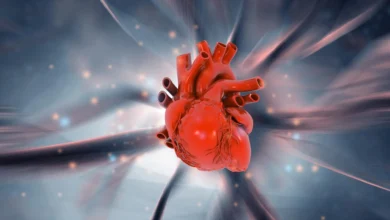
Cardiovascular health is often compromised years before a patient seeks medical intervention. When low-density lipoprotein (LDL) levels exceed optimal thresholds, the excess cholesterol begins to deposit on the inner walls of the arteries. This process, known as atherosclerosis, involves the gradual formation of plaque—a mixture of cholesterol, fatty substances, cellular waste, and fibrin. As this plaque builds up, the arterial lumen narrows, restricting blood flow and reducing the elasticity of the vessel walls.
Because this internal plumbing degradation occurs at a microscopic level, patients rarely feel the physiological toll of their rising numbers. It is for this reason that medical organizations, including the American Heart Association (AHA) and the American College of Cardiology (ACC), emphasize the necessity of routine screening. A standard lipid panel remains the gold standard for diagnosis. Ideally, an adult’s total cholesterol should be maintained below 200 mg/dL, with an LDL level under 100 mg/dL. When these numbers drift upward, they act as a "silent" catalyst for long-term vascular damage that remains invisible until the patient experiences a secondary, symptomatic event.
Chronology of Cardiovascular Decline
The progression of cholesterol-related disease typically follows a predictable, if delayed, timeline. In the early stages—often during the late twenties and thirties—lifestyle factors such as diet, sedentary behavior, and genetic predisposition initiate the silent accumulation of arterial plaque. During this period, blood pressure often remains stable, and the patient reports high energy levels, masking the underlying pathology.
By the second phase, usually spanning the mid-forties to fifties, the cumulative effect of plaque buildup begins to impact blood flow. This is when individuals may first experience exertional symptoms. The hallmark sign is angina—a pressure or tightness in the chest that occurs during physical stress. Unlike muscle soreness, this pain is directly tied to the heart’s inability to receive oxygenated blood through narrowed coronary arteries.
The third phase involves the transition from stable plaque to acute instability. Should a plaque rupture, the body initiates a clotting response, which can completely occlude an artery. This is the timeline of a myocardial infarction (heart attack) or an ischemic stroke. The time between the initial rise in LDL and a symptomatic event can span decades, which underscores why medical professionals categorize hyperlipidemia as a chronic, rather than acute, health issue.
Peripheral Symptoms and Clinical Indicators
While the disease is largely silent, there are rare physical manifestations that can serve as early-warning markers for those with specific genetic predispositions or severe, long-standing hyperlipidemia.
- Xanthomas and Xanthelasma: These are yellow, waxy deposits of cholesterol that manifest in the skin or around the eyelids. While they do not cause pain, they are clinical indicators that lipid metabolism is severely disrupted.
- Corneal Arcus: A pale or bluish ring around the iris. In patients under the age of 45, this can indicate premature atherosclerosis, necessitating an immediate lipid panel.
- Peripheral Artery Disease (PAD): When plaque restricts flow to the extremities, patients report intermittent claudication—cramping in the legs during walking that ceases with rest. This is a critical indicator of systemic atherosclerosis.
- Sexual Dysfunction: Research increasingly confirms that erectile dysfunction (ED) is a powerful, early predictor of cardiovascular disease. Because the arteries supplying the pelvic region are smaller than those supplying the heart, they are often the first to show the effects of arterial narrowing. A study published in JACC: Advances suggests that ED can precede a major cardiac event by two to three years, providing a vital window for early intervention.
Data-Driven Risk Assessment
The clinical management of high cholesterol has evolved significantly over the last decade. Current guidelines no longer look at cholesterol in a vacuum. Instead, physicians utilize the ASCVD (Atherosclerotic Cardiovascular Disease) Risk Estimator, which integrates cholesterol levels with blood pressure, smoking status, age, and diabetes history.

For instance, a patient with a total cholesterol of 220 mg/dL may be treated differently depending on their other variables. A 40-year-old with no other risk factors may be advised to pursue lifestyle modifications, whereas a 60-year-old smoker with the same cholesterol level would likely be a candidate for immediate pharmacological intervention, such as statin therapy. Statins, which inhibit the HMG-CoA reductase enzyme in the liver, have been shown to reduce LDL cholesterol by 30% to 50%, significantly lowering the risk of subsequent cardiovascular events.
Lifestyle and Medical Interventions
Addressing cholesterol effectively requires a bifurcated approach: sustainable lifestyle adjustments and, where necessary, evidence-based medication.
The nutritional impact on serum cholesterol is profound. Clinical guidelines emphasize the reduction of saturated fats—found in red meats, butter, and processed snacks—and an increase in soluble fiber. Soluble fiber, found in oats, beans, and certain fruits, acts as a sponge in the digestive system, binding to cholesterol and facilitating its removal from the body. Aiming for 25 to 30 grams of total fiber daily is a baseline recommendation by dietitians for cardiovascular health.
Furthermore, physical activity serves as a powerful lever for lipid regulation. Aerobic exercise, such as brisk walking or swimming, for at least 150 minutes per week, has a dual effect: it lowers LDL and triglycerides while increasing high-density lipoprotein (HDL), the "good" cholesterol that helps transport excess lipids to the liver for excretion.
When lifestyle changes fall short, medical science provides a robust toolkit. Beyond traditional statins, newer medications like ezetimibe, bempedoic acid, and PCSK9 inhibitors have expanded the ability to control cholesterol in high-risk patients. These advancements mean that even those with a strong genetic component, such as Familial Hypercholesterolemia (FH), can effectively manage their risk.
The Broader Impact on Public Health
The failure to diagnose high cholesterol is a failure of preventive medicine. Because the condition does not "hurt," many patients are reluctant to take medication or adhere to strict dietary protocols. However, the data is unequivocal: lowering LDL cholesterol reduces the risk of stroke and heart attack proportionally.
The economic and human impact of untreated high cholesterol is staggering. As global populations age, the prevalence of cardiovascular disease continues to rise, placing an immense burden on healthcare systems. Public health experts advocate for more frequent screenings starting as early as age 20. By normalizing the "lipid panel" as a routine part of adult health—much like a dental cleaning or a vision test—the medical community aims to shift the paradigm from reactive emergency care to proactive management.
In conclusion, the "silent killer" label is both accurate and a warning. By recognizing that the absence of symptoms is not evidence of health, individuals can take control of their cardiovascular future. Whether through the early detection of subtle physical signs like corneal arcus or the proactive scheduling of a routine blood test, identifying and addressing high cholesterol early remains the most effective strategy for ensuring long-term health and vitality. If you have concerns about your lipid profile, the most responsible course of action is to consult a primary care physician to assess your risk factors and determine if your current lifestyle or genetic profile requires more intensive medical support.