A Daily Dose of Peanut Butter Shows Promise in Mitigating Age-Related Muscle Decline

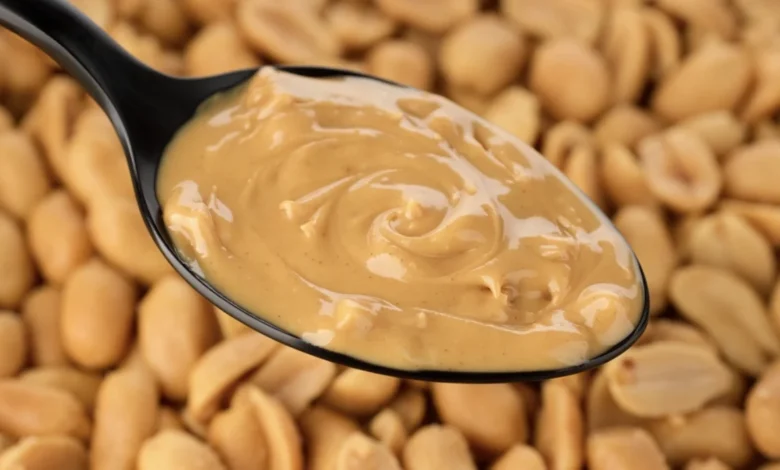
A recent study conducted by researchers at Deakin University’s School of Exercise & Nutrition Sciences in Geelong, Victoria, Australia, has revealed that a daily consumption of unsweetened peanut butter can positively impact certain aspects of age-related muscle decline in older adults. The six-month intervention, involving 120 community-dwelling elders, suggests that this common and affordable food item may offer a practical strategy to enhance muscle power and potentially reduce the risk of disability.
The research, published in the Journal of Cachexia, Sarcopenia and Muscle, investigated the direct effects of daily nut consumption on muscle strength and function through a randomized controlled trial, addressing a gap in previous population-based studies that had only shown associations between nut intake and reduced musculoskeletal decline.
Background: The Challenge of Age-Related Muscle Loss
As individuals age, a natural decline in muscle mass, strength, and function, known as sarcopenia, becomes increasingly prevalent. This phenomenon is driven by a complex interplay of factors including reduced physical activity, hormonal changes, chronic inflammation, and oxidative stress. Sarcopenia can lead to a cascade of negative health outcomes, including increased risk of falls, fractures, reduced mobility, and a diminished quality of life. Globally, the aging population is growing, making effective and accessible interventions to combat sarcopenia a significant public health concern. Current recommendations often emphasize increased protein intake and regular exercise, but adherence and effectiveness can vary.
Study Design and Methodology
The Deakin University study, led by Ilili Feyesa, aimed to provide concrete evidence on the efficacy of daily peanut butter consumption. The research team recruited 120 participants aged 65 and older who were generally healthy and not engaged in regular exercise. These individuals were randomly assigned to one of two groups for a period of six months.
The control group was instructed to maintain their usual dietary and lifestyle habits throughout the study. The intervention group, however, received a daily allocation of 43 grams of unsweetened peanut butter, provided free of charge by the researchers. This daily portion is equivalent to approximately 2.7 tablespoons, or about 1.5 ounces of whole peanuts.
Peanut butter was specifically chosen as the vehicle for nut consumption due to its accessibility, affordability, and ease of consumption, particularly for older adults who may have chewing difficulties. The chosen daily serving provided approximately 250 kcal, 20g of fat (over 90% unsaturated), and 10g of protein.
Participants underwent a comprehensive battery of tests at the beginning of the study to establish baseline measurements. These assessments included questionnaires on dietary habits and physical activity, as well as functional tests designed to evaluate muscle function. Key measures included the Short Physical Performance Battery (SPPB), which comprises tests for balance, gait speed, and the Sit-to-Stand (STS) test, measuring the ability to rise from a chair without using hands. Upper and lower body muscle condition was further assessed through handgrip strength and knee extensor strength measurements.
Key Findings: Improved Muscle Power and Faster Sit-to-Stand Times
After six months, the study revealed statistically and clinically significant improvements in specific areas for the group consuming daily peanut butter, compared to the control group. Notably, participants in the peanut butter group demonstrated better performance on the 5-Repetition Sit-to-Stand (5STS) test, completing the task in a shorter amount of time. This improvement, averaging 1.23 seconds, was deemed "small yet clinically meaningful" by the researchers. Age-related declines in 5STS performance are strongly linked to increased disability and limitations in daily activities, suggesting that even incremental improvements can play a crucial role in preventing functional decline.
Furthermore, the intervention group exhibited a significant increase in muscle power. Muscle power, defined as the product of muscle force and the velocity at which it can be exerted, is considered a critical indicator of overall physical function and independence, particularly as individuals age. The study reported a 0.25 W/kg increase in muscle power among those who consumed peanut butter daily. Researchers emphasized that muscle power tends to decline earlier and more rapidly than muscle mass or strength during the aging process, making its preservation a key target for maintaining mobility and independence.
Analysis of the Results: The Velocity Factor
The seemingly paradoxical finding that muscle power improved while measures of muscle strength (like knee extensor strength) showed no significant change prompted further analysis by the research team. Feyesa and her colleagues explained that the enhanced velocity in completing the 5STS test, evident in the shorter completion times of the peanut butter group, directly contributed to the increased muscle power calculation. This highlights that while brute strength is important, the speed at which muscles can generate force is equally, if not more, critical for functional performance in daily life.

Exploring the Protein Paradox
The study also delved into why the additional protein from peanut butter did not translate into significant gains in muscle strength or mass. Current nutritional science suggests that aging muscle becomes less responsive to protein intake due to a phenomenon known as "anabolic resistance." This means older muscles may require a higher supply of amino acids to effectively stimulate muscle protein synthesis.
However, the 43-gram daily serving of peanut butter provided approximately 13g of protein, which may not have been sufficient to overcome anabolic resistance, especially given that most participants were already consuming protein well above the Recommended Daily Allowance (RDA) of 0.8g/kg for older adults. On average, participants in this trial consumed about 1.12g/kg of protein daily. This adequate baseline protein intake likely blunted the potential impact of the additional protein from peanut butter.
Moreover, the study’s participants were not engaged in regular exercise. Previous research, including a systematic review and meta-analysis of 38 randomized controlled trials, consistently shows that the most effective strategy for improving muscle mass, strength, and physical function in older adults involves a combination of protein supplementation and consistent exercise. The Deakin University study underscores that increasing protein intake in the absence of a regular exercise stimulus may yield limited benefits for muscle strength.
Caloric Intake and Weight Management
The addition of peanut butter to the daily diet increased caloric intake by an average of 256 kcal and fat intake by approximately 21 grams. However, this did not result in significant weight gain or an increase in body fat percentage in the intervention group compared to the controls. The researchers hypothesize that the high proportion of mono- and polyunsaturated fatty acids in peanuts may be more readily oxidized by the body and possess greater thermogenic effects. This finding aligns with other studies on nut consumption, which suggest that increased intake does not necessarily lead to weight gain, likely due to factors such as increased satiety and metabolic effects.
Feasibility and Well-Tolerated Intervention
The peanut butter intervention was overwhelmingly well-tolerated by the participants. Many expressed enjoyment of the taste and indicated their intention to continue daily peanut butter consumption beyond the study’s conclusion. No serious adverse effects were reported, with only minor gastrointestinal complaints (diarrhea, bloating) and burping noted in a few individuals. One participant withdrew due to concerns about potential cholesterol elevation, although the study did not measure cholesterol levels.
The authors concluded that "Peanut butter supplementation is a feasible dietary strategy for boosting dietary protein in older adults." They further described peanuts as a "nutrient-dense food" and peanut butter in a butter form as a "simple, practical, age-appropriate and inexpensive dietary strategy that can be easily adopted by older adults."
Broader Implications and Future Directions
While peanut butter may not be a panacea for sarcopenia, this study provides compelling evidence for its role in mitigating age-related muscle decline. The demonstrated improvements in muscle power and faster sit-to-stand times suggest a tangible benefit in preserving functional independence and potentially delaying the onset of disability.
The findings have significant implications for public health recommendations and dietary strategies aimed at promoting healthy aging. The affordability and widespread availability of peanut butter make it a highly accessible intervention for older adults, particularly those with limited financial resources or access to specialized nutritional supplements.
Future research could explore optimal protein dosages from peanut butter in conjunction with tailored exercise programs for older adults. Investigating the long-term effects of sustained peanut butter consumption on muscle function and overall health outcomes would also be valuable. Furthermore, understanding the specific bioactive compounds within peanuts that contribute to these benefits could pave the way for more targeted nutritional interventions.
In conclusion, the Deakin University study offers a promising and practical approach to supporting muscle health in aging populations. By incorporating a daily, unsweetened serving of peanut butter, older adults may be able to take a simple, enjoyable, and cost-effective step towards maintaining their physical function and enhancing their quality of life.