Transforming Simple Produce: The Rise of Braised Melting Cabbage in Modern Home Cooking

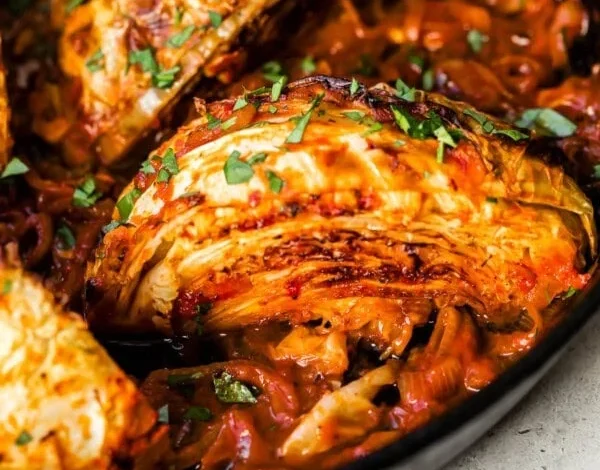
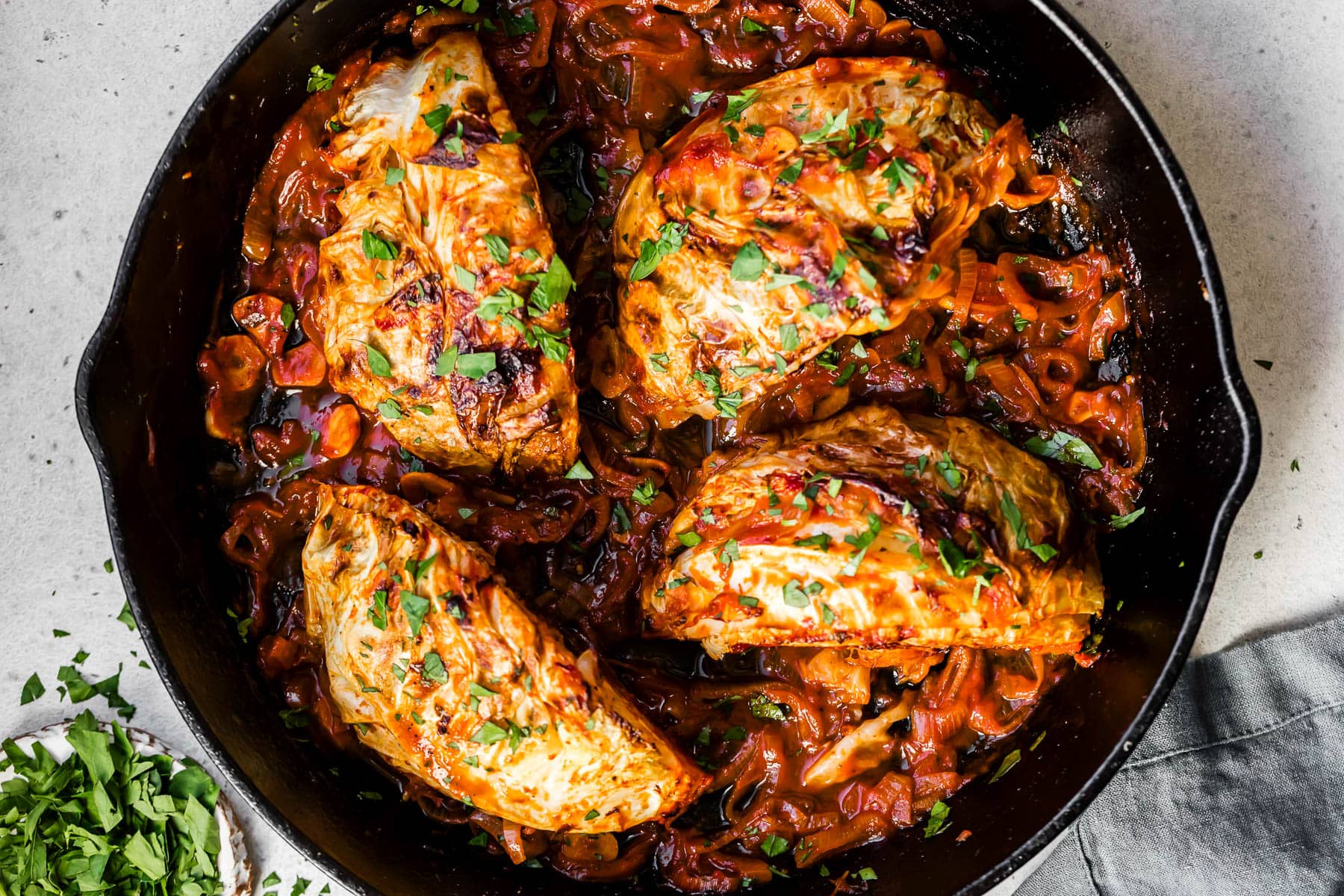
Culinary trends often favor complex preparations, exotic ingredients, and lengthy shopping lists, but a quiet shift is taking place in kitchens across the globe. Home cooks and professional chefs alike are rediscovering the versatility of humble, budget-friendly vegetables, elevating them through traditional cooking techniques. Among the standout dishes gaining renewed attention is braised melting cabbage, a simple yet sophisticated skillet dish that transforms a standard head of green cabbage into a silky, flavor-packed centerpiece. Simmered in a savory broth of tomatoes, aromatics, and wine, this preparation has captured the attention of food writers and culinary enthusiasts looking for wholesome, comforting meals that do not require specialized ingredients.
The Culinary Background and Evolution of Braised Cabbage
Cabbage has long been a dietary staple across Europe and Asia, valued for its exceptional shelf life, nutrient density, and affordability. Historically, the vegetable was utilized primarily in heavy, long-simmered stews, fermented preparations like sauerkraut and kimchi, or raw salads such as coleslaw. However, the technique of braising thick cabbage wedges—frequently referred to as "melting cabbage"—bridges the gap between rustic home cooking and fine dining presentation.
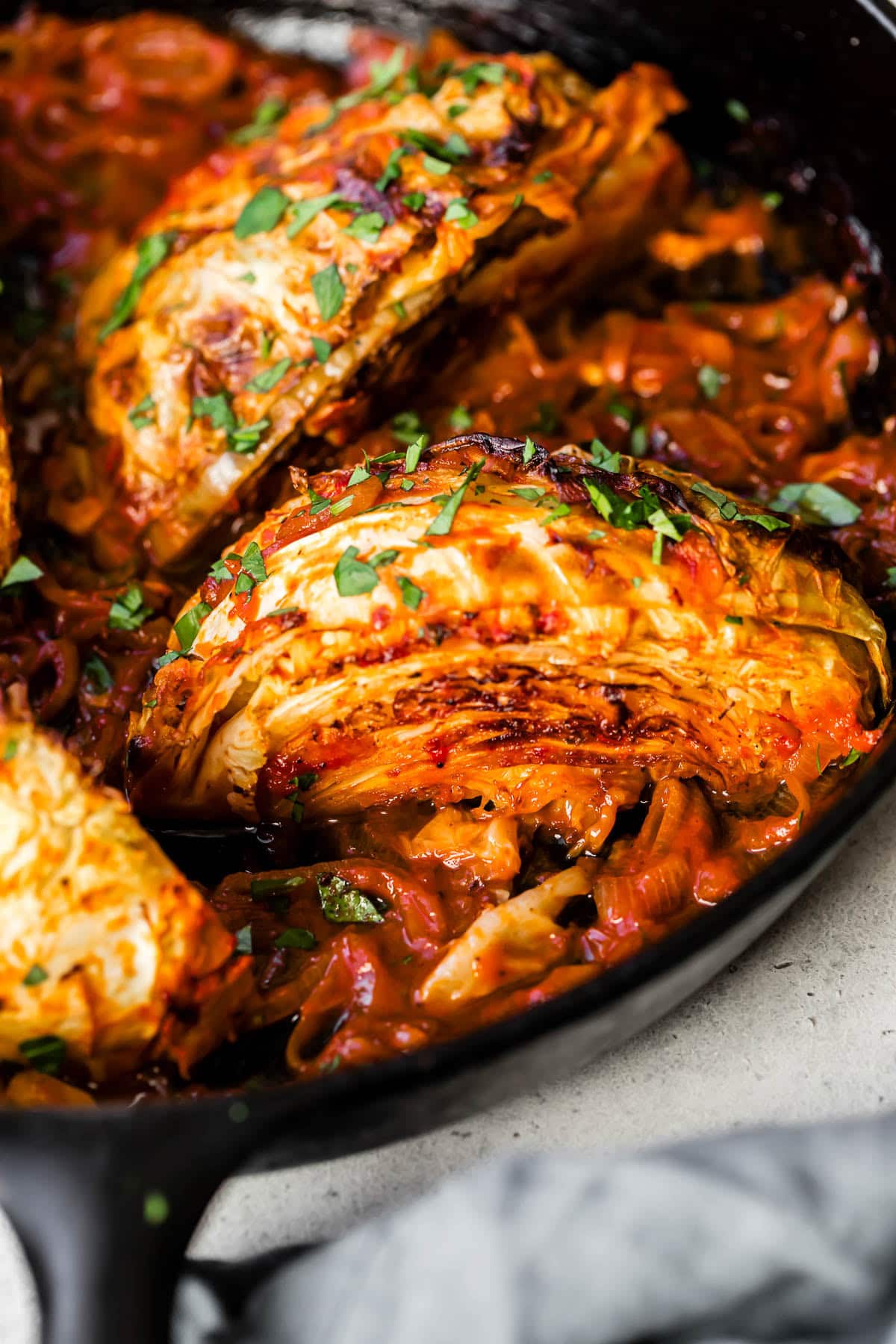
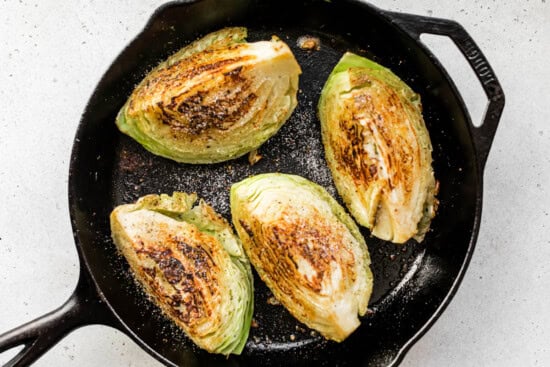
By searing the cabbage wedges in butter or oil prior to braising, the outer leaves develop a deep caramelization. This browning process triggers the Maillard reaction, unlocking complex savory notes that counteract the vegetable’s natural, sometimes polarizing sulfurous undertones. Once seared, the cabbage is simmered in a flavorful liquid—typically a combination of vegetable or chicken broth, tomato paste, and white wine—until the structural integrity of the vegetable breaks down into a tender, melt-in-your-mouth texture reminiscent of traditional meat-based stuffed cabbage rolls, but entirely plant-forward.
Nutritional Profile and Dietary Relevance

In an era where consumers increasingly prioritize health, wellness, and functional nutrition, cabbage offers a remarkably impressive nutritional profile. According to data from the United States Department of Agriculture (USDA), a standard serving of braised green cabbage is notably low in calories while delivering high volumes of dietary fiber, Vitamin C, Vitamin K, and essential micronutrients.
Nutrition analyses for skillet-braised cabbage dishes typically place a single serving at under 200 calories, while providing substantial fiber to support digestive health. Furthermore, because the core recipe is naturally low in fat and carbohydrates—while remaining adaptable to dairy-free, vegetarian, and vegan modifications—it fits seamlessly into popular dietary frameworks, including Mediterranean, low-glycemic, and flexitarian diets. Culinary experts note that dishes maximizing nutrient-dense, affordable produce are seeing a surge in demand as households navigate fluctuating grocery costs and seek sustainable eating habits.

Step-by-Step Methodology of Preparation
Achieving the characteristic "melting" texture requires a precise sequence of culinary steps that balance high-heat searing with low-and-slow braising.
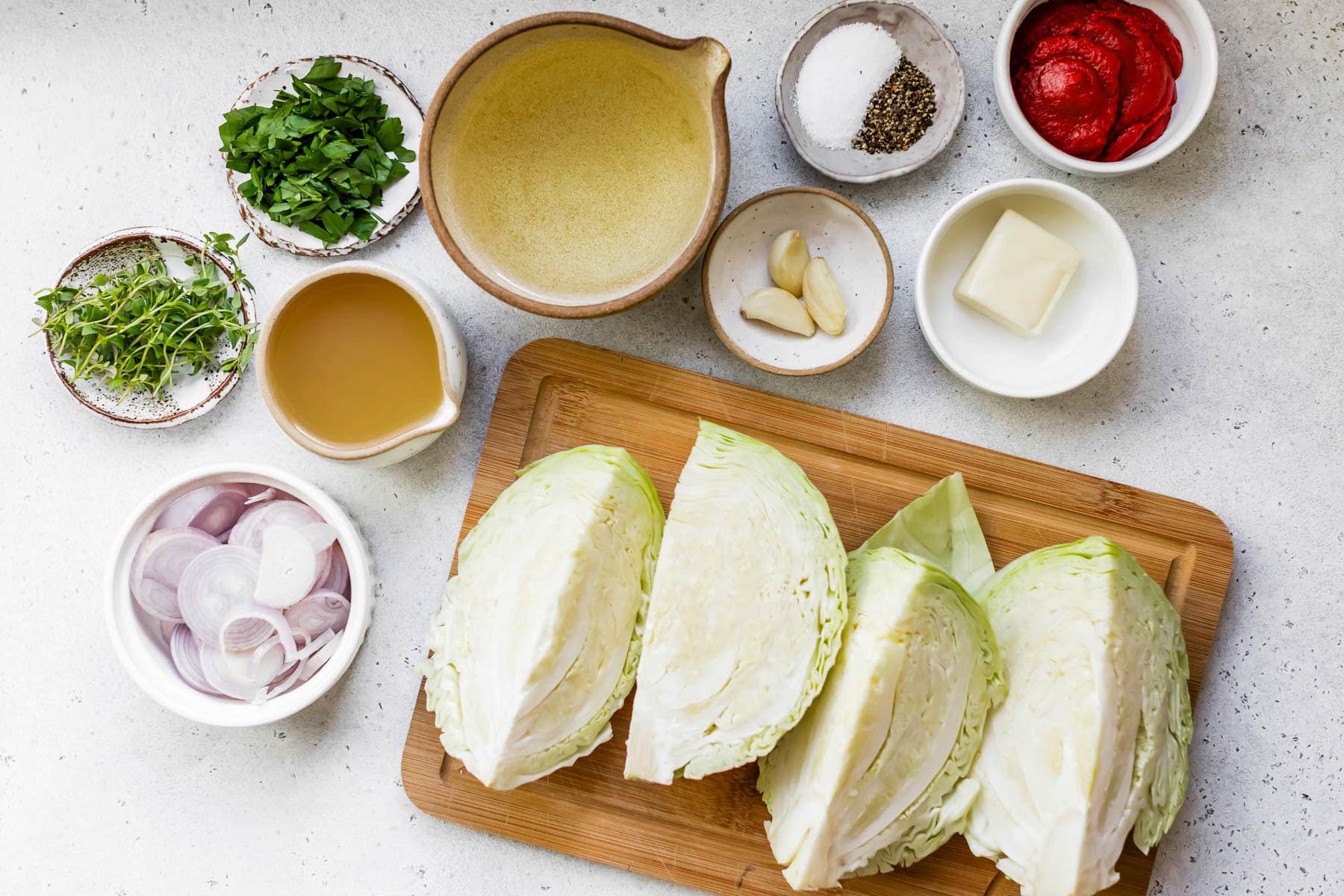
- Preparation of the Wedges: A fresh head of green cabbage is trimmed and cut into uniform wedges, ensuring that the core remains intact to hold the leaves together during cooking.
- The Sear: Wedges are placed into a wide skillet with melted butter or olive oil over medium-high heat. Allowing the cabbage to sit undisturbed allows the natural sugars to caramelize, creating a rich golden-brown crust on the cut surfaces.
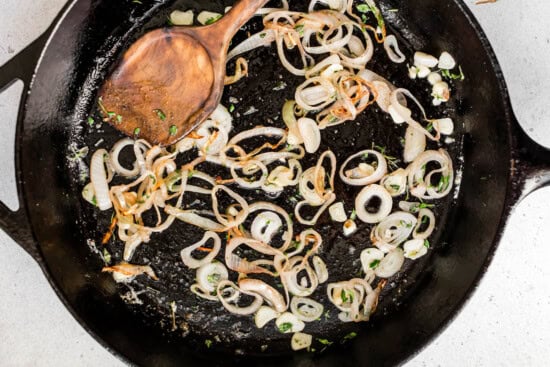
- Aromatics and Braising Liquid: Finely diced shallots or onions are sautéed alongside the cabbage, followed by the incorporation of tomato paste to build an umami-rich base. Deglazing the pan with a dry white wine introduces acidity, which balances the sweetness of the reduced tomatoes and the natural sugars of the cabbage.
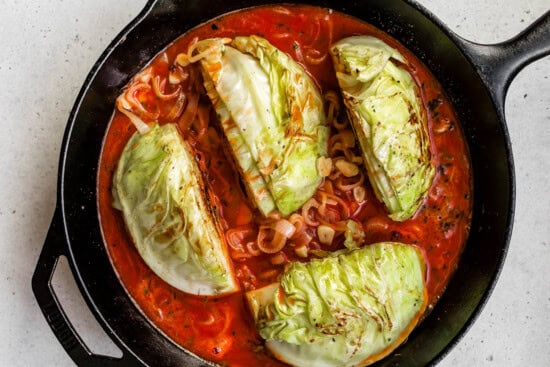
- The Simmer: Broth is added to the skillet, filling it to cover roughly the bottom half of the wedges. The pan is covered, and the contents are allowed to simmer gently for approximately 35 to 45 minutes. As the liquid slowly reduces, the cabbage absorbs the rich flavors, softening until a fork slides through the layers with minimal resistance.
Adaptability and Kitchen Variations
One of the primary drivers behind the recipe’s widespread adoption is its inherent flexibility. Culinary instructors and home cooking bloggers frequently emphasize that the base recipe can be easily modified based on pantry availability and dietary preferences.
For instance, cooks seeking a sharper, more vibrant color profile frequently substitute green cabbage with red cabbage, which yields a striking deep purple presentation and a slightly earthier flavor. When shallots are unavailable, standard yellow or red onions serve as an effective substitute. To accommodate alcohol-free households, the white wine component can be omitted entirely and replaced with additional broth paired with a splash of white or red wine vinegar, supplying the necessary acidity to brighten the sauce. Additionally, double-concentrated tomato paste can be utilized for a deeper, more concentrated tomato flavor, sometimes balanced with a pinch of brown sugar.
Pairing Suggestions and Meal Planning
Braised cabbage occupies a unique culinary space: it is substantial enough to act as a vegetarian main course, yet versatile enough to function as an elegant side dish. Food stylists and recipe developers frequently pair the dish with roasted poultry, pork tenderloin, or lean meatloaf. Because the cooking process yields a rich, savory tomato and wine reduction, serving the cabbage alongside starches like mashed potatoes, polenta, or crusty artisanal bread allows diners to absorb the flavorful sauce.
Meal preparation enthusiasts also note that braised cabbage stores exceptionally well. When kept in an airtight container in the refrigerator, the flavors continue to meld, often making the dish taste even better on the second day. Reheating can be accomplished easily on the stovetop or in a microwave, making it an efficient option for weekly meal prep schedules.
Broader Economic and Cultural Implications
The renewed popularity of braised cabbage reflects a broader cultural pivot toward resourceful, economical cooking. As global food inflation prompts consumers to reevaluate household budgets, traditional ingredients that offer high yield, long shelf-life, and gourmet potential have returned to the forefront of culinary media.
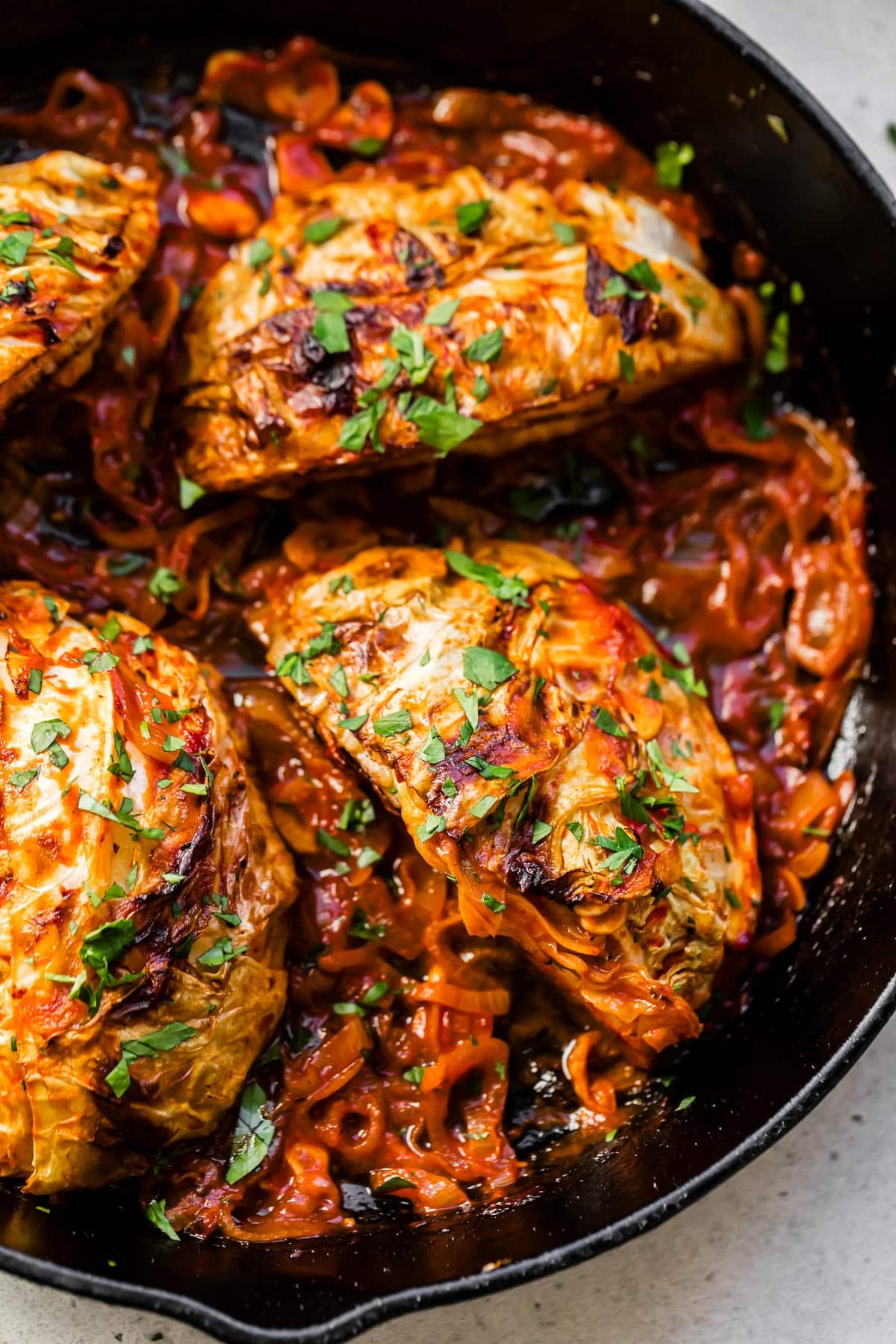
Furthermore, the trend underscores a growing appreciation for vegetable-centric dishes that do not rely on meat substitutes or processed alternative products. By treating a basic head of cabbage with the same culinary care typically reserved for premium cuts of meat—searing, building a pan sauce, and braising—home cooks can achieve sophisticated restaurant-quality results using accessible ingredients. As food media continues to champion approachable, nutrient-dense recipes, techniques like melting cabbage demonstrate that exceptional flavor is rooted in proper technique rather than high expense.