The Rise of Melting Cabbage: How a Humble Vegetable is Transforming Modern Home Cooking

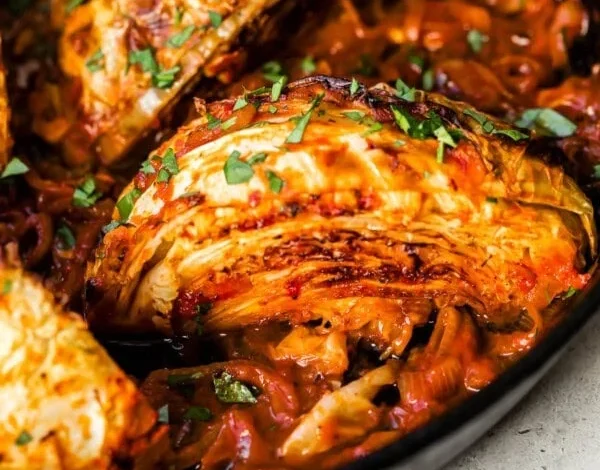
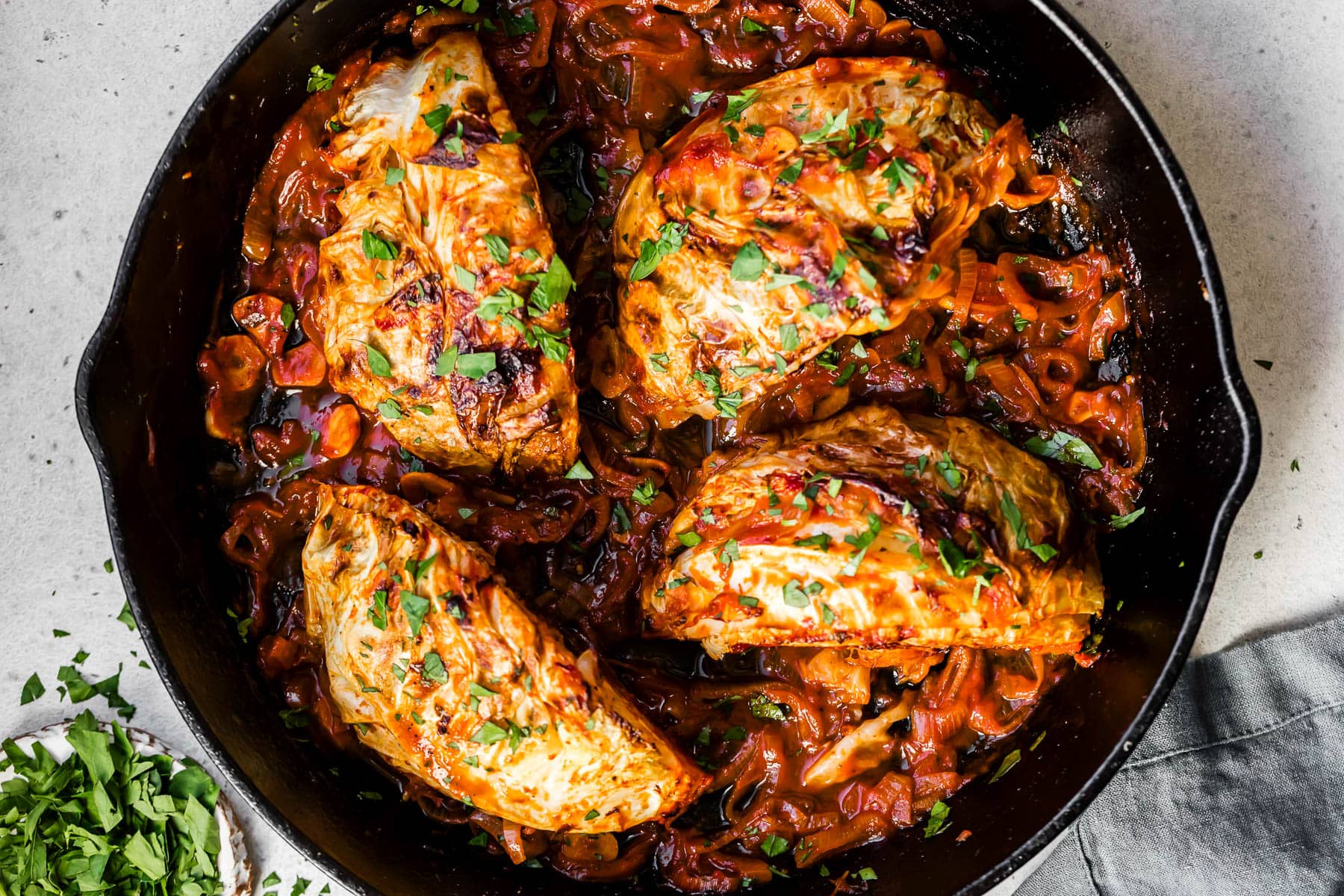
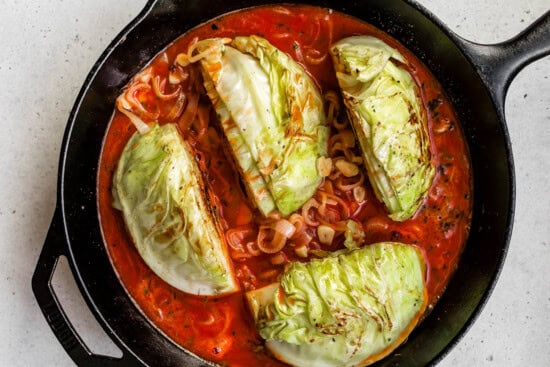
The culinary world has long relegated cabbage to the background of the plate, often limiting its utility to raw coleslaws, crisp salads, or the occasional traditional St. Patrick’s Day boiled dinner. However, a growing culinary trend is elevating this cruciferous vegetable into the spotlight through a technique known as braising. Often referred to as "melting cabbage," this preparation method transforms sturdy green or red cabbage heads into a silky, tender, and deeply flavorful side dish. By searing cabbage wedges in butter and simmering them in a savory, aromatic tomato and wine broth, home cooks are discovering a versatile, budget-friendly dish that rivals the complexity of traditional meat-heavy comfort foods.
The Evolution of Cabbage in Contemporary Gastronomy
Historically, cabbage has been prized for its exceptional nutritional profile, long shelf life, and affordability. Belonging to the Brassica genus, which also includes broccoli, kale, and Brussels sprouts, cabbage is packed with essential vitamins C and K, dietary fiber, and potent antioxidants. Despite these health benefits, its reputation has frequently suffered from perceptions of blandness and unpleasant sulfurous odors associated with overcooking.
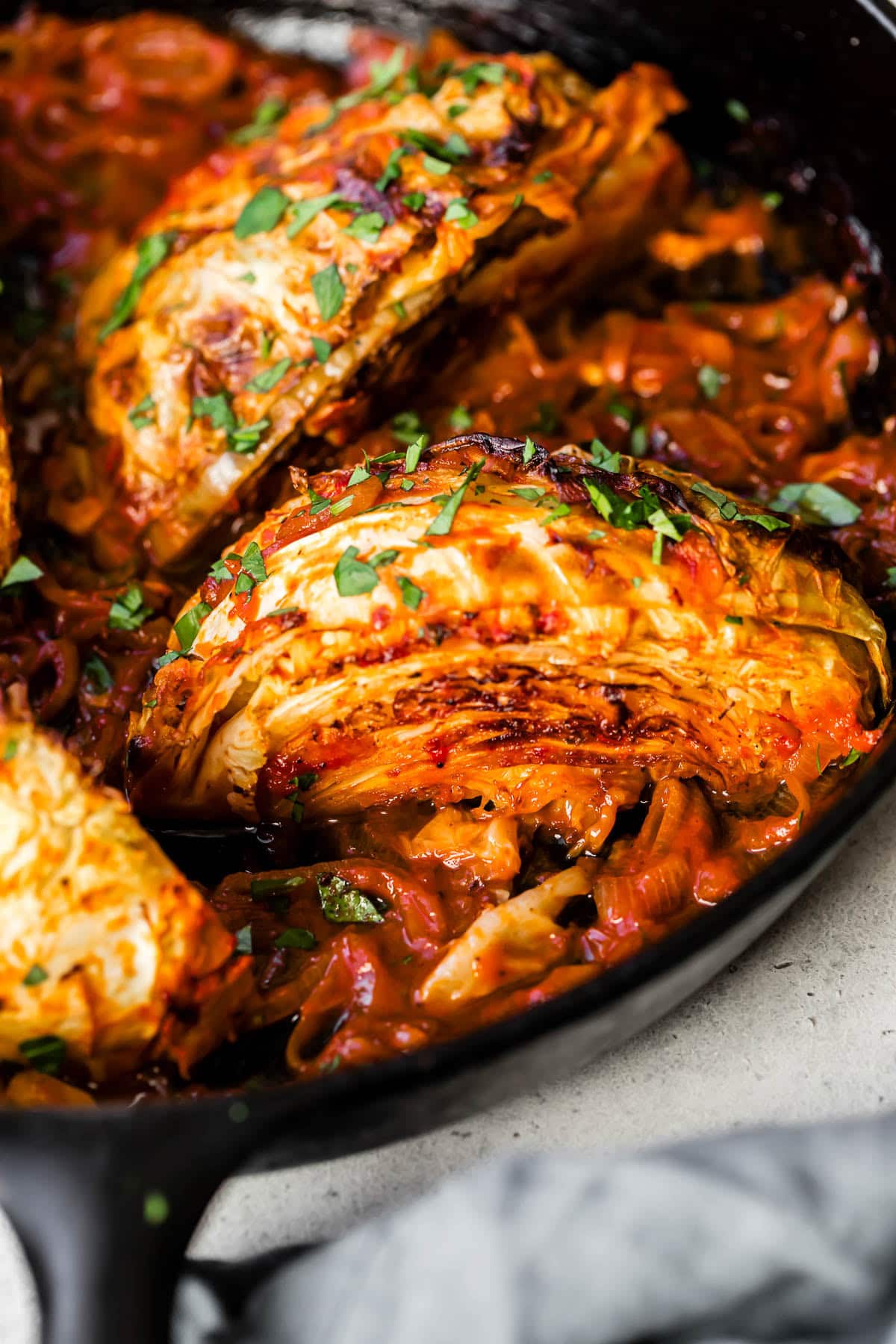
The braising technique addresses these historical hurdles directly. By starting the cooking process with a high-heat sear in butter or oil, the outer layers of the cabbage wedges caramelize. This Maillard reaction generates deep, savory flavor notes that balance the vegetable’s inherent mild sweetness. Once the aromatics—typically shallots or onions—and the braising liquids are introduced, the cabbage slowly absorbs the surrounding flavors, breaking down its rigid cellular walls until the interior achieves a fork-tender, melting texture.
Nutritional Profile and Dietary Adaptability

From a nutritional standpoint, braised cabbage offers a compelling option for individuals seeking nutrient-dense, lower-calorie meal additions. A standard serving of this tomato-and-wine-braised preparation yields approximately 167 calories, 6 grams of total fat, 22 grams of carbohydrates, and an impressive 7 grams of dietary fiber. The high fiber content aids digestion and promotes satiety, making it an attractive side dish for balanced eating plans.
Furthermore, the recipe’s inherent flexibility accommodates various dietary preferences. By substituting butter with olive oil or plant-based alternatives, the dish easily transitions into a vegan-friendly option without sacrificing its rich mouthfeel. The use of white wine introduces a subtle acidity that cuts through the richness, while tomato paste and broth build a robust, umami-rich foundation reminiscent of deconstructed stuffed cabbage rolls, minus the labor-intensive meat-stuffing process.

Chronology of the Culinary Technique
While braising is a foundational culinary method dating back centuries across French and European cooking traditions, its application to thick cabbage wedges has gained significant traction in contemporary home kitchens through digital food platforms and culinary blogs.
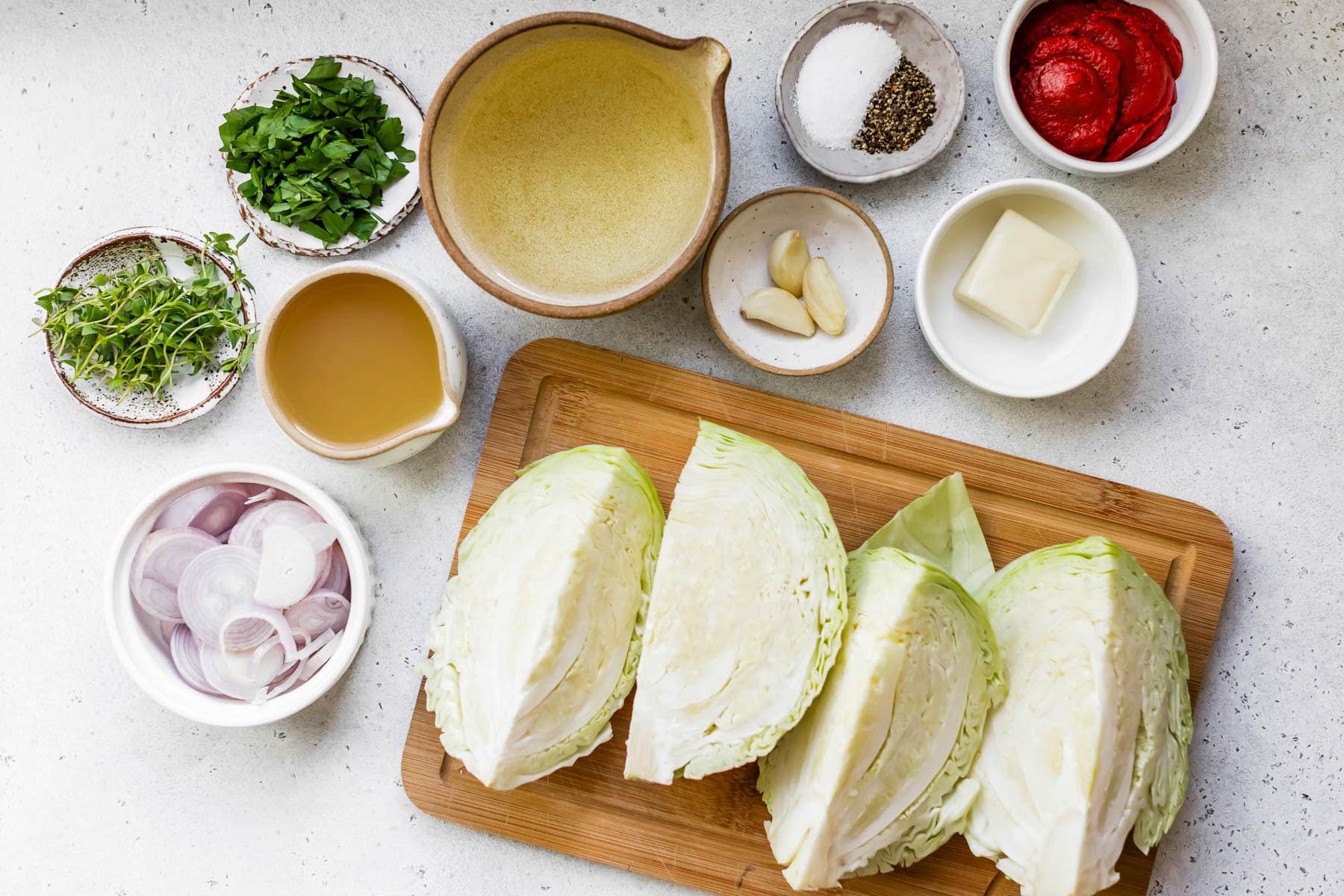
- Preparation and Trimming: The process begins by selecting a firm, dense head of green or red cabbage. The head is sliced into uniform wedges, ensuring the core remains intact to hold the pieces together during cooking.
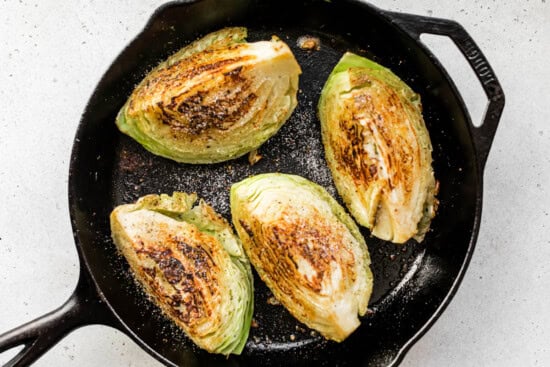
- The Sear: Chefs and home cooks place the wedges into a hot skillet with melted butter or oil, allowing the cut sides to develop a golden-brown crust. This critical step takes approximately 3 to 5 minutes per side.
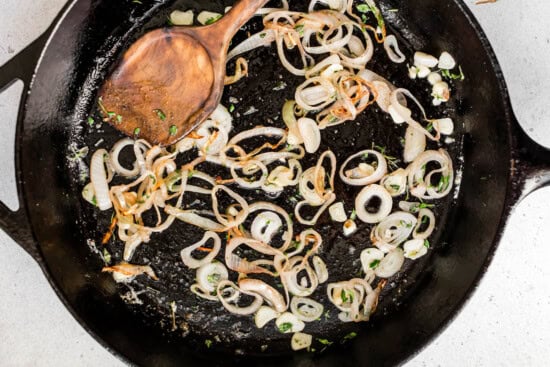
- Aromatic Integration: Once seared, the cabbage is temporarily removed or pushed aside to sweat shallots or onions, garlic, and tomato paste directly in the pan drippings, blooming the spices and concentrating the tomato flavor.
- The Braise: Deglazing the pan with a dry white wine or a splash of broth lifts the caramelized bits from the bottom of the skillet. The cabbage wedges are returned to the pan, and enough liquid is added to submerge the bottom half of the wedges. The skillet is covered and allowed to simmer on low heat for roughly 30 to 45 minutes until the vegetable is fork-tender.
- Reduction and Finishing: The lid is removed during the final stages of cooking to allow excess moisture to evaporate, yielding a glossy, concentrated sauce that clings to the tender cabbage leaves.
Expert Insights and Culinary Implications
Food science experts and professional chefs note that braising cruciferous vegetables fundamentally alters their chemical structure, breaking down harsh glucosinolates into milder, sweeter compounds. This chemical transformation explains why individuals who typically dislike raw or boiled cabbage often find braised preparations remarkably palatable.
Culinary analysts observe that the resurgence of cabbage-centric side dishes aligns with broader economic and consumer trends. As grocery inflation prompts consumers to seek out affordable, nutrient-dense produce staples, versatile vegetables like cabbage provide an economical canvas for creative home cooking. Dishes that utilize pantry staples—such as canned tomato paste, leftover white wine, and basic aromatics—enable home cooks to produce gourmet-quality meals with minimal financial investment.
Serving Suggestions and Practical Storage
Braised cabbage pairs naturally with a wide variety of proteins, serving as an ideal accompaniment to roast chicken, pork tenderloin, turkey meatloaf, or pan-seared white fish. Because the dish yields a rich, savory tomato broth, it is frequently served alongside carbohydrate bases such as mashed potatoes, polenta, or crusty artisanal bread designed to absorb the flavorful pan juices.
For meal-planning enthusiasts, braised cabbage stores exceptionally well. When kept in an airtight container in the refrigerator, it maintains its quality for up to four days, and flavors often deepen upon reheating. While it can be frozen, the high water content of the vegetable may alter its texture slightly upon thawing, making refrigeration the preferred method for meal prep.
Broader Impact on Home Cooking Trends
The growing popularity of melting cabbage underscores a broader shift toward vegetable-forward dining, where vegetables are treated as the main event or elevated to gourmet status rather than acting as an afterthought. As home cooks continue to experiment with global flavor profiles and traditional techniques applied to everyday ingredients, humble produce items are reclaiming their place at the center of the modern American table.