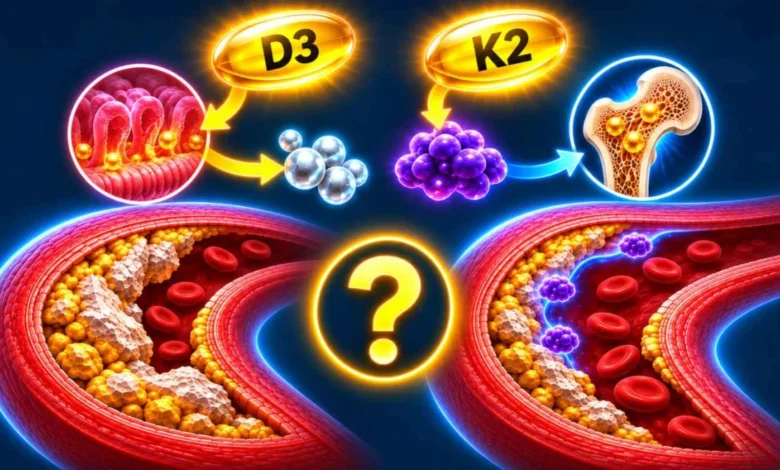
The modern supplement market has seen a surge in popularity for combination therapies, specifically those pairing vitamin D3 with vitamin K2. Often marketed under the premise of "calcium redistribution," these products claim to prevent the hardening of arteries by shuttling calcium out of the vascular system and into the skeletal structure. While the biological mechanisms involving these nutrients are scientifically established, a growing body of clinical research suggests that the promise of cardiovascular protection via supplementation remains largely unsupported by high-quality human trials.
The Mechanism of Arterial Calcification
To understand why these supplements have gained traction, it is necessary to examine the pathology of arterial stiffness. As individuals age, calcium deposits often accumulate within the tunica intima and media of the arterial walls. This process, known as vascular calcification, transforms flexible, resilient blood vessels into rigid conduits.
The physiological implications of this process are significant. Elastic arteries act as a dampener for the high-pressure surges created by the heart’s contraction. When these vessels stiffen, that dampening effect is lost, leading to increased systolic blood pressure. This elevated pressure, often termed "pulse pressure," forces the heart to work harder and exposes delicate microvasculature in organs such as the kidneys and the brain to damaging stress. Over several decades, this structural change is a major driver of cardiovascular disease, including myocardial infarction, stroke, and chronic kidney disease.
Vitamin D3: The Role of Calcium Homeostasis
Vitamin D3 (cholecalciferol) is the form of vitamin D synthesized by human skin upon exposure to ultraviolet B (UVB) radiation and is found in select dietary sources such as fatty fish and egg yolks. Its primary biological function is to facilitate the intestinal absorption of calcium and phosphorus, which are essential for maintaining bone mineral density.
Historically, clinicians observed an inverse correlation between low vitamin D levels and cardiovascular mortality. This led to a widely held hypothesis that vitamin D deficiency might be a direct cause of heart disease. However, correlation does not imply causation. Large-scale, randomized controlled trials (RCTs) have since challenged this narrative.
The most prominent of these, the VITAL study, involved nearly 26,000 participants and monitored the effects of 2,000 IU of vitamin D3 daily over a five-year period. The results were conclusive: supplementation provided no statistically significant reduction in the incidence of heart attacks, strokes, or cardiovascular-related mortality. The current medical consensus suggests that low vitamin D is more likely a biomarker of a sedentary lifestyle or poor overall health, rather than a direct causative agent of arterial disease.
Vitamin K2: Biological Plausibility vs. Clinical Evidence
Vitamin K2, a group of compounds produced by bacteria, is found in fermented foods like natto, as well as specific animal products. Its mechanism of action centers on the activation of matrix Gla protein (MGP). In its inactive state, MGP is unable to perform its function; however, once carboxylated—a process dependent on vitamin K2—it acts as a potent inhibitor of vascular calcification.
The biological rationale is compelling: in animal models, the absence of functional MGP leads to rapid and severe arterial calcification. Furthermore, patients on warfarin, a vitamin K antagonist, are known to have a higher incidence of vascular calcification. Despite this robust biological framework, human clinical trials have failed to produce a consensus. While some small-scale studies suggest minor improvements in arterial stiffness metrics, there is a total absence of evidence demonstrating that K2 supplementation reduces the incidence of clinical cardiovascular events.

The Logic of Combination Therapy
The premise behind combining D3 and K2 in a single capsule is based on a "synergistic" theory: the belief that increasing calcium absorption via D3 necessitates a compensatory mechanism (provided by K2) to ensure that the calcium ends up in the bones rather than the blood vessels.
This hypothesis assumes that standard vitamin D supplementation causes a dangerous spike in serum calcium that must be "managed." However, longitudinal data from the VITAL trial and other similar studies indicate that standard, safe dosages of vitamin D do not lead to pathological calcium buildup in healthy adults. The medical community maintains that for the vast majority of the population, the body’s homeostatic systems are sufficient to regulate calcium levels without the need for additional K2 "steering."
Guidelines for Supplementation and Safety
Public health bodies, including those in the United Kingdom and the United States, provide specific guidelines for vitamin D intake. In the UK, the recommended intake is generally 10 micrograms (400 IU) daily during the winter months. In the US, the recommended dietary allowance (RDA) is 600 IU for adults up to age 70, and 800 IU for those over 70.
It is vital to distinguish between maintaining healthy levels and the potential risks of over-supplementation. Individuals with pre-existing conditions such as sarcoidosis, kidney disease, or a history of hypercalcemia (high blood calcium) should avoid high-dose vitamin D without strict medical oversight. Similarly, the use of vitamin K2 in patients taking anticoagulants like warfarin is strictly contraindicated, as it can interfere with the drug’s efficacy, potentially leading to life-threatening clotting issues.
Broader Implications and Future Research
The marketing of D3 and K2 as a "heart health" solution serves as a case study in how preliminary biological science can be extrapolated into consumer health products without the rigorous clinical backing required for medical validation. While these vitamins are essential for bone health and proper coagulation, the leap to using them as a therapeutic for cardiovascular health is currently unsupported by rigorous evidence.
For patients concerned about arterial stiffness, cardiologists emphasize that lifestyle interventions remain the gold standard. Chronic systemic inflammation, hypertension, dyslipidemia, and smoking are the primary drivers of vascular disease. Addressing these through evidence-based practices—such as regular aerobic exercise, a Mediterranean-style diet, and pharmacotherapy for blood pressure and cholesterol—offers a proven, albeit less convenient, path to cardiovascular health.
Summary Checklist for Clinical Consideration
As medical professionals navigate the influx of patient inquiries regarding these supplements, the following framework is often applied:
- Assessment: Screen for symptoms of deficiency (e.g., bone pain, muscle weakness) before recommending blood tests for 25-hydroxy vitamin D.
- Dietary First: Encourage the consumption of natural sources of K2, such as fermented soy (natto) and aged cheeses, rather than relying on synthetic supplements.
- Risk Mitigation: Ensure that any patient on anticoagulant therapy is strictly monitored and that those with renal impairments are screened for hypercalcemia risks.
- Managing Expectations: Clarify that while D3 is vital for musculoskeletal health, it is not a prophylactic treatment for cardiovascular disease.
The shift toward preventative health is a positive trend in modern medicine, but it must be grounded in peer-reviewed clinical outcomes. While the promise of a "magic bullet" to clear the arteries is appealing, the current evidence dictates that a balanced diet and established medical therapies remain the bedrock of long-term cardiovascular health. Consumers are urged to consult with their primary care physicians to determine if supplementation is actually necessary, rather than relying on the marketing claims of the supplement industry.