The Evolution of Sweeteners: Evaluating the Safety, Production, and Limits of Fourth-Generation Allulose


The global search for an ideal dietary sweetener—one that mimics the taste and texture of sucrose without contributing to metabolic disease, dental decay, or empty calorie consumption—has spanned decades. This pursuit has driven food scientists through four distinct generations of sweetener development. From the foundational use of traditional sugars and high-fructose corn syrup to synthetic artificial alternatives, sugar alcohols, and, finally, the advent of rare sugars like allulose, the food industry continually seeks innovations that balance palatability with physiological safety. As consumers increasingly scrutinize ingredient labels for healthier alternatives, the spotlight has shifted toward fourth-generation sweeteners. Among these, allulose has gained considerable traction as a natural rare sugar that offers distinct functional advantages. However, a rigorous examination of its chemical origins, production methods, toxicological profile, and gastrointestinal limits reveals a complex reality regarding its role in the modern human diet.
Historical Evolution of Industrial Sweeteners
To understand the current positioning of allulose, it is necessary to examine the historical trajectory of commercial sweeteners. The first generation comprised traditional nutritive sweeteners, primarily sucrose derived from sugarcane or sugar beets, and high-fructose corn syrup (HFCS), which emerged in the latter half of the 20th century as a cheap alternative for food and beverage manufacturers. While economically advantageous, these sweeteners quickly became primary drivers of global public health crises, heavily implicated in the rising prevalence of obesity, type 2 diabetes mellitus, dental caries, and metabolic syndrome.
Faced with mounting health concerns, the food industry introduced second-generation artificial sweeteners during the late 20th century. Prominently featured in pastel-colored packets—such as saccharin, aspartame, and sucralose—these synthetic compounds offered intense sweetness with practically zero caloric impact. Despite their utility in weight management, these compounds soon encountered consumer skepticism and regulatory scrutiny. Clinical investigations revealed that certain artificial sweeteners could paradoxically induce glucose intolerance by altering the composition of the human gut microbiome, thereby producing the counterintuitive effect of precipitating metabolic derangements. Furthermore, many consumers noted distinct aftertastes, limiting their culinary acceptance.
The pursuit of better alternatives led to the development of third-generation sweeteners: sugar alcohols, or polyols, including sorbitol, xylitol, and erythritol. Naturally occurring in various fruits and vegetables, these low-calorie nutritive sweeteners provided a more authentic sugar-like mouthfeel. Nevertheless, their utility was constrained by significant gastrointestinal side effects. Consumption in moderate to high quantities frequently triggered osmotic diarrhea, bloating, and abdominal discomfort due to incomplete absorption in the small intestine. These limitations paved the way for fourth-generation sweeteners, specifically rare sugars like allulose, which promised the elusive combination of a natural origin, a near-authentic sugar flavor profile, and minimal caloric contribution.
Chemical Origins, Nomenclature, and Modern Production
Originally identified within the structure of an antibiotic from which it was first isolated, allulose possesses a fascinating and unconventional origin story. Historically known in scientific literature as psicose—specifically D-psicose—the compound underwent a nomenclature shift as it transitioned from a biochemical curiosity to a commercial food ingredient. This rebranding parallels other agricultural and industrial transformations, such as the rebranding of rapeseed oil into canola oil to signify improved edibility and safety.
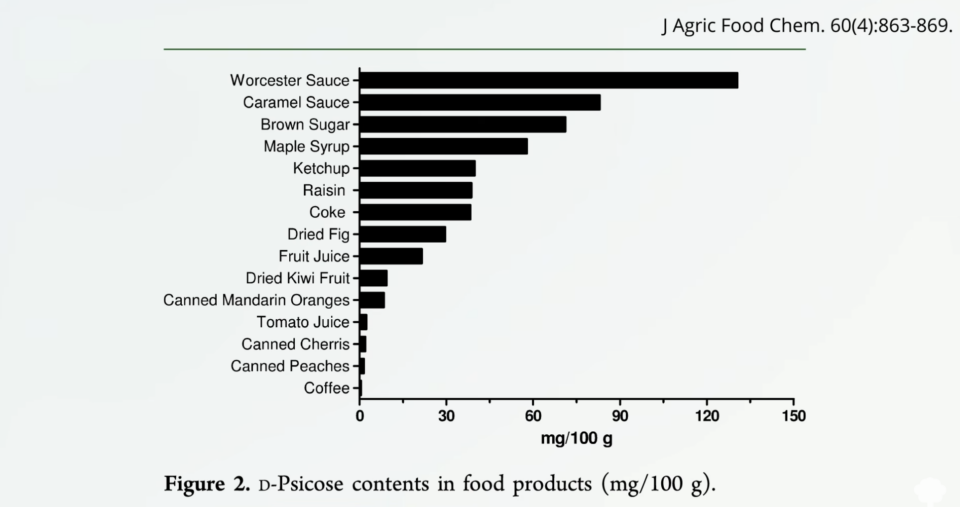
In contemporary manufacturing, allulose is classified by the International Society of Rare Sugars as a "rare sugar," defined formally as a monosaccharide existing in limited quantities in nature. Naturally occurring allulose is found in minute concentrations in specific agricultural products, including figs, raisins, jackfruit, and maple syrup, as well as being generated incidentally when fructose is heated—a process that can occur during the industrial manufacture of high-fructose corn syrup.
Because traditional extraction from natural sources is economically unviable due to the exceptionally low yields, modern industrial production relies heavily on advanced biotechnology. Current manufacturing methodologies utilize enzymatic engineering, often employing genetically modified microorganisms. For instance, scientific literature highlights the use of functionalized polyhydroxyalkanoate (PHA) nano-beads decorated with D-tagatose 3-epimerase (DTE), produced within recombinant endotoxin-free bacterial expression systems. This bio-enzymatic conversion transforms readily available, inexpensive fructose into D-allulose on a commercial scale.

This biotechnology-driven production method introduces a regulatory paradox. While marketing literature frequently emphasizes that allulose is a "real and natural sugar rather than an artificial sweetener," its large-scale availability is entirely dependent on advanced synthetic biology. Consequently, regulatory bodies like the U.S. Food and Drug Administration (FDA) have granted allulose "Generally Recognized as Safe" (GRAS) status, primarily anchored in the historical presence of trace amounts within the human diet and toxicological testing. However, critics note that GRAS designations based on trace dietary exposure do not automatically validate the safety of massive pharmacological doses introduced via heavy commercial fortification.
Physiological Profile and Culinary Performance
From a functional and metabolic perspective, allulose exhibits several distinct advantages over conventional sucrose and earlier generation sweeteners. Unlike table sugar, allulose is not metabolized by the oral bacteria responsible for dental caries; it does not ferment into the acids that erode tooth enamel and promote plaque accumulation.
Furthermore, clinical studies demonstrate that allulose does not elevate blood glucose or serum insulin levels, rendering it metabolically inert in this regard and suitable for individuals managing type 2 diabetes or adhering to low-carbohydrate diets. Caloric accounting also favors the compound: while it can legally be labeled as providing zero or very low calories in certain jurisdictions, it technically yields approximately 1.5 calories per teaspoon—roughly comparable to erythritol. In terms of sensory attributes, allulose achieves approximately 70 percent of the sweetness of sucrose but closely mirrors its physical behavior, including browning properties during baking, freezing point depression, and mouthfeel texture, making it highly versatile for food manufacturers.
Toxicological Assessments and Animal Safety Data
Evaluating the toxicity of food additives requires rigorous animal and human trials to determine both short-term tolerability and long-term safety margins. In comparative toxicology, sweeteners can exhibit vastly different safety profiles across species. A notable example is xylitol, which is extremely toxic to domestic canines, where ingestion as small as half a teaspoon can precipitate life-threatening hypoglycemia and hepatic necrosis in a 30-pound dog.
Allulose demonstrates a significantly safer profile in veterinary assessments. Single-dose animal studies indicate that comparable quantities do not induce acute toxicity in dogs, although consumption exceeding half a cup can result in gastrointestinal upset. Furthermore, controlled multi-month trials investigating the long-term administration of allulose to healthy canine subjects—at dosages equivalent to roughly 1.5 teaspoons per day—revealed no systemic adverse effects. Intriguingly, these trials observed statistically significant reductions in serum cholesterol levels among the canine subjects, prompting researchers to suggest that allulose warrants clinical investigation as a potential dietary intervention for veterinary management of canine obesity.
Human Gastrointestinal Thresholds and Upper Limits
While animal trials provide foundational data, human clinical evaluations are essential for establishing safe daily consumption limits. Because allulose is absorbed in the small intestine but largely excreted unchanged in the urine without entering systemic energy pathways, high oral loads that escape small intestinal absorption pass into the large intestine, where they can exert osmotic and fermentative effects.
Clinical dose-escalation studies designed to identify maximum single-dose thresholds have established clear boundaries for human tolerance. Mild-to-moderate gastrointestinal symptoms—including abdominal distension, flatulence, and borborygmi—typically do not manifest until single doses reach approximately 0.4 grams per kilogram of body weight. For an average adult, this equates to a single dose of roughly 7 teaspoons, with severe symptoms, including acute osmotic diarrhea and pronounced abdominal pain, emerging at approximately 9 teaspoons.
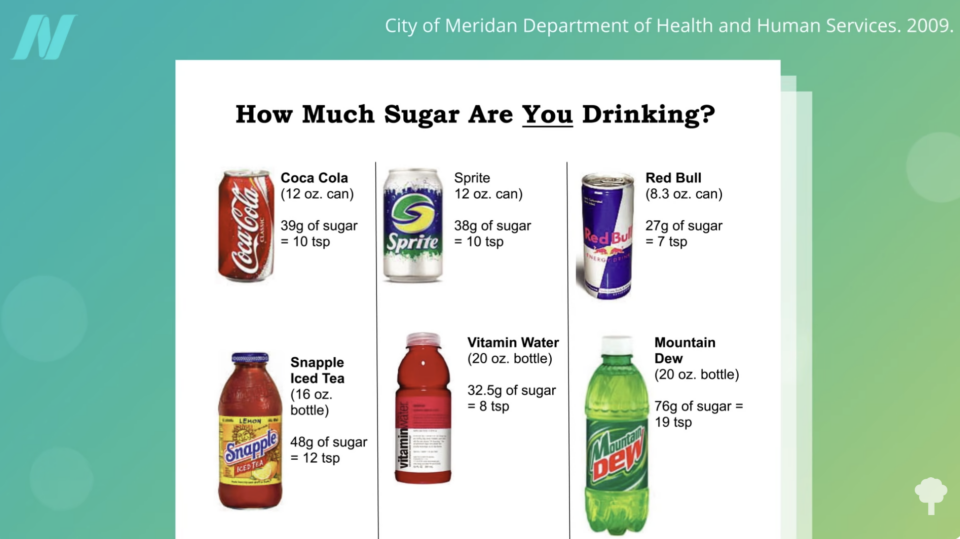
To contextualize these figures, consider commercial beverage consumption patterns: a standard 12-ounce can of regular cola contains approximately 10 teaspoons of added sweetener, while certain large-format sodas can contain nearly double that amount. Consequently, allulose cannot currently serve as a direct, one-to-one drop-in replacement for traditional sweeteners in standard sugar-sweetened carbonated beverages without inducing widespread gastrointestinal distress among consumers.
Regarding cumulative daily intake, clinical data suggests that when allulose is consumed in smaller, spaced doses throughout the day, cumulative intakes approaching 17 teaspoons per day begin to trigger severe upper gastrointestinal side effects, including nausea, debilitating headaches, and severe abdominal cramping. Based on these physiological thresholds, researchers recommend maintaining single-dose ingestions below 7 teaspoons and capping total daily consumption at approximately 15 teaspoons. Because the average daily intake of added sugars in the United States currently hovers around 17 teaspoons, the food industry cannot completely transition existing product portfolios to allulose without encountering strict physiological and formulation barriers.
Broader Implications and Future Outlook
The commercialization of fourth-generation sweeteners like allulose represents a significant technological leap in food science, bridging the gap between natural sugar chemistry and metabolic health requirements. Its dental safety, minimal glycemic impact, and authentic culinary performance make it a valuable tool for formulators seeking to reduce the public health burdens associated with excess sucrose and high-fructose corn syrup consumption.
However, the transition to rare sugars is not without systemic hurdles. The reliance on advanced bio-enzymatic manufacturing methods underscores the reality that "natural" rare sugars are, in practice, products of sophisticated industrial biotechnology. Furthermore, strict gastrointestinal tolerance thresholds preclude allulose from serving as a universal, drop-in replacement for high-volume liquid sweeteners in mass-market beverages. While allulose offers superior leeway compared to certain sugar alcohols for sweetening beverages or food items in moderation, exceeding established consumption limits invites acute gastrointestinal distress.
As research continues to explore the purported therapeutic functions of rare sugars—particularly their potential roles in mitigating obesity and regulating metabolic parameters—nutritional scientists and regulatory agencies must balance commercial enthusiasm with rigorous, long-term safety data. Only through continued clinical investigation can the true therapeutic potential and practical limitations of fourth-generation sweeteners be fully realized within the global food supply.