The True Cost of Optimizing Your Health: A Comprehensive Analysis of Longevity Strategies

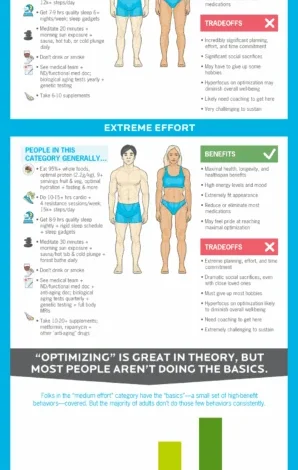
The modern wellness landscape is undergoing a profound transformation as "health optimization"—a term once reserved for elite athletes—becomes a mainstream pursuit. From biohacking podcasts and fitness influencers to subscription-based longevity clinics, the promise of extended healthspans has permeated public discourse. While the desire to improve longevity is nearly universal, the path to achieving it has become increasingly convoluted, often pitting extreme, high-cost protocols against established, evidence-based lifestyle interventions. As interest in life-extension science reaches a fever pitch, the fundamental question remains: what is the actual trade-off between the effort required to optimize health and the tangible benefits received?
The Rise of the Longevity Industry
The global longevity market, encompassing everything from nutritional supplements to specialized diagnostic testing, has grown exponentially over the last decade. Market analysts estimate the industry is currently valued in the tens of billions, driven largely by the democratization of health data. Wearable technology, at-home blood panels, and personalized nutrigenomics allow individuals to track biomarkers with unprecedented precision.
However, this influx of data has created a "paralysis of optimization." Consumers are bombarded with conflicting advice: some advocate for extreme caloric restriction or intermittent fasting, while others push for expensive exogenous supplements like NAD+ precursors or senolytics. The clinical consensus, however, often lags behind the marketing of these interventions. While the science of aging—or geroscience—has made significant strides, many protocols marketed as "life-extending" are currently based on animal studies or correlational human data, lacking the rigorous, long-term clinical trials required for medical endorsement.
Chronology of Health Optimization Trends
To understand the current state of the industry, one must look at the evolution of wellness trends over the past twenty years:
- 2005–2010: The Era of Quantified Self: The emergence of early fitness trackers allowed for basic calorie and step counting, shifting the focus from general health to data-driven activity.
- 2010–2015: The Paleo and Ketogenic Wave: Nutritional optimization became highly specialized, with public interest shifting toward metabolic flexibility and the elimination of specific food groups to combat chronic inflammation.
- 2015–2020: The Biohacking Explosion: Influencers began promoting "advanced" protocols, including cryotherapy, red-light therapy, and hyperbaric oxygen chambers, moving beyond traditional exercise and diet.
- 2020–Present: The Longevity Paradigm: Post-pandemic interest in immune health and chronic disease prevention has merged with cutting-edge anti-aging research, resulting in a culture of "preventative optimization" where individuals attempt to manage their health as if they were professional athletes.
Supporting Data and Scientific Reality
A critical review of the literature suggests a "law of diminishing returns" in health optimization. Research published in peer-reviewed journals such as The Lancet and JAMA consistently highlights that the greatest gains in longevity are not found in high-cost, high-effort interventions, but in the adherence to foundational lifestyle habits.
Data consistently confirms that chronic disease risk is most effectively mitigated by four primary pillars: consistent physical activity, nutrient-dense whole food nutrition, adequate sleep hygiene, and stress management. For instance, the World Health Organization (WHO) attributes a significant portion of non-communicable disease burden to sedentary behavior and poor dietary patterns. When comparing these foundational habits to advanced biohacking protocols, the former consistently demonstrates a superior return on investment regarding mortality reduction and morbidity delay.
The "cost" of optimization, therefore, is twofold: there is the literal financial expense of supplements and technology, and the "opportunity cost" of the time and mental energy required to adhere to these complex protocols. Experts in the field of public health argue that when the effort required to manage health becomes a source of chronic stress—a phenomenon sometimes termed "orthorexia" or "health anxiety"—the net impact on longevity may actually be negative.

Professional Perspectives and Clinical Implications
Medical professionals and health coaches are increasingly grappling with the fallout of the optimization movement. Dr. Elena Rodriguez, a specialist in preventive medicine, notes, "We see patients who are spending thousands of dollars on non-validated supplements while neglecting the basics, like aerobic capacity and protein intake. The danger is that these patients feel a false sense of security, believing that a supplement can replace the physiological adaptations that only come from movement and balanced nutrition."
The industry reaction has been mixed. While some wellness companies continue to lean into the "more is better" narrative, a growing cohort of educators, including organizations like Precision Nutrition, are advocating for a return to sustainable, habit-based coaching. The emphasis is shifting toward "longevity literacy"—the ability to distinguish between scientifically supported interventions and marketing-driven fads.
Broader Impact on Public Health
The trend toward extreme health optimization creates a disparity in healthcare access. When the public perceives that "optimal health" is only achievable through expensive, time-intensive protocols, it may discourage those who lack the resources to participate in the "biohacking" ecosystem.
Furthermore, the focus on "reversing aging" can distract from the broader societal need for structural health interventions, such as improved food environments and urban planning that encourages active transport. If the narrative remains focused on the individual’s responsibility to optimize their own biology through niche interventions, the public health sector risks losing focus on the systemic issues that contribute most significantly to the prevalence of chronic illness.
Navigating the Future of Longevity
As the longevity industry matures, the focus is expected to shift toward evidence-based longevity. This involves a move away from the "all-or-nothing" mentality toward a more nuanced, individualized approach. The most effective strategy for the average person is likely to remain the most difficult to sell: consistency.
Developing the discipline to maintain a consistent sleep schedule, a high-fiber, protein-adequate diet, and a progressive exercise program requires less capital than high-end medical interventions, but arguably more commitment. For those looking to optimize their lifespan, the most effective "biohack" remains the long-term, low-variance application of these foundational habits.
A Framework for Sustainable Health
For individuals seeking to assess their own longevity efforts, experts suggest a "longevity audit." This process involves:
- Assessing Baseline Health: Utilizing standard, clinically validated blood panels rather than experimental biomarkers.
- Evaluating Resource Allocation: Determining whether time and money are being spent on interventions with high evidence levels (e.g., strength training) versus those with low or emerging evidence (e.g., obscure herbal supplements).
- Prioritizing Sustainability: Asking if a specific health protocol can be maintained for the next decade without significant mental fatigue or social isolation.
By applying this framework, individuals can filter out the noise of the wellness industry. Longevity, in its most scientifically accurate form, is not a race to be won through the accumulation of gadgets or supplements, but a lifelong process of biological maintenance. The "true cost" of health optimization should not be measured in dollars, but in the balance between the pursuit of a longer life and the quality of the life being lived in the present. As research continues to advance, the integration of technology into these fundamental habits will likely offer more precision, but the core pillars of human health are expected to remain constant. For those tasked with guiding others—whether as coaches, clinicians, or mentors—the challenge lies in teaching the patience required to prioritize the boring, effective basics over the alluring, expensive, and unproven alternatives.