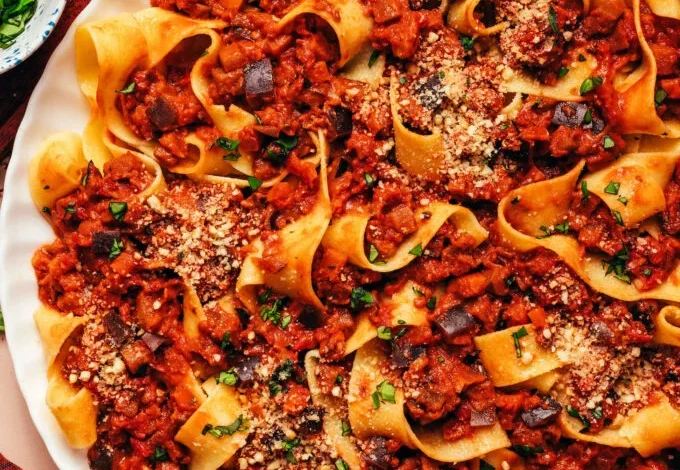
The culinary landscape has witnessed a significant shift toward plant-forward dining, driven by both environmental sustainability and nutritional health consciousness. Within this broader gastronomy movement, classic comfort foods are continually reimagined to substitute animal proteins with nutrient-dense vegetables without sacrificing depth of flavor or texture. A notable entry in this culinary evolution is the introduction of a one-pot eggplant bolognese, a seasonal interpretation of a traditional Italian staple designed to celebrate late-summer produce while optimizing home-kitchen efficiency.
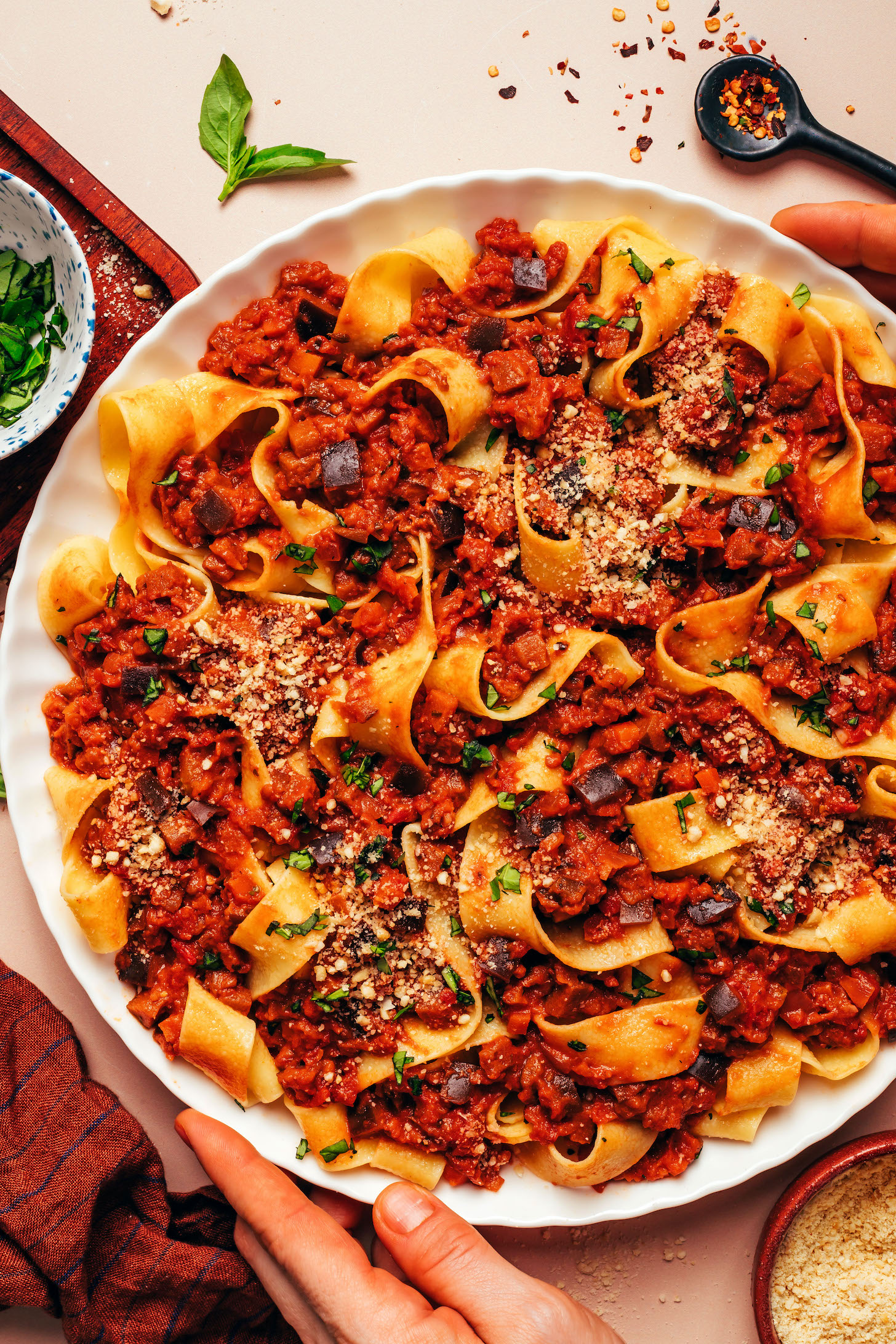
Originating in the historic city of Bologna, traditional Italian bolognese sauce—or ragù alla bolognese—is historically celebrated for its rich, slow-cooked combination of minced meats, a foundational soffrito of onions, celery, and carrots, white wine, milk, and tomato paste. Over decades, international adaptations of the sauce have emerged, utilizing lentils, mushrooms, tempeh, or chickpeas to accommodate vegetarian and vegan diets. The newest iteration leverages the robust, spongy texture of eggplant, capitalizing on the vegetable’s unique capacity to absorb and concentrate savory flavors during a prolonged simmer.
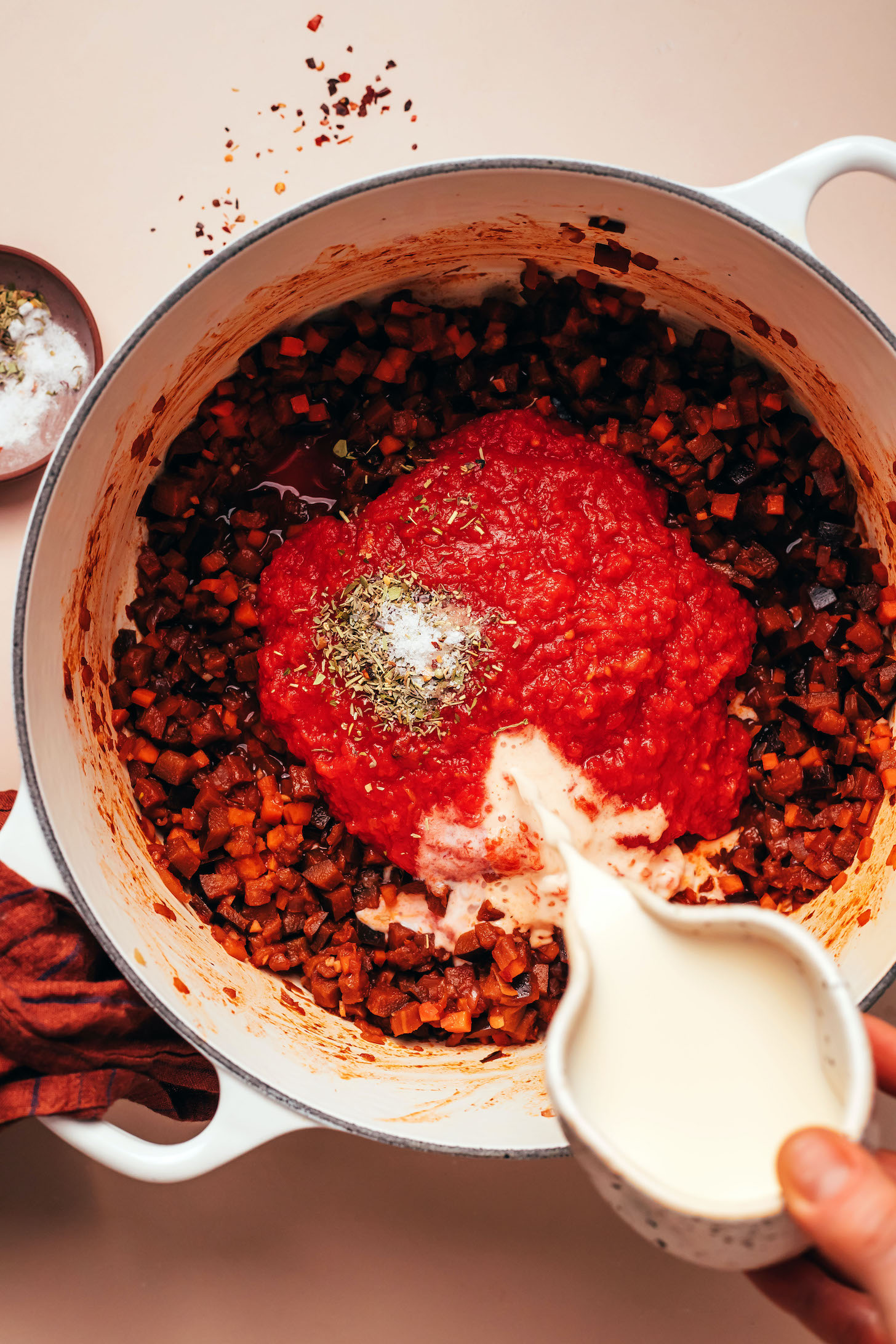
Culinary historians note that adapting classical recipes requires an understanding of how individual components contribute to the dish’s overall profile. In traditional preparations, the combination of fats, aromatics, and dairy creates a velvety mouthfeel that balances the natural acidity of tomatoes. By substituting minced meat with finely diced eggplant and replacing dairy milk with a plant-based alternative such as cashew milk, contemporary home cooks can achieve a remarkably similar sensory experience. Food scientists and recipe developers emphasize that precise preparation methods, such as thoroughly browning the diced eggplant alongside a traditional sweet-savory vegetable base, are critical to developing the deep, umami-rich notes traditionally associated with meat-based ragùs.

The preparation timeline for this streamlined recipe is intentionally concise, reflecting modern consumer demand for weeknight-friendly meals that require minimal cleanup. Total preparation and cooking time spans approximately 45 minutes, divided into 15 minutes of active prep work and 30 minutes of passive simmering.
The chronological breakdown of the cooking process begins with the foundational stage:
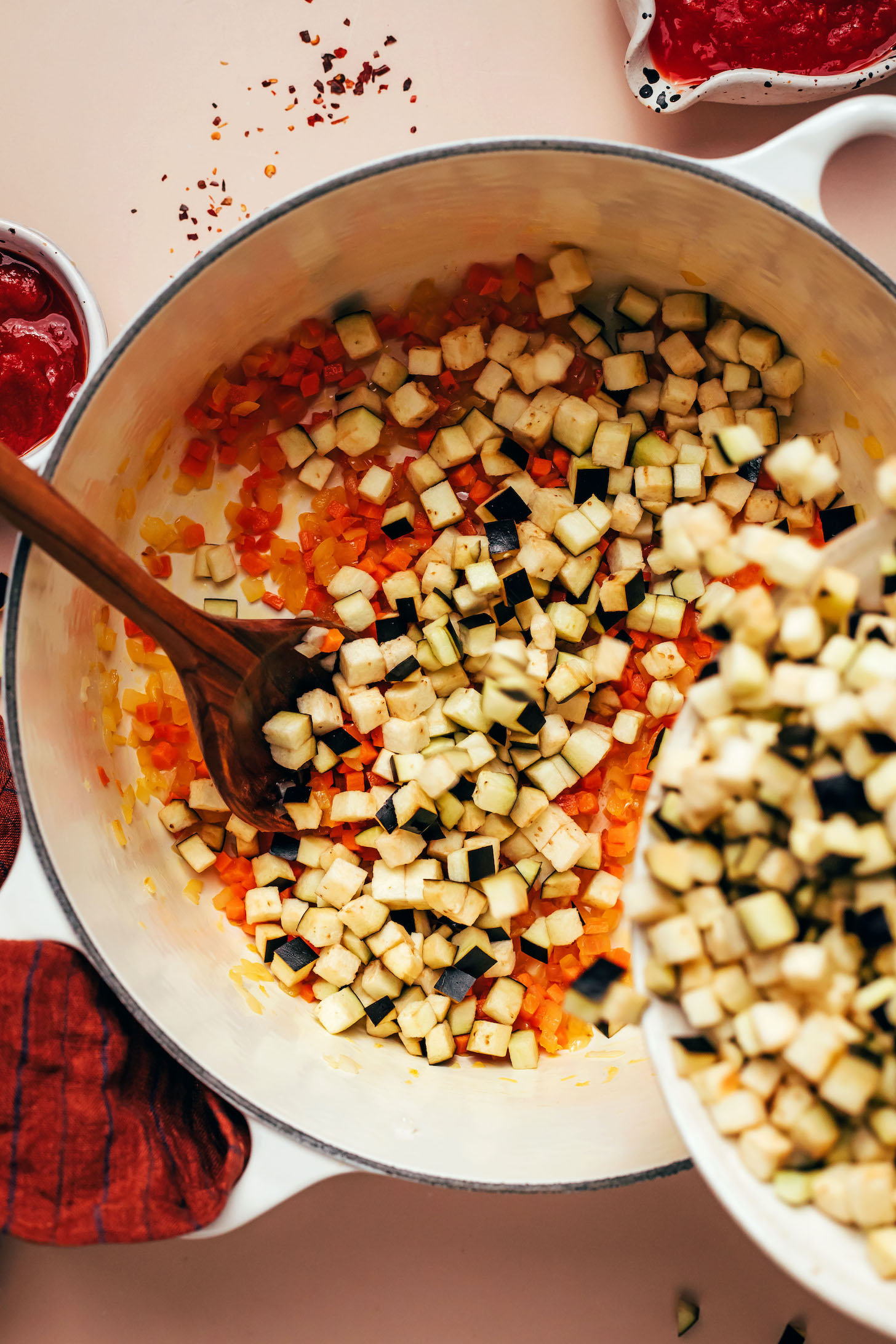
- Minutes 0 to 15: Fine dicing of fresh eggplant, onions, and carrots, followed by the initial sautéing phase in a single Dutch oven or heavy-bottomed pot to establish the aromatic base and caramelize the eggplant.
- Minutes 15 to 20: Incorporation of minced garlic, red pepper flakes, and a splash of dry wine to deglaze the pan, lifting fond from the bottom to maximize flavor extraction.
- Minutes 20 to 25: Addition of crushed tomatoes, tomato paste, homemade cashew milk, dried Italian herbs, sea salt, and a touch of maple syrup to balance tomato acidity.
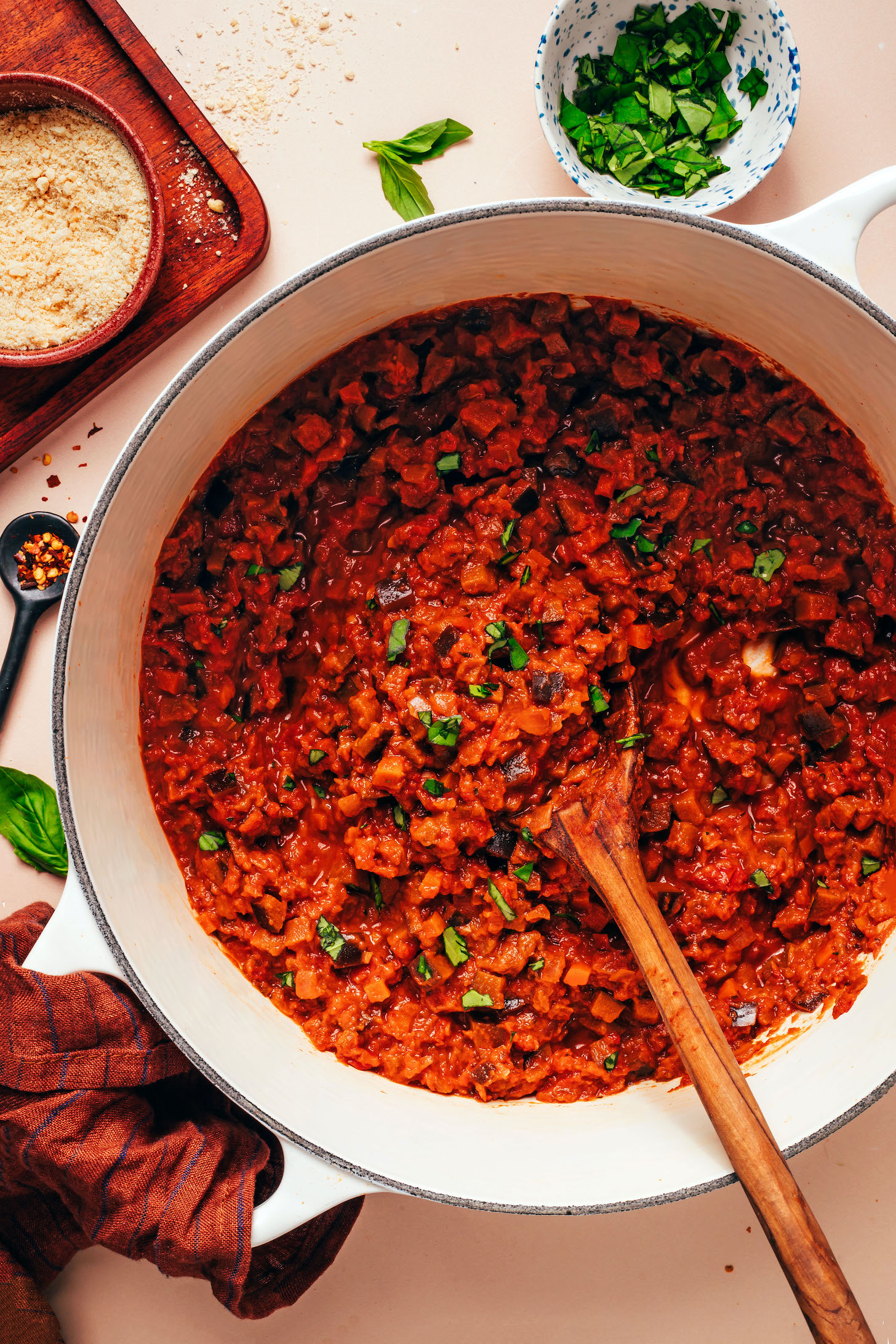
- Minutes 25 to 55: A sustained simmering period lasting 30 minutes to one hour, allowing excess liquid to evaporate while concentrating the flavors and softening the vegetable matrix into a cohesive, rich sauce.
- Minutes 55 and beyond: Final adjustments to seasoning and pairing with freshly cooked pasta, polenta, or grain alternatives, finished with optional garnishes such as fresh basil and plant-based parmesan cheese.
Nutritional and Dietary Data Analysis
From a nutritional standpoint, plant-based adaptations of heavy Italian sauces offer distinct dietary advantages, particularly regarding fiber intake and saturated fat reduction. Laboratory and nutritional analyses of a standard serving of this eggplant bolognese highlight a favorable profile for individuals managing cardiovascular health or seeking nutrient-dense meal options.
A single serving of the dish contains approximately 284 calories, derived primarily from complex carbohydrates and healthy monounsaturated fats. Key nutritional metrics per serving include:
- Carbohydrates: 31.9 grams
- Dietary Fiber: 8.3 grams, contributing significantly to daily recommended intake levels and promoting digestive health
- Protein: 6.6 grams, which can be further augmented through optional pairings such as red lentils, chickpea pasta, or plant-based meatballs
- Total Fat: 17.1 grams, predominantly unsaturated fats derived from olive oil and nuts
- Saturated Fat: 2.5 grams, maintaining a low profile compared to traditional beef or pork-based ragùs
- Cholesterol: 0 milligrams, reflecting its entirely plant-based composition
- Sodium: 689 milligrams, which can be adjusted to personal dietary requirements by modulating added sea salt
- Micronutrients: Notable concentrations of potassium (1040 mg), Vitamin C (27 mg), and iron (3.7 mg)
Broader Implications and Culinary Trends
The introduction of vegetable-centric adaptations of meat-heavy classics aligns with broader economic and agricultural trends favoring plant-based consumption. Food industry analysts report a steady increase in consumer interest in "flexitarian" eating patterns—diets that primarily focus on plant foods while occasionally incorporating animal products. Recipes that utilize seasonal, accessible produce like eggplant provide an economically viable alternative to specialty meat substitutes, appealing to budget-conscious consumers seeking wholesome meals.
Furthermore, the emphasis on single-pot cooking methods reflects a cultural shift toward minimizing kitchen labor and reducing post-meal cleanup. Culinary educators point out that one-pot meals preserve water and energy resources in household settings, contributing marginally to domestic sustainability efforts. As home cooking trends continue to prioritize efficiency, nutrient density, and bold international flavors, innovations like the eggplant bolognese demonstrate how traditional culinary boundaries can be respectfully expanded to meet contemporary dietary preferences.