Mediterranean Bean Salad: A Nutritional Analysis of Meal-Prep Efficiency and Dietary Benefits

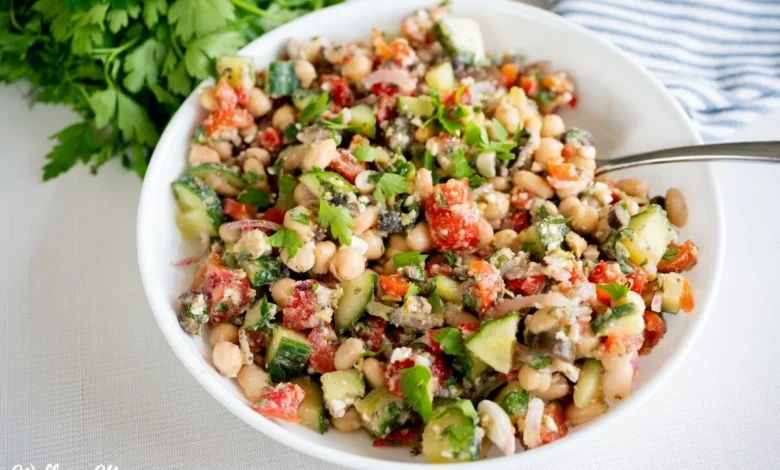
The rise of the Mediterranean diet as a global gold standard for cardiovascular health has significantly influenced modern culinary trends, particularly in the realm of high-fiber, plant-forward meal preparation. At the center of this movement is the Mediterranean bean salad, a dish that has transitioned from a traditional regional staple to a cornerstone of modern nutritional planning. By combining legumes—specifically chickpeas and cannellini beans—with heart-healthy monounsaturated fats and fresh produce, this salad offers a pragmatic solution to the challenges of maintaining a balanced diet within the constraints of a busy, contemporary lifestyle.
The Nutritional Framework of the Mediterranean Diet
The Mediterranean diet, characterized by the high consumption of olive oil, legumes, unrefined cereals, fruits, and vegetables, has been the subject of extensive longitudinal studies. Research published in the New England Journal of Medicine indicates that adherence to this dietary pattern is associated with a 30% reduction in the risk of major cardiovascular events. The Mediterranean bean salad acts as a microcosm of these benefits.
Legumes, such as chickpeas and cannellini beans, provide a robust source of dietary fiber and plant-based protein. A single one-cup serving of this salad typically delivers approximately 8 grams of protein and 6 grams of fiber. This macronutrient profile is critical for glycemic control; the low glycemic index of beans helps in stabilizing blood glucose levels, preventing the rapid insulin spikes associated with highly processed convenience foods. Furthermore, the inclusion of extra-virgin olive oil provides oleic acid, a monounsaturated fatty acid that has been shown to reduce inflammation and improve cholesterol profiles.
The Chronology and Evolution of Meal-Prep Culture
The concept of "meal prepping"—the strategic planning and preparation of food in advance—has seen a measurable surge in popularity over the last decade. Data from consumer behavior analysts suggest that the search volume for "batch cooking" and "prep-ahead meals" has increased by over 40% since 2019, driven largely by shifting workplace dynamics and an increased focus on home-based nutrition.
Historically, the Mediterranean bean salad was designed as a "keeper" dish. Unlike salads utilizing delicate leafy greens, which oxidize and wilt within hours of being dressed, the structural integrity of beans and hearty vegetables like cucumbers and bell peppers allows the dish to remain palatable for three to four days under refrigeration. This longevity is achieved through a chemical process of marination: as the salad rests, the acidity from the lemon juice and the lipids from the olive oil permeate the cellular structure of the legumes, deepening the flavor profile while softening the texture. This phenomenon, often described as "maturing" in culinary circles, effectively solves the primary barrier to healthy eating: the perceived time-tax of daily meal preparation.
Ingredients and Biological Synergy
The efficacy of the Mediterranean bean salad lies in the synergistic interaction of its components. Beyond the base of legumes, the dish relies on a specific chemical composition:
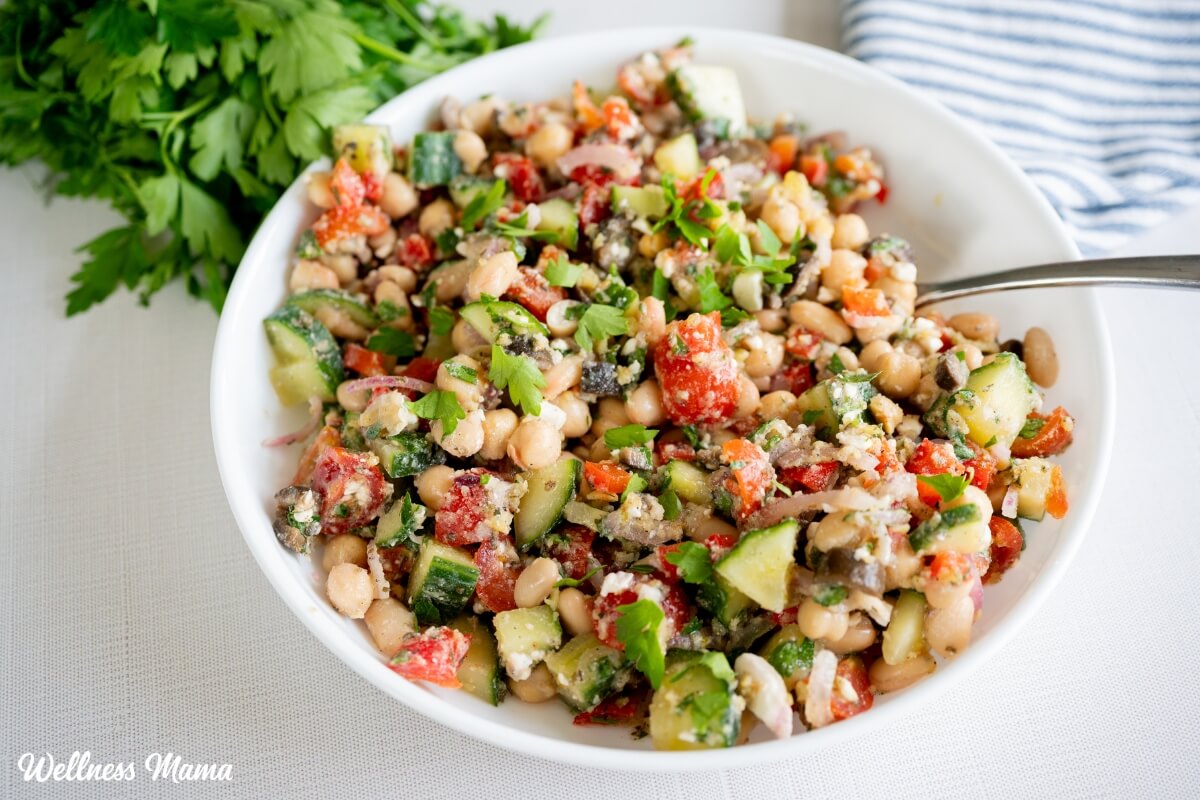
- Legume Base: Chickpeas (garbanzo beans) provide a firm, nutty texture, while cannellini beans offer a creamier, softer consistency. This contrast in mouthfeel is essential for sensory satisfaction.
- Acidic Profile: The inclusion of lemon juice serves two purposes. First, the citric acid acts as a natural preservative, inhibiting bacterial growth and maintaining the vibrancy of the produce. Second, vitamin C from the lemon facilitates the absorption of non-heme iron found in the beans, effectively boosting the bioavailability of the meal’s micronutrients.
- Aromatic and Herbaceous Elements: Parsley, mint, and oregano contain polyphenols and antioxidants. These compounds not only contribute to the distinct flavor profile associated with Greek and Levantine cuisines but also provide anti-inflammatory benefits that support systemic health.
- Salty and Savory Enhancements: The addition of feta cheese and olives provides a sodium-rich contrast to the acidity of the dressing. From a physiological standpoint, these ingredients add essential electrolytes, though nutritional monitoring is recommended for individuals managing hypertension.
Economic and Logistical Implications
From an economic perspective, the Mediterranean bean salad presents a highly efficient model for nutrition. By utilizing shelf-stable pantry staples like canned beans and jarred olives alongside seasonal fresh vegetables, the cost per serving remains significantly lower than pre-packaged "grab-and-go" meals found in commercial food service outlets.
Logistically, the preparation process is streamlined through a single-vessel technique. Utilizing a pint-sized Mason jar for the dressing—a method popularized by culinary efficiency experts—allows for the emulsification of oil and acid via mechanical agitation. This method minimizes kitchen waste and reduces the necessity for specialized culinary equipment, making the practice accessible to a wider demographic.
Professional Nutritional Analysis and Clinical Perspectives
Registered dietitians have frequently cited the "no-leaf" salad approach as a viable strategy for those who find the preparation of traditional salads labor-intensive. According to clinical observations, the lack of lettuce prevents the "soggy leaf" syndrome that often causes consumers to abandon fresh produce in favor of processed alternatives.
Furthermore, the versatility of this salad allows for "nutrient stacking." By adding a source of lean animal protein—such as grilled chicken, salmon, or hard-boiled eggs—the consumer can easily transition the dish from a vegetarian side to a complete, high-protein meal. This adaptability is critical for long-term dietary adherence, as it allows for the introduction of variety without requiring a complete overhaul of the shopping list or preparation methodology.
Broader Public Health Impact
The widespread adoption of such simple, nutrient-dense recipes has broader implications for public health. By reducing the dependency on ultra-processed foods—which are often laden with sodium, refined sugars, and inflammatory seed oils—households can mitigate the risk of metabolic syndrome. The emphasis on whole foods in this recipe aligns with recommendations from the World Health Organization regarding the reduction of non-communicable diseases.
Moreover, the scalability of this recipe for potlucks and communal gatherings demonstrates the potential for healthy eating to become a social norm rather than an isolated, restrictive practice. When a dish is both flavor-forward and easy to transport, it increases the likelihood of healthy options being present in social settings, thereby reducing the "environment of temptation" that often leads to dietary deviation.
Conclusion: Sustaining the Habit
The Mediterranean bean salad serves as a definitive example of how culinary tradition can be adapted to serve the functional requirements of modern life. By prioritizing the structural durability of ingredients, the nutrient density of legumes, and the efficiency of batch preparation, this dish offers a scalable template for better nutrition. As consumer trends continue to shift toward transparency, health-consciousness, and economic efficiency, the integration of such recipes into weekly routines is expected to remain a persistent and positive trend in the culinary landscape. The key to long-term success, as evidenced by both nutritional science and culinary practice, lies in the ability to balance the simplicity of preparation with the complexity of flavor, ensuring that healthy eating remains an enjoyable and sustainable pursuit.