Artificial Intelligence Model REDMOD Detects Pancreatic Cancer Up to Three Years Before Conventional Diagnosis

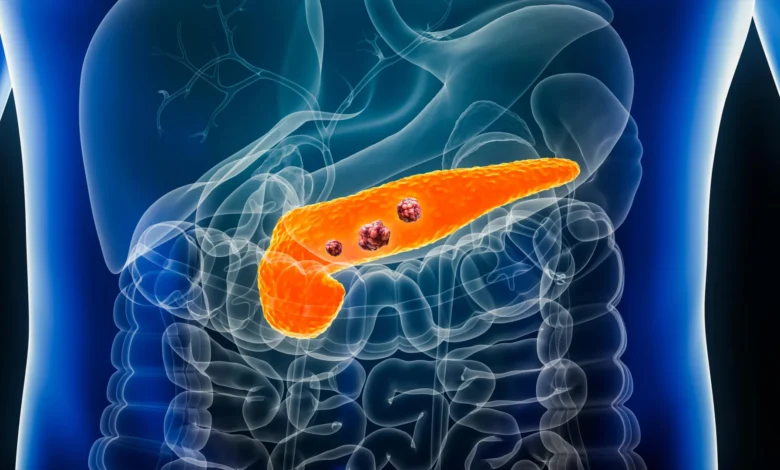
In the ongoing battle against one of the world’s most lethal malignancies, a team of medical researchers has introduced a transformative artificial intelligence system capable of identifying microscopic indicators of pancreatic cancer years before standard diagnostic methods can perceive them. Named REDMOD, an abbreviation for Radiomics-based Early Detection MODel, the newly developed AI framework has demonstrated an extraordinary ability to spot the earliest signatures of pancreatic ductal adenocarcinoma (PDAC), the most prevalent and aggressive form of pancreatic cancer. Published in the peer-reviewed medical journal Gut, this breakthrough study could fundamentally alter how clinicians approach a disease historically characterized by late-stage discoveries and devastatingly low survival rates.
The core innovation of REDMOD lies in its sophisticated capacity to analyze radiomics—extremely fine, intricate patterns within the texture of pancreatic tissue that remain entirely invisible to the human eye on conventional computed tomography (CT) scans. Furthermore, the algorithm completely automates the segmentation process, instantly recognizing and mapping the boundaries of the pancreas to separate it from surrounding anatomical structures. By removing the need for manual tracing by radiologists, the technology simultaneously eliminates human error and inter-observer variability, paving the way for hyper-consistent diagnostic evaluations across global healthcare systems.
The Chronology of Discovery: Tracing the AI’s Retrospective Triumph
To rigorously evaluate the efficacy of REDMOD, the research team designed a comprehensive retrospective study incorporating abdominal CT scans from 219 patients across multiple international medical centers. Critically, at the time these historical scans were originally captured, experienced clinical radiologists had reviewed the images and found no clinical evidence of malignancy. Yet, every single patient in this cohort was subsequently diagnosed with pancreatic ductal adenocarcinoma at a later date.
To establish a comprehensive timeline, the researchers categorized these scans based on how far in advance they were captured prior to the formal clinical diagnosis. The dataset was structured into three distinct temporal windows:
- 40% of the patient scans (87 individuals) were obtained between 3 and 12 months prior to diagnosis.
- 35% of the scans (76 individuals) were captured 12 to 24 months before diagnosis.
- 25% of the scans (56 individuals) were recorded more than 24 months prior to clinical detection, extending out to approximately three years.
To serve as a rigorous control group, the scientists cross-referenced these pre-diagnostic images with CT scans from 1,243 individuals who remained entirely free of pancreatic cancer for a minimum of three years following their imaging dates. This control cohort was meticulously matched to the patient group based on age, sex, and the temporal positioning of their scans. The average age of the patients who eventually developed the disease stood at 69 years, spanning a wide demographic range from 34 to 88 years old, while the control group averaged 64 years of age within the identical broad age spectrum. Notably, nearly two-thirds—specifically 64%—of the cancer cases originated within the head of the pancreas.
Through this extensive analysis, REDMOD successfully isolated the subtle imaging signatures associated with incipient pancreatic cancer an average of 475 days before patients received their official clinical diagnoses. This substantial lead time provides an unprecedented window of opportunity for medical intervention.
Outperforming Human Expertise: A Statistical Breakdown
When benchmarked against seasoned radiologists, REDMOD exhibited a stark superiority in recognizing early-stage oncological indicators. In comparative performance metrics, the AI framework achieved a sensitivity rate of 73%, eclipsing the 39% sensitivity recorded by expert human reviewers. Sensitivity is a critical metric in oncology, measuring a diagnostic tool’s capability to accurately identify individuals harboring a disease rather than generating false negatives.
The performance disparity widened dramatically when the researchers analyzed scans captured more than two years before a formal diagnosis was made. In these long-lead-case scenarios, REDMOD achieved an impressive detection rate of 68%, nearly tripling the 23% detection rate managed by human radiologists.
To ensure the model’s reliability and rule out false-positive anomalies in healthy populations, the researchers tested REDMOD on an independent validation group comprising 539 patients from various hospital networks. The AI correctly classified slightly more than 81% of these scans as entirely cancer-free. Furthermore, when evaluated against the publicly accessible National Institutes of Health (NIH) NIH-PCT dataset consisting of 80 patient scans, REDMOD correctly identified 87.5% of the healthy subjects. Longitudinal consistency tests further bolstered confidence in the technology; when the system evaluated multiple scans taken from the same patients several months apart, it produced matching, stable results in 90% to 92% of the cases.
Understanding the Diagnostic Hurdle of Pancreatic Cancer
The urgency driving innovations like REDMOD stems from the notoriously grim prognosis associated with pancreatic ductal adenocarcinoma. Historically, PDAC has maintained one of the lowest survival rates among all major cancers. This bleak outlook is primarily driven by late-stage discovery. In its nascent phases, pancreatic cancer is notoriously asymptomatic, generating few, if any, noticeable warning signs that would prompt a physician to order specialized diagnostic workups.
Furthermore, even when routine abdominal imaging is performed for unrelated medical complaints, the tissue modifications instigated by early-stage tumors are frequently too subtle for standard radiological interpretation. Combined with the rapid biological progression of the disease, patients frequently transition from a pre-symptomatic state to an advanced, incurable stage before detection occurs.
Statistically, the timing of a cancer diagnosis dictates the trajectory of survival. According to predictive modeling cited by the study authors, increasing the proportion of localized stage 0 pancreatic ductal adenocarcinomas from a mere 10% to 50% would more than double overall survival rates. This mathematical projection underscores why early detection is widely regarded by oncologists as the single most vital determinant in shifting patient outcomes.
Clinical Implications and the Road to Prospective Validation
Despite the monumental promise demonstrated by REDMOD, the research team emphasizes that several hurdles must be cleared before the framework can be seamlessly integrated into everyday clinical workflows. Chief among these limitations is the demographic composition of the study population, which lacked sufficient ethnic diversity. Medical researchers note that variations in body habitus, genetics, and background physiology across diverse ethnic groups must be thoroughly accounted for to ensure the algorithm maintains its high predictive accuracy universally.
Additionally, the scientific community underscores the absolute necessity for prospective clinical trials. Rather than analyzing historical, retrospective data, future studies must evaluate REDMOD in real-time clinical settings, particularly among high-risk patient populations. High-risk demographics include individuals presenting with unexplained, rapid weight loss, newly onset diabetes in older adults, or those with a strong familial history of pancreatic malignancies.
If these upcoming prospective evaluations yield successful results, the integration of AI-driven radiomics could inaugurate a paradigm shift in oncology. Instead of reacting to advanced, symptomatic presentations of pancreatic cancer, healthcare providers could pivot toward proactive, pre-clinical interception. By identifying stage 0 disease years before symptoms manifest, medical science may finally bridge the gap in one of its most challenging clinical battlegrounds, offering renewed hope and significantly extended lifespans to countless patients worldwide.