Effective Strategies for Alleviating Chronic Neck and Shoulder Tension Through Targeted Yoga and Corrective Movement

Chronic neck and shoulder tension has emerged as a pervasive public health concern in the modern era, inextricably linked to the rapid digitization of the workplace and the sedentary nature of contemporary life. As professional environments transition toward long-term desk-based configurations and personal screen time continues to climb, physiological symptoms such as muscle stiffness, restricted range of motion, tension-type headaches, and chronic upper-body discomfort are increasingly reported across all demographic groups. Data from the Global Burden of Disease Study indicates that neck pain is one of the leading causes of disability worldwide, with prevalence rates notably higher in high-income countries where occupational demands involve prolonged static postures.
The Anatomy of Modern Muscle Strain
The phenomenon frequently described as "tech neck"—a forward-head posture caused by constant downward gaze at mobile devices or improperly positioned computer monitors—serves as the primary catalyst for these musculoskeletal issues. The human head weighs approximately 10 to 12 pounds in a neutral position. However, clinical studies in physical therapy suggest that for every inch the head shifts forward, the effective weight of the head on the cervical spine increases exponentially. This mechanical load forces the muscles of the upper back, trapezius, and neck to engage in constant, low-level contraction to stabilize the skull, eventually leading to fatigue, inflammation, and chronic pain.
Beyond biomechanical stressors, the psychological impact of modern stress cannot be overstated. Chronic stress activates the sympathetic nervous system, triggering a physiological "fight or flight" response that often manifests as involuntary tension in the shoulders and jaw. Over time, this cumulative stress prevents muscles from entering a state of full relaxation, establishing a cycle of stiffness that is difficult to break without active, mindful intervention.

Historical Context and the Shift Toward Mindful Movement
The integration of yoga into clinical rehabilitation is not a recent development, though it has gained significant traction over the last two decades. While traditional physiotherapy has long utilized stretching and range-of-motion exercises to treat musculoskeletal disorders, the holistic approach of yoga—which emphasizes the connection between breath and movement—offers a unique advantage. By engaging the parasympathetic nervous system through controlled, rhythmic breathing (pranayama), individuals can downregulate the body’s stress response, facilitating deeper muscle relaxation than traditional, purely mechanical stretches might achieve.
The evolution of yoga as a therapeutic tool follows a timeline that began in the early 20th century, moving from purely spiritual practices to medically documented forms of exercise. In the last ten years, major healthcare organizations, including the National Institutes of Health (NIH), have increasingly recognized the efficacy of yoga in managing chronic pain conditions, leading to its widespread recommendation as a supplementary treatment for office-related ailments.
Targeted Therapeutic Movements
Addressing the root cause of tension requires a systematic approach to mobilization. The following movements represent standard therapeutic protocols designed to alleviate strain by targeting the cervical spine, the thoracic cavity, and the lateral muscle chains.
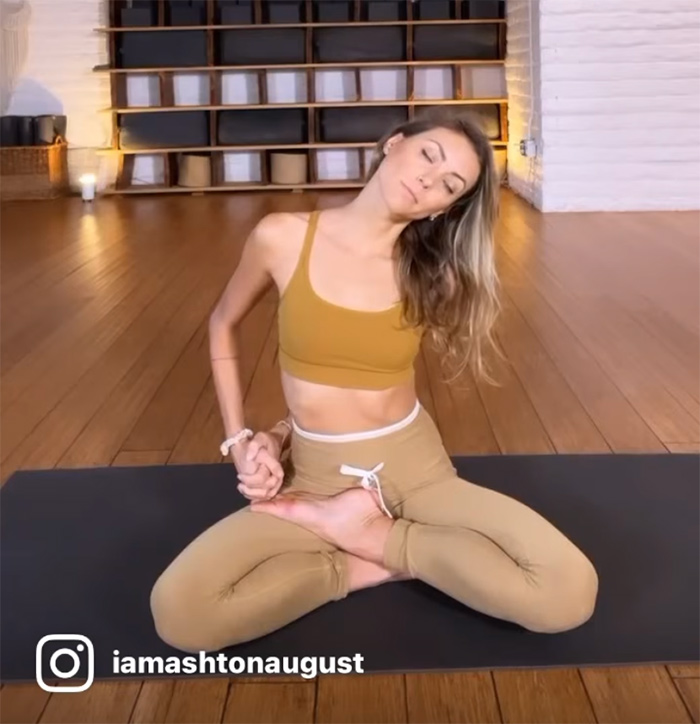
1. Lateral Cervical and Scapular Release
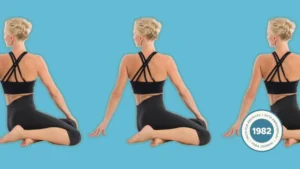
The neck and shoulder complex is part of a larger kinetic chain. The lateral neck stretch, performed while seated with the opposite hand anchored to the hip, targets the levator scapulae and upper trapezius muscles. By anchoring the shoulder, the practitioner creates a fixed point that allows for a more effective elongation of the muscle fibers.
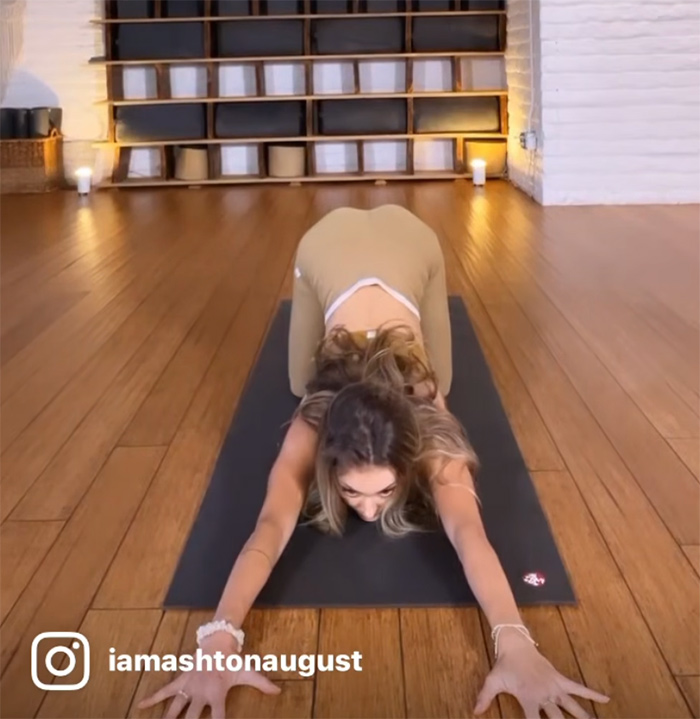
2. The Puppy Pose: Decompressing the Upper Thoracic Region
Puppy Pose (Uttana Shishosana) is particularly effective for desk workers. By keeping the hips aligned over the knees while extending the arms forward, the pose provides a deep stretch to the latissimus dorsi and the pectoral muscles. Incorporating a slight chin tuck aligns the cervical spine, mitigating the forward-head posture associated with prolonged computer use.
3. Rotational Mobility via Seal Pose Dips
The thoracic spine is often the most restricted area for those who sit for extended periods. Seal Pose, combined with deliberate shoulder rotation, helps mobilize the vertebrae between the shoulder blades. This rotational movement is crucial for restoring function to the rhomboids and the serratus anterior, which often become weak and overstretched due to a hunched posture.
Clinical Implications and Long-Term Management
The transition from acute pain to chronic condition often occurs when individuals fail to implement preventative strategies. Medical professionals emphasize that the goal of these movements is not merely to provide temporary relief, but to retrain the body to maintain proper alignment.
Data from recent orthopedic studies suggest that consistency is the primary factor in long-term recovery. A daily commitment of ten minutes is statistically more effective than a weekly, hour-long session, as it interrupts the cycle of tension before it can reach a threshold of pain. Furthermore, the incorporation of "micro-breaks"—short, one-minute intervals of movement during the workday—has been shown to significantly reduce the risk of developing chronic cervicobrachial syndrome.
Addressing the Broader Occupational Landscape
The rise in remote work has shifted the responsibility of ergonomic health onto the individual. While corporate offices previously invested in ergonomic assessments, the home office often lacks the necessary equipment, such as adjustable chairs and monitor risers. Consequently, the onus of mitigating neck and shoulder strain rests on proactive, mindful stretching.
Experts in occupational health recommend a three-pronged approach:
- Environmental Optimization: Ensuring that monitors are at eye level and that the chair provides adequate lumbar support.
- Active Recovery: Incorporating movement-based breaks into the daily schedule to counteract static loading.
- Mindfulness and Breathwork: Utilizing deep, diaphragmatic breathing to manage the psychological components of occupational stress.
Limitations and Medical Considerations
While mindful movement is a highly effective tool for muscle maintenance, it is not a substitute for medical treatment in cases of injury or structural damage. Individuals experiencing radiating pain, numbness, tingling in the extremities, or persistent headaches should prioritize a consultation with a primary care physician or a licensed physical therapist. These symptoms can be indicative of underlying issues such as cervical disc herniation, nerve impingement, or other conditions that require specialized diagnostic imaging and targeted clinical intervention.
The objective of integrating yoga-based stretches into one’s daily routine is to support the body’s natural range of motion and counteract the inevitable stressors of a sedentary lifestyle. By treating the body with consistent care and maintaining awareness of postural habits, individuals can effectively prevent the onset of chronic discomfort, ensuring that the musculoskeletal system remains functional and resilient against the demands of the modern work environment. As with any wellness protocol, practitioners are encouraged to start slowly, remain within the bounds of personal comfort, and listen to the physiological feedback the body provides during the process of recovery.