Military Health and Wellness Symposium Fifth Edition Addresses Modern Combat Readiness and Human Performance

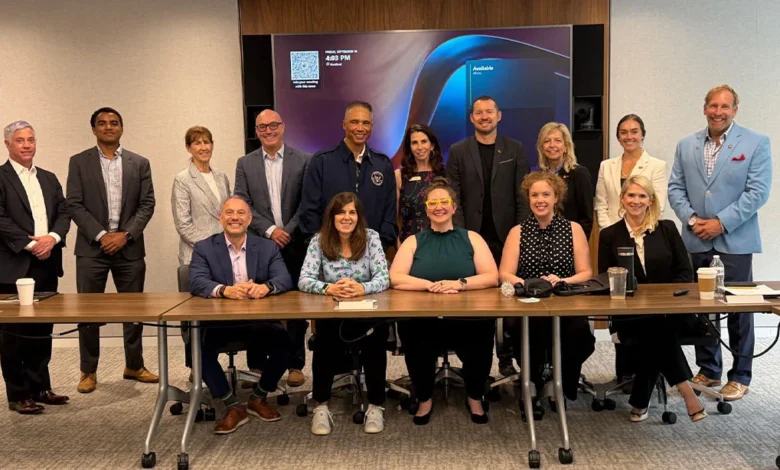
The Tragedy Assistance Program for Survivors (TAPS) headquarters in Arlington, Virginia, recently served as the epicenter for a high-level convergence of military leadership, medical experts, and human performance researchers. The fifth iteration of the Military Health and Wellness Symposium, organized by Muscle & Fitness Senior Military Editor Rob Wilkins, provided a platform for evaluating the evolving physical and psychological requirements of service members. As the modern battlefield undergoes rapid technological and tactical shifts, the symposium underscored a critical, emerging consensus: the physical and mental well-being of the armed forces is not merely a matter of personal health, but a cornerstone of national security and operational readiness.
The event facilitated a cross-disciplinary dialogue between government officials, veteran advocates, and private-sector specialists. The objective was to synthesize disparate research into actionable strategies that can be implemented across military branches to improve longevity, endurance, and cognitive performance. According to organizers, the rapid pace of change in both medical science and military doctrine necessitates consistent, high-level collaboration that transcends individual organizational silos.
The Strategic Importance of Human Performance
The symposium opened with a clear directive from Rob Wilkins, who emphasized that the traditional model of military fitness must be updated to reflect current scientific understanding. "No one organization can generate all of the answers," Wilkins stated. "We want people to be able to know all this information so they can stay healthy, serve longer, and live healthier lives."
The core philosophy driving the event is the recognition that the modern soldier is an elite athlete operating in an environment of extreme stress. As military roles become increasingly technical and physically demanding, the margin for error in nutritional, recovery, and psychological health continues to narrow. The symposium aimed to bridge the gap between academic research and field-level application, ensuring that the latest physiological data reaches commanders and soldiers on the ground.
Advancements in Holistic Health and Fitness (H2F)
A significant portion of the symposium was dedicated to the U.S. Army’s Holistic Health & Fitness (H2F) program. Colonel Jonathan D. Lesher and physical therapist Amy Cates presented a comprehensive overview of the program’s five foundational pillars: physical, mental, nutritional, spiritual, and sleep. The H2F initiative represents a paradigm shift from reactive healthcare—treating injuries after they occur—to a proactive, integrated model designed to prevent injuries before they happen.
The integration of physical therapy and strength coaching directly into the brigade structure allows for real-time monitoring of soldier performance. Colonel Lesher noted that the program is fundamentally about survivability, asserting, "A stronger soldier is harder to kill, period." By focusing on movement efficiency and restorative recovery, the Army aims to reduce the time service members spend in medical recovery, thereby increasing overall force readiness. The data presented indicated that units with fully integrated H2F teams show improved injury rehabilitation rates and higher retention levels.
Nutritional Safety and the Supplement Landscape
As the commercial supplement market expands, service members are increasingly exposed to unregulated products. Andrea Lindsey, Senior Nutrition Scientist and Director for Operation Supplement Safety (OPSS), addressed the urgent need for consumer literacy regarding energy drinks and performance-enhancing substances. The rapid emergence of new ingredients, particularly peptides, poses a significant risk to both health and regulatory compliance.
Lindsey warned that the "wild west" nature of the current supplement market requires service members to be highly discerning. She recommended strict adherence to third-party testing standards and advised against the consumption of energy drinks exceeding 200 milligrams of caffeine, citing potential cardiovascular strain. The rise in the popularity of peptides was highlighted as a major concern; because many of these substances are experimental or improperly labeled, they pose severe risks to the long-term health of the force. The consensus among the experts was clear: service members must prioritize evidence-based nutrition over the promise of quick gains, as the unintended side effects of poor supplementation can compromise operational capabilities.
The Critical Role of Sleep in Cognitive Function
While physical training is often prioritized, the symposium highlighted sleep as the most neglected variable in the military performance equation. Dr. Sara Algar and Dr. Tina Burke of the Walter Reed Army Institute of Research presented evidence confirming that a minimum of seven hours of high-quality sleep per night is non-negotiable for maintaining peak cognitive and physical function.
The researchers detailed how chronic sleep deprivation creates a cascading effect, leading to suppressed testosterone levels, impaired emotional regulation, and degraded executive function. In a combat environment, these deficits can lead to catastrophic decision-making errors. Dr. Algar stressed that until the cycle of sleep deprivation is broken, the benefits of advanced training and nutrition are largely neutralized. The symposium’s call to action regarding sleep hygiene serves as a reminder that recovery is not an optional phase of training, but an operational requirement.
Mental Resilience and Life After Service
Mental health discussions were woven throughout the symposium, moving beyond traditional clinical perspectives to examine the cultural pressures faced by leaders and service members. Dr. Gabriel Paoletti of the Uniformed Services University emphasized that mental health must be viewed through a systemic lens, accounting for the unique stressors inherent in military life.
A standout moment occurred when former Assistant Secretary of Defense for Readiness, Dr. Elizabeth "Elise" Van Winkle, offered a candid assessment of her own tenure. She detailed how the immense pressure of her role impacted her mental and physical well-being, illustrating that even at the highest levels of the Pentagon, the challenge of maintaining balance is universal. Dr. Van Winkle drew a distinct line between "readiness" and "resilience," arguing that true strength involves the willingness to seek help. "It may be harder to talk about, but that is when it is most important," she said. "Saying it out loud makes you vulnerable, but that can help pull you back together into one person."
The symposium also addressed the transition to civilian life, with financial expert David Vardeman and VA Chief Veterans Experience Officer Dr. Lynda Davis outlining the support systems available to veterans. Dr. Davis reaffirmed the Department of Veterans Affairs’ commitment to ensuring that no veteran is left behind, emphasizing that the VA is prioritizing direct engagement to ensure that veterans feel heard and supported as they navigate the challenges of life after service.
Multi-Generational Impact and Future Outlook
The symposium reached beyond the active-duty population to examine the generational impacts of wellness education. Bob Marple, principal of Brambleton Middle School, provided a perspective on the importance of physical literacy in youth, identifying the habits formed in adolescence as the foundation for future military service. This perspective was echoed by Ashlee Henson of the Cooper Aerobics Wellness Program, who highlighted the success of Dr. Kenneth Cooper’s methods in improving the quality and quantity of life for diverse populations, including seniors.
The inclusion of these perspectives underscores the symposium’s goal of creating a "wellness ecosystem" that supports individuals from childhood through the military years and into retirement. By fostering a culture of health across these stages, the military can ensure a more resilient pipeline of future service members and a healthier veteran population.
Analysis and Implications for National Security
The data presented at the fifth Military Health and Wellness Symposium suggests that the U.S. military is in the midst of a significant cultural and operational transition. Moving away from the "suck it up" mentality of the past, the current focus is on scientific optimization. This shift is driven by the reality that the modern, highly technical battlefield demands a soldier who is as mentally sharp and metabolically resilient as they are physically strong.
The implications for national security are profound. By institutionalizing programs like H2F and emphasizing sleep, nutrition, and mental health, the Department of Defense is aiming to extend the "service life" of its personnel. This not only improves retention and reduces healthcare costs but ensures that the U.S. military remains competitive against global adversaries who are also investing heavily in human performance optimization.
The success of the symposium lies in its ability to bring together such a diverse array of stakeholders. From the halls of the Pentagon to the classrooms of middle schools, the message remains consistent: health is the foundation of readiness. As the symposium series looks toward its next installment, tentatively scheduled for early 2027, the focus will likely remain on integrating these findings into the standard operating procedures of the Armed Forces. The work conducted in Arlington serves as a vital blueprint for a more resilient, capable, and healthier force, ensuring that those who protect the nation are equipped with the best available tools to succeed in any environment.