Unlocking Joint Health: How Controlled Articular Rotations Are Transforming Modern Yoga Practices


The modern evolution of yoga has increasingly intersected with sports science and physical therapy, bringing anatomical precision to ancient traditions. For decades, standard vinyasa and hatha classes have commenced with intuitive movements—wrist rotations, hip circles, and gentle neck rolls—designed to transition practitioners from external stressors into mindful bodily awareness. However, movement specialists and physical therapists are now advocating for a more rigorous, scientifically grounded approach to these introductory practices through the integration of Controlled Articular Rotations, commonly referred to as CARs.
Rooted in the Functional Range Systems (FRS) joint-health training framework, CARs are meticulously designed movements executed slowly and deliberately through a joint’s absolute available range of motion. Unlike passive stretching or unregulated joint mobilization, CARs require strict neurological control to isolate the target joint, ensuring that adjacent skeletal structures remain stationary. This methodology is reshaping how instructors approach warm-ups, transforming routine calisthenics into sophisticated tools for joint hygiene, injury prevention, and profound neuromuscular education.
The Anatomical Significance of Joint Hygiene and Body Literacy
As human populations age, physiological changes naturally diminish joint cartilage elasticity, synovial fluid production, and overall capsule resilience. Joints—the vital mechanical hinges where bones articulate—bear the brunt of repetitive mechanical loading, sedentary lifestyles, and chronic postural imbalances. Without deliberate intervention, the gradual stiffening of these articulations can lead to localized discomfort, diminished range of motion, and a compensatory breakdown in kinetic chains throughout the body.
Physical therapists emphasize that practicing "joint hygiene" through daily, isolated articulation can counteract these degenerative processes. When performed consistently, CARs stimulate the production and circulation of synovial fluid, the viscous fluid encapsulated within joint cavities that minimizes friction between articular cartilage and delivers essential nutrients to avascular tissues. Furthermore, daily execution establishes a reliable proprioceptive baseline. Practitioners become acutely attuned to the unique operational parameters of each joint, enabling them to detect subtle biomechanical shifts, micro-traumas, or emerging asymmetries long before they manifest as acute pain or clinical injury.
Jen Hosler, a physical therapist and mobility specialist certified in the Functional Range Systems framework, underscores the pedagogical value of this practice. "CARs are a really low-hanging fruit for a lot of people because they’re highly accessible," Hosler explains. "I like to use it as a body literacy tool because everybody tells us to ‘just listen to your body,’ and that advice is good, but nobody teaches you how to actually do it." By providing a systematic vocabulary of movement, CARs bridge the gap between abstract somatic cues and concrete physical execution.

The Three Progressive Levels of Joint Articulation
To safely integrate CARs into a diverse population of practitioners—ranging from sedentary novices to hyper-mobile athletes—movement science categorizes the practice into three distinct methodological tiers.
Level one represents the "unchallenged" CAR. This foundational iteration involves moving a joint freely through open air without external load or strict stabilization constraints—such as performing unassisted, circular wrist rolls. This level serves as an optimal daily maintenance staple, ensuring baseline articular health without imposing excessive fatigue on the neuromuscular system.
Level two incorporates "blocking." By utilizing external props such as yoga blocks, foam rollers, or the immutable surface of the floor, the practitioner actively immobilizes neighboring joints. This architectural restriction prevents the body from cheating or compensating through secondary kinetic pathways, forcing the targeted joint to shoulder the full operational burden. Level two functions primarily as a progressive training tool designed to systematically expand an individual’s active range of motion.
Level three introduces external resistance, such as a light dumbbell or a resistance band. This advanced application is particularly valuable for hyper-mobile individuals who possess excessive passive joint laxity but lack the intrinsic neuromuscular control required to stabilize their skeletal framework under load. By demanding high levels of motor unit recruitment, level three builds structural resilience and profound positional awareness.
Despite these progressive challenges, the overarching objective of CARs remains conservative and rehabilitative. Perfection is explicitly not the goal; rather, the practice prioritizes mindfulness, consistency, and the preservation of existing operational capacity.
Chronology and Integration: Bringing Science to the Mat
The synthesis of FRS methodologies with traditional yoga sequencing represents a recent paradigm shift within the wellness industry. Historically, yoga teacher trainings focused heavily on static alignment, breath synchronization, and philosophical lineages, often leaving modern biomechanics and joint conditioning as secondary electives. Over the past five years, however, a growing cohort of clinically trained physical therapists who also hold yoga certifications have begun publishing curricula that merge clinical rehabilitation science with asana practice.
This integration gained significant momentum as instructors sought evidence-based solutions for common student complaints, such as wrist impingement during arm balances, hip pinching in seated folds, and lower back strain during spinal flexion. By introducing CARs into the early phases of a class, teachers can systematically prime the nervous system, assess daily structural readiness, and prepare connective tissues for the heavier axial loads and extreme ranges demanded by advanced postures.
Safety remains a paramount consideration during this pedagogical evolution. Clinical guidelines dictate that minor, painless articular clicking or popping can be entirely normal, particularly for practitioners unaccustomed to joint articulation. However, if a practitioner experiences sharp pinching, true compression pain, or joint instability, modification is immediately required. Specialists recommend reducing the diameter of the rotational circle or eliminating resistance altogether. If discomfort persists, professional evaluation by a licensed physical therapist or sports medicine physician is strongly advised.
Five Practical Applications for the Yoga Practitioner
Translating the principles of CARs into an active yoga sequence requires careful attention to positioning, stabilization, and pacing. Below are five specialized movements designed to integrate seamlessly into traditional asana frameworks.
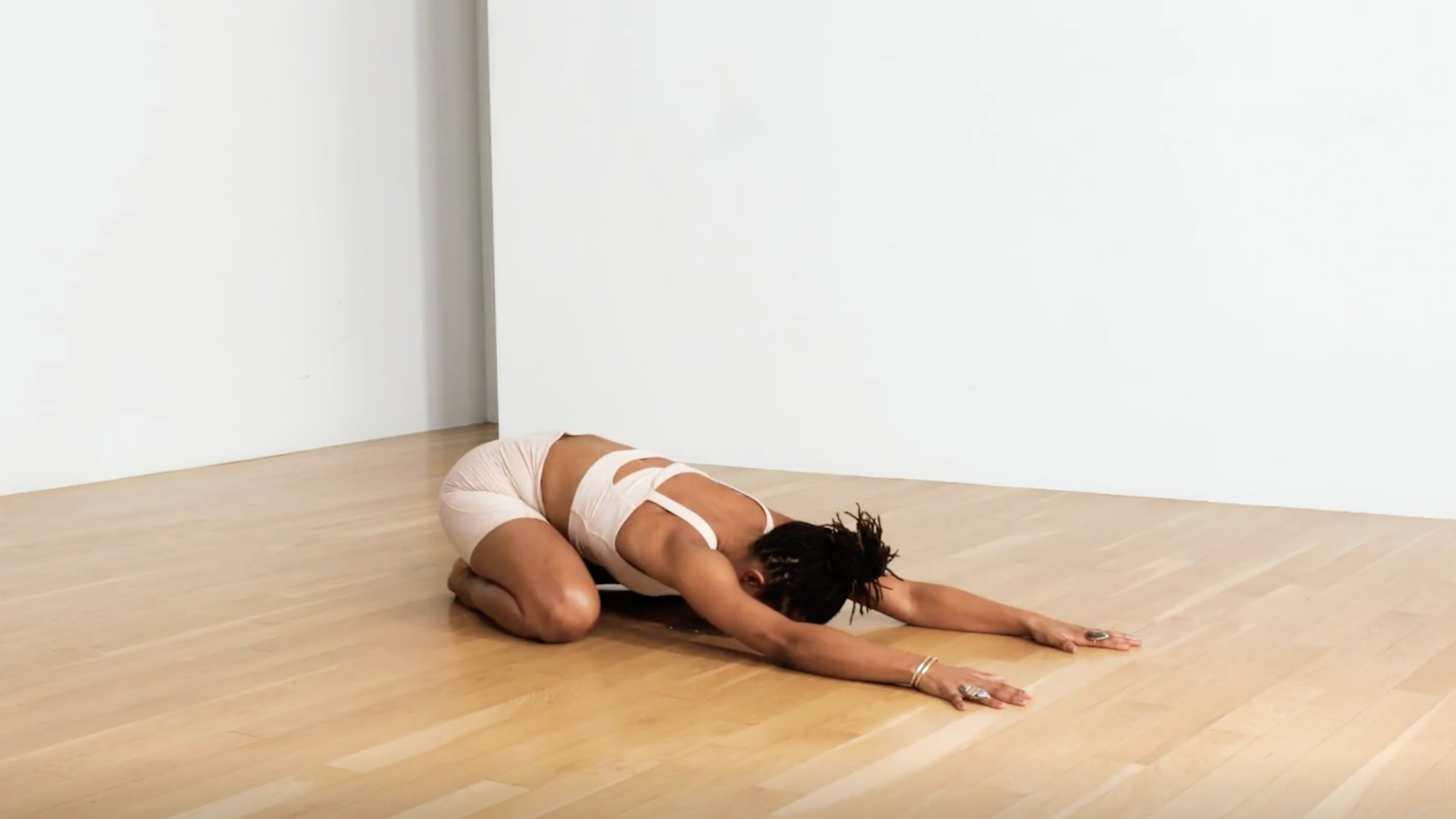
1. Shoulder Circles in Child’s Pose (Balasana)
Child’s Pose provides an ideal, grounded environment for isolating the glenohumeral joint. The resting shape of the posture inherently limits compensatory movement from the thoracic spine, ensuring that rotational forces are absorbed exclusively by the shoulder girdle.
- Execution: Begin with the forehead resting comfortably on the mat. Push firmly against the floor with the left hand to stabilize the upper back. Slowly lift the right arm off the mat, sweep it laterally out to the side, and rotate it posteriorly so that the elbow points toward the ceiling. Reverse the circular trajectory in a slow, controlled manner. Perform several repetitions before switching sides.
2. Hip Circles in Tabletop Pose (Bharmanasana)
While tabletop serves as the foundational architecture for standard cat-cow flows, it can be optimized for coxofemoral (hip) joint health through targeted articular rotations.
- Execution: Ground down evenly through both palms and the opposite knee. Draw the right knee forward toward the chest. Keeping the anterior pelvis and navel squarely facing the mat, abduct the right thigh outward to the side. Continue the circular arc by reaching the foot backward and upward, as if stamping the sole against the ceiling. Complete the revolution by returning the knee underneath the torso before reversing the direction. Execute multiple rotations per leg while maintaining an immovable lumbar-pelvic junction.
3. Wrist Circles in High Lunge (Utthita Ashwa Sanchalanasana)
Practitioners who frequently engage in arm balances, inversions, and chaturanga transitions place immense cumulative stress on the carpal bones and radiocarpal joints. High Lunge offers a stable, lower-body-focused foundation from which to address upper extremity mobility.
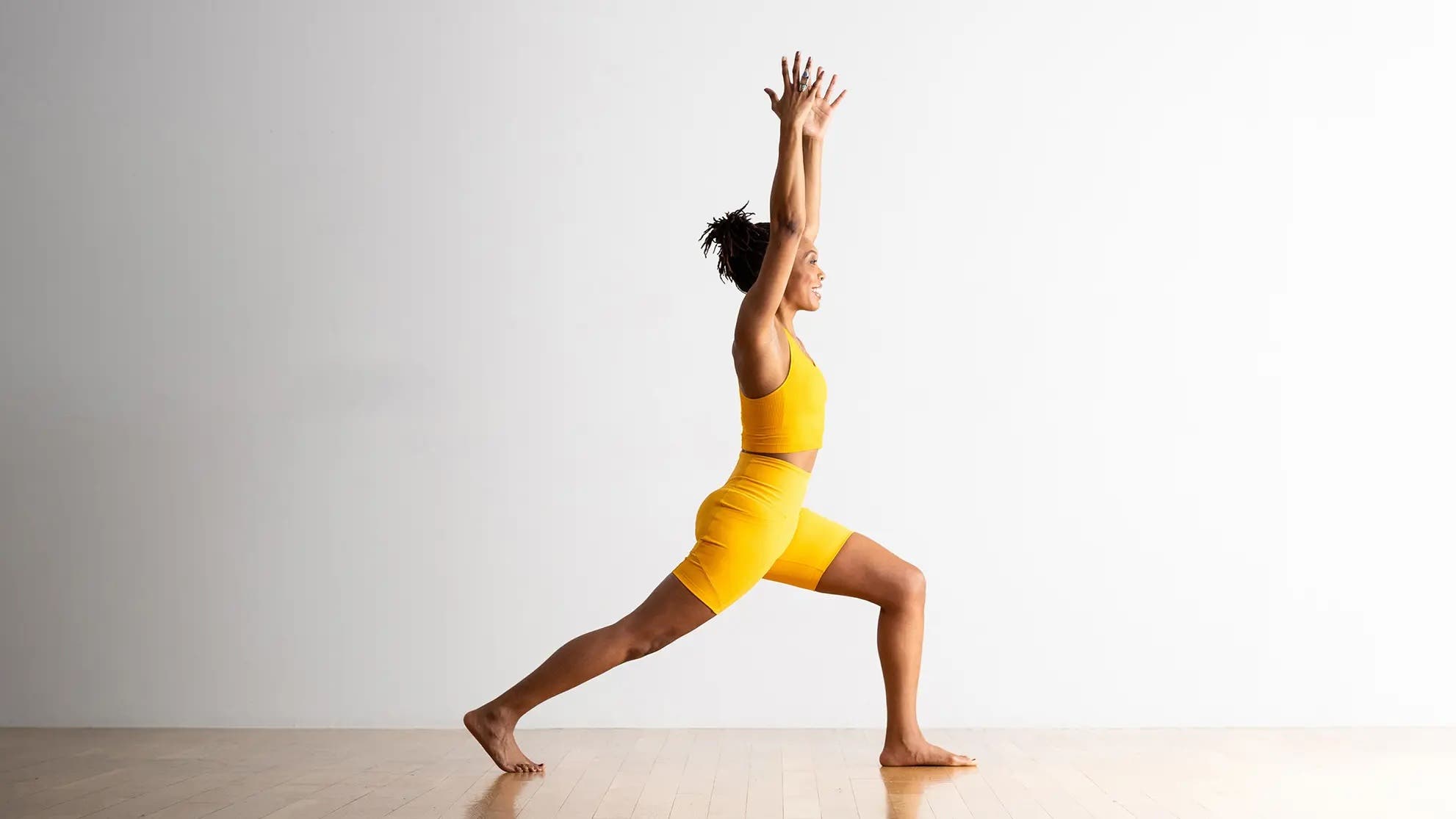
- Execution: Settle into a stable High Lunge stance. Extend both arms forward, aligning them precisely with the shoulders. Initiate a slow, deliberate rotation of one wrist, drawing circles in the air that move the joint through flexion, deviation, and extension. Keep the forearm entirely motionless; if necessary, grasp the working forearm with the opposite hand to enforce strict isolation. Experiment with both open-finger and clenched-fist variations. This dual-focus exercise serves the dual purpose of joint maintenance and providing a welcome somatic distraction from intense quadriceps fatigue.
4. Ankle Circles in Half Split (Ardha Hanumanasana)
Yoga asana frequently demands plantarflexion and dorsiflexion, yet the subtalar and talocrural joints require multi-planar movement to maintain optimal health and shock absorption.
- Execution: From a Half Split position, extend one leg forward with the heel firmly anchored to the mat, utilizing yoga blocks beneath the hands for postural support. Flex the foot by drawing the toes actively toward the shin. Roll the foot outward and plantarflex, pointing the toes away from the torso. Complete the circle by rolling the foot inward and returning it to a neutral, dorsiflexed position. Maintain firm heel contact throughout, utilizing the opposite hand to stabilize the lower shin if involuntary leg rotation occurs. Reverse directions and repeat symmetrically.
5. Knee CARs in Heron Pose (Krounchasana)
While the classical expression of Heron Pose requires elite hamstring flexibility, a modified, bent-knee variation allows practitioners to safely explore internal and external tibial rotation at the knee joint.
- Execution: Sit upright with an elongated spine. Cradle a forearm underneath the left knee or interlace the hands securely behind the posterior thigh to restrict movement at the hip joint. With the leg elevated off the mat and the ankle stabilized, externally rotate the tibia and extend the leg upward. From full extension, internally rotate the shin and lower the limb back to a neutral starting position. Reverse the directional arc for several repetitions before switching sides. To ensure precision, practitioners can rest a hand directly over the patella, using tactile feedback to monitor the subtle, side-to-side shifting of the joint structures.
Broader Impact and Industry Implications
The integration of Controlled Articular Rotations into yoga signals a broader, maturation phase within the fitness and wellness industries. As consumers become more discerning and injury rates associated with poorly managed flexibility training draw increased scrutiny, the boundary lines separating ancient movement disciplines from modern exercise science continue to dissolve.
By adopting evidence-based modalities like CARs, yoga instructors are positioning themselves not merely as spiritual guides or fitness coaches, but as holistic movement educators equipped to enhance functional longevity. This clinical cross-pollination promises to reduce chronic musculoskeletal complaints, empower aging populations to maintain physical autonomy, and elevate the standard of care across global studio networks. Ultimately, the fusion of mindful breathing with precise joint hygiene proves that traditional movement practices can successfully adapt to meet the rigorous demands of modern human biomechanics.
Related posts: