Neck and Shoulder Tension Relief: A Comprehensive Guide to Modern Ergonomic Health and Mindful Recovery

Neck and shoulder tension has emerged as a pervasive public health concern in the digital age, characterized by a steady rise in musculoskeletal disorders linked to sedentary lifestyles. As global work environments transition toward permanent hybrid or remote models, the physical toll of prolonged screen time—often termed "tech neck"—has become a focal point for physical therapists, ergonomists, and wellness practitioners alike. Clinical data indicates that the weight of the human head, which averages between 10 and 12 pounds, exerts significant force on the cervical spine when tilted forward at an angle, leading to chronic strain, headaches, and restricted range of motion.
The physiological trajectory of this tension often begins with postural degradation. When an individual spends hours hunched over a laptop or smartphone, the muscles of the upper trapezius, levator scapulae, and rhomboids are forced into a state of chronic elongation or contraction. This state is frequently exacerbated by the sympathetic nervous system’s response to stress, which triggers an unconscious tightening of the shoulder girdle, a phenomenon known as "stress-induced hypertonicity." Over time, these repetitive stress patterns transition from acute discomfort to chronic pain, significantly impacting workplace productivity and overall quality of life.
The Evolution of Workplace Ergonomics and Sedentary Strain
The chronology of this physical phenomenon is tied directly to the evolution of modern computing. In the late 20th century, desktop workstations were designed with static, albeit limited, ergonomic considerations. However, the 2010s marked a shift toward mobile computing. Research from the Journal of Physical Therapy Science highlights that "text neck"—the repetitive stress injury caused by looking down at handheld devices—places up to 60 pounds of pressure on the neck when the head is tilted at a 60-degree angle. This repetitive mechanical stress has led to a documented increase in office-related musculoskeletal complaints, prompting a surge in demand for preventive movement strategies.

Recent industry studies suggest that approximately 70% of office workers experience some form of neck or upper back discomfort at least once a week. The economic implications are substantial, with millions of workdays lost annually to musculoskeletal issues. Healthcare providers and occupational health experts now advocate for a "micro-break" strategy, where employees engage in brief, intentional physical movement every 60 to 90 minutes to interrupt the cycle of static loading.
Physiological Mechanisms: Why Mindful Movement Facilitates Relief
The efficacy of yoga-based interventions for neck and shoulder relief is rooted in both biomechanical and neurological principles. From a biomechanical perspective, targeted stretches facilitate the lengthening of the fascia and muscle fibers that have become shortened due to habitual posture. By engaging in rotational and lateral movements, the thoracic spine—which often becomes rigid during desk work—regains necessary mobility, thereby offloading the burden from the more fragile cervical spine.
Neurologically, the inclusion of mindful breathing serves as a critical component in pain management. Controlled, deep breathing stimulates the vagus nerve, which helps shift the body from a sympathetic ("fight or flight") state to a parasympathetic ("rest and digest") state. This transition is essential for muscle relaxation, as chronic stress hormones like cortisol contribute to systemic inflammation and sustained muscle guarding. By integrating movement with rhythmic respiration, practitioners can effectively dampen the body’s pain-signaling pathways.
Targeted Therapeutic Movements: An Evidence-Based Approach
Professional physical therapy protocols often mirror the movements found in therapeutic yoga, emphasizing controlled range of motion and gradual progression. The following techniques are frequently cited by practitioners for their ability to restore balance to the upper body:

1. The Lateral Cervical Release
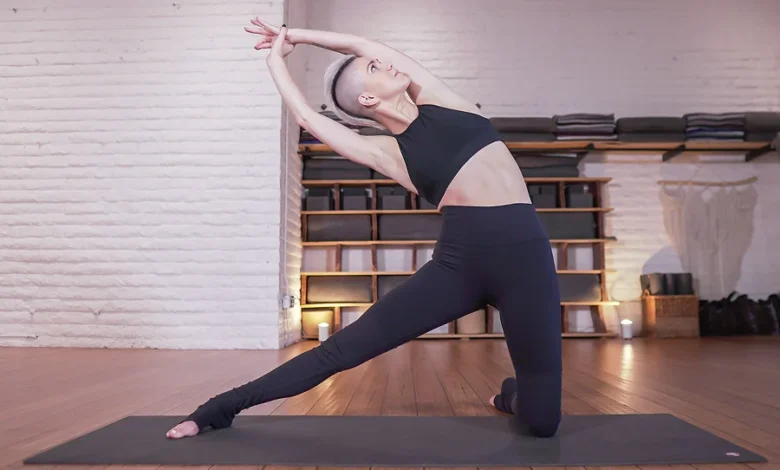
This movement addresses the lateral chain of muscles, specifically the sternocleidomastoid and upper trapezius. By anchoring one hand behind the back, the practitioner stabilizes the shoulder girdle, allowing for a focused stretch of the neck musculature. This is particularly effective for those suffering from tension-type headaches, which often radiate from the suboccipital muscles at the base of the skull.
2. Thoracic Extension through Puppy Pose
The Puppy Pose, a variation of the downward-facing dog, is highly regarded for its ability to decompress the upper spine. By keeping the hips stacked over the knees while extending the arms forward, the practitioner creates a traction effect on the latissimus dorsi and pectoralis muscles. When combined with a gentle chin tuck, this pose realigns the cervical spine, counteracting the forward-head posture common in computer users.
3. Scapular Mobilization via Seal Pose Variations
Shoulder health is inextricably linked to the movement of the shoulder blades, or scapulae. By utilizing the Seal Pose—an extension of the thoracic spine—and incorporating rotational "dips," one can address adhesions in the soft tissue surrounding the shoulder blades. This mobilization is essential for maintaining proper posture, as it encourages the retraction and depression of the scapulae, preventing the "slumped" appearance associated with prolonged desk work.
Analysis of Preventive Strategies and Long-Term Wellness
The broader impact of these interventions extends beyond immediate pain relief. Consistent practice functions as a form of "physical hygiene," similar to dental care, aimed at preventing the hardening of soft tissue. Analysis of long-term wellness programs shows that individuals who integrate five to ten minutes of daily movement experience lower rates of recurrent pain compared to those who rely solely on passive treatments, such as massage or pharmaceuticals.

However, medical professionals caution that these movements should be performed with awareness of the body’s limitations. If an individual experiences radiating pain, numbness, or tingling in the arms, this may indicate nerve impingement, such as a cervical herniated disc. In such instances, generic stretching may be contraindicated. It is recommended that individuals with persistent symptoms seek a clinical diagnosis from a physician or physical therapist to rule out structural pathology.
Conclusion and Future Outlook
The persistence of neck and shoulder tension in the modern workforce is a symptom of a broader disconnect between our biological needs and our technological environment. As society continues to rely on digital interfaces, the responsibility for musculoskeletal health increasingly falls on the individual to adopt proactive, compensatory habits.
By understanding the mechanical origins of tension—namely the weight of the head and the impact of static positioning—individuals can utilize yoga and movement as potent tools for mitigation. Whether through formal exercise sequences or brief, intentional breaks during the workday, the cumulative effect of these practices is significant. The path to relief is not found in a single, intense session, but in the consistent, daily application of mindful movement. As health outcomes are increasingly linked to lifestyle choices, integrating these simple, evidence-based stretches into the daily routine offers a sustainable pathway toward reduced pain and improved physical longevity.