Groundbreaking Brain Imaging Study Links Long COVID to Dopamine Neuron Damage and Offers New Hope for Targeted Treatments

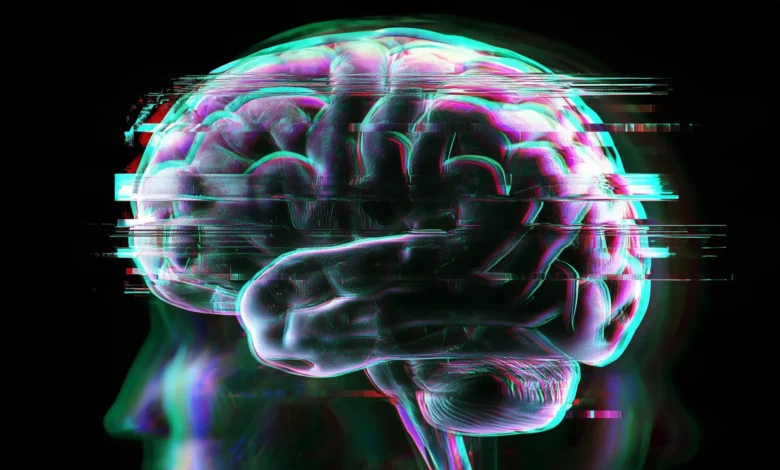
A comprehensive new neuroimaging investigation conducted by researchers at the Centre for Addiction and Mental Health has delivered what scientific experts are calling the most compelling and robust evidence to date connecting long COVID to physical injury within the brain’s dopamine-releasing neural networks. Published in the peer-reviewed medical journal eBioMedicine, the research sheds urgent light on the physiological mechanisms driving some of the most debilitating and persistent symptoms associated with post-acute sequelae of SARS-CoV-2 infection, commonly known as long COVID. These include profound fatigue-related loss of motivation, psychomotor slowing, and severe cognitive and memory difficulties. By isolating damage to the striatum—a critical subcortical structure heavily involved in executive function, voluntary movement, and reward processing—the study not only validates the lived experiences of millions of patients worldwide but also establishes an entirely new pharmacological roadmap for clinical trials and potential therapeutic interventions.
The global impact of long COVID remains a monumental public health challenge, with international epidemiological estimates suggesting the condition affects approximately five percent of the worldwide population. In Canada alone, roughly two million individuals continue to grapple with a sweeping and heterogeneous array of symptoms that persist for a minimum of three months following the initial acute phase of SARS-CoV-2 infection. Among the most frequently reported and socially disruptive manifestations of the syndrome are chronic, debilitating fatigue, persistent brain fog, memory deficits, and mood disturbances. Despite the sheer scale of the crisis, effective, evidence-based treatments have remained conspicuously absent from the clinical landscape. This therapeutic vacuum has largely persisted because the medical and scientific communities lacked a precise understanding of the underlying neuropathological processes occurring within the central nervous system.
The investigation utilized positron emission tomography, an advanced molecular imaging technology capable of visualizing and quantifying biochemical processes and metabolic activity inside the living human brain. Researchers specifically targeted a well-established radiotracer marker closely linked to the health, density, and functional integrity of dopamine terminals. By comparing PET scan results from individuals suffering from long COVID against a carefully matched control group of healthy participants, the research team was able to map microstructural changes within the brain with unprecedented precision.
The empirical results revealed substantially lower levels of the dopamine neuron health marker among long COVID patients across all major anatomical subdivisions of the striatum. The striatum, composed of the caudate, putamen, and ventral striatum, acts as a critical neural hub coordinating motivation, motor control, and complex cognitive processing. The marked reduction in tracer binding observed in the patient cohort strongly indicates a diminished density of dopamine nerve terminals. Furthermore, the researchers identified distinct spatial patterns of marker depletion that correlated directly with specific clinical symptoms reported by the patients. For instance, reductions localized within the ventral striatum were tightly coupled with heightened motivational deficits and apathy. Decreases observed in the dorsal putamen mapped closely to measurable motor slowing, while lower marker levels within the caudate putamen correlated directly with patient-reported memory and executive function impairments.
Dr. Jeffrey Meyer, Senior Scientist at the Centre for Addiction and Mental Health’s Brain Health Imaging Centre, holder of a Canada Research Chair, and senior author of the investigation, emphasized the clinical significance of the discoveries. The findings provide robust proof that long COVID involves the tangible degeneration or injury of dopamine-releasing neurons. This specific category of neural damage is already well-documented in other progressive neurological and neuropsychiatric disorders, where it routinely precipitates symptoms such as psychomotor retardation, profound anhedonia, and cognitive slowing. The new data strongly indicates that a comparable neurodegenerative or neuroinflammatory process is actively occurring in the brains of long COVID sufferers.
Chronology of Discovery: From Neuroinflammation to Dopamine Depletion
To fully understand the weight of these recent findings, it is necessary to examine the chronological progression of research carried out by Dr. Meyer’s laboratory and other neuroimmunology groups over the course of the pandemic. In earlier phases of the pandemic, as millions of individuals reported persistent cognitive deficits, researchers suspected that neuroinflammation might be the primary driver of central nervous system symptoms. Subsequent imaging studies led by the CAMH team provided empirical backing for this hypothesis, demonstrating that individuals suffering from long COVID exhibited abnormally elevated levels of translocator protein—a primary biomarker for neuroinflammation—within specific regions of the cerebral cortex and subcortical structures.
Crucially, this neuroinflammation was found to be especially pronounced and concentrated in brain areas densely populated by dopamine-releasing neurons. Building upon this temporal foundation, the latest eBioMedicine study bridges the critical gap between immune system activation and permanent neural injury. Medical science has long recognized that chronic or dysregulated neuroinflammation can exert neurotoxic effects, gradually degrading delicate neurotransmitter systems over time. While the team’s preceding research established the presence of widespread brain inflammation, the current imaging data delivers direct, localized evidence that the dopamine neuron health marker is depleted within those exact same inflamed regions. The statistical correlation between the degree of marker loss and the severity of individual patient symptoms provides a coherent pathophysiological narrative that connects initial viral infection, persistent immune activation, secondary neuroinflammation, and eventual dopamine system dysfunction.
Reevaluating Long COVID Through a Neurochemical Lens
The implications of identifying the dopamine system as a primary locus of pathology extend far beyond academic neurology; they necessitate a fundamental paradigm shift in how the medical community approaches clinical trials and therapeutic development for post-viral syndromes. Historically, the vast majority of clinical research endeavors focusing on neurological long COVID have centered primarily on managing systemic immune responses, reducing generalized inflammation, or utilizing non-specific rehabilitative therapies such as cognitive pacing and physical therapy. By contrast, pharmacological interventions specifically designed to protect, repair, or augment dopamine-releasing neurons have been largely overlooked in clinical trial pipelines.
Dr. Meyer underscored that viewing long COVID, even in part, as a primary disorder of the brain’s neurochemical architecture opens up immediate avenues for pharmacological innovation. Specifically, the findings suggest that clinicians and researchers could begin exploring the viability of repurposing existing, well-tolerated medications designed to enhance dopaminergic function. This category of therapeutics includes dopamine precursors, which help replenish depleted neurotransmitter pools, as well as inhibitors of dopamine metabolism that prevent the breakdown of available dopamine within the synaptic cleft. By artificially or naturally restoring optimal dopaminergic tone, it may be possible to ameliorate the debilitating motivational deficits, physical sluggishness, and cognitive fog that currently prevent millions of individuals from returning to the workforce or independent living.
The Human Toll and Patient Advocacy
Beyond the quantitative data and neuroimaging metrics, the study offers profound psychological validation to a patient community that has frequently faced skepticism from healthcare providers, employers, and insurers. Because many long COVID symptoms—such as cognitive fatigue, internal exhaustion, and motivational loss—are invisible to external observers and frequently fail to register on standard blood panels or routine structural magnetic resonance imaging scans, patients have long struggled to articulate the physiological reality of their condition.
Susan Deuville, a lived experience research advisor who collaborated closely with Dr. Meyer’s team following her own infection in 2021, articulated the emotional and social weight of the new scientific breakthrough. Having spent half a decade navigating the medical wilderness in search of answers for her sudden and catastrophic decline in neurological function, Deuville described the onset of her symptoms as a devastating erasure of her pre-COVID life, career, and identity. For individuals living with the daily reality of post-viral disability, the CAMH study serves as an empirical anchor. It demonstrates definitively that long COVID is an organic, measurable physical disease rooted in verifiable neurobiological damage, thereby dismantling lingering stigmas surrounding psychogenic or psychosomatic interpretations of the illness.
Upcoming Clinical Trials and Interventional Research
Capitalizing on the momentum generated by these findings, the research team at the Centre for Addiction and Mental Health is wasting no time in translating molecular discoveries into tangible patient care. Plans are already underway to launch a targeted clinical trial within the next couple of months. This upcoming interventional study will specifically evaluate therapies designed to modulate and support dopamine function in diagnosed long COVID patients. The primary objective of the trial will be to rigorously measure whether targeted pharmacological interventions can successfully alleviate core symptom clusters, including persistent memory deficits, motivational apathy, and chronic fatigue.
The upcoming clinical trial will be executed in close institutional collaboration with the University Health Network. This joint initiative forms part of a broader, strategic partnership between the participating medical centers explicitly designed to dismantle traditional silos between mental and physical health care. By integrating psychiatric imaging expertise with comprehensive somatic medicine, the institutions aim to accelerate the translation of laboratory science into frontline clinical protocols. Financial and infrastructural backing for the foundational neuroimaging study was provided by the Canadian Institutes of Health Research, underscoring the federal commitment to unraveling the complex etiologies of post-viral syndromes.
Broader Socioeconomic and Public Health Implications
As the scientific community digests the implications of the CAMH study, the broader economic and healthcare ramifications are beginning to come into focus. Long COVID continues to exert a staggering toll on global labor markets, healthcare infrastructure, and social support systems. According to various economic analyses, chronic illness resulting from SARS-CoV-2 infections has resulted in hundreds of billions of dollars in lost productivity, early retirements, and increased utilization of disability support services.
By identifying a precise, targetable neurochemical mechanism responsible for some of the most disabling features of the syndrome, this research provides a viable pathway toward economic and social recovery for millions of affected individuals. If forthcoming clinical trials successfully demonstrate that dopaminergic therapies can restore cognitive function, energy levels, and motor efficiency, the paradigm for treating post-viral chronic illness will undergo a permanent evolution. Furthermore, the methodological framework established by the CAMH team—combining high-resolution PET imaging with detailed clinical phenotyping—may serve as a blueprint for investigating other post-viral and chronic neuroinflammatory conditions, such as myalgic encephalomyelitis and chronic fatigue syndrome, which share striking clinical overlaps with long COVID.
Ultimately, the research published in eBioMedicine marks a critical turning point in the scientific understanding of SARS-CoV-2’s long-term neurological footprint. By moving past generalized hypotheses and identifying specific cellular injury within the brain’s reward and motor circuitry, science has transitioned from documenting the tragedy of long COVID to actively engineering its solution.
Related posts: