Long-Term Tadalafil Use Linked to Increased Glaucoma Risk in Men Treated for Prostate Symptoms

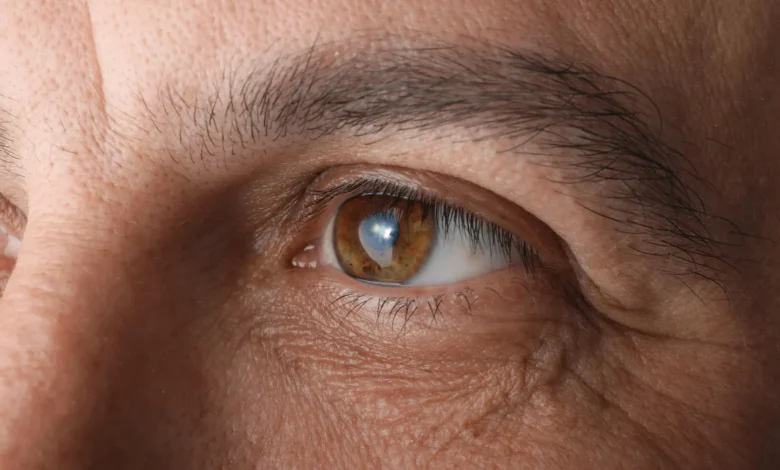
Men who take the popular erectile dysfunction medication tadalafil over extended periods to manage urinary symptoms associated with an enlarged prostate may face an elevated risk of developing glaucoma, according to a large-scale comparative study published in the British Journal of Ophthalmology. The findings have prompted researchers to recommend closer ophthalmic monitoring for patients undergoing chronic therapy, particularly those who already present with pre-existing risk factors for degenerative eye diseases.
Tadalafil, widely known under the brand name Cialis, belongs to a class of medications called phosphodiesterase type 5 inhibitors (PDE5i), which also includes sildenafil, marketed as Viagra. While these drugs are primarily prescribed to treat erectile dysfunction, tadalafil is additionally approved for the management of lower urinary tract symptoms stemming from benign prostatic hyperplasia (BPH), a non-cancerous enlargement of the prostate gland that affects millions of aging men worldwide.
The retrospective observational study analyzed electronic health records from nearly 74,000 patients. The results indicate that chronic users of tadalafil experienced a statistically significant increase in the incidence of glaucoma and related ocular conditions compared to a matched control group of men who did not receive the medication. While health experts emphasize that the findings do not establish a direct causal relationship, the scale of the association has drawn the attention of ophthalmologists, urologists, and public health researchers globally.
Background and Context: PDE5 Inhibitors and Ocular Physiology
The intersection of phosphodiesterase type 5 inhibitors and ocular health has been a subject of scientific inquiry for over two decades. PDE5 enzymes are found not only in the smooth muscle of the corpus cavernosum and the prostate but also in various ocular tissues, including the choroid, retina, and optic nerve. By inhibiting these enzymes, drugs like tadalafil and sildenafil promote vasodilation and increased blood flow.
However, researchers have long hypothesized that alterations in ocular hemodynamics and blood pressure regulation could inadvertently impact structures within the eye. Previous clinical investigations have linked PDE5 inhibitors to various optic neuropathies, most notably non-arteritic ischemic optic neuropathy (NAION), a condition characterized by a sudden loss of blood flow to the optic nerve. Other studies have suggested potential associations with retinal vascular occlusions and maculopathy, a disorder affecting the central region of the retina responsible for sharp, detailed vision.
Despite these documented concerns, evidence regarding the specific link between PDE5 inhibitors and glaucoma—a group of eye conditions that damage the optic nerve, often due to abnormally high pressure within the eye—has remained inconclusive. Furthermore, while short-term or intermittent use of PDE5 inhibitors for erectile dysfunction has been extensively studied, relatively little was known about the long-term safety profile of daily tadalafil consumption. Managing lower urinary tract symptoms from benign prostatic hyperplasia typically requires uninterrupted, chronic administration over months and years, creating a distinct exposure pattern that prompted the authors of the new study to re-examine the ocular risks.
Methodology and Study Design
To address gaps in the existing medical literature, a research team utilized the TriNetX Analytics Network, a vast global collaborative database housing anonymized electronic health records. The investigators sought to determine whether long-acting PDE5 inhibitors like tadalafil elevate the risk of glaucoma, ocular hypertension, and the initiation of glaucoma-specific treatments when prescribed for benign prostatic hyperplasia.
The study cohort comprised 73,854 male patients aged 40 or older. The timeline of the retrospective analysis spanned a decade, capturing health data recorded between January 2012 and December 2022. The study population was divided into two balanced cohorts:
- The treatment cohort included men who had been prescribed tadalafil or alternative PDE5 inhibitors continuously for up to five years to alleviate lower urinary tract symptoms.
- The control cohort consisted of demographically and clinically similar men who had never been prescribed these medications for urinary or sexual indications.
To ensure the validity of the comparison and minimize confounding variables, the researchers employed propensity score matching. Patients in both groups were meticulously matched across a comprehensive spectrum of baseline characteristics. These included age, racial and ethnic background, smoking status, history of alcohol-related disorders, concurrent prescription drug regimens, and a wide array of underlying systemic comorbidities. Medical conditions factored into the matching process encompassed cardiovascular disease, diabetes mellitus, cancer, hyperlipidemia, chronic kidney disease, obesity, and chronic obstructive pulmonary disease (COPD).
After controlling for these confounding factors, the research team tracked the incidence rates of glaucoma diagnoses, elevated intraocular pressure (ocular hypertension), primary open-angle glaucoma—the most prevalent form of the disease—and the commencement of medical or surgical glaucoma interventions over the five-year study window.
Detailed Findings: A 22% Increase in Glaucoma Risk
The comparative data revealed statistically significant disparities between the two groups. Men who were prescribed tadalafil exhibited a 22% higher overall risk of developing glaucoma compared to their untreated counterparts.
The analysis also highlighted elevated risks for several closely related ocular complications:
- Ocular Hypertension: Patients in the treatment group were 32% more likely to develop abnormally high pressure within the eye, a primary precursor to glaucomatous optic nerve damage.
- Primary Open-Angle Glaucoma: The incidence of primary open-angle glaucoma was 33% higher among tadalafil users.
- Glaucoma Treatment Initiation: Men taking the medication were 33% more likely to begin formal clinical treatment for glaucoma, indicating that the observed diagnoses translated into actionable therapeutic interventions by eye care specialists.
Subgroup analyses demonstrated consistency across various demographics. The elevated risk patterns persisted among patients aged 50 and older, white participants, and individuals presenting with multiple systemic health conditions. Additionally, temporal analyses showed that the associations remained statistically significant even among patients who received a glaucoma diagnosis relatively soon after initiating tadalafil therapy, specifically within one, three, or six months of starting the medication.
Limitations of the Observational Design
While the statistical associations are robust, the study’s authors and independent medical experts have emphasized important methodological limitations that preclude definitive conclusions regarding causality.
Because the research was observational and relied on retrospective electronic health records, it establishes correlation rather than direct cause and effect. Several specific constraints were noted:
- Medication Adherence: The researchers could not independently verify whether patients strictly adhered to their prescribed dosing schedules or tracked exact cumulative consumption over time.
- Unmeasured Confounders: Despite rigorous matching, the database could not fully account for progressive lifestyle changes or the unrecorded onset of emerging health conditions during the decade-long study timeframe.
- Demographic Representation: The vast majority of participants included in the matched cohorts were of white European descent. Consequently, the findings may not be fully generalizable to men from diverse racial and ethnic backgrounds.
- Baseline Ocular Data: The database lacked detailed baseline ophthalmologic measurements, such as pre-existing subtle visual field defects, for every individual prior to medication exposure.
Medical Community Reactions and Expert Analysis
The publication of the study has generated measured reactions across the medical community, engaging urologists, ophthalmologists, and pharmacologists alike. Clinical specialists stress that the findings should be interpreted with perspective and caution, noting that the absolute risk for any individual patient remains relatively low.
Urological associations point out that tadalafil remains an exceptionally effective, FDA-approved therapy for benign prostatic hyperplasia, significantly improving the quality of life for millions of men suffering from bothersome urinary symptoms such as weak stream, frequency, and nocturia. Discontinuing effective medical management without clinical justification could lead to untreated urinary retention, bladder dysfunction, or a decline in overall well-being.
Conversely, ophthalmologists have welcomed the study as a timely reminder of the intricate systemic connections governing ocular health. Glaucoma is often referred to as the "silent thief of sight" because primary open-angle glaucoma develops gradually without noticeable symptoms in its early stages. Many patients do not realize they have the condition until irreversible peripheral vision loss has occurred. The identification of an additional pharmaceutical risk factor reinforces the necessity of proactive screening protocols, particularly for aging male populations who frequently utilize polypharmacy.
Independent pharmacologists have also highlighted the broader implications for drug safety surveillance. As medications originally developed for one indication are repurposed or taken over longer durations for chronic conditions like BPH, post-market observational studies become critical tools for detecting rare or delayed adverse events that may not have appeared in shorter pre-approval clinical trials.
Clinical Recommendations: Monitoring, Not Discontinuation
Crucially, the study authors do not recommend that patients stop taking tadalafil. The clinical consensus derived from the research centers on risk stratification and enhanced surveillance rather than contraindication.
Medical experts recommend a balanced approach to patient management, summarized in the following clinical guidelines:
- Baseline Ophthalmic Evaluation: Men considering long-term PDE5 inhibitor therapy for lower urinary tract symptoms should ideally undergo a comprehensive eye examination prior to or shortly after beginning treatment.
- Targeted Screening for High-Risk Individuals: Enhanced monitoring is deemed especially critical for patients who carry pre-existing risk factors for glaucoma. These include individuals with ocular hypertension, a documented family history of glaucoma, high myopia (severe nearsightedness), or anatomical predispositions.
- Regular Follow-Up: Patients on chronic daily tadalafil regimens should maintain scheduled routine check-ups with optometrists or ophthalmologists to monitor intraocular pressure and optic nerve health over time.
"These findings do not contraindicate tadalafil use but highlight the importance of baseline ophthalmic assessment and regular follow-up, particularly in patients with pre-existing glaucoma, ocular hypertension, a family history of glaucoma, high myopia, or those requiring long-term therapy," the researchers concluded in their published paper. They further noted that the biochemical mechanisms through which chronic PDE5 inhibition potentially influences ocular physiology warrant immediate laboratory and clinical investigation to better understand the underlying pathways.
Related posts: