Reclaiming the Morning: How a Five-Minute Yoga Flow Can Transform Daily Productivity and Mental Wellness


In an era defined by hyper-connectivity and the relentless pursuit of peak productivity, the first moments of the day have increasingly become a battleground against stress. For millions of individuals, waking up triggers an immediate, reflexive rush to digital devices, notifications, and sprawling to-do lists. This compulsive drive toward early-morning efficiency frequently bypasses any opportunity for psychological transition, propelling people onto a metaphorical autopilot that dictates the tenor of their entire day. However, a growing body of wellness research and physiological data suggests that breaking this cycle does not require sweeping lifestyle overhauls or hours of dedicated meditation. Instead, experts point to a remarkably accessible intervention: a brief, five-minute morning movement practice designed to interrupt the cortisol spike of waking and re-establish somatic awareness before external demands take over.
The Physiological Impact of the Morning Rush

To understand the efficacy of a five-minute morning yoga sequence, one must examine the neurological and hormonal shifts that occur upon waking. Known as the Cortisol Awakening Response (CAR), the human body experiences a natural, sharp surge in cortisol levels within the first thirty to forty-five minutes of opening the eyes. While this evolutionary mechanism is intended to promote alertness and mobilize energy, modern stressors—such as checking work emails or consuming distressing news headlines immediately upon waking—can amplify this hormonal spike. The result is an acute state of low-grade fight-or-flight activation that persists long after the morning routine has concluded.
According to behavioral health specialists, introducing low-intensity physical movement and controlled breathing during this critical window serves as a physiological circuit breaker. By intentionally engaging the parasympathetic nervous system through gentle spinal articulation and rhythmic breathwork, individuals can blunt the excessive release of stress hormones. This shift lowers heart rate variability, reduces muscular tension accumulated during sleep, and fosters a state of cognitive clarity. Far from detracting from daily productivity, proponents argue that a five-minute investment in somatic grounding enhances executive functioning, decision-making capabilities, and emotional regulation throughout the remainder of the day.
The Anatomy of a Five-Minute Sequence: Chronology and Postures
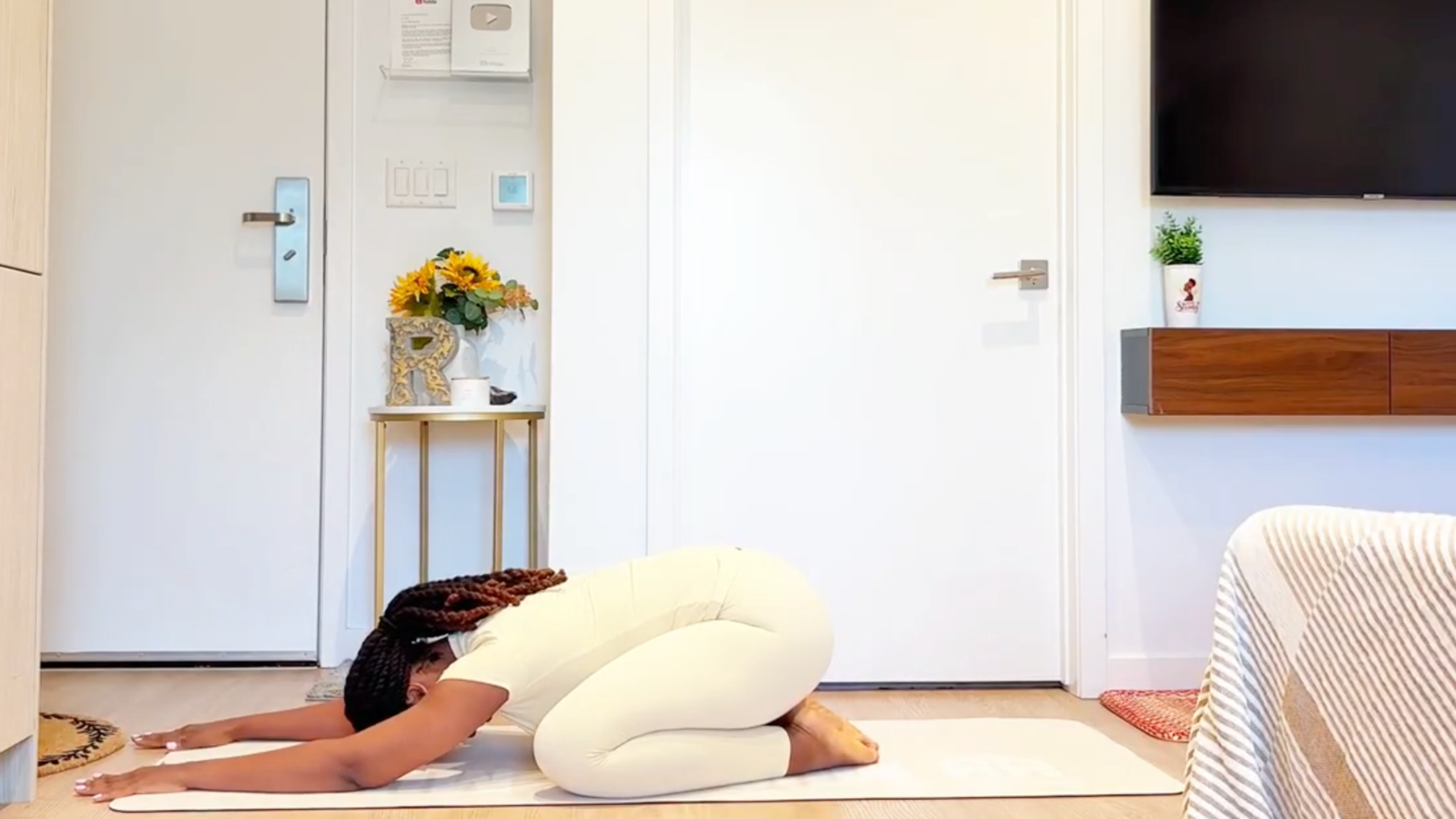
Designed specifically for individuals operating under severe time constraints, a structured eight-step movement sequence curated by yoga instructor Ramoni Overton offers a systematic approach to morning mobility. The sequence is arranged logically, transitioning the body progressively from low-to-the-ground restorative postures to active inversions, and finally concluding with seated centering movements.
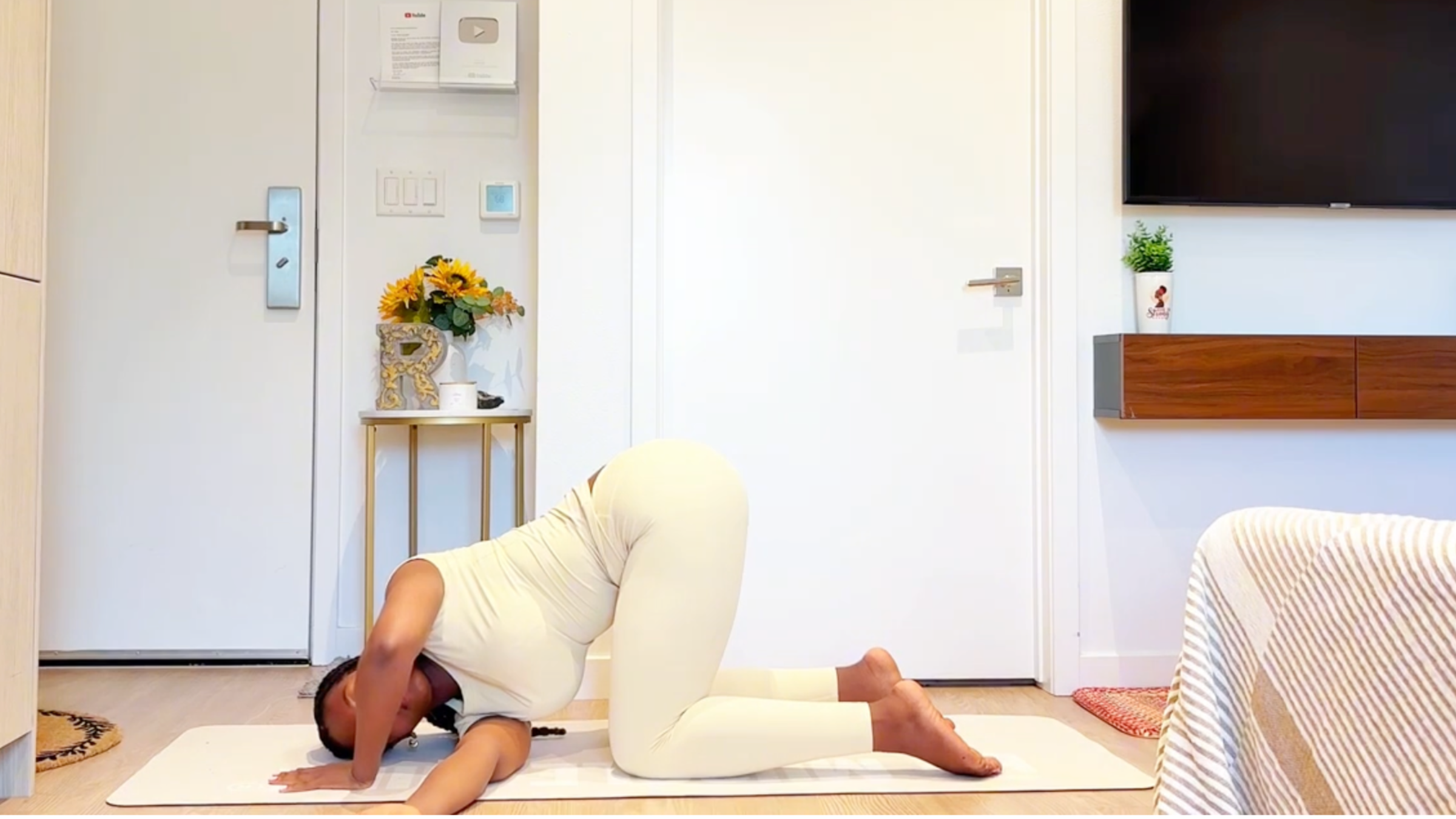
The progression begins with Child’s Pose, a foundational resting posture. By starting on hands and knees, drawing the hips back toward the heels, and lowering the forehead to the mat or a block, the practitioner initiates a sense of physical containment and introspection. This posture gently decompresses the lower back and shoulders while inviting the practitioner to anchor their attention to the sensation of breath against the floor.
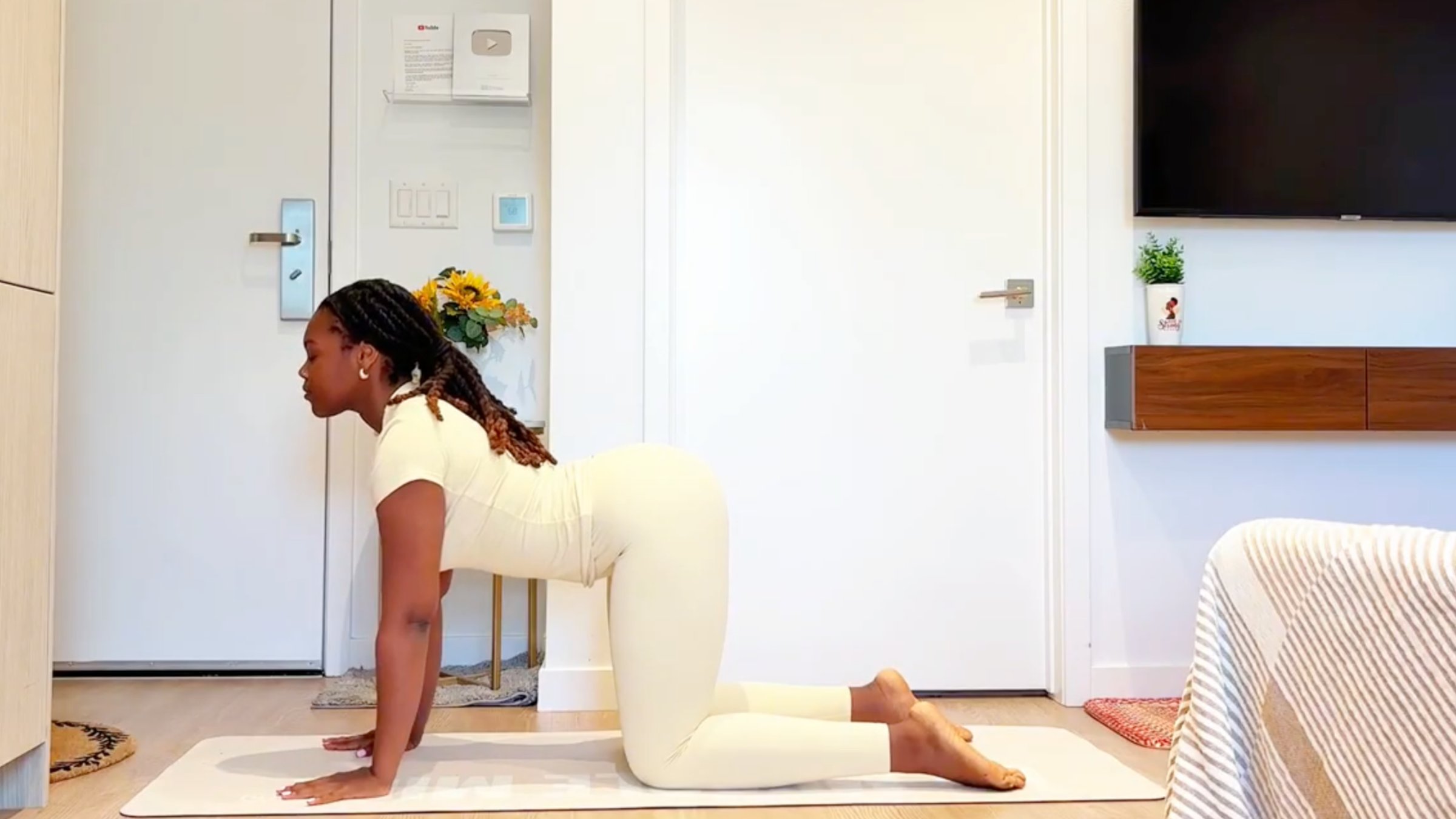
Transitioning fluidly from Child’s Pose, the sequence moves into Cat-Cow, a dynamic spinal articulation exercise. Executed on hands and knees, alternating between arching the back and lifting the chin in Cow Pose, and subsequently rounding the spine and drawing the chin toward the chest in Cat Pose, this movement lubricates the vertebrae and stimulates the central nervous system. Chronologically, this step is vital for waking up the torso after hours of static sleeping postures.
The third phase introduces Thread the Needle, an asymmetric stretch that targets the thoracic spine and shoulders. By reaching one arm toward the ceiling and subsequently threading it underneath the chest, resting the shoulder and the side of the head on the mat, the practitioner addresses the upper-body tension frequently exacerbated by desk work and screen time. Repeating this movement on both sides ensures bilateral muscular balance.
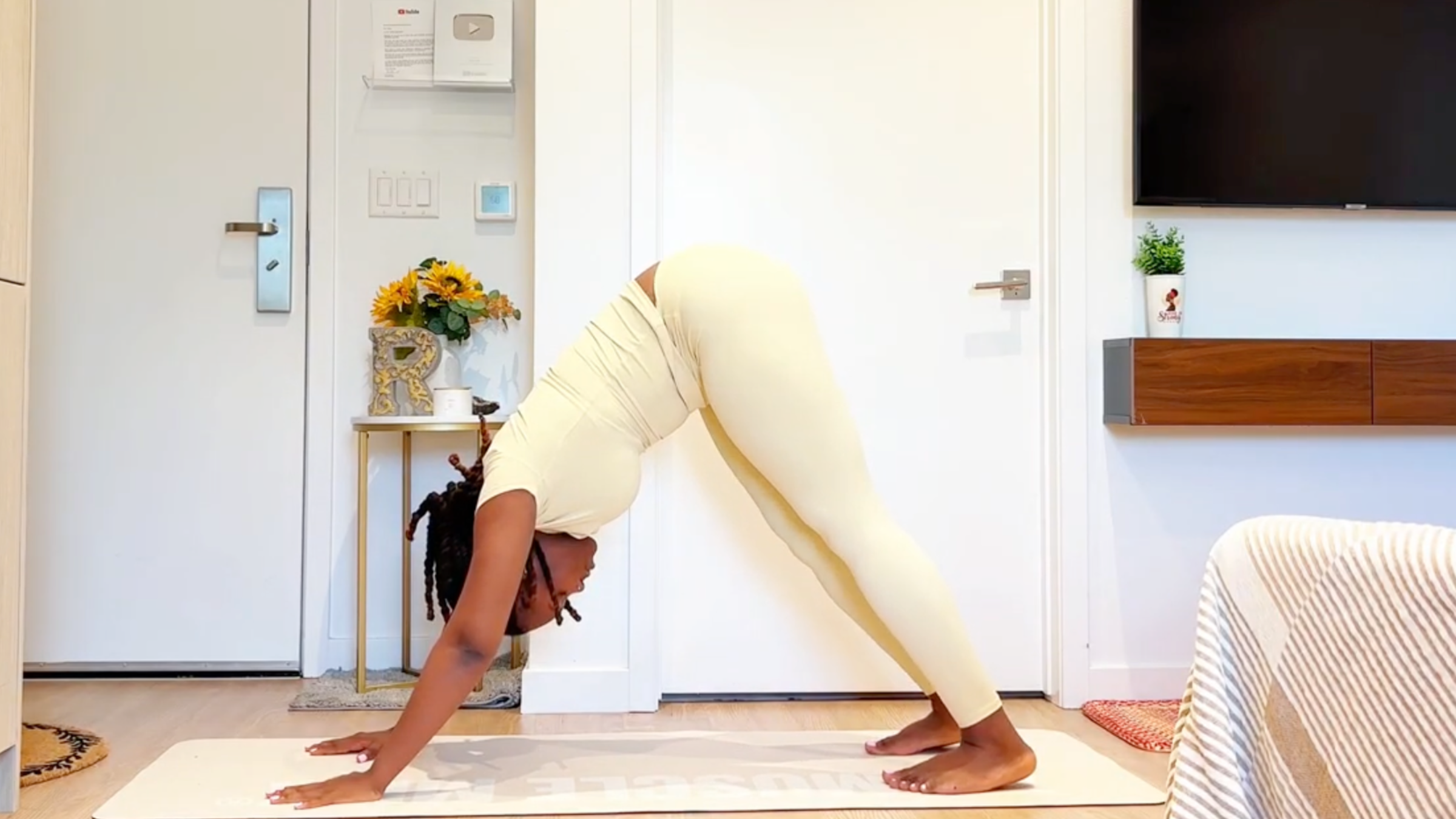
As the sequence progresses past the floor-based warm-up, it elevates into Downward-Facing Dog. Pressing the hands into the mat and lifting the knees and hips creates an inverted V-shape that elongates the hamstrings, strengthens the upper body, and mildly increases cerebral blood flow, further countering morning lethargy.
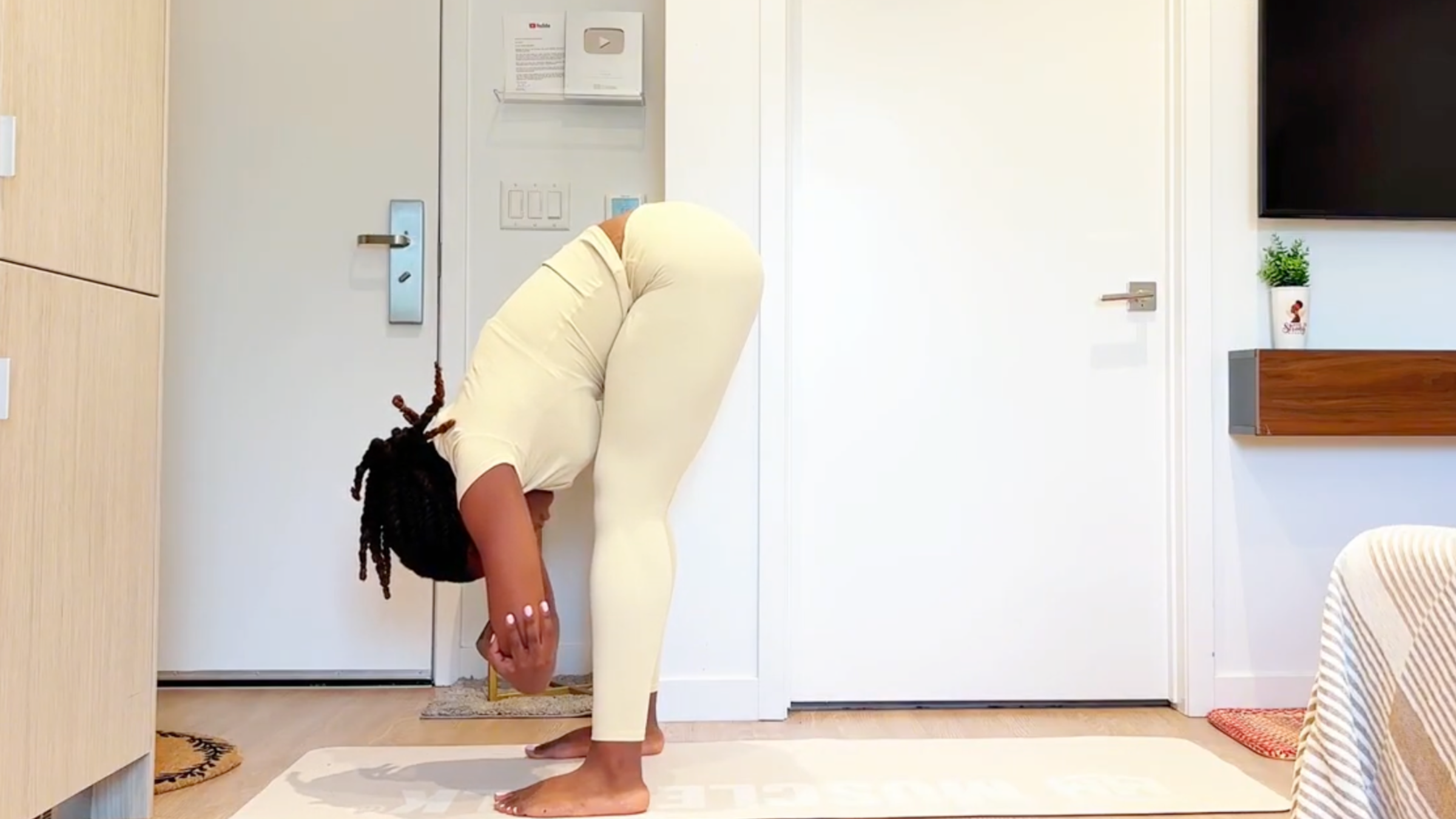
Moving smoothly toward a standing position, the sequence incorporates Rag Doll. By walking the feet toward the hands, relaxing the upper body, allowing the head to hang heavily, and loosely grasping opposite elbows, the practitioner utilizes gravity to decompress the cervical and lumbar spine.
The sequence then descends into a deep Squat, also known in traditional practice as Garland Pose (Malasana). By positioning the feet wider than hip-width apart, lowering the hips toward the heels, and bringing the hands to the anjali mudra prayer position at the chest while gently pressing the elbows against the inner thighs, the practitioner opens the hips, stretches the Achilles tendons, and grounds their center of gravity.
Finally, the practice transitions back to the floor for a Cross-Legged Forward Fold and a concluding Baby Backbend. Seated comfortably, walking the hands forward allows the neck and chest to release completely over crossed legs, encouraging inward reflection. The sequence concludes with a Baby Backbend, where arms are raised, elbows are bent into a cactus shape, and the chest is gently lifted forward while the chin rises, echoing the open posture of Cow Pose before drawing the hands back to the heart space in a gesture of closure and intention-setting.
Broader Societal Implications and the Rise of Micro-Wellness
The growing popularity of five-minute wellness routines reflects a broader cultural shift in how individuals approach health maintenance in the twenty-first century. As work-life boundaries blur and daily schedules become increasingly saturated, traditional models of health—which often demand significant blocks of time for gym sessions, extended meditation, or elaborate self-care rituals—are proving unsustainable for many working professionals.
Public health analysts and workplace wellness consultants have noted a corresponding rise in "micro-interventions"—short, highly targeted behavioral adjustments that yield disproportionate psychological and physical returns. By lowering the barrier to entry, these practices democratize wellness, making stress-mitigation tools accessible to populations that might otherwise forego physical activity due to perceived time scarcity.
Moreover, the integration of somatic practices into the early morning hours aligns with contemporary findings in occupational psychology. Companies and wellness advocates increasingly recognize that employee burnout is frequently exacerbated by fragmented attention and a lack of psychological boundaries between personal rest and professional demands. Interventions that prioritize self-regulation before external engagement help fortify individuals against the cognitive fatigue associated with constant digital connectivity.
Future Outlook on Morning Routines and Mental Hygiene
As clinical research continues to validate the benefits of brief, intentional movement practices, the commercial and educational landscape surrounding wellness is expected to adapt further. The emphasis is shifting away from rigorous, intimidating fitness standards toward sustainable, intuitive movement that prioritizes how an individual feels over aesthetic or performance metrics.
For practitioners adopting the five-minute morning yoga flow, the ultimate objective is not the mastery of complex physical postures, but rather the cultivation of agency. By reclaiming the first five minutes of the day from the dictates of smartphones and external pressures, individuals establish a psychological anchor that remains resilient amid subsequent daily challenges. In an increasingly fast-paced world, this brief ritual offers a powerful reminder that control over one’s mindset often begins simply with how one chooses to inhabit the body upon waking.