The surge in popularity of Mexican-inspired cuisine has brought staple ingredients like chipotle peppers in adobo sauce from niche specialty shops into the heart of the modern American kitchen. As home cooks increasingly prioritize scratch-made condiments over processed alternatives, the demand for high-quality, versatile sauces—specifically those that offer a balance of smoke, heat, and creaminess—has reached an all-time high. This culinary movement highlights a shift toward ingredient-conscious preparation, where the control of spice levels and flavor profiles is placed firmly in the hands of the consumer.
The Anatomy of Chipotle Peppers in Adobo Sauce
At the core of this culinary trend is the chipotle pepper, a cornerstone of Mexican gastronomy. A chipotle is fundamentally a ripe red jalapeño that has undergone a rigorous process of smoking and drying. This preservation method, which dates back to pre-Columbian agricultural practices in Mesoamerica, imparts a deep, earthy flavor profile that distinguishes it from fresh or pickled varieties.
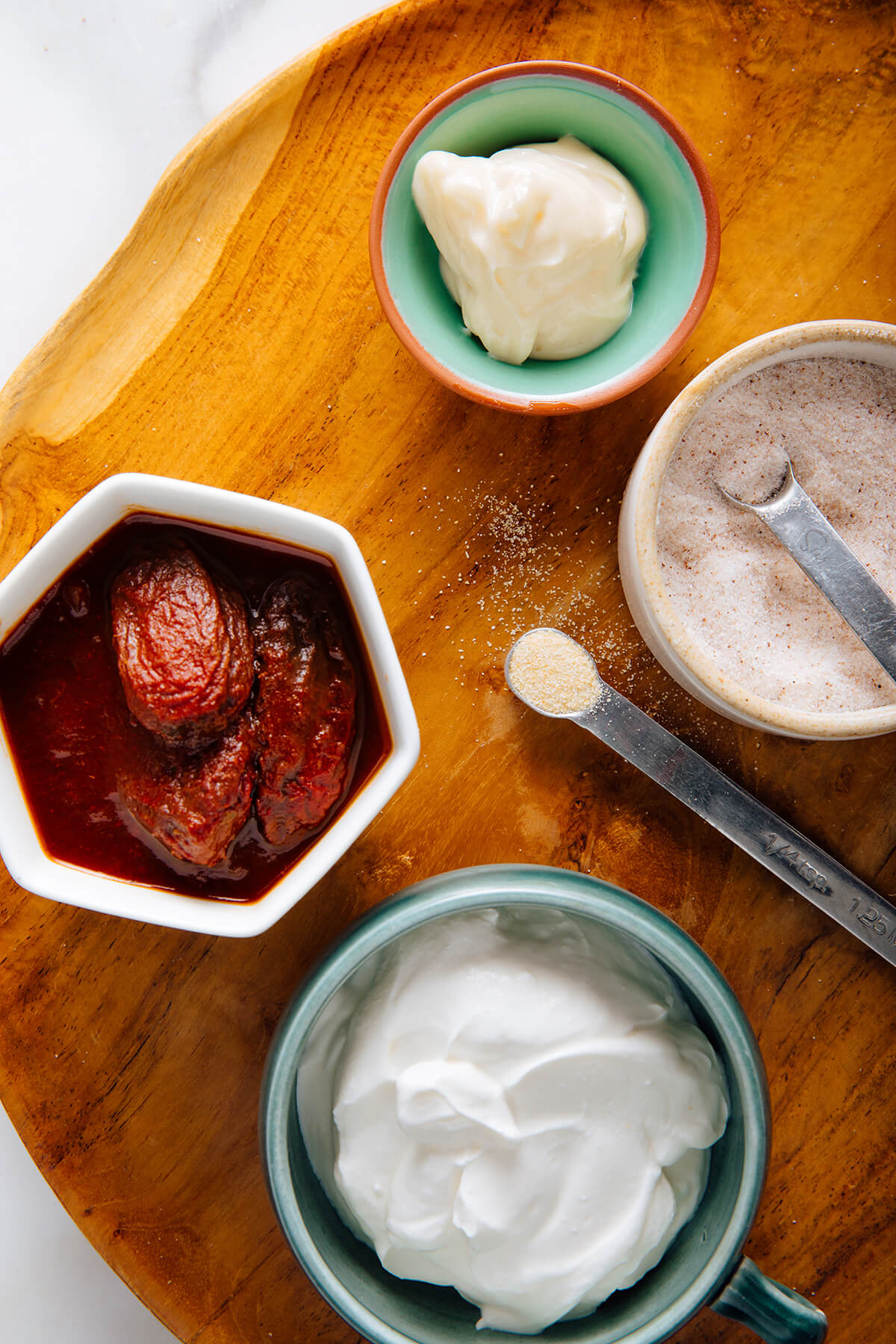
When these peppers are combined with adobo sauce—a tangy, savory mixture typically composed of vinegar, tomato paste, garlic, and various spices—they undergo a rehydration process that softens their texture and infuses the fruit with a complex, umami-rich character. Commercially available in canned form, these peppers have become a pantry staple for those looking to add depth to salsas, vegetarian chili, and various protein-heavy dishes. From a nutritional standpoint, chipotles contain capsaicin, a compound often cited in dietary studies for its potential to boost metabolic rate and provide anti-inflammatory benefits, though these effects remain a subject of ongoing nutritional research.
Culinary Methodology and Technical Preparation
The transformation of these peppers into a refined sauce requires a balance of technique. While industrial production often relies on stabilizers and artificial preservatives, the home preparation method emphasizes simplicity. The traditional base for a high-quality chipotle sauce typically involves a high-fat dairy component—most commonly sour cream or Greek yogurt—which serves to temper the intense heat of the capsicum.
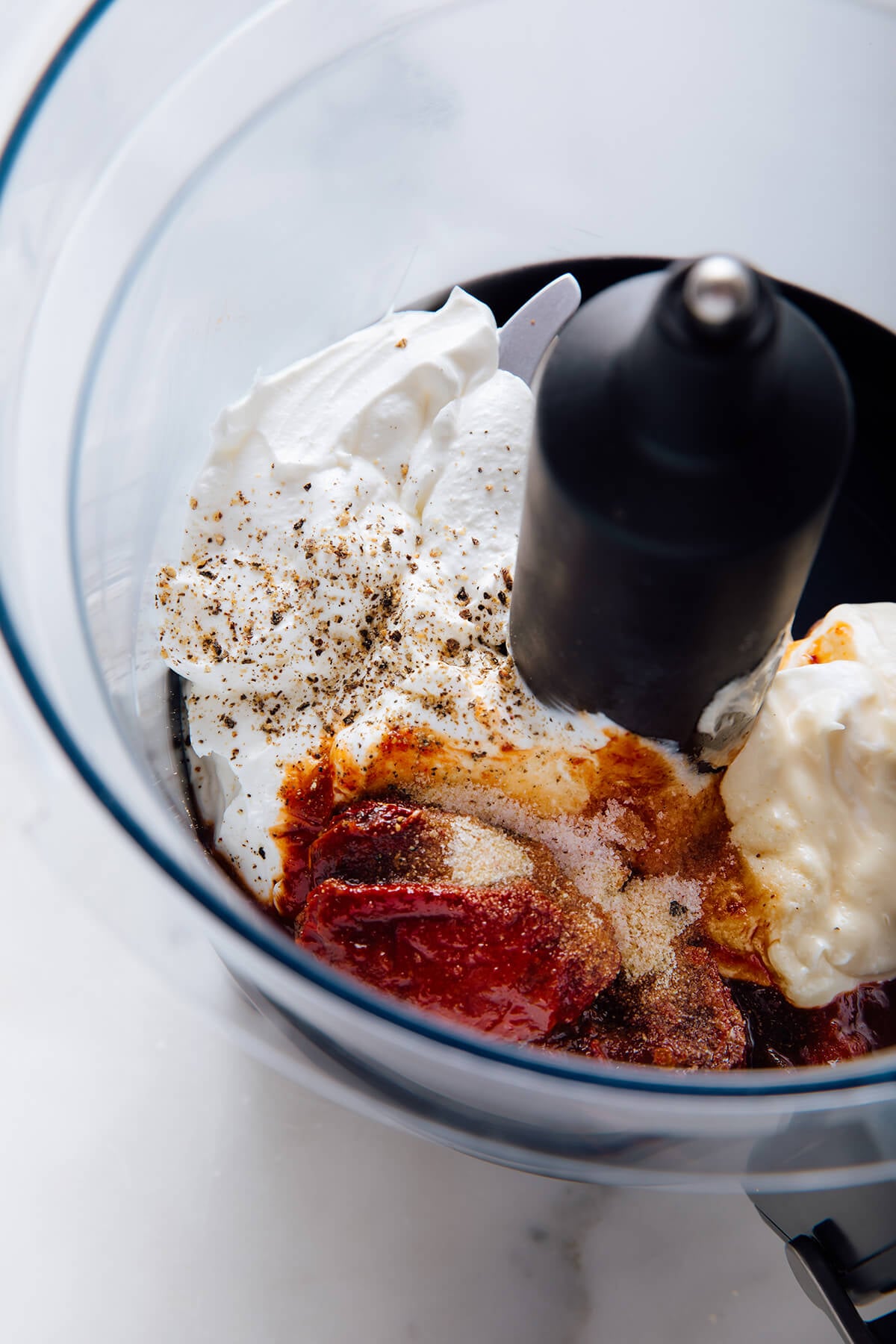
The process of homogenization is critical. Utilizing a food processor allows for the emulsification of the peppers into the creamy base, ensuring an even distribution of heat throughout the sauce. Alternatively, the use of an immersion blender provides a more targeted approach, minimizing waste and simplifying the cleanup process. For those seeking a rustic, textured condiment, manual preparation remains a viable, albeit labor-intensive, alternative. By fine-chopping the peppers, a cook can achieve a more pronounced flavor experience without the necessity of specialized blending equipment.
Evolution of the Condiment Market
Data from the past decade suggests a significant shift in consumer purchasing behavior regarding shelf-stable sauces. Market analysis indicates that consumers are moving away from traditional, mass-produced mayonnaise-based spreads in favor of products that offer "bold" or "global" flavor profiles. The rise of the "component-based" meal—often seen in the popularity of burrito bowls and taco bars—has necessitated a new generation of sauces that are thinner than traditional mayonnaise but thicker than standard hot sauce.
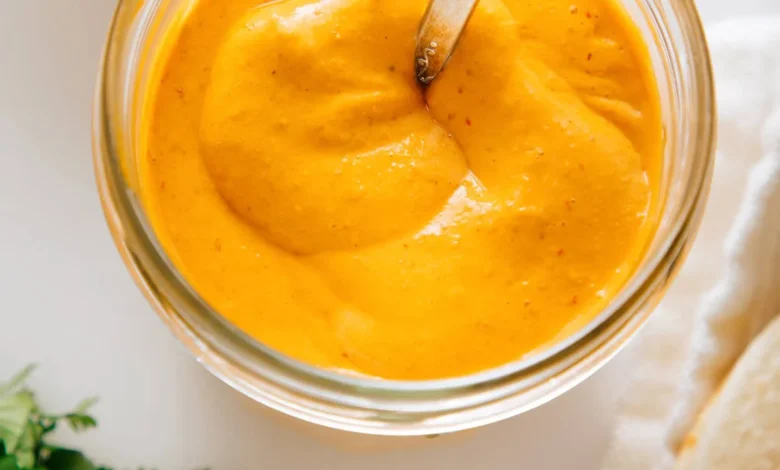
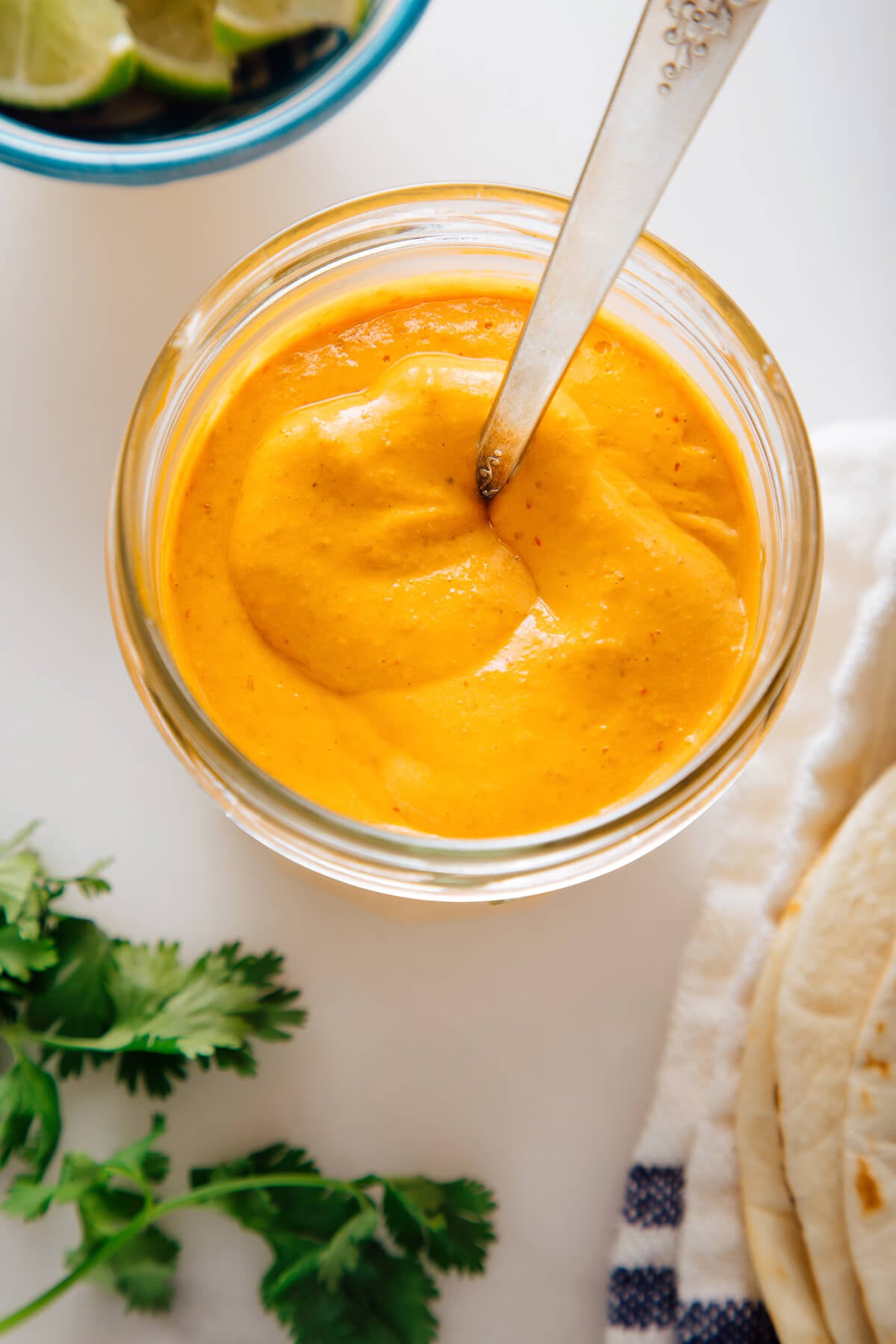
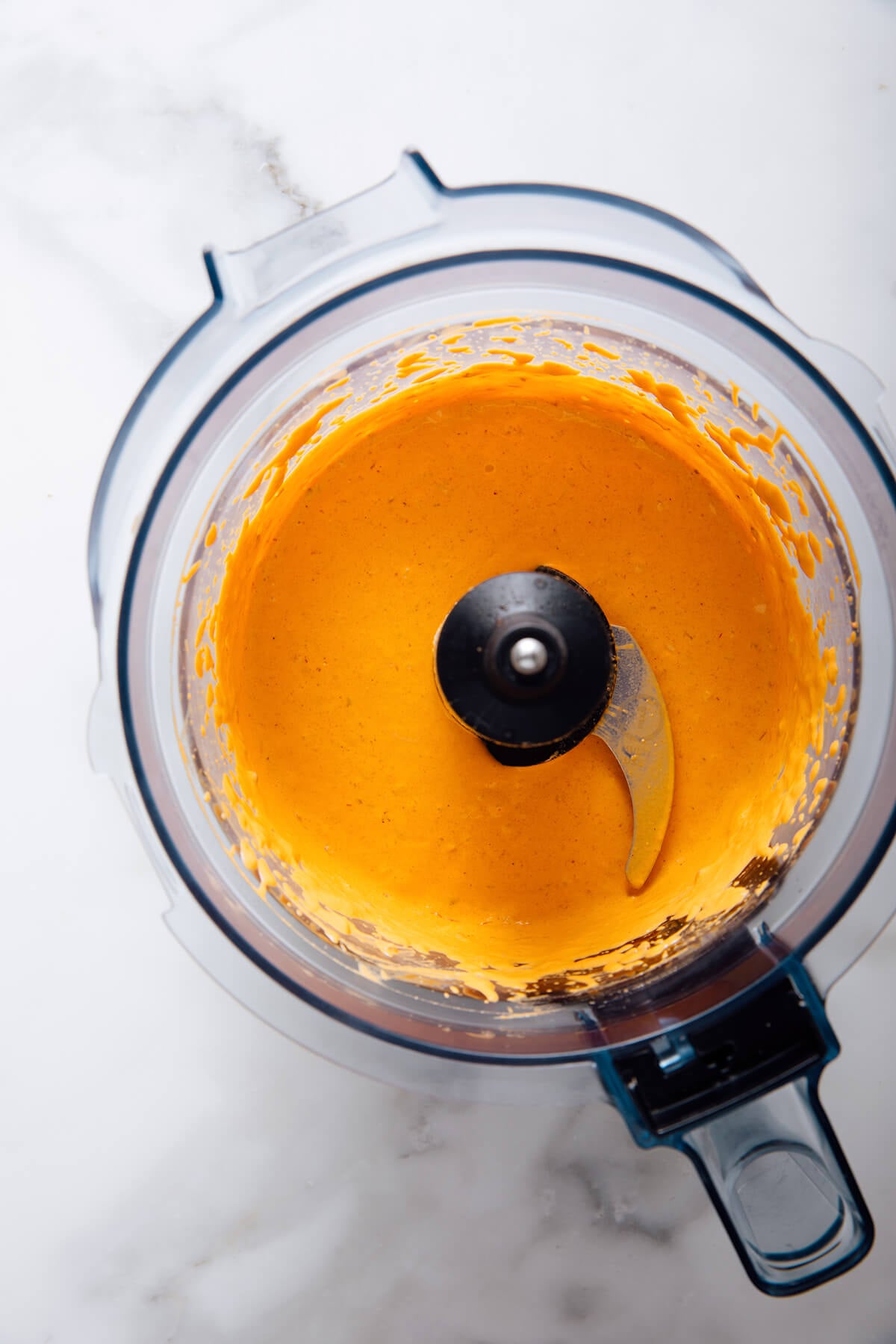
This specific, creamy chipotle sauce occupies a strategic middle ground. Its viscosity is engineered for controlled drizzling, allowing it to adhere to ingredients without overwhelming the structural integrity of the dish. This makes it an ideal candidate for professional food styling and home-meal preparation, contributing to its sustained popularity on social media platforms and digital culinary archives.
Comparative Analysis of Ingredients
The transition from standard store-bought chipotle mayonnaise to a house-made sauce is often driven by ingredient transparency. A typical retail chipotle condiment may contain preservatives such as calcium disodium EDTA or excessive amounts of soybean oil. In contrast, the DIY approach allows for the following nutritional and quality adjustments:
- Base Selection: The use of Greek yogurt as a substitute for sour cream introduces a higher protein content and a lower fat profile, catering to health-conscious demographics.
- Spice Calibration: By utilizing a range of chipotle quantities—starting with a conservative amount and adjusting to taste—the cook achieves a personalized spice profile that is rarely possible with standardized retail products.
- Texture Control: The incorporation of a small amount of high-quality mayonnaise provides a "silky" mouthfeel that stabilizes the emulsion, preventing the separation often seen in yogurt-only sauces.
Storage and Long-Term Stability
One of the logistical hurdles of working with canned chipotle peppers is the management of leftover inventory. A standard can often exceeds the amount needed for a single batch of sauce. Culinary experts recommend a systematic approach to preservation:
- Refrigeration: The adobo sauce and peppers can be stored in a sealed glass container for several weeks. Glass is preferred over plastic to prevent the absorption of the strong, smoky aromas.
- Cryogenic Preservation: For long-term viability, transferring the remaining contents into a freezer-safe bag and flattening it before freezing allows for the easy extraction of individual portions. This method remains effective for up to six months without significant degradation of flavor.
Broader Implications in Contemporary Gastronomy
The democratization of professional-grade sauce techniques marks a broader trend in home cooking. As information becomes more accessible, the barrier to entry for mastering complex, restaurant-quality condiments has lowered. This has fostered an environment where the "at-home chef" is capable of executing dishes that were once restricted to the professional restaurant kitchen.
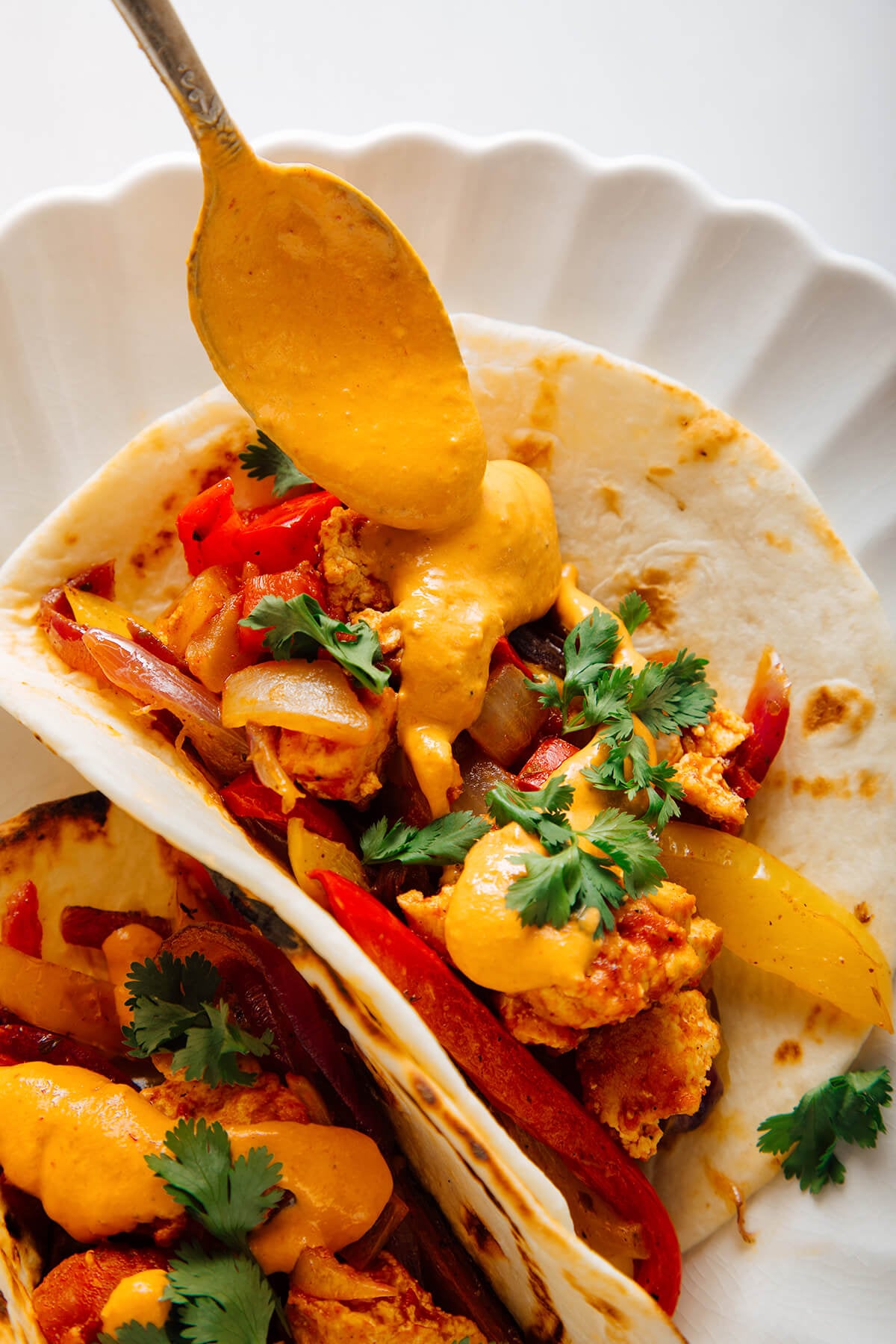
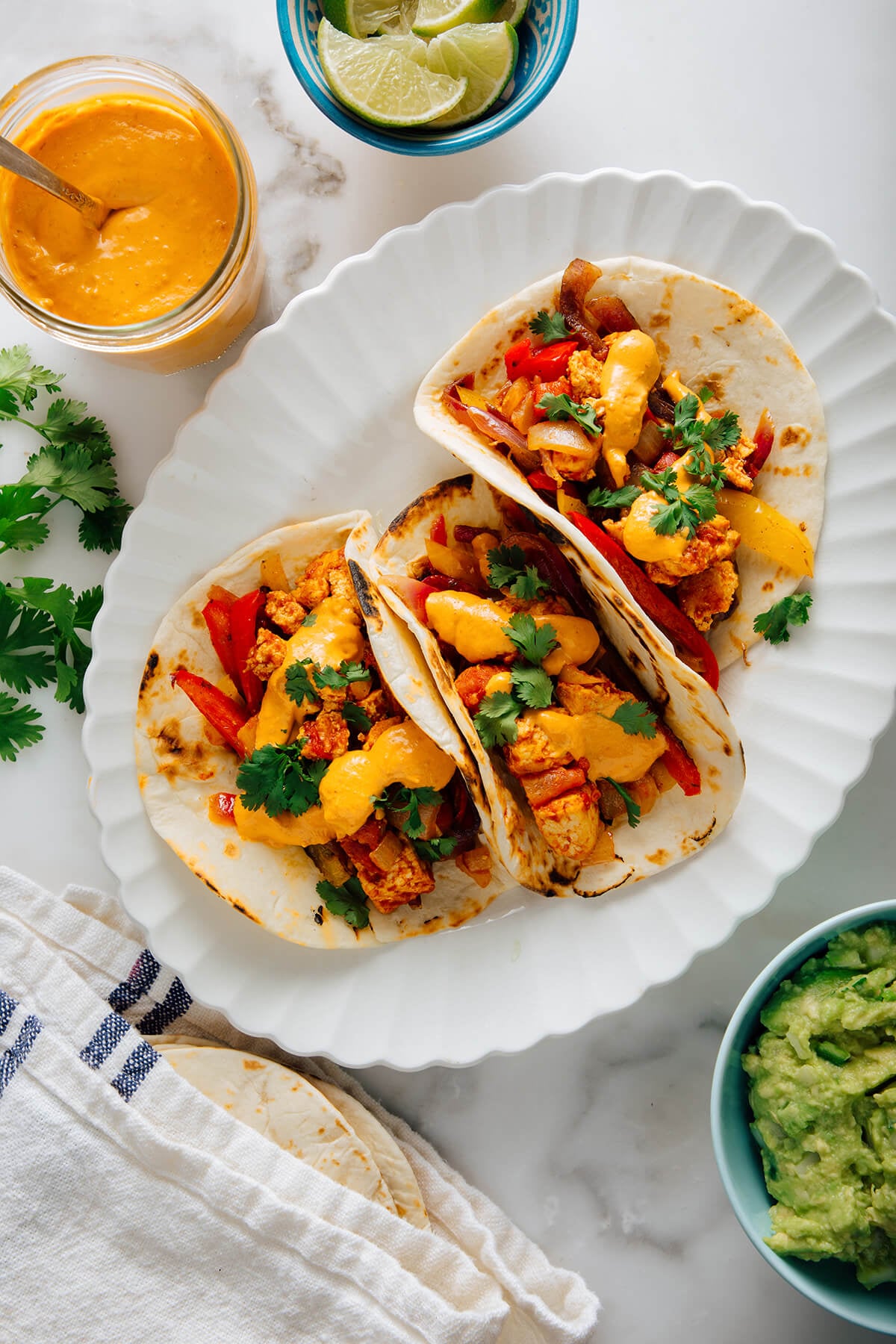
Industry observers note that the success of these types of recipes often hinges on their versatility. A well-executed chipotle sauce functions as a bridge between categories; it is equally at home in a vegetarian taco as it is atop a protein-heavy burrito bowl or as an accompaniment to roasted root vegetables. This adaptability is key to the sauce’s endurance in the modern culinary canon.
Safety and Nutritional Considerations
While the preparation of this sauce is straightforward, users should be mindful of the potency of the adobo sauce. The capsaicin concentration can vary significantly between brands, and direct contact with the eyes or mucous membranes during preparation should be strictly avoided. Furthermore, for those with dietary restrictions, the recipe is inherently flexible. Vegan-friendly variations, utilizing plant-based sour cream or mayonnaise, have been tested and verified to yield similar textural results, demonstrating the sauce’s compatibility with diverse dietary lifestyles.
Conclusion
The resurgence of the creamy chipotle sauce is more than a passing trend; it is a testament to the modern cook’s desire for control, quality, and flavor complexity. By understanding the chemical properties of the chipotle pepper, the mechanics of emulsion, and the necessity of proper ingredient storage, home cooks can elevate their daily meals. As this trend continues to evolve, the focus will likely remain on the refinement of these essential components, further bridging the gap between professional culinary standards and the home kitchen environment. Through careful preparation and an appreciation for traditional ingredients, the humble chipotle pepper remains one of the most effective tools for adding depth and intrigue to the contemporary diet.