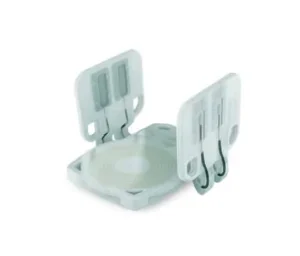
A new FDA-cleared pulse oximetry system features multiple sensor options to suit various clinical environments.

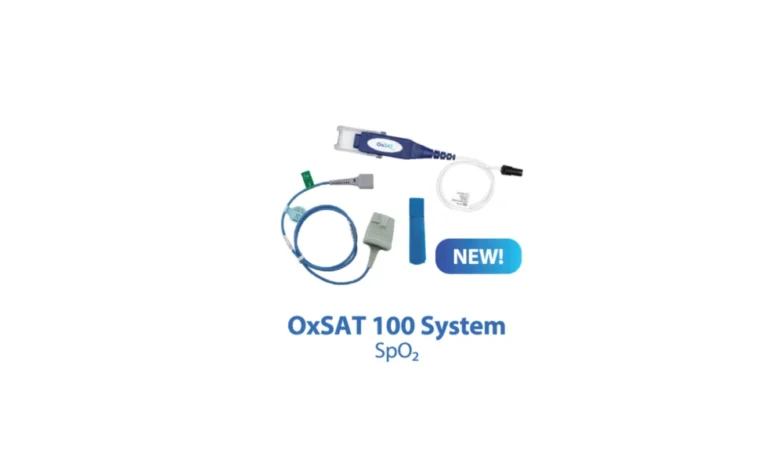
The landscape of sleep medicine and diagnostic technology has undergone a significant shift with the introduction of the OxSAT 100 System, a versatile pulse oximetry solution developed by SLP under the SleepSense brand. Recently granted clearance by the United States Food and Drug Administration (FDA), this diagnostic tool represents a strategic effort to provide sleep laboratories and clinical environments with enhanced flexibility in patient monitoring. As the industry moves toward more integrated, high-precision diagnostics, the arrival of the OxSAT 100 offers a new pathway for clinicians to manage oxygen saturation (SpO2) data collection across a variety of hardware platforms.
The Evolution of Pulse Oximetry in Sleep Diagnostics
Pulse oximetry has long been a cornerstone of sleep medicine. Since the development of the first commercial pulse oximeters in the late 1970s and early 1980s, the technology has evolved from bulky, hospital-based equipment to sophisticated, miniaturized modules capable of continuous, overnight data acquisition. The primary function—non-invasive measurement of arterial oxygen saturation—is critical for diagnosing conditions such as Obstructive Sleep Apnea (OSA), Central Sleep Apnea, and various nocturnal hypoventilation disorders.
The OxSAT 100 System enters a market that is increasingly demanding seamless integration between different hardware components. In many diagnostic sleep centers, the challenge has historically been the lack of compatibility between proprietary sensors and the various polygraphy or polysomnography (PSG) recording systems. By launching a module that emphasizes multi-sensor compatibility, SLP is addressing a long-standing pain point for sleep technicians who frequently manage diverse fleets of diagnostic equipment.
Compatibility and Strategic Rollout
At the time of its release, the OxSAT 100 System has been optimized for immediate integration with two of the most widely used devices in the sector: the Philips Alice 6 diagnostic system and the ResMed ApneaLink Air. These platforms represent a significant portion of the home sleep testing and in-lab diagnostic market.
The company has outlined a phased rollout strategy for its hardware compatibility. According to the release schedule, a version of the OxSAT 100 specifically engineered for the Philips Alice NightOne—a popular device for home sleep apnea testing—is expected to be available within the coming months. This incremental approach suggests a deliberate effort to ensure that each iteration of the system meets the specific electrical and data-transmission requirements of the target host device, thereby minimizing the risk of signal interference or data loss during critical testing windows.
Technical Specifications and Sensor Versatility
The core utility of the OxSAT 100 lies in its sensor ecosystem. Clinical environments vary wildly in their requirements; for instance, a permanent sleep lab in a hospital setting may prioritize the durability and cost-effectiveness of reusable sensors, while home sleep testing providers may prefer the hygiene and convenience of disposable options.
The OxSAT 100 system supports three primary sensor categories:
- OxSAT Disposable Wrap Sensors: Designed for single-patient use, these sensors are ideal for infection control protocols and are often preferred in clinical settings where cross-contamination is a primary concern. Their design allows for a secure fit, reducing movement artifacts that can often plague overnight recordings.
- OxSAT Reusable Soft Tip Sensors: These sensors are engineered for longevity and are typically constructed from high-grade, biocompatible silicone. They offer a balance between patient comfort and long-term sustainability, making them a staple for in-lab studies where multiple patients are monitored over a short duration.
- OxSAT Y Sensor System: The "Y" or universal sensor design provides the highest level of versatility, as it can be applied to various anatomical sites, such as the earlobe or different finger sizes. This is particularly useful for pediatric patients or adults with physiological conditions that make traditional fingertip placement difficult.
By standardizing the interface through the OxSAT 100 module, SLP allows clinicians to swap these sensors based on the immediate needs of the patient without requiring a change in the primary monitoring software or hardware interface.
Official Perspectives on Clinical Implementation
The introduction of the system is viewed by industry leadership as a necessary expansion of the existing SleepSense catalog. Sarah Paddock, director of sales & marketing at SLP Inc, emphasized the importance of maintaining support for legacy systems while providing a pathway for technological modernization.
"SLP is proud to introduce the OxSAT 100 System, a new FDA-cleared pulse oximetry solution from SleepSense," Paddock stated. "We began with versions compatible with Alice 6 and ApneaLink Air to support the many labs that continue to rely on these systems. SLP will continue to enhance and expand this technology with additional versions for several other sleep diagnostic systems, providing sleep labs with more options to meet their evolving needs."
This statement highlights the "bridge" philosophy of the product—recognizing that diagnostic facilities are often constrained by the lifecycle of their expensive recording hardware and providing a modular solution that extends the utility of those platforms rather than forcing an expensive total system replacement.
Broader Implications for Sleep Medicine
The implications of the OxSAT 100’s FDA clearance extend beyond mere hardware compatibility. In the context of modern healthcare, the accuracy of SpO2 data is paramount. Oxygen desaturation indices (ODI) derived from pulse oximetry are primary metrics in the AASM (American Academy of Sleep Medicine) scoring guidelines. If a sensor or module fails to accurately track rapid desaturations or provides excessive signal noise, the risk of a false negative in a sleep study increases.
The clinical data submitted for FDA clearance suggests that the OxSAT 100 meets the rigorous standards for precision required in diagnostic-grade equipment. As telehealth and home-based diagnostics continue to grow in the post-pandemic era, the reliance on patient-applied sensors has increased. High-quality, user-friendly sensors—such as the soft-tip and wrap options provided in this system—are essential for ensuring that data collected in a home environment is comparable to data collected in a controlled laboratory.
Furthermore, the industry’s shift toward interoperability is a positive indicator for the future of sleep diagnostics. Historically, the field has been marked by "siloed" ecosystems where users were locked into a single manufacturer’s sensors, often leading to inflated costs and supply chain vulnerabilities. The move by companies like SLP to create modular, cross-compatible solutions may encourage a more competitive and cost-efficient market for sleep diagnostic consumables.
Analysis of Future Trends
As we look toward the future of sleep diagnostics, several trends are likely to influence the adoption of systems like the OxSAT 100. First is the continued emphasis on "Value-Based Care." Hospitals and private practices are under increasing pressure to demonstrate that their diagnostic procedures are not only accurate but also cost-efficient. By offering a range of sensors—from disposable to reusable—the OxSAT 100 allows clinics to tailor their spending based on their specific patient volume and budgetary constraints.
Second is the rise of Big Data in sleep medicine. As sleep labs move toward cloud-based storage and AI-assisted scoring, the consistency of the raw signal becomes more important than ever. High-fidelity hardware that can reliably capture oxygen saturation levels across multiple nights of home testing will provide the high-quality datasets necessary for AI algorithms to function effectively.
Finally, the regulatory landscape remains stringent. FDA clearance is not a static achievement; it requires ongoing post-market surveillance and adherence to quality management systems. The commitment of SLP to expand this system to other platforms, such as the Alice NightOne, indicates a long-term investment in the product line, which provides stability for healthcare providers who might otherwise be hesitant to adopt new monitoring hardware.
Conclusion
The release of the OxSAT 100 System marks a pragmatic advancement in the field of sleep diagnostics. By focusing on the intersection of compatibility, sensor variety, and clinical reliability, SLP is addressing the practical realities faced by modern sleep technologists and physicians. While the system begins its lifecycle with support for the industry-standard Alice 6 and ApneaLink Air platforms, its modular design and the promise of future expansions suggest that it will become a significant tool for labs looking to streamline their operations. As diagnostic requirements become more demanding and the need for high-quality data increases, the ability to choose the right sensor for the right patient—without sacrificing the integrity of the recording system—will remain a vital component of successful sleep medicine programs.
Related posts: