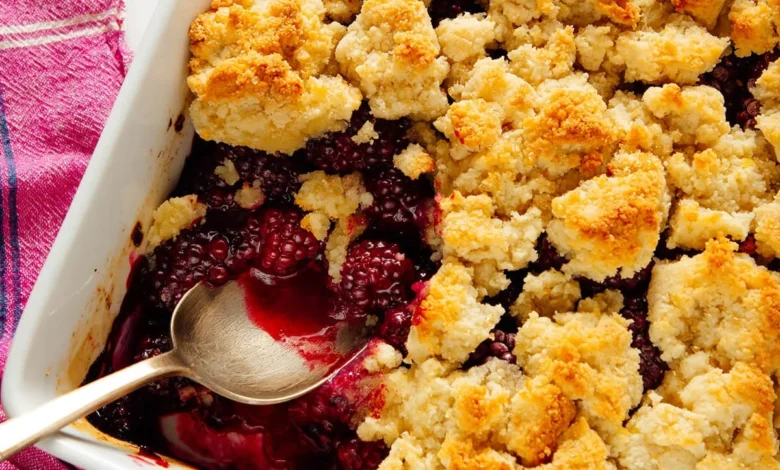
The rising popularity of alternative flours in domestic baking has reached a significant milestone with the widespread adoption of almond flour in traditional fruit-based desserts. Among these, the blackberry cobbler has emerged as a focal point for home chefs seeking to balance classic, jammy textures with modern, health-conscious dietary requirements. This shift represents a broader movement in the culinary arts toward nutrient-dense ingredients that mimic the structural integrity of conventional wheat flour while offering unique flavor profiles.
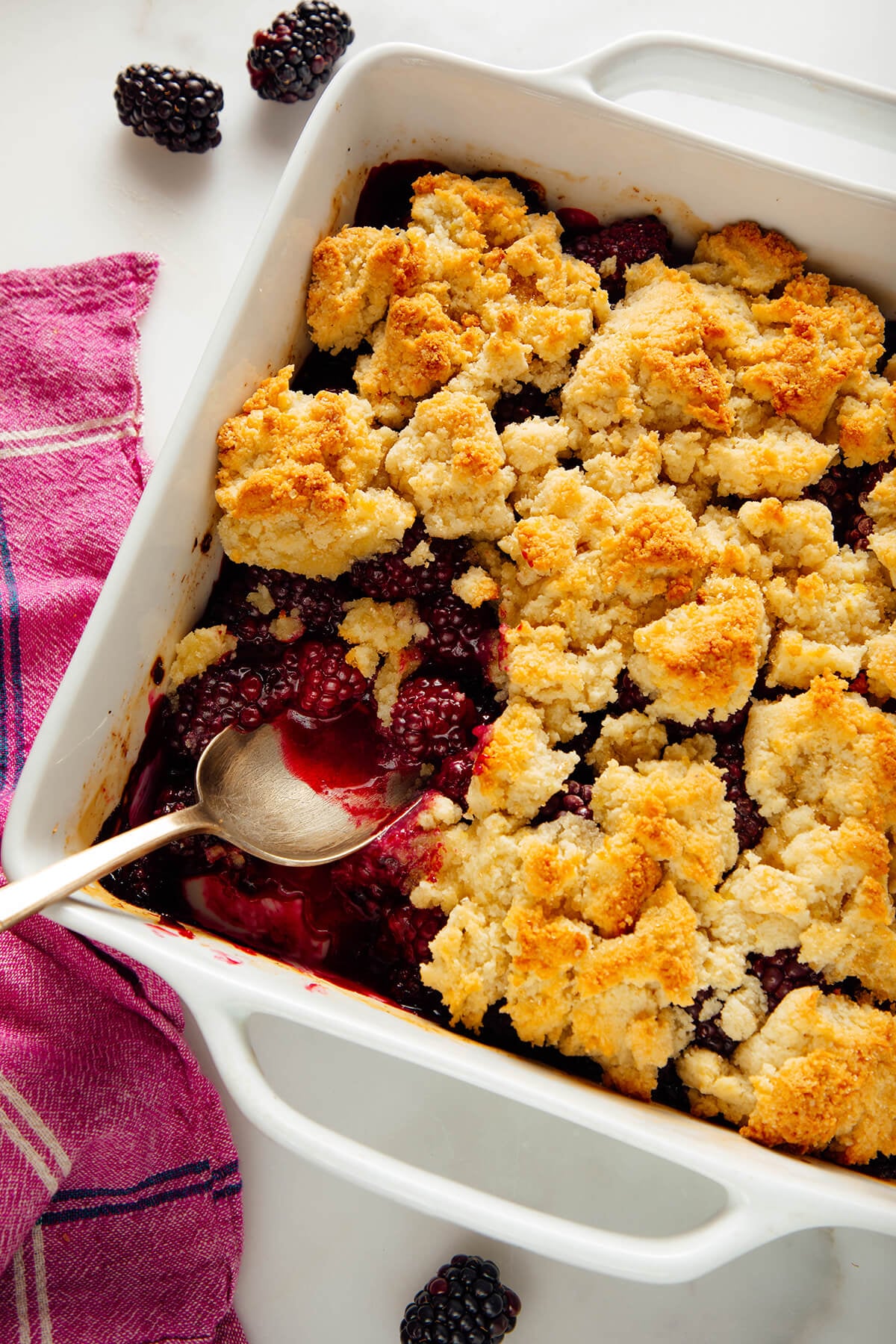
The Evolution of the Classic Cobbler
The cobbler, a staple of North American comfort food, traditionally consists of a fruit filling topped with a batter or biscuit crust. Historically, these desserts were born out of necessity, utilizing readily available seasonal fruit and simple pantry staples. While the standard wheat-based topping has been the industry benchmark for decades, the integration of almond flour—a ground-nut product—has introduced a new technical standard for home baking.
From a biochemical perspective, the transition to almond flour requires a departure from traditional gluten-development techniques. Unlike wheat, which relies on gluten proteins to provide elasticity and rise, almond flour lacks these structural components. Instead, it relies on the fat content and protein structure of the ground almonds to create a tender, scone-like crumb. The recent surge in recipes utilizing this method suggests a shift in consumer demand, particularly among the estimated 6% to 7% of the global population who suffer from gluten sensitivity or celiac disease.
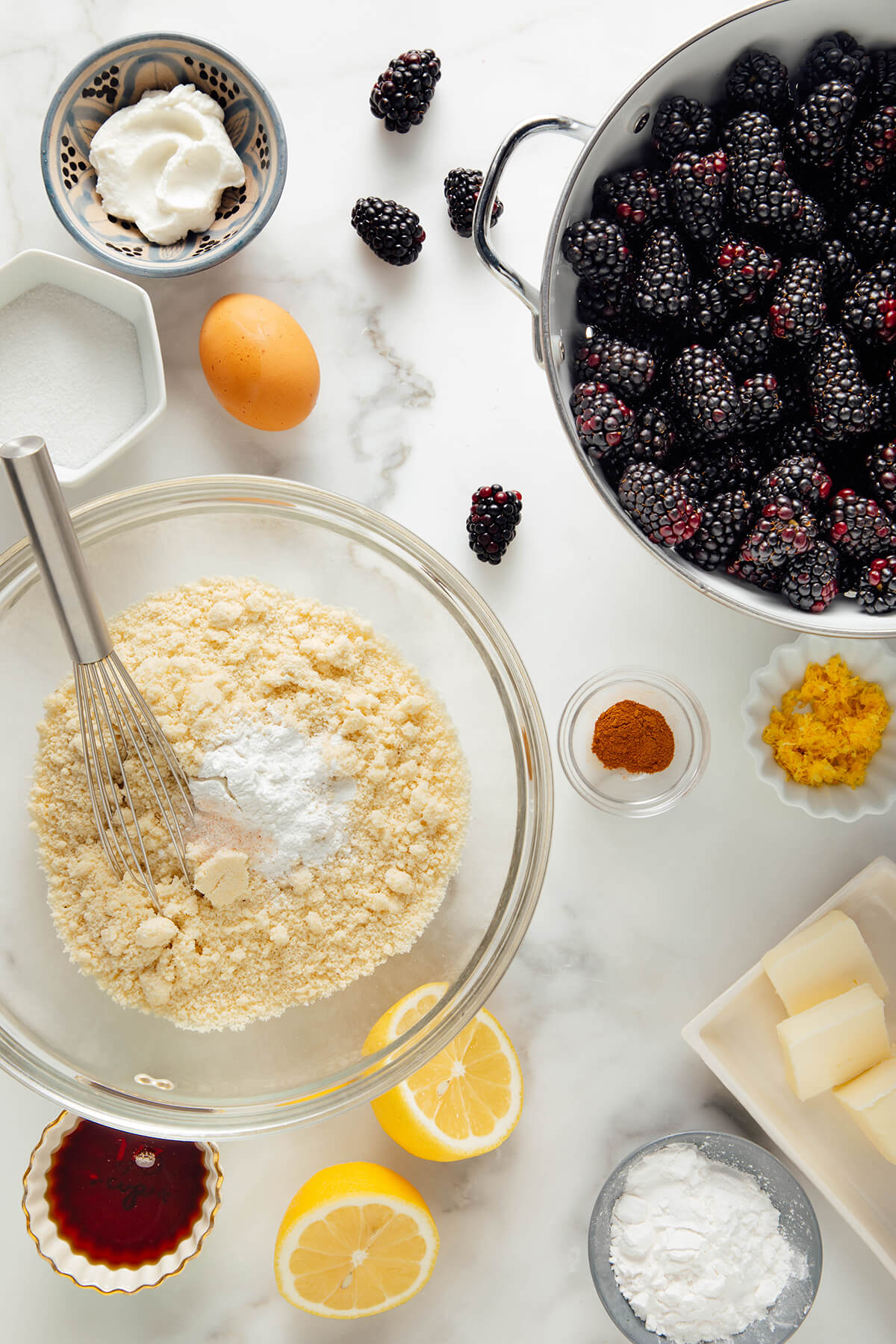
The Chemistry of the Berry Filling
The success of a high-quality blackberry cobbler hinges on the interaction between the fruit’s natural pectin and the oven’s thermal environment. Blackberries, particularly when subjected to high heat, undergo a chemical transformation that releases floral volatile compounds, significantly deepening the flavor profile.
Experts in food science note that the "jammy" quality desired in a cobbler is the result of the breakdown of cell walls within the fruit, which releases water and natural sugars. By introducing elements such as lemon zest and a hint of cinnamon, the dish achieves a complex balance of acidity and warmth. The addition of Greek yogurt to the topping—a common practice in contemporary adaptations—acts as a leavening agent and adds a subtle tang, effectively neutralizing the inherent sweetness of the berries.
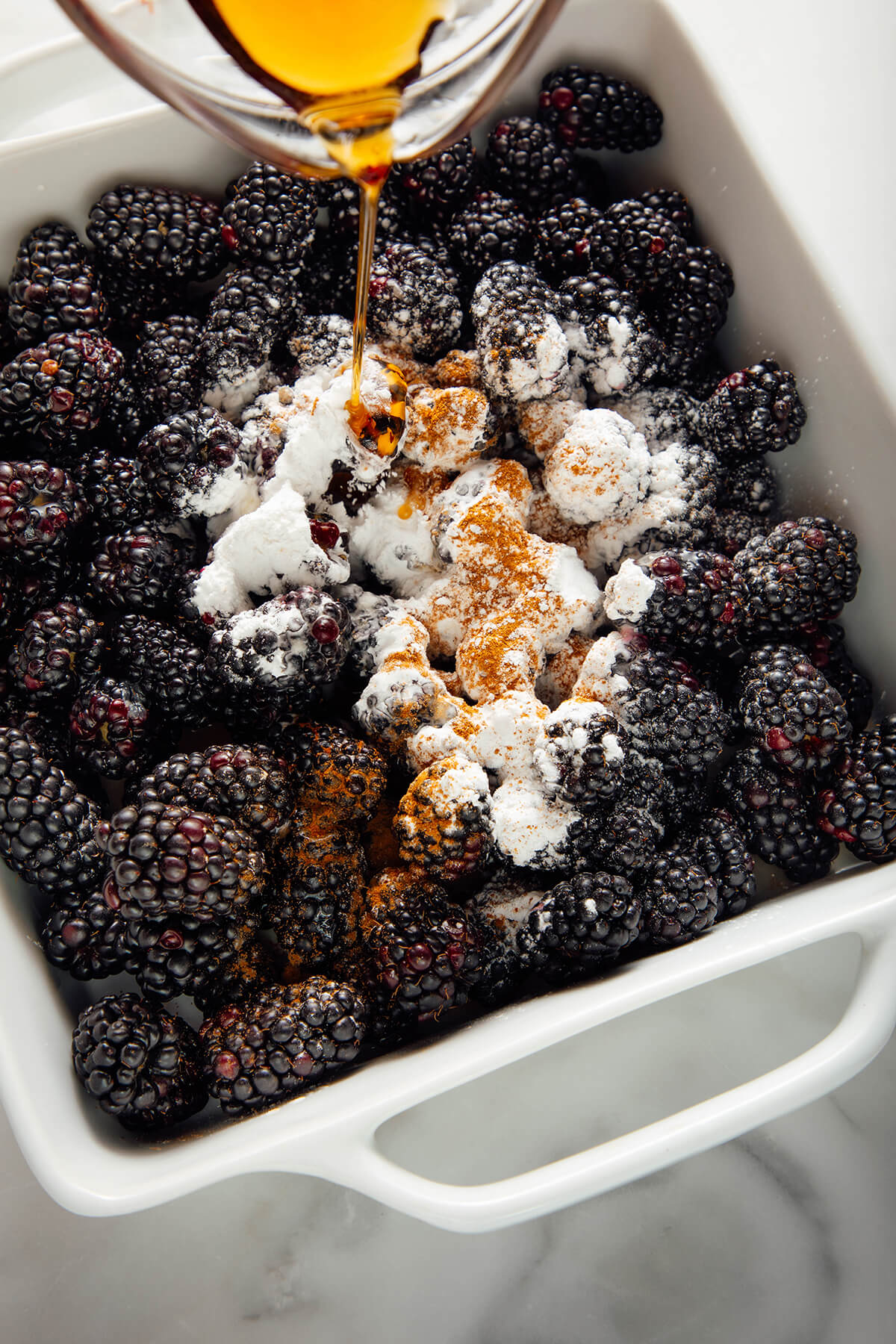
Chronology of Preparation and Technical Methodology
To achieve a professional-grade result, culinary experts recommend a two-stage baking process. This methodology is designed to address the discrepancy in the cook times of the fruit versus the topping.
- Phase One: The Maceration and Initial Bake. The blackberries are prepared with sweeteners—typically maple syrup or sugar—to draw out excess moisture. Placing the fruit in the oven independently allows the filling to reach the necessary temperature for the pectin to set, ensuring that the final product maintains its structural integrity when served.
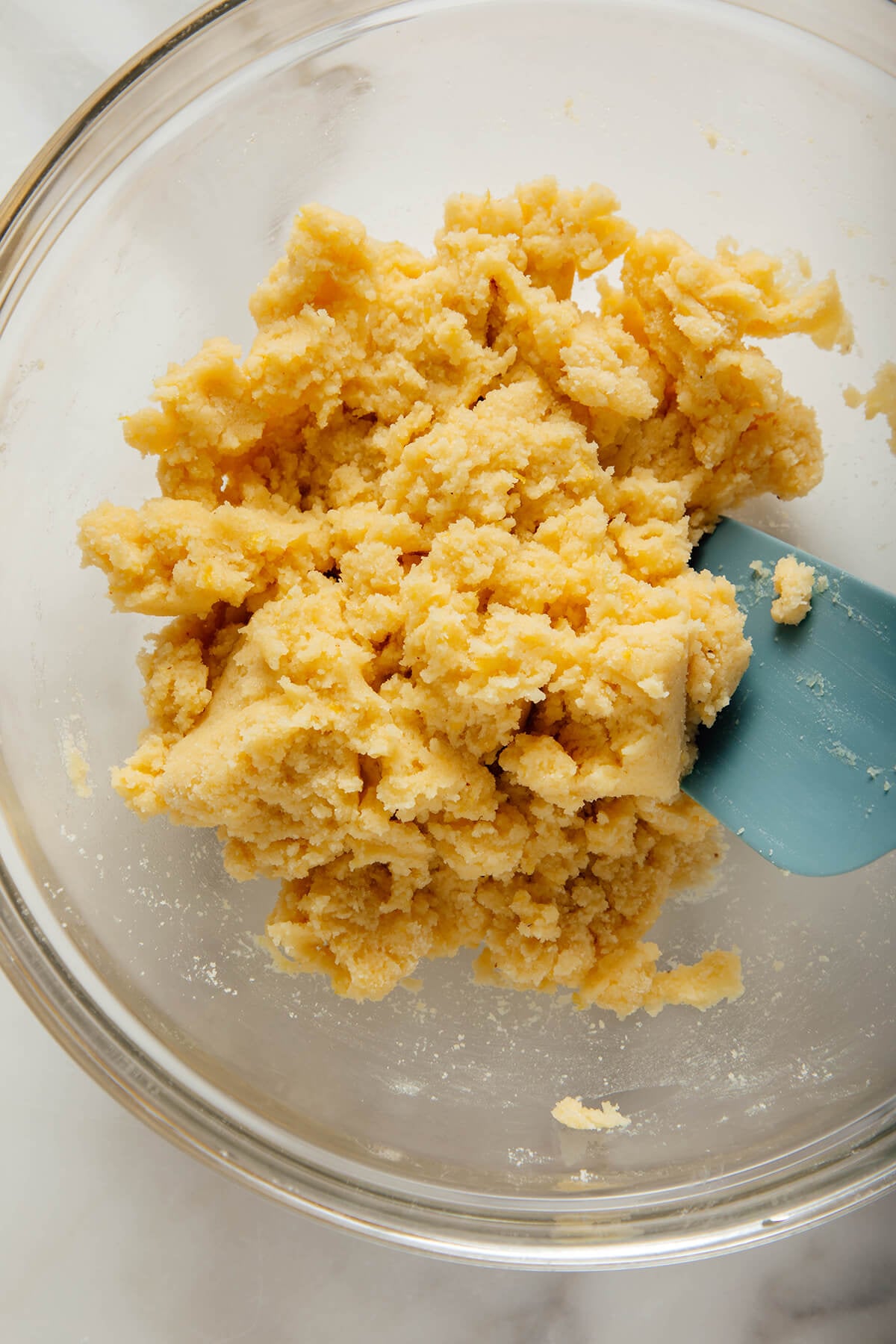
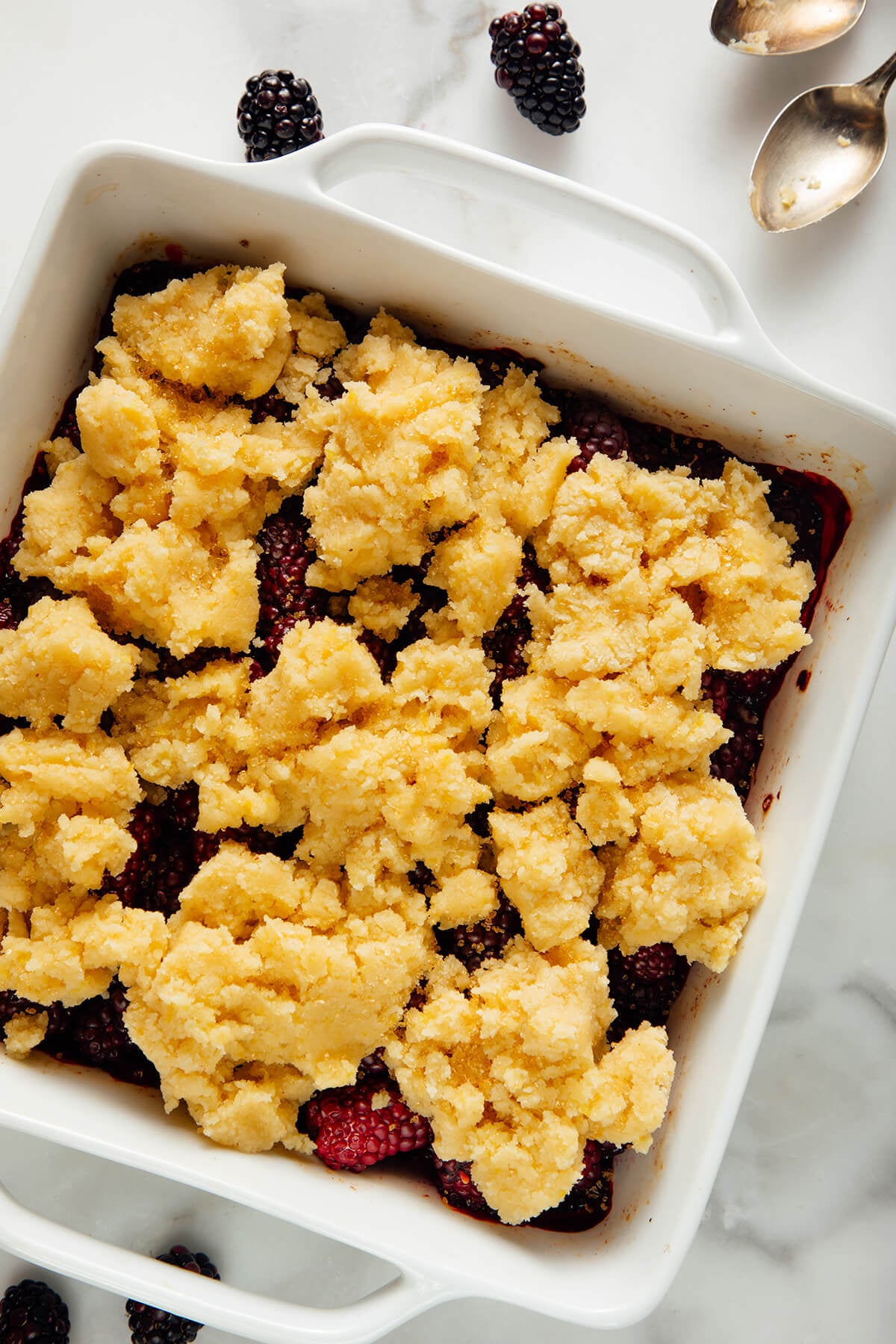
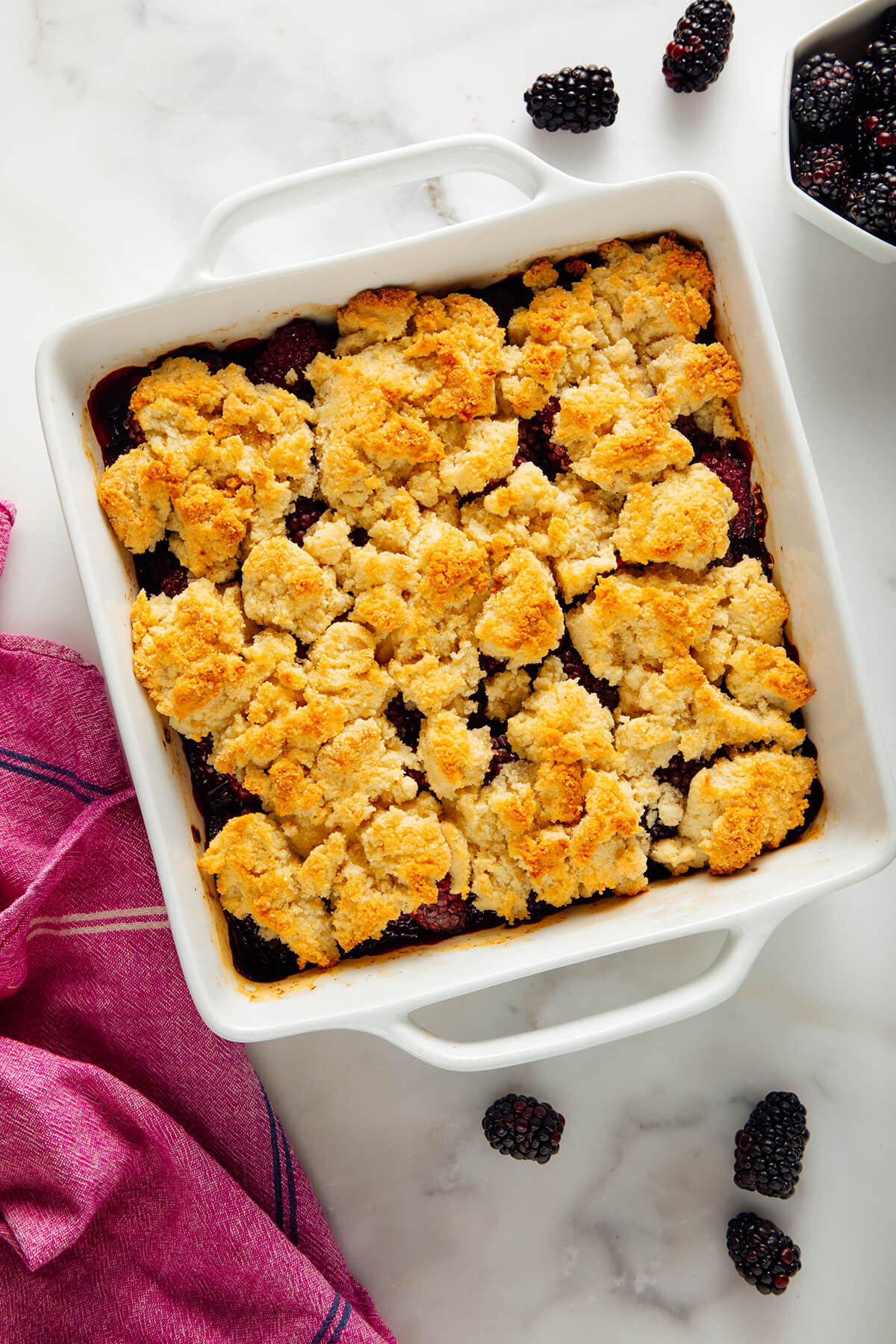
- Phase Two: The Topping Integration. Once the fruit has begun to bubble, the almond flour-based batter is applied. Because the almond-based topping is prone to browning rapidly due to its fat content, this stage requires precise monitoring. By baking the fruit first, the chef ensures that the topping reaches a golden, tender state without risking the burning of the almond oils.
This two-stage approach has been identified as a critical success factor in recipes developed by prominent home cooking influencers, who argue that the "all-in-one" baking method often results in a soggy crust or undercooked fruit.
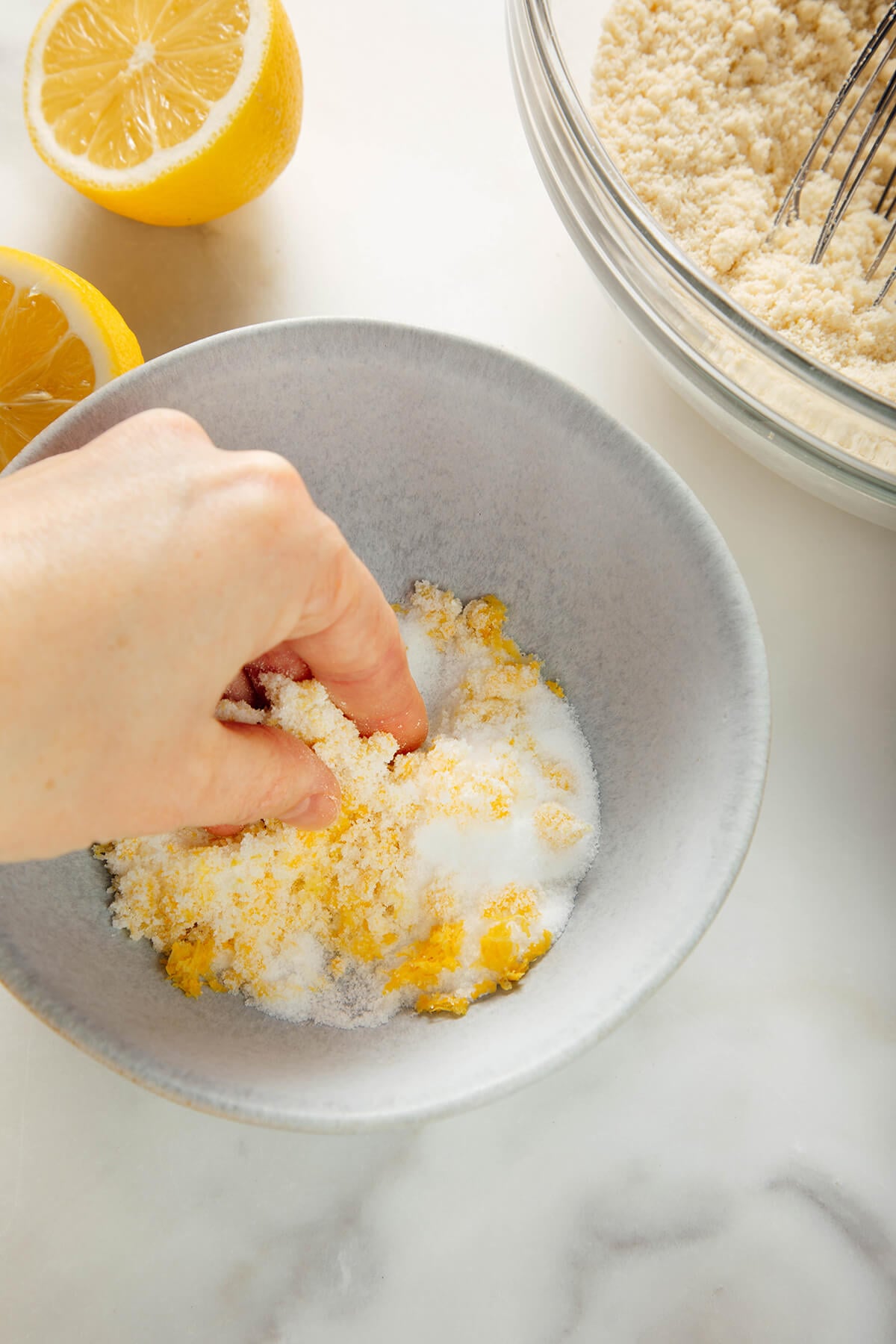
Supporting Data and Ingredient Trends
The move toward almond-based desserts is supported by data regarding the global almond flour market, which has seen a steady compound annual growth rate (CAGR) over the last five years. Consumers are increasingly prioritizing "clean label" ingredients, favoring nut flours over refined starches.
When comparing nutritional profiles, almond flour offers a higher concentration of monounsaturated fats, fiber, and protein compared to all-purpose white flour. While the calorie density remains relatively high, the glycemic index of an almond-flour-based dessert is generally lower, providing a more stable energy release for the consumer. These nutritional advantages have made the almond-flour blackberry cobbler a preferred option for those managing blood sugar levels or adhering to ketogenic or paleo dietary protocols.
Culinary Implications and Industry Response
The widespread publication of gluten-free recipes by established culinary platforms indicates a broader trend toward accessibility. When a traditional, well-loved dish like a blackberry cobbler is successfully reimagined without wheat, it lowers the barrier to entry for home cooks with restrictive diets.
Professional chefs and cookbook authors have noted that the success of such recipes relies heavily on the quality of the almond flour used. "Not all almond flours are created equal," notes culinary researcher Kathryne Taylor, emphasizing that super-fine, blanched almond flour is essential for achieving the light, tender crumb required for a dessert topping. This level of technical specification is becoming standard in modern recipe development, where the precision of the ingredients is treated with the same rigor as professional laboratory experiments.
Broader Socio-Economic Impact
The popularity of fruit-forward, gluten-free desserts also impacts agricultural demand. As recipes like the blackberry cobbler gain traction, the demand for high-quality, sustainably sourced berries and nut-based flours increases. This has positive implications for growers, though it also places pressure on supply chains to maintain quality standards during the off-season.
The use of frozen fruit, for instance, has been validated as a viable alternative to fresh berries, provided the thawing process is managed correctly. By allowing frozen berries to thaw in the refrigerator or gently warming them before the initial bake, the integrity of the fruit is maintained, ensuring that the final dish retains the aesthetic and gustatory quality of a seasonal preparation.
Conclusion: The Future of the Modern Cobbler
The blackberry cobbler serves as an excellent case study in how traditional culinary methods can be successfully adapted for contemporary needs. By leveraging the specific physical properties of almond flour and employing a precise, multi-stage baking technique, home cooks can achieve results that rival, or in some cases surpass, the texture and flavor of traditional wheat-based desserts.
As these practices continue to evolve, the distinction between "specialty diet" baking and "mainstream" baking is expected to blur further. The focus remains on the marriage of simple, high-quality ingredients with a deep understanding of food science. For the home cook, the result is a reliable, crowd-pleasing dessert that satisfies both the craving for nostalgic comfort and the demand for health-conscious, accessible, and inclusive culinary options. Whether served in a formal setting or as a casual home-cooked treat, the modern blackberry cobbler stands as a testament to the versatility of the kitchen in the 21st century.