The Accelerating Clock: How Rapid Biological Aging in Younger Generations is Driving the Rise of Early-Onset Cancers

The medical establishment has long understood cancer primarily as a disease of time and accumulation. For decades, standard oncological models operated on a straightforward principle: the longer an individual lives, the more opportunities rogue mutations have to accrue within their cellular architecture. Each decade of life introduces environmental exposures, metabolic shifts, and sheer biological wear and tear that can eventually push a healthy cell down the malignant pathway of uncontrolled tumor growth.
However, a troubling epidemiological shift over the past twenty years has forced researchers to reevaluate these foundational assumptions. Across global populations, oncologists are recording a persistent, unexplained surge in cancer diagnoses among younger adults—individuals in their thirties, forties, and early fifties. More alarmingly, empirical data suggests that each successive birth cohort faces a baseline risk greater than the generation that preceded it at the exact same stage of life.
This generational escalation has catalyzed an international scientific hunt for underlying mechanisms. A landmark study spearheaded by researchers at Washington University School of Medicine in St. Louis has now surfaced profound evidence pointing toward an unexpected culprit: younger generations appear to be aging faster on a cellular and physiological level than their predecessors did at comparable chronological ages. Published in the journal Nature Medicine, the research connects this phenomenon of accelerated biological aging directly to the climbing incidence of early-onset malignancies.
Unpacking the Divergence: Chronological Versus Biological Age
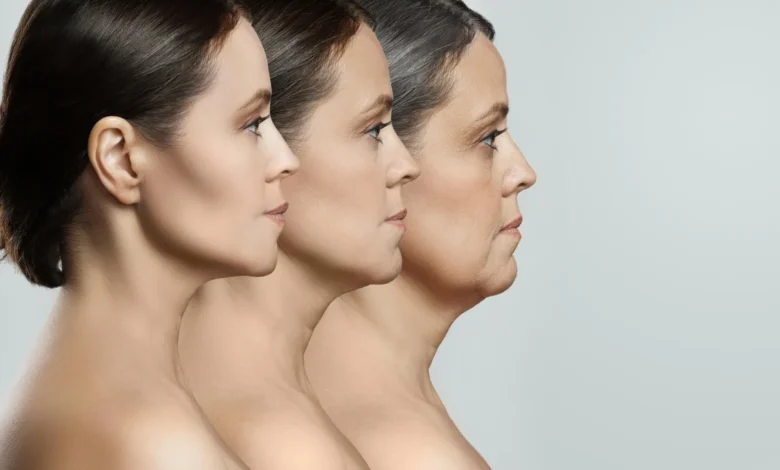
To comprehend the gravity of these findings, scientists distinguish carefully between chronological age—simply the number of calendar years a person has been alive—and biological age. While chronological age moves forward at an unyielding, universal pace, biological age is fluid. It reflects the true functional state of the body’s cells, tissues, metabolic pathways, and organ systems, serving as an aggregate measure of how well physiological mechanisms are holding up against internal and external stressors.
In the newly published study, researchers discovered a widening chasm between chronological and biological ages in younger cohorts. When evaluating data from tens of thousands of individuals, the team observed that people born in more recent decades consistently exhibited biological profiles that rendered them physically older than their birth certificates indicated. This systemic discrepancy did not appear uniformly across all tissues; rather, researchers identified specific organ systems bearing the brunt of this premature aging, and crucially, mapped these localized dysfunctions directly to specific types of early-onset cancers.
For instance, individuals displaying signs of an accelerated biological decline within their immune systems faced a markedly elevated risk of early-onset lung cancer. Similarly, subjects whose adipose (fat) tissue exhibited markers of advanced biological aging demonstrated a heightened susceptibility to early-onset colorectal cancer. These organ-specific correlations suggest that modern systemic pressures are not merely weathering the body as a whole, but are landing targeted blows on vulnerable physiological systems long before traditional screening protocols would ever flag a health concern.
A Massive Cross-Continental Data Crusade
Untangling the intricate relationship between generational aging patterns and malignancy required computational power and data scales that were unimaginable just a decade ago. This research was made possible through major international collaborations, prominently including the Siteman Cancer Center at Barnes-Jewish Hospital and WashU Medicine, alongside Cancer Grand Challenges—a global research funding initiative co-founded by the National Cancer Institute (NCI) in the United States and Cancer Research UK (CRUK).
As part of Team PROSPECT, an international research initiative co-led by WashU molecular epidemiologist Dr. Yin Cao, scientists analyzed expansive, multi-omic health datasets. The primary cohort drew from the UK Biobank, encompassing lifestyle, biological, and health metrics from more than 154,000 participants. To ensure the findings were not an anomaly isolated to the British population, the team cross-verified their models using more than 10,000 American participants enrolled in the National Institutes of Health’s All of Us Research Program, an ambitious national effort aiming to chart the health trajectories of over one million U.S. residents.
To accurately quantify biological age without relying on subjective assessments, the research team—led by first author and doctoral student Ruiyi Tian—employed robust multi-system biometric scales. For systemic aging, they utilized clinical biomarkers such as PhenoAge, which calculates biological deterioration using nine routine blood biochemistry measurements including liver-produced albumin and kidney-processed creatinine. They also integrated the Klemera-Doubal Method and advanced metabolomic age scores designed to capture subtle age-related shifts in human metabolism.
For organ-specific evaluations, the investigators dove into blood proteomic data. By measuring circulating levels of numerous proteins tied to distinct biological systems, the computational models successfully estimated the functional age of individual organs within each participant.
Quantifying the Generational Shift
The resulting data revealed stark generational divides in biological aging metrics across both sides of the Atlantic.
Among the British cohort, individuals born between 1965 and 1974 exhibited systemic biological aging scores that were 23% of one standard deviation higher than those born between 1950 and 1954, even after strictly controlling for chronological age. Put simply, the younger group possessed an older physiological blueprint than their predecessors did when they were at the exact same point in their lives.
When the researchers examined the American cohort, the generational acceleration was even more pronounced. Participants born between 1990 and 1999 demonstrated systemic aging scores that were 92% of one standard deviation higher than those born between 1965 and 1969.
When these accelerated aging profiles were cross-referenced against cancer registries, the clinical implications became clear. Greater systemic aging in younger populations correlated directly with an 8% increase in the risk of early-onset solid tumors, with gastrointestinal, lung, and uterine cancers showing the strongest associations. When participants were stratified into distinct tiers based on their biological aging rates, those falling into the most advanced aging bracket experienced a staggering 15% surge in early-onset solid cancer risk compared to their peers with the slowest biological aging profiles. Notably, these associations persisted even after researchers adjusted for inherited genetic predispositions to cancer and genetic markers of accelerated aging, cementing the environment and lifestyle as primary drivers.
Contextualizing the Multi-Decade Puzzle
The medical community has spent years evaluating individual risk factors associated with early-onset malignancies. Previous epidemiological studies led by Dr. Cao and other international teams have exhaustively examined variables such as rising global obesity rates, metabolic dysregulation, sedentary lifestyles, poor diet quality rich in ultra-processed foods, shifting alcohol consumption patterns, and even early-life factors like delivery via cesarean section.
Individually, each of these elements offers a partial window into the shifting epidemiology of cancer. However, no single lifestyle factor or metabolic marker has ever been able to account for the broad, systemic nature of the rising trend. This explanatory gap motivated researchers to shift their paradigm from single-variable risk assessments to a holistic model capable of capturing how a multitude of modern environmental exposures accumulate and compound over a human lifespan.
Dr. David Scott, director of Cancer Grand Challenges, emphasized the collaborative scale required to tackle this epidemiological puzzle. "Right now, we don’t have a definitive answer to what’s driving the rise of early-onset cancers around the world, but studies like this are helping us piece together the bigger picture, showing that cancer may be influenced not just by changes inside individual cells, but by wider changes happening across the body as a whole," Scott noted. "Research on this scale is possible through Cancer Grand Challenges, which brings together scientists from different fields around the world to tackle these complex questions together."
Implications for the Future of Oncology and Prevention
The publication of these findings in Nature Medicine marks a critical philosophical turning point for preventive medicine. For generations, cancer screening guidelines have been rigidly tethered to chronological milestones—recommending mammograms, colonoscopies, and other diagnostic procedures only after an individual crosses a specific age threshold, typically age 45 or 55.
The reality that younger generations are silently accumulating biological damage at an accelerated rate exposes the dangerous blind spots of chronological screening paradigms. If younger adults are walking around with the biological profiles of a demographic ten or fifteen years their senior, standard screening timelines may routinely miss cancers during their most treatable, nascent stages.
Looking forward, the research team aims to leverage these biomarkers of accelerated aging to fundamentally transform clinical practice. Rather than reacting to cancer after symptoms manifest or waiting for a patient to reach an arbitrary birthday, future medical interventions could utilize blood-based proteomic and metabolomic panels to flag high-risk individuals decades early.
"Our ultimate goal is to decode how modern environments become biologically embedded to drive cancer risk, transforming prevention from broad recommendations to personalized interventions," Dr. Cao explained. "This brings us closer to identifying risk earlier and developing prevention strategies that are tailored to an individual’s biology."
If validated through ongoing clinical translation, biological age profiling could usher in a new era of proactive healthcare. By identifying high-risk individuals while they remain entirely healthy, physicians could deploy targeted lifestyle modifications, early monitoring protocols, and chemopreventive strategies precisely where they will yield the greatest impact—shifting the entire architecture of modern oncology from reactive treatment to preemptive defense.