As autumn gives way to freezing winter temperatures, domestic culinary trends shift decisively away from light salads and quick-prep skillets toward long-simmering comfort foods. Among the most enduring staples of cold-weather dining is traditional beef stew, a dish deeply rooted in culinary history that continues to see surges in home cooking popularity year after year. Modern home cooks and food publishers are reporting record engagement for hearty, traditional recipes that promise warmth, balanced nutrition, and robust flavor profiles.
Leading the seasonal conversation is a renewed focus on classic techniques that elevate humble ingredients into a sophisticated weekend meal. Culinary authorities and food enthusiasts alike emphasize that achieving the ultimate bowl of stew relies heavily on proper preparation, timing, and ingredient selection.
Core Ingredients and Nutritional Profile
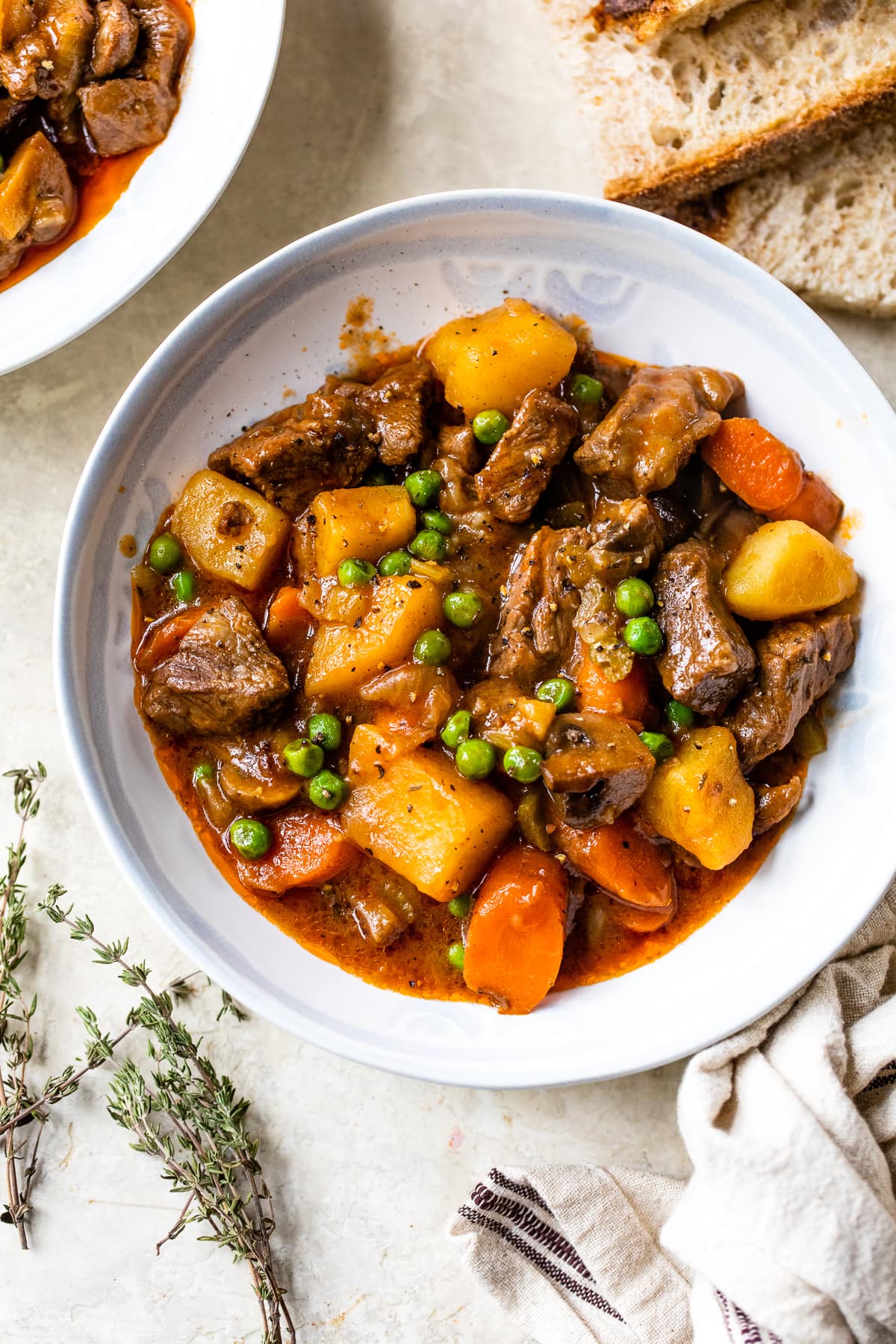
A traditional beef stew is celebrated not only for its rich flavor but also for its capacity to deliver a well-rounded, nutrient-dense meal in a single bowl. The foundation of the dish begins with quality cuts of beef—typically well-marbled chuck roast—which is cut into generous chunks to withstand extended cooking times.
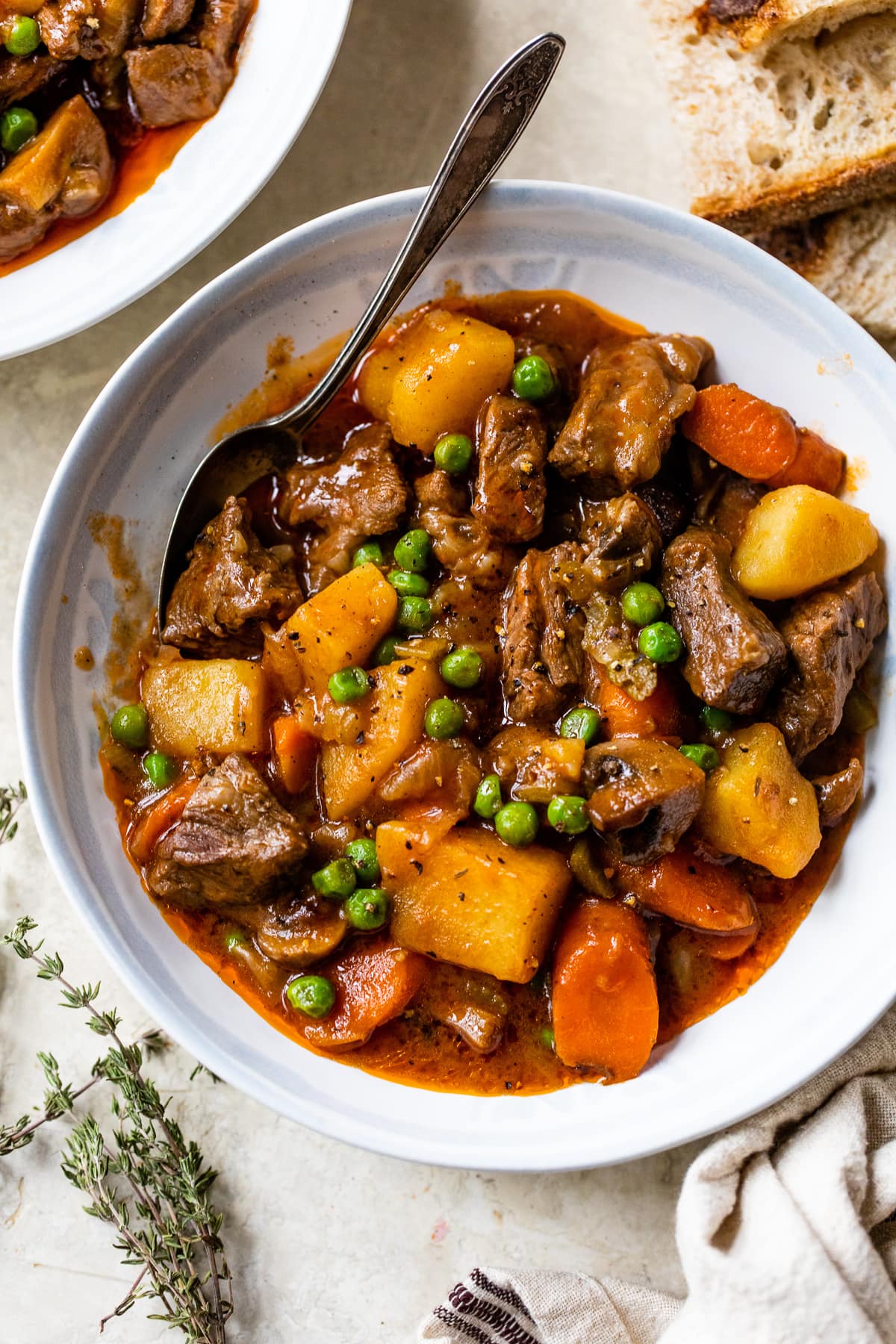
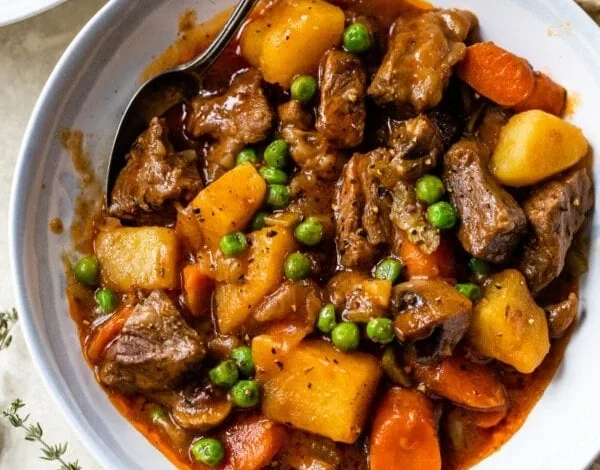
Surrounding the protein is a vibrant medley of root vegetables and aromatics. Standard formulations incorporate Yukon gold potatoes, which hold their shape while lending a creamy texture to the broth, alongside sweet carrots, crisp celery, and yellow onions. Modern variations frequently expand the vegetable profile to include earthy mushrooms and sweet garden peas, adding layers of texture and color.
Nutritional analyses of standard hearty portions—typically measured at roughly one and a half cups per serving—reveal a balanced macronutrient profile designed to sustain energy during colder months. A single serving of traditional beef stew generally yields approximately 439 kilocalories, driven by roughly 40.5 grams of high-quality protein from the slow-cooked beef. Carbohydrates hover around 20.5 grams, contributed largely by the root vegetables and thickener, while dietary fiber accounts for approximately 4 grams. Total fat content sits near 22 grams, with roughly 9.5 grams of saturated fat, balanced by a modest sodium content of under 500 milligrams per serving.

Culinary Chronology and Preparation Method
The creation of a superior beef stew is an exercise in patience, following a precise chronological sequence that maximizes flavor development at every stage. Unlike quick-skillet meals, a traditional stovetop stew demands an investment of time, typically requiring approximately 20 minutes of active preparation and nearly three hours of total cooking time.
The preparation timeline generally follows four critical phases:

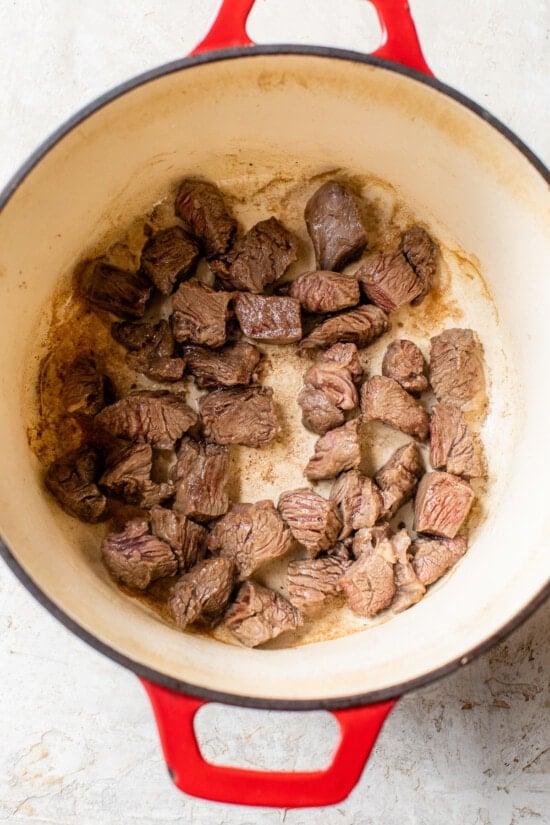
- Sauce and Searing Preparation (Minutes 0–30): The process initiates with the creation of a seasoned flour and liquid base designed to thicken the eventual gravy. Simultaneously, chunks of beef are thoroughly browned in a heavy-bottomed pot or Dutch oven. Searing the meat caramelizes the exterior proteins via the Maillard reaction, establishing the foundational depth of flavor for the entire dish.
- Building the Aromatics (Minutes 31–45): Once the meat is browned and temporarily set aside, aromatic vegetables such as onions and celery are gently sautéed in the remaining rendered fats and pan drippings to release their natural sugars and aromatic compounds.
- The Simmer Phase (Hours 1 through 2.5): The beef is reintroduced to the pot alongside the liquid stock, herbs, and harder root vegetables like carrots and potatoes. The mixture is brought to a gentle simmer, covered, and left undisturbed for the vast majority of the cooking cycle. During this extended window, low and steady heat breaks down the tough collagen within the beef chuck roast, transforming it into fork-tender morsels while allowing the starches from the potatoes to naturally meld with the broth.
- Finishing Touches (Final 15 Minutes): Softer, quick-cooking ingredients—such as green peas and mushrooms—are introduced toward the end of the cooking process to preserve their vibrant color, nutritional integrity, and structural bite.
Expert Techniques and Troubleshooting Common Pitfalls
Even with a detailed recipe, home cooks frequently encounter specific hurdles when preparing braised beef dishes. Culinary instructors and professional recipe developers emphasize several key methodologies to ensure consistent results.
The most common complaint among home cooks is encountering tough, chewy pieces of meat even after hours of cooking. Food experts explain that meat toughness is typically an indicator of insufficient cooking time or the selection of an inappropriate cut. Leaner cuts of beef lack the internal fat marbling and connective tissue necessary to soften under heat; consequently, they remain dry and rigid. Conversely, well-marbled chuck roast contains abundant collagen that melts into gelatin over time, creating a rich mouthfeel and tender texture. If meat remains tough after the initial cooking window, experts advise extending the simmer time in increments of 20 to 30 minutes until the protein yields effortlessly to a fork.

Furthermore, preparation experts note that beef stews consistently benefit from overnight storage. Allowing the cooked stew to cool and rest in refrigeration for 24 hours permits the starches, fats, and aromatics to fully integrate, frequently resulting in a superior flavor profile on the second day.
Accompaniments and Culinary Variations
While a traditional beef stew functions as a complete and deeply satisfying meal on its own, cultural traditions and modern dining preferences have established a variety of classic accompaniments. To fully capture the rich, savory gravy, home cooks frequently pair the dish with freshly baked sourdough bread, warm cheddar biscuits, or traditional Yorkshire pudding. For those seeking lighter pairings, a crisp green salad dressed in a sharp vinaigrette offers a refreshing acidic contrast to the rich, heavy broth.

Global variations of the comfort food staple highlight the versatility of the braising technique. Regional adaptations span the globe, including Latin American preparations like Carne Guisada, Mexican Bisteces a la Mexicana, and seasonal innovations such as pumpkin-infused beef stews. These regional interpretations demonstrate how a foundational culinary concept adapts seamlessly to local agricultural yields and flavor palettes.
Broader Economic and Cultural Implications
The surging popularity of scratch-made comfort foods like beef stew reflects broader economic and cultural trends. Amid fluctuating food prices and economic uncertainty, consumers increasingly turn toward economical, versatile cuts of meat—such as chuck roast—that can be transformed into multiple servings of nutrient-dense meals. Slow-cooked dishes encourage batch cooking and meal prepping, aligning with consumer desires to minimize food waste and optimize household grocery budgets.
Moreover, the ritual of preparing a multi-hour weekend meal serves a psychological role in modern domestic life. As populations navigate increasingly digital and fast-paced daily routines, the deliberate slowdown required to simmer a traditional stew offers a tactile, grounding domestic activity that bridges generational cooking traditions with contemporary home-kitchen enthusiasm.