The Ultimate Guide to Healthy Oatmeal Recipes: Nutrition, Varieties, and 21 Creative Ways to Enjoy Whole Grains

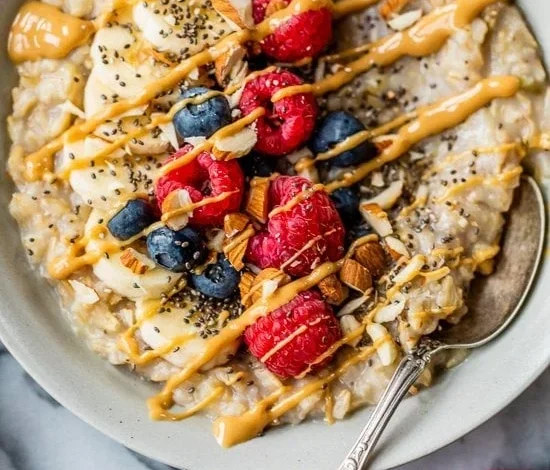
Oats have long held a foundational place in human nutrition, transitioning from a historical livestock feed and medieval European staple to a modern cornerstone of preventive health and nutritional science. In recent decades, public health initiatives and dietary guidelines have increasingly championed whole grains, placing oats at the forefront of recommendations for cardiovascular health, metabolic regulation, and sustained daily energy. As consumers navigate an ever-expanding array of breakfast choices, culinary platforms and nutritionists continue to reinvent the humble oat, proving that a single grain can adapt to diverse palates, dietary restrictions, and time constraints.

Nutritional Profile and Health Implications

From a biochemical standpoint, oats are celebrated for their dense nutrient matrix. They are a premier source of complex carbohydrates and whole-grain fiber, most notably containing a specific type of soluble fiber known as beta-glucan. Extensive clinical research has demonstrated that beta-glucan forms a viscous gel during digestion, which effectively slows the absorption of glucose and binds to cholesterol-rich bile acids, facilitating their excretion. According to nutritional studies cited by health authorities, consistent daily consumption of approximately three grams of oat beta-glucan can contribute to a statistically significant reduction in low-density lipoprotein (LDL) cholesterol levels, thereby lowering the risk of coronary heart disease.

Beyond soluble fiber, oats deliver an impressive array of micronutrients. A standard serving provides substantial amounts of manganese, an essential mineral involved in enzyme activation, bone development, and antioxidant defense. They are also rich in magnesium, iron, phosphorus, and vitamin B1 (thiamine). Dietary experts frequently recommend aiming for a daily fiber intake of 25 to 30 grams for women and men respectively, a target that can be significantly advanced by incorporating an oat-based breakfast into a morning routine. To maximize these benefits, nutritionists often suggest pairing oats with high-protein additions such as Greek yogurt, cottage cheese, eggs, or plant-based protein powders, creating a balanced macronutrient profile that promotes satiety and stabilizes blood sugar levels throughout the morning hours.

Chronology and Evolution of Oat Preparation
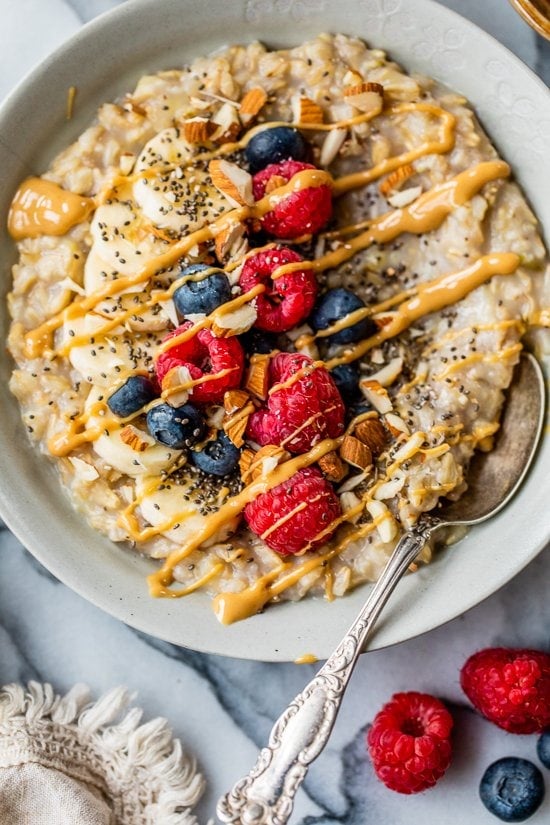
The culinary journey of oats has undergone a notable evolution, shifting from traditional stovetop simmering to advanced preparation techniques designed to accommodate fast-paced contemporary lifestyles. Historically, whole oat groats required hours of boiling to become palatable, limiting their convenience. The industrial development of steel-cut oats, rolled oats, and quick-cooking varieties revolutionized consumer access by reducing preparation times while preserving the core nutritional integrity of the grain.
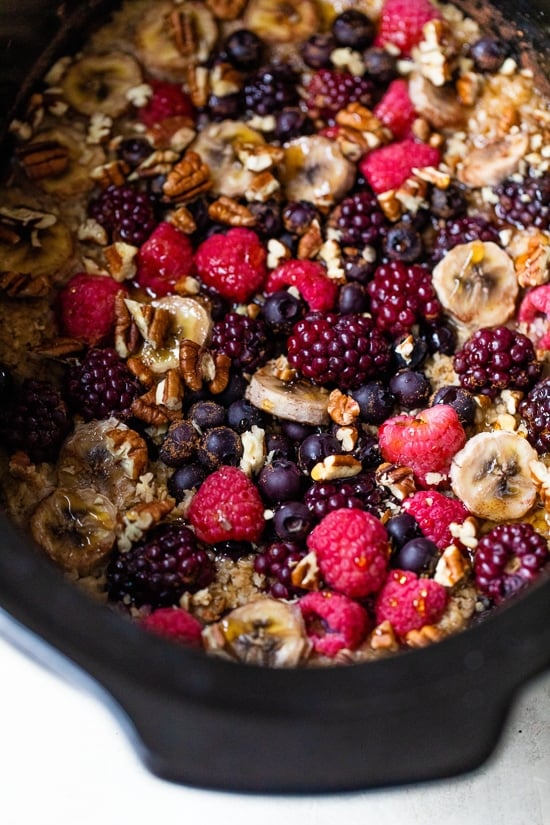
In the late 20th and early 21st centuries, the culinary landscape expanded further with the advent of "overnight oats"—a no-cook preparation method where raw rolled oats are steeped in milk, yogurt, or plant-based alternatives for several hours, usually in a refrigerator. This technique not only softens the grain without heat but also enhances digestibility by allowing starches to break down gradually. More recently, the integration of modern kitchen appliances such as slow cookers and multi-cookers (such as the Instant Pot) has allowed home cooks to prepare large batches of steel-cut or baked oatmeal effortlessly, transforming a traditionally labor-intensive morning dish into a viable meal-prep staple.
Understanding Oat Varieties: Texture, Chemistry, and Application
Selecting the correct variety of oat is critical to the culinary outcome of any recipe, as distinct processing methods alter the starch structure, moisture absorption rates, and overall texture.

- Steel-Cut Oats: Also known as Irish oats, these are whole oat groats chopped into two or three pinhead-sized pieces using steel blades. They retain a dense, chewy texture and require the longest cooking time—typically 20 to 30 minutes on a stovetop, though pressure cookers can significantly accelerate the process.
- Rolled Oats: Often referred to as old-fashioned oats, these are dehusked oat groats that have been steamed and flattened between heavy rollers. They retain their shape well during cooking and baking, absorbing liquids moderately to create a comforting, creamy consistency.
- Quick Oats: These are similar to rolled oats but are rolled thinner and steamed longer, allowing them to rehydrate and soften rapidly. They yield a smoother, softer porridge and are frequently utilized in quick-mixing baked goods.
- Oat Flour: Produced by finely grinding whole oats, oat flour serves as a nutritious, whole-grain alternative to wheat flour in baking. Because it retains the fiber and micronutrient profile of the whole grain, it provides a hearty texture and nutty flavor profile to items like muffins, breads, and waffles.
Culinary experts emphasize that these varieties cannot be substituted interchangeably without adjusting the liquid ratios, as doing so frequently results in an overly dense or watery final product.
Categorized Recipe Overview: 21 Ways to Incorporate Oats
To maintain dietary interest and prevent breakfast fatigue, culinary developers have categorized oat preparation into several distinct formats, ranging from traditional hot porridges to innovative baked goods and savory meals.
Warm Oatmeal Bowls and Stove-Top Variations
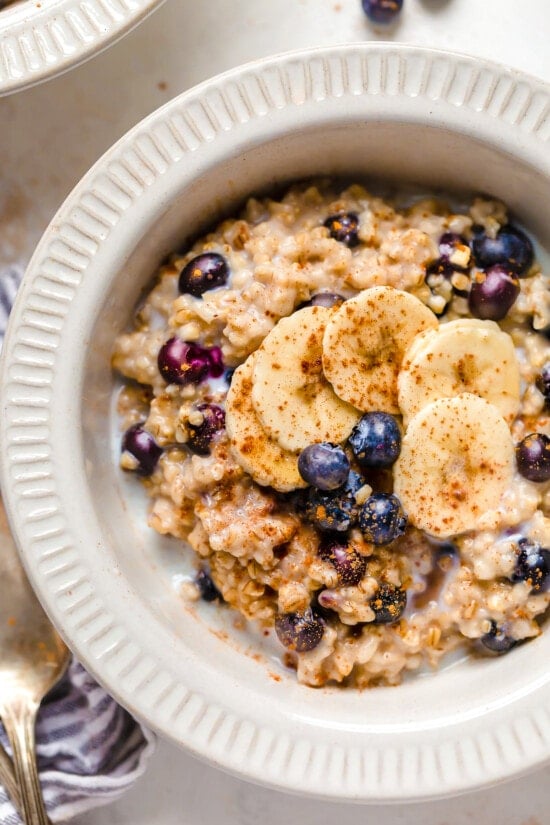
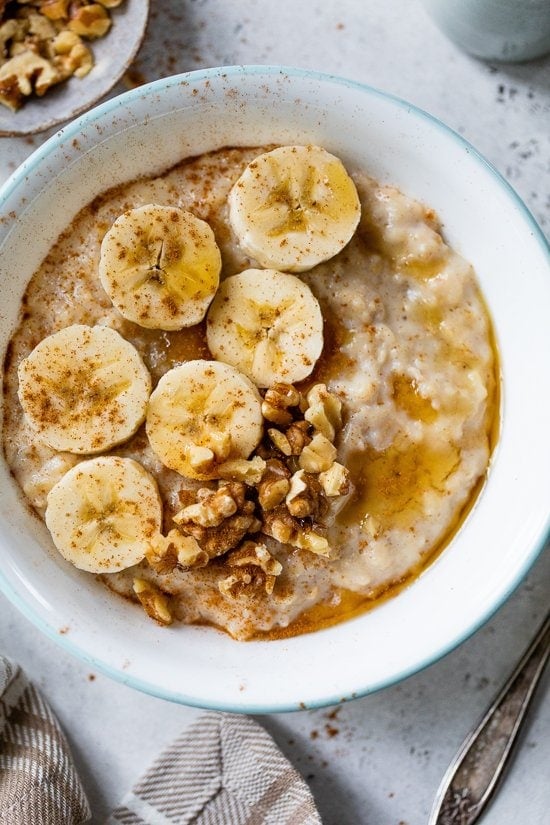
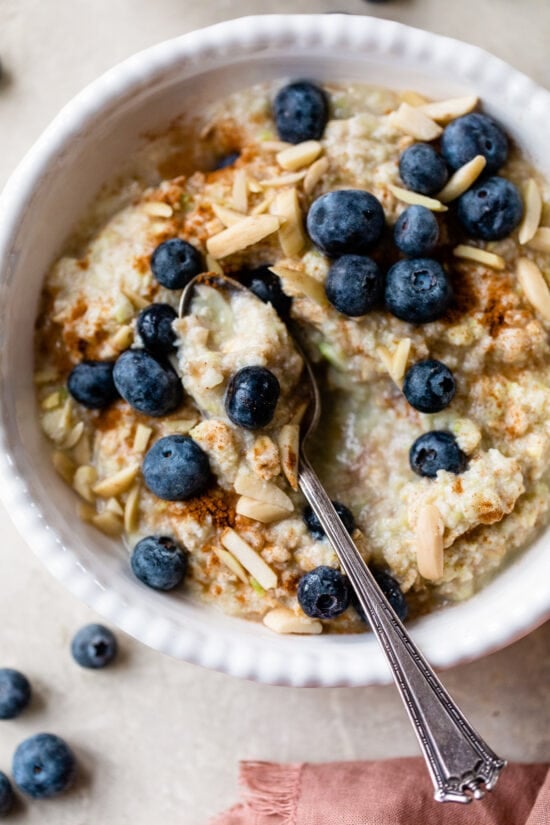
For those who prefer a traditional comforting breakfast, hot oatmeal remains unmatched. Modern variations move far beyond plain water and oats. Recipes such as the Slow Cooker Steel Cut Oats and Instant Pot Steel Cut Oats utilize automated appliances to achieve a creamy texture infused with maple, cinnamon, and fresh fruit. Protein-boosted variations, including Banana Nut Protein Oats, incorporate egg whites or vanilla protein powder to elevate the macronutrient count. Meanwhile, savory adaptations—such as Savory Steel Cut Oats featuring chicken sausage, mushrooms, parmesan, and a fried egg—challenge the convention that oats must be sweet, offering a hearty, low-glycemic meal option. Culinary innovators have also embraced "Zoats" (zucchini oats), blending grated zucchini directly into the simmering porridge to increase fiber and vegetable intake without altering the familiar flavor profile.

Overnight Oats for Effortless Meal Prep
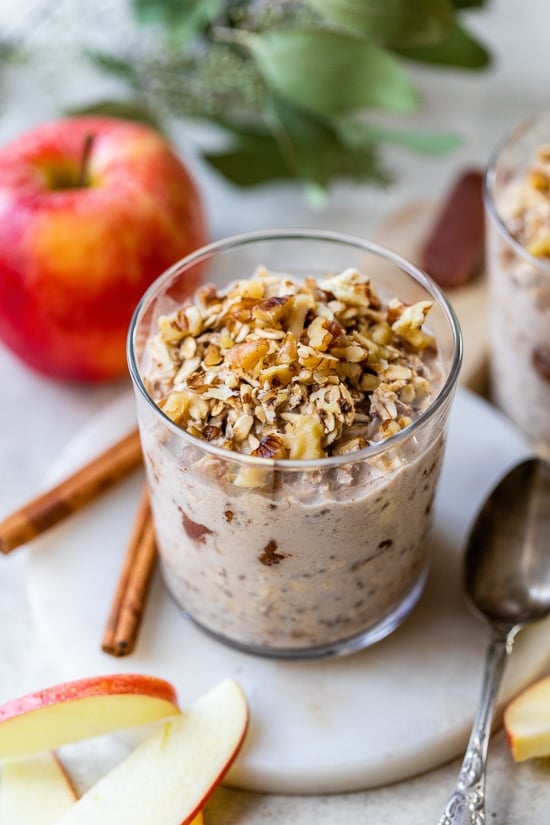
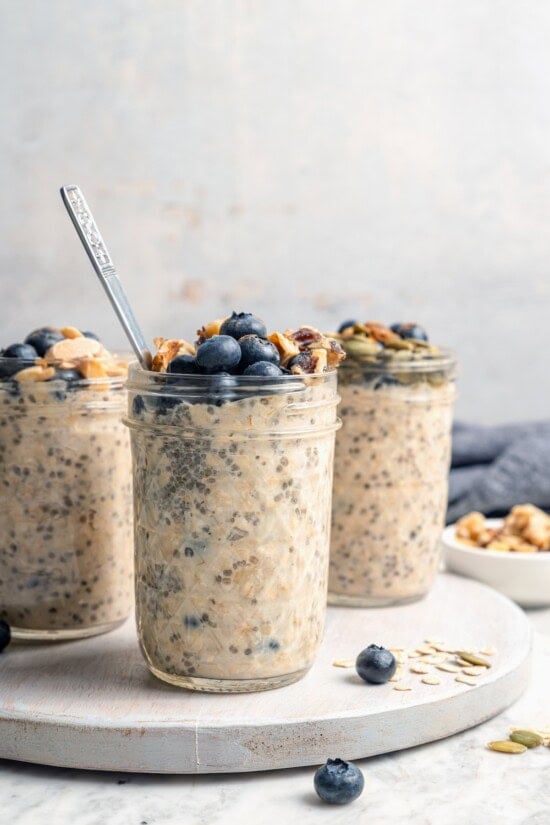
Overnight oats provide a practical solution for individuals with limited morning time. By combining rolled oats with dairy or plant-based milks, chia seeds, and fruits the evening before, breakfast is ready upon waking. Popular iterations include Apple Pie Overnight Oats, which mimic the spiced flavor of traditional baked desserts using natural sweeteners like maple syrup and chopped walnuts. Seasonal and culturally inspired variations, such as Pumpkin Pie Overnight Oats and Tres Leches Overnight Oats—which steep the grains in a blend of three milks—offer decadent flavor profiles while maintaining high fiber and protein metrics.

Baked Oatmeal and Portable Breakfasts
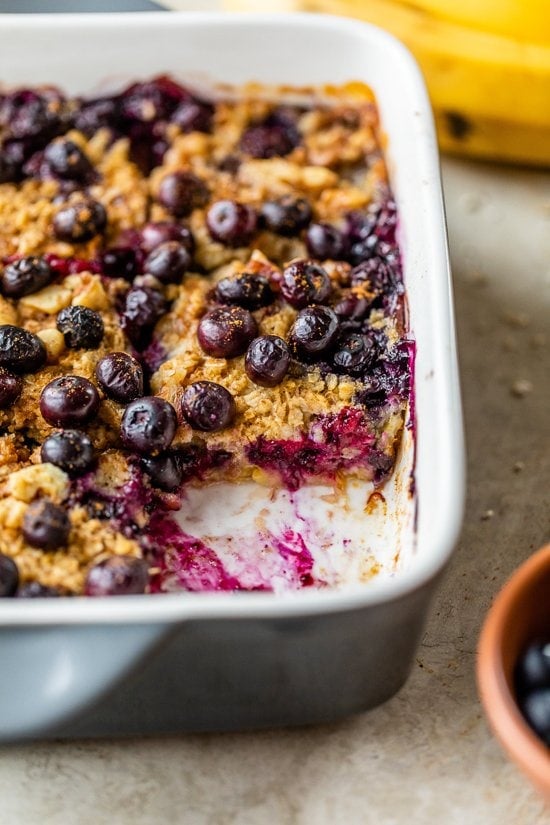
Baking oats transforms the grain into a cake-like consistency that can be portioned for the entire week. Recipes like Baked Oatmeal with Blueberries and Bananas, Pumpkin Baked Oatmeal Cups, and Maple-Cinnamon-Banana-Pear Baked Oatmeal provide comforting, custard-like textures. For portable options, Instant Pot Oatmeal Banana Bars offer a gluten-free and dairy-free solution packed with dates, coconut, and chia seeds, ideal for consumption during a morning commute.
Oatmeal Cookies and Baked Goods
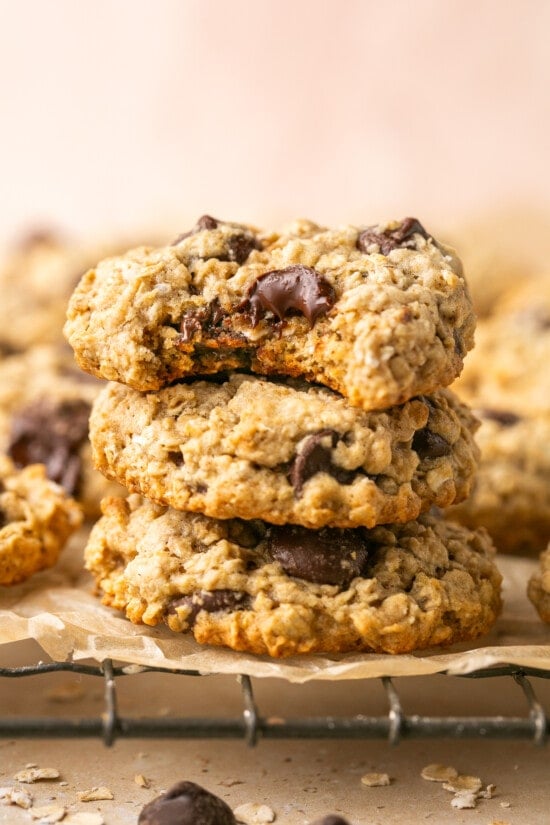
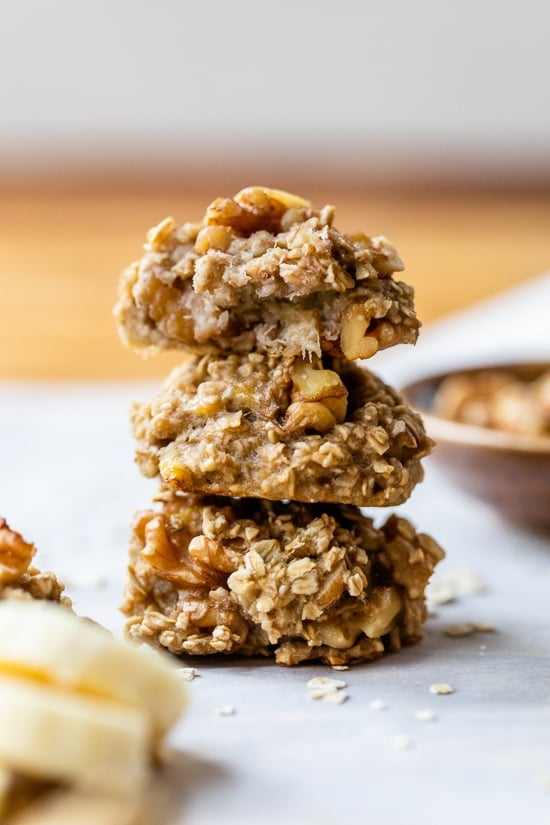
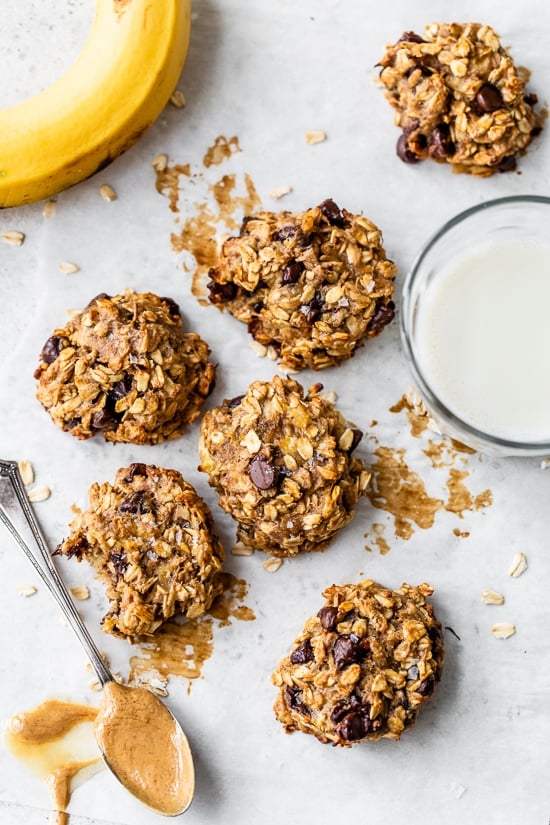
The versatility of oats extends naturally into baking, where they serve as a structural base for guilt-free snacks and breakfast cookies. Healthy Banana Oatmeal Cookies rely on a minimal three-ingredient formula (bananas, oats, and a binder) to create a naturally gluten-free treat. Protein Cookies infused with peanut butter, and Healthy Chocolate Chip Oat Cookies, provide satisfying textures with reduced fat and refined sugar content. Additionally, whole-grain baking extends to Chocolate Banana Oat Bread, Blueberry Oatmeal Muffins, and high-protein waffles crafted from oat flour and cottage cheese.

Dietary Considerations: Navigating Gluten Sensitivity

While oats are inherently gluten-free, individuals managing celiac disease or non-celiac gluten sensitivity must exercise caution during product selection. Oats are frequently cultivated in rotation with wheat, barley, or rye, and processing facilities often handle multiple grains, creating a high risk of cross-contamination. Organizations such as the Celiac Disease Foundation strongly advise consumers requiring a strict gluten-free diet to purchase products explicitly labeled "certified gluten-free." Ensuring proper sourcing mitigates adverse health reactions and allows sensitive individuals to safely enjoy the nutritional benefits of whole oats.
Broader Economic and Nutritional Implications
The sustained popularity of oat-based products reflects broader consumer trends prioritizing functional foods—edible items that offer health benefits beyond basic nutrition. As lifestyle-related metabolic conditions remain a primary public health concern, dietary recommendations increasingly emphasize accessible, plant-based whole grains. Agricultural markets have responded to this sustained demand by expanding oat production and refining processing methodologies to meet stringent allergen-control standards.
Ultimately, the adaptability of oats ensures their enduring presence in global dietary practices. Whether consumed as a steaming bowl of steel-cut porridge on a winter morning, a chilled jar of spiced overnight oats during the summer rush, or a protein-enhanced baked bar on the go, oats continue to bridge the gap between rigorous nutritional science and everyday culinary satisfaction.